
Gianna's Gems: How AI is Transforming Event Planning - Creating More Magical Moments
Hi there,
As someone who's spent over two decades crafting unique experiences for global brands, I'm fascinated by how AI is fundamentally changing our approach to event planning. Let me share what I'm seeing working with my top clients (three of which are AI companies).
The Magic Question That Started It All
In its best form, the magic happens when we use AI to answer that fundamental question I always ask: "How can I make this moment more magical?" Now we have more data to guide those decisions, and AI frees up more bandwidth for us to make it happen.
What excites me most is how AI is shifting us from reactive to predictive planning. Instead of scrambling to accommodate last-minute changes, we're now anticipating attendee needs before they even articulate them. We're seeing 45% of event organizers and directors actively using AI tools to enhance operations and personalize attendee experiences.
AI platforms can suggest personalized sessions, activities, and networking opportunities to create custom agendas, while automated systems handle attendee registration, check-in processes, and badge printing, greatly reducing wait times and human error. It also opens up new ways to surprise and delight attendees through immersive technology and personalization.
My Top AI Tools (Yes, I'm Naming Names)
I am naming the companies that I think are the best (and happen to also advise) because I am highly selective in who and what tools I work with. Aside from using Claude by Anthropic almost daily for everything from content outlines to research and contract comparison, what makes the companies below exceptional is their ability to handle the heavy lifting while preserving the human touch that creates memorable experiences.
BoomPop - I love the integrated ai-powered features like an AI-powered Itinerary Builder that builds your itinerary in minutes, and their AI-powered guest support that lets their AI Text Assistant answer guest questions. Their AI learns from past activity to improve future recommendations, pricing predictions, vendor availability forecasts, and RFP responses so it feels like like having an event planning assistant by your side, 24/7. They still have the personal touch with dedicated account managers, but those account managers are more efficient and responsive due to the AI support.
Gradual - Love GRadual’s all-in-one community platform that supports everything from small intimate roundtables to multi-day (and stage) conferences with engaging and robust event capabilities. What sets them apart is their ability to support events with up to 100,000 concurrent users with robust content delivery and infrastructure. Their attendee matching features are also highly useful for what people want both virtually and in person at events right now making networking much more engaging, relevant and personal.
BookwithEva (EVA) - This streamlined platform makes booking quality entertainment and speakers quick, easy, and reliable, with more than 500 vetted entertainers ready to place offers on virtual or in-person events EVA - Entertainment made easy. Their AI-driven platform allows you to easily find entertainers through a variety of filters and search options, communicate directly with entertainers through their secure messaging system, and quickly narrow down options based on genre, price range, location, and availability.
Events.com ecosystem - While Events.com itself isn't a single AI platform, I love that it’s broader ecosystem includes powerful tools like Eventbrite Boost, an AI-driven event marketing tool that optimizes social media ads, email campaigns, and audience targeting to increase event attendance with AI-optimized paid advertising and predictive analytics for ticket demand and pricing recommendations.
Where AI Is Eliminating the Friction Points
The algorithms of AI help event planners automate things like venue selection, logistics management, content and email/social copy, task management, and scheduling tasks. The key is using AI to eliminate friction points so attendees focus on the content and connections, not the logistics. Here's where I've seen the biggest impact:
Venue Selection: AI search engines like BoomPop automatically narrow down venue options based on your specific criteria, saving weeks of manual research and back and forth with venues.
Contract Review: Here's where AI is becoming a game-changer for those of us juggling multiple vendor contracts. AI compares and negotiates proposals in real time by quickly analyzing contract terms, identifying potential red flags, comparing pricing across multiple vendors, and even suggesting negotiation points based on industry standards. This means less time buried in paperwork and more time focusing on the creative elements that make events memorable.
Attendee Flow and Predictive Planning: AI-powered systems using QR codes or facial recognition technology reduce wait times and improve attendee flow at entrances. AI will predict event attendance more accurately, manage food and beverage requirements based on real-time data, and monitor energy usage at large events.
Content Development: One area where AI is particularly transformative is content creation. AI can draft social media calendars, campaigns and posts, generate emails, and aid in sourcing different assets, from speakers and sponsors to events and vendors. Whether it's written or visuals, AI is incredibly useful for creating event content and pre-and post-event communications, with email templates and welcome packets. I've even seen companies using it to generate names for new conferences and event logos!
The Magic of Personalization
This is where AI truly shines in creating those magical moments. AI platforms can tailor event experiences by using attendee data to create custom agendas and personalized communication based on attendees providing preferences at registration.
For example, Brella's AI-powered matchmaking algorithm analyzes hundreds of data points to find highly relevant matches for each person, creating higher attendee engagement and satisfaction by curating a fulfilling event experience for each attendee.
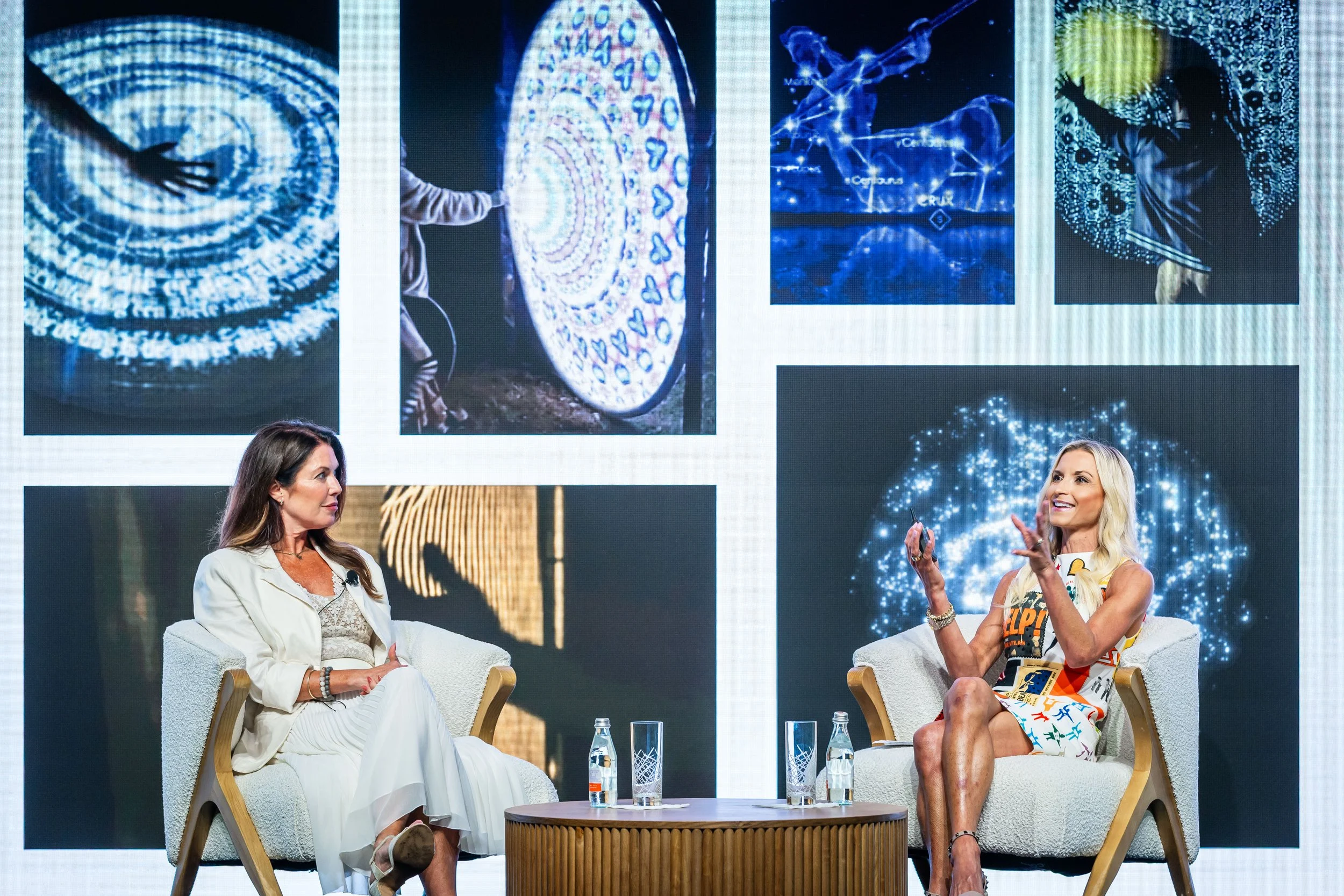
I also think AI, when incorporated elegantly into events, can enhance the experience and inspire attendees or create a sense of awe. I work with an experiential agency called De-Yan, who always incorporates AI coding into immersive, art-like experiences. They work with all the fashion houses because people can't help but engage and share these on social. Other examples I've done range from creative AI photobooths that turn people's photos into works of art based on AI filters, or the time I hired a famous conductor to generate a musical score using the AI coordinates of the company I had invited to the event.
The impact is undeniable: 78% of event planners who have used AI in their planning report a higher return on investment. When people feel the event was designed specifically for them, they become advocates, not just attendees.
But Let's Keep It Real: The Limitations
I don't think event planners will ever be replaced by AI as it requires a high level of emotional intelligence and orchestration/teamwork and leadership that are hard to program. I remember attending TED Vancouver in 2019 and AI scientist Kai Fu Li flashed up a slide that had ten professions he thought were AI-proof, and Event Planner (along with CEO) was on there. However, here are a few challenges with AI I've experienced personally:
Generic Responses: AI pulls from known information on the internet, making it hard to be innovative when you're pulling from things that have already been done before. Plus, the lack of attention to detail leaves room for error. Overreliance on AI for creative copy and/or design can result in repetitive and uninspired themes and lower open/response rates. People love my newsletter and I have a high open rate because I create emotional connection through personal stories and use anecdotes from my career which an LLM could never have generated. The human touch remains irreplaceable for creating emotionally compelling narratives and storytelling throughout the experience.
Human Oversight: AI misfires require always double-checking automated outputs, and human oversight is key - AI assists but doesn't replace thoughtful planning and customer service. My recommendation is for planners to use AI as your strategic partner, not your replacement. AI should be thought of as a complement to your skillset and creativity, not something that can replace what you do. It can be a great brainstorming tool, or a starting point when you need an outline for a program, but when it comes to planning a personalized event that's innovative, creative, and engaging, it's lacking - you'll always need a human touch for that.
Looking Into My Crystal Ball: The Next 5-10 Years
The future is incredibly exciting. The next five years promise AI-powered real-time attendee insights, automated event logistics, hyper-personalized networking, and advanced predictive analytics to enhance decision-making.
I'm particularly excited about:
Immersive Experiences: AI integration with Augmented Reality and Virtual Reality will lead to even more immersive event experiences, with AI personalizing virtual environments and making them more interactive. It can even democratize access to content and speakers - making having famous artists/people from past and future show up at your event or give a speech for much less than it costs today.
Real-time Sentiment Analysis: AI will assess attendee satisfaction in real-time through sentiment analysis, analyzing facial expressions, social media posts, and feedback to provide immediate insights. (Hopefully companies like AWS will stop limiting this at their events!)
Sustainability Optimization: AI will help optimize resources and reduce waste by predicting attendance accurately and monitoring energy usage to improve sustainability efforts. I just keynoted for a Tech Leaders Summit hosted by the Four Seasons and one problem that attendees brought up was the issue of food waste, so the challenge is on to crack that!
Strategic Partnership: AI systems will start functioning as strategic business partners, helping executives make informed decisions and automate complex tasks with real-time data analysis and personalized insights.
My Final Gem
I love the limitless potential AI opens up by giving planners more time for strategic planning and creativity. The key will be staying curious and experimental while never losing sight of what makes events truly magical—the human connections and emotional experiences that technology can enhance but never replace.
The best AI, like any technology, feels invisible and elegantly enhances an experience. It should amplify your creativity and strategic thinking, not replace the heart of what we do.
What I'm Loving This Week: For all my favorite vendors, partners and products, visit: https://www.giannagaudini.com/gianna-recommends
I’ve always loved videos - from the 3,000 video playlist I have running on YouTube of my son’s top moments (we watch them several mornings a week and it always reminds me of the most important things in life), to the videos I captured of my own wedding, and then all those event sizzle reels that crystalize the hours of work that went into creating magic moments…That’s why I wanted to share (again) my favorite video platform for crafting timeless memory capsules in minutes - VidDay. I have shared my love for them before, but this week am tickled to share an interview I did with VidDay’s founder about designing thoughtful events with intention, for connection and impact. Read it here. Take 10% off with my discount code: ViddayGVIP10
Gianna's Gems - What is Experiential Marketing and how to do it on any budget?
"How can I make this moment more magical?"
This question, which I've been asking myself daily, isn't just about adding sparkle to life (though I do love sparkle). It's the golden thread that weaves through every successful experiential marketing event I've ever planned or attended.
After more than two decades creating events for Google, AWS, SoftBank Vision Fund, Airtable and Windsurf, I've learned that the difference between a standard marketing event and a truly experiential one comes down to this: Are you creating a moment people experience, or are you creating an experience people remember forever?
The Magic Behind Experiential Marketing Events
Experiential marketing events go beyond traditional event marketing tactics. Instead of allowing guests to simply move from one session to another, experiential creates immersive interactions that surprise and delight attendees and tie into the theme of the content with a cohesive red thread. These events are designed to create a memorable and emotional connection between attendees and the brand, often through interactive activities, sensory stimulation, and storytelling.
The goal isn't just brand awareness—it's about creating advocates. When people are moved emotionally by an experience, they don't just remember the content of your event—they remember how you made them feel and are compelled to share about it.
Standard Marketing Events vs. Experiential Marketing Events: The Key Differences
Traditional Marketing Events Focus On:
Information delivery - PowerPoint presentations, product demos, training
Mass communication - One-to-many messaging
Passive consumption - Attendees sit, listen, and leave
Metrics like attendance - Numbers over engagement quality
Standard touchpoints - Registration, sessions, networking, meals, departure
Experiential Marketing Events Create:
Immersive experiences - Interactive or augmented reality to enhance the experience and bring a product or brand to life
Emotional connections - Moments that make people feel things like awe, delight, joy, nostalgia, inspiration and connection
Active participation - Attendees are active participants in the experience. For instance, at one opening to a Google Cloud Security Summit, we had attendees put on special glasses to view a secret message as they walked through a portal into the general session.
Memory creation - Experiences people can't help but share, like the time I had Olympic athletes lead morning group swim, run and cycle for CEOs.
Transformative touchpoints - Every moment becomes an opportunity for magic, pain points become moments of delight instead.
Gianna's Gem: Think about approaching every touchpoint with the question: "What do I want attendees to feel, think and do after the event, and how can I inspire them through this experience”?
Real-World Examples from My Event Portfolio
Since anecdotes are always helpful, below are a few samples - photos can be found in my portfolio.
Google's Self-Driving Car Experience
Back when I worked at Google and the very first self driving cars were in beta (pre-Waymo, pre Tesla), I hid golden tickets under just a few general session seats. Those lucky attendees got to take test drives of the car during the lunch hour. Instead of just talking about innovation, we let attendees experience the future firsthand and it also solved the problem of how to offer just a limited number of rides to the audience (given the team’s capacity) and a fair yet delightful way to do it.
The World Record Yoga Session
At Google, I turned a massive event for tens of thousands of employees into an opportunity to create a world record for "the largest yoga session" by having a yoga instructor lead the keynote room in some standing poses before the content began. This helped awaken the audience, captivate them for what other surprises we might have in store for them (one of them was our CEO dressed as Elvis swapping into an elvis impersonator performance before his keynote!) and became an energizing, shared, memorable moment.
CEO Summit AI Orchestra
At Softbank, I hired a famous musician to use AI to compose a score for a quartet from the geolocation points of all of our portfolio companies. We had the quartet perform in different places throughout the venue at breakfast, lunch, breaks, and then finally introduced the composer during the afternoon keynote and had him explain the custom created score, which we later gifted digitally to all the CEO’s. Since our portfolio companies all focused on ai, this theme tied into them and also created a memorable moment that could be relived through the gifted score after the event.
The Value of Experiential vs. Standard Events
For Attendees:
65% of people think that live events help them understand a product better
Emotional connection creates deeper brand loyalty
Memorable moments they actively want to share with others
Hands-on learning that sticks long after the event
For Brands:
Unparalleled word-of-mouth marketing - People can't help but talk about magical experiences and share about them on social as well.
Higher return attendance - Memories of magic create powerful FOMO for future events
Stronger participant engagement - Attendees who feel delighted participate more fully
Increased perceived value - Magic-infused experiences justify premium pricing
Brand differentiation - Being the "magical" choice sets you apart
The most powerful event feedback I ever received wasn't about the celebrity speaker or the gourmet food. It was from an attendee who wrote: "For three days, I felt completely seen. Every detail made me feel like someone had thoughtfully considered how to make my personal experience perfect and special which made me feel this is how they would treat me as a customer".
Creating Experiential Events on Any Budget
The beauty of experiential marketing is that magic doesn't require massive budgets—it requires intentionality and thoughtfulness. Some of the most magical moments I've created came from thoughtfulness rather than expenditure.
Low Budget ($500-$2,500): The Thoughtfulness Approach
Transform Registration into Recognition Having staff greet attendees by name the moment they approach the check-in desk (like The Battery private club or Four Seasons Hotel staff masterfully do) immediately signals they matter. Cost: Training and preparation time.
Hidden Surprises Throughout the Journey For long sessions, I sometimes leave waters or snacks under people's seats so they don't feel the need to get up and leave the room mis-session, or we’ll have hawkers pass coffee and protein balls or donuts at registration or long keynote lines.. Cost: $5-$10 per person.
QR Code Learning Experiences Transform waiting areas with educational content or surprises that tie to your event theme. Cost: Design time and printing.
Attendees Intention Notes Instead of the standard "thank you for coming" email, I’ve asked attendees to write down what they want to remember from the event and well mail it to them 6 months after the event. It just costs os shipping and is always a helpful way to get back in touch with customers or prospects while offering them a way to remember their intentions (and you!)
Medium Budget ($10-$100K): The Technology Integration
Pop-up Experiences
Interactive installations with branded 3D backdrops and props designed to promote social sharing. For example, a "3D movie poster" activation for Google Lunar X Prize where attendees could step into the scene and take photos ($15-30K)
Mobile food trucks or cocktail bars with custom branding, such as a "bulletproof coffee bar" created for a Google Capital security summit ($20-50K)
Multi-sensory product sampling stations that engage attendees beyond just taste or touch. An example would be a virtual reality windsurfing activation at a Windsurf Lounge during Google Next, combining physical product demos with immersive digital experiences ($25-75K)
Tech-Enhanced Activations
VR/AR experiences with 2-4 stations that allow groups to participate simultaneously ($30-60K)
Interactive digital walls, touchscreen displays, or custom apps that enable virtual reality experiences and real-time interaction ($20-40K)
Social media contest hubs with live feeds, potentially incorporating emerging tech like Meta glasses for enhanced sharing capabilities ($15-35K)
Event apps featuring interactive challenges, scavenger hunts, or badge collection systems that encourage exploration throughout the venue. Attendees can accumulate points and redeem them for tiered swag rewards, creating ongoing engagement throughout the event ($25-50K)
Hands-On Workshops
Branded maker spaces designed for networking and learning, featuring activities like pottery, cocktail mixing, or Iron Chef-style competitions that bring people together around shared experiences ($20-50K)
Wellness activations including contrast therapy (infrared sauna, cold plunge), pop-up acupuncture, wellness shots, and other health-focused experiences that provide immediate value to attendees ($25-60K)
DIY product customization stations with custom vignettes or demo pedestals that allow attendees to create personalized takeaways while learning about your brand ($15-40K)
High Budget ($100,000+):
Immersive Environments
Multi-room branded experiences with themed environments that showcase product portfolios, such as a Google Home activation designed to demonstrate Google's full range of hardware devices to key influencers ($150-500K)
Large-scale interactive installations featuring projection mapping or kinetic sculptures, like a projection-mapped dinner experience where each course is accompanied by different seasonal visual themes that transform the entire dining environment ($200-800K)
Pop-up restaurants or bars featuring celebrity chefs, such as a female chef and sommelier collaboration dinner in Los Angeles designed to create an exclusive culinary experience for high-value guests ($100-300K)
Technology Spectacles
Holographic displays and advanced AR experiences that create memorable, shareable moments through cutting-edge visual technology ($150-400K)
Interactive gaming tournaments with professional-grade setups, similar to large-scale hackathons that bring together top talent in competitive, branded environments ($100-250K)
AI-powered personalization experiences across multiple touchpoints, such as an AI sommelier that provides customized recommendations based on individual preferences and creates a unique experience for each attendee ($200-600K)
Exclusive Experiences
Private concerts or performances by notable artists, creating once-in-a-lifetime entertainment experiences that generate significant buzz and lasting impressions ($100-500K)
Luxury transportation experiences including helicopter rides or exclusive test drives of unreleased vehicles, such as competitions where driving brand-new Teslas before market launch serves as the ultimate prize ($200-1M+)
VIP meet-and-greets with top athletes or musicians before shows or games, providing intimate access that money typically can't buy ($150-750K)
Bonus Activation Ideas If your event features renowned speakers, consider creating a "library" activation stocked with their books that attendees can take home for free after the event. As a surprise element, some books can be pre-signed by the authors, adding unexpected value and creating lasting branded touchpoints beyond the event itself ($5-15K).
Gianna's Proven Framework for Experiential Success
Start with the Attendee Journey Map: Map every single touchpoint from initial invitation to post-event follow-up. At each point, ask: "How can I make this moment more magical?”
Create Moments of Surprise and Delight:This is about intentional presence and the commitment to elevating every experience from ordinary to extraordinary.
Design for Shareability. Every experiential moment should be so remarkable that attendees naturally want to document and share it.
Connect Experience to Purpose: Ensure every magical moment ties back to your brand story, product benefits, or event objectives.
Measure What Matters: Track engagement quality, emotional impact, and long-term brand connection—not just attendance numbers.
Getting Started: Metamorphize your next Event into an Experiential Activation
Gianna's Gem Action Step: Choose one upcoming event and identify three touchpoints where you can ask "How can I make this moment more magical?" Start small—magic often lives in the details, not the budget.
Remember, your attendees are ready to be delighted - doesn’t everyone crave delight? The question isn't whether you have enough budget for experiential marketing—it's whether you're ready to commit to creating memories that matter.
What I’m Loving this week: For all my favorite vendors, partners and products, visit: https://www.giannagaudini.com/gianna-recommends
Best online holistic health practitioner: Parsley Health. To say I’m a fangirl of Parsley Health is an understatement. I’ve been using Parsley Health since 2021 for the personalized, comprehensive I'd been searching for years to find. Unlike traditional doctors who spend just 20 minutes a year with patients, Parsley's functional medicine approach gives me over 200 minutes annually with a dedicated medical team, including both a doctor and health coach and Functional Lab Testing for less than $80 a month membership. What sets them apart is their commitment to uncovering root causes rather than just treating symptoms—using advanced diagnostic testing with 100+ biomarkers to reveal hidden imbalances that other providers miss. The holistic approach addresses everything from nutrition If you’d like to give them a try, you can use my code here to get $150 off your membership so you can give yourself the gift of energy, clarity, and vitality all from the comfort of your home.
XX,
Gianna
P.S. Want to dive deeper into creating magical event experiences? Check out my book The Art of Event Planning or Book a 1:1: intro.co/GiannaGaudini .
Zero-Proof: Mocktails Go From a Trendy Alternative to Event Planning Essential
The landscape of corporate events is undergoing a seismic shift, and at its center is a revolution in how we think about beverages. Zero-Proof spirits and mocktails, once relegated to the corner of drink menus as an afterthought, have emerged as a cornerstone of modern event planning. This transformation isn't just about following trends—it's about responding to changing demographics, health consciousness, and new scientific understanding.
The Perfect Storm: Demographics, Health, and Science
The convergence of several factors has elevated mocktails from a nice-to-have to a must-have at professional events. Generation Z, who will represent 35% of the workforce in 2025, consumes 20% less alcohol than their millennial counterparts. This shift isn't merely a youthful phase—it's a fundamental change in how upcoming generations view alcohol consumption.
Recent health findings have added urgency to this transition. Scientific evidence has established clear links between alcohol consumption and increased risks for multiple types of cancer, including breast, colorectal, and liver cancer. As event planners, we're not just catering to preferences; we're responding to a growing awareness of health implications.
Beyond Simple Substitution
The modern mocktail movement isn't about merely removing alcohol from traditional cocktails. It's about crafting sophisticated, complex beverages that stand on their own merits and even health benefits! Many of the people abstaining from alcohol also care about their health and aren’t just looking for a sugar-filled alternative, but rather elixers that offer adaptogens, polyphenols, are low sugar yet satisfying - quite a tall order!
The booming artisanal mocktail industry, projected to reach $30 billion in 2025, has given rise to innovative products that deliver the complexity and satisfaction of traditional cocktails without the alcohol and sugar.
Consider options like Ritual Zero Proof, Lyre and Seedlip Grove 42, which offer the familiar "burn" of spirits while remaining alcohol-free. Or try my personal favorite zero-proof wines: Katy Perry’s De Soi Tres Rose, and Oddbird’s assortment of great wines that offer up great taste + benefits like adaptogens and polyphenols. These aren't compromise choices—they're premium alternatives that deserve prime placement at your events.
Strategic Implementation for Event Professionals
Here's how to elevate your mocktail game so you’re not a mockery:
Equal Billing: Position mocktails alongside traditional cocktails, not as an afterthought. Consider creating signature mocktails unique to your event.
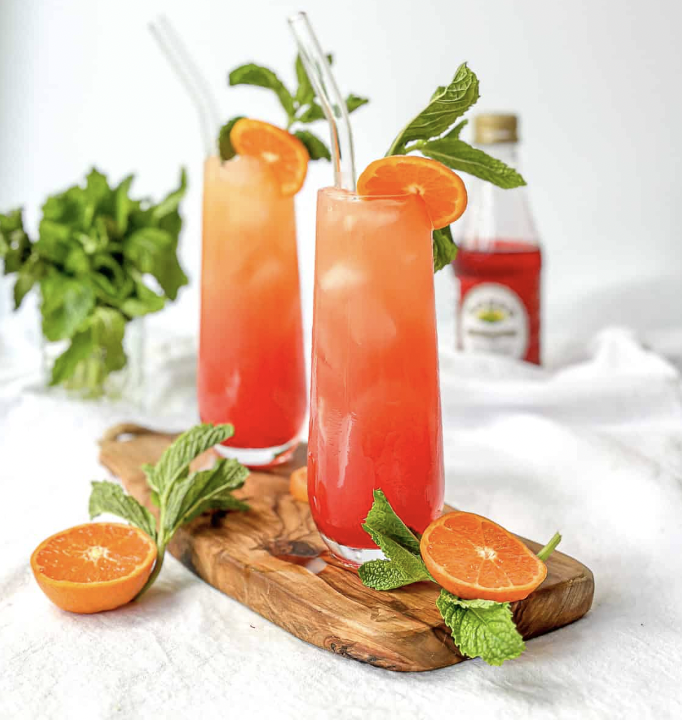
Professional Presentation: Invest in proper glassware and beautiful garnishes. The visual appeal should match or exceed that of alcoholic offerings.
Menu Design: Create detailed descriptions that highlight unique ingredients and flavor profiles. Consider pairing suggestions with food items. Many 5-star restaurants are now offering non-alc pairings as well as wine pairings, so for seated meals, consider offering non-alc wines, sparkling and beer as an option for guests.
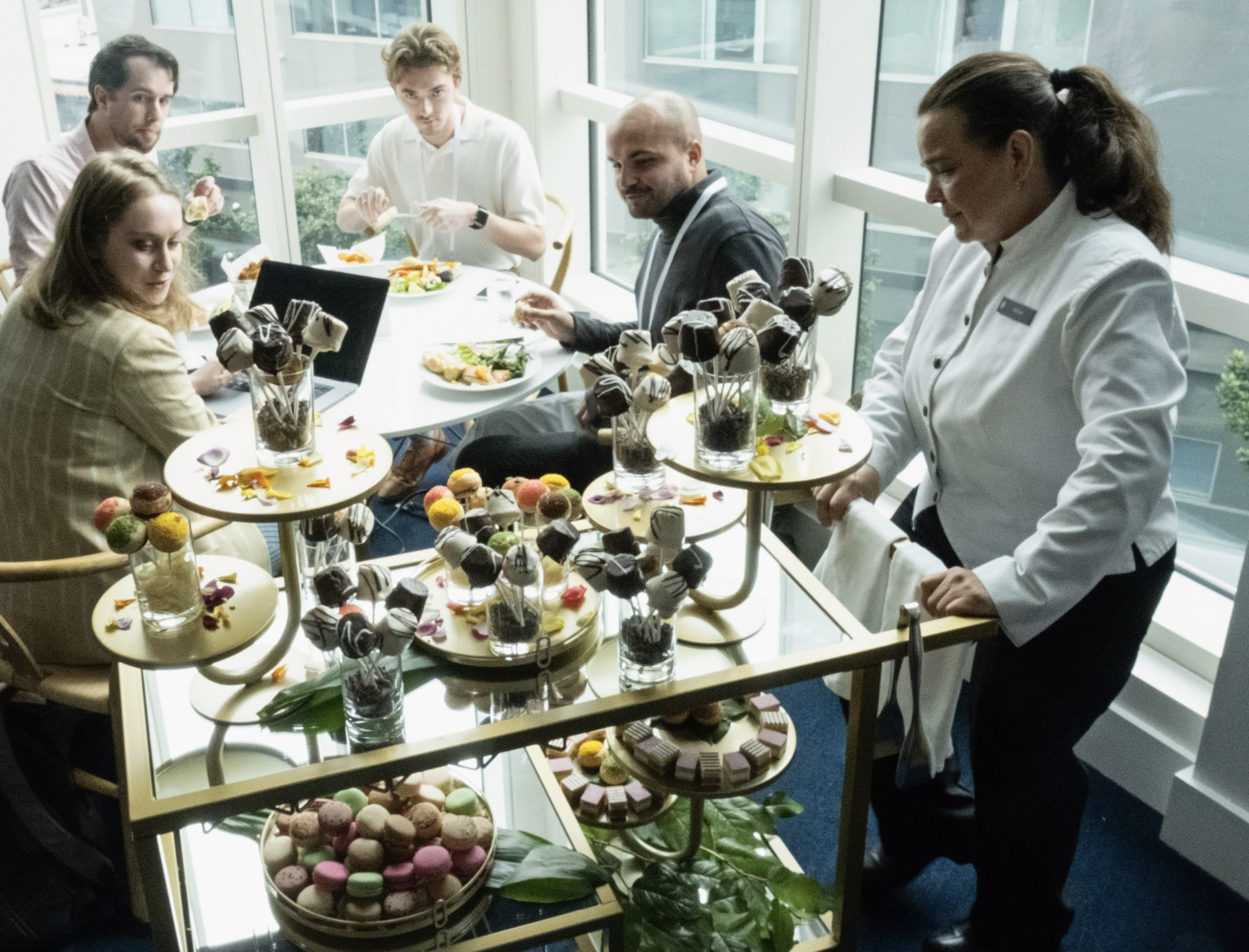
Consider them as additive to the experience: I have done “wellness carts” offering probiotic mocktails, adaptogen elixers and coconut water hydration beverages, hangover preventers, and collagen-boosters that any attendee can enjoy to enhance their experience, even if they are having an alcoholic beverage. PRO TIP: I’ve done dim sum style wellness carts pushed around offering 2 oz shots of beverages like these and they are always a HUGE hit!
Staff Training: Ensure your bartenders can speak knowledgeably about mocktail ingredients and preparation methods. Their enthusiasm can be contagious. I was in Miami last week and one of our servers confessed he no longer drinks and it became a bonding moment for us as we enjoyed a mocktail during “dry Jan”.
Consider breakfast, lunch or coffee/tea time events: For those who don’t drink, events at these times are much easier to go non-alc, and as a bonus, it will save you budget!
The Business Case
Investing in a robust zero-proof program isn't just about accommodation—it's about competitive advantage. With millennials and Gen Z comprising 75% of the workforce, organizations that thoughtfully cater to evolving preferences will stand out. But don’t forget to market it! Include your mocktail options in your invitation, and add a pre-event survey to ask preferences, indicating you’ll have options for those who don’t imbibe in the hard stuff. Moreover, inclusive beverage options can increase event participation and engagement while demonstrating corporate responsibility.
Gianna’s Gem: Consider this: Actively promoting the fact that you have a fabulous zero-proof menu can actually improve your event attendance! I have many friends who are business leaders and only attend one dinner a week where they’re expected to imbibe in alcohol. However, they do attend additional events if they know there are solid non-alc options that allow them to still function well the next day!
Looking Forward
The zero proof movement represents more than a passing trend. It's a fundamental shift in how we approach corporate hospitality. As event professionals, we have the opportunity—and responsibility—to shape this transformation. By embracing sophisticated non-alcoholic options, we're not just serving drinks; we're creating more inclusive, health-conscious, and engaging event experiences.
The question is no longer whether to include mocktails in your event planning, but how to make them an integral part of your beverage strategy. As we move forward, those who master this aspect of event planning will find themselves ahead of the curve in creating truly inclusive and contemporary event experiences that empower attendees to .
What ONE THING I’m Loving This Week: For all my favorite vendors, partners and products, visit: https://www.giannagaudini.com/gianna-recommends
As a reminder, this year I’m all about LESS IS MORE, and for 2025, I’m sharing just ONE thing I love this week.
Zbiotic drink - It seemed appropriate given the topic to resurface this amazing find. One of my best girlfriends shared her secret to how she attends wine-filled sales dinners and manages to never get a hangover (seriously, I was all ears!) She told me about Zbiotic, a drink that’s created from scientifically tested bacteria that help process alcohol faster (see how it works). So…I tried it and low and behold, woke up feeling fresh as a daisy! I’m sold. And with this link, you can take $20 off the product and put it to the test yourself!
Gianna’s Gems: Proprietary Events vs. Event Sponsorships: Making the Right Choice
After years of crafting event strategies for global brands, startups, and VCs that invest in both, one question consistently emerges: "Should we create our own event or sponsor an existing one?"
‘Tis the season for annual company strategy planning, and I’ve been reviewing multiple third party event prospectus’ and portfolio planning for 2025. So…for this week’s Gianna’s Gems, I'm breaking down the strategic considerations that will help you make the crucial decision between hosting your own events or spiringing for event sponsorships with confidence.
Understanding Your True Objectives
Before diving into the decision-making framework, let's acknowledge that both approaches can be powerful – but they serve different strategic goals. The key is aligning your choice with your intended outcomes while taking your budget, team resources and company’s maturity into consideration.
When Proprietary Events Shine
Building deep community engagement
Controlling the full attendee journey and audience
Generating content, photos video and customer interviews to use after the event in your campaigns or on your website/marketing materials
Creating unique branded experiences and testing innovative formats
Establishing thought leadership and relationships with key opinion formers, press, analysts and influencers
Launching major initiatives/products, and making company announcements
When Sponsorships Make Sense
Reaching pre-qualified audiences and executives who may not go to a smaller company’s hosted event
Testing new markets/personas
Avoiding the cost of not showing up where your competitors are / optics of being a player at the big events
Supporting partner brands and/or partnering with other brands to amplify reach and visibility
Managing resource constraints
Leveraging the third party’s brand and marketing to reach your audience and prospects and meet them at their watering holes
The Decision Framework
Now let's explore the key factors that should influence your choice for each primary objective below:
Brand Position & Story
Go Proprietary When:
Your brand has a unique story to tell
You're establishing category leadership (I was lucky to be part of a category launch with Airtable and hosting our first live event to announce it!)
You want to build relationships with press and analysts or investors
Your community seeks exclusive experiences
Choose Sponsorship When:
You're building market presence
Category authority comes from association
You're entering new verticals
Brand awareness is a primary goal
Audience Engagement
Go Proprietary When:
You have a highly engaged community
Direct customer relationships are crucial
Your audience seeks peer connection
You need deep attendee insights
Choose Sponsorship When:
You're prospecting new audiences
Broad reach matters more than depth
You're testing market response
Quick scale is important
Resource Considerations
Go Proprietary When:
You have an experienced cross-functional event team and a Head of Events with corporate events experience rather than field marketing events background
Long-term investment is available
You can commit to multi-year programs
You have strong vendor and partner relationships
You have a large customer database to invite
Choose Sponsorship When:
Internal resources are limited
You need quick market presence
Budget flexibility is important
You want to test before investing
You do not yet have a large and qualified customer invite base opted in to marketing and event invites
Making the Hybrid Approach Work
Sometimes, the answer isn't either/or – it's both. Enter The Portfolio Strategy: I love working with customers on building out and optimizing their event portfolios. Here is a sample strategy which is customized for each company.
Anchor with a proprietary flagship event
Support with strategic sponsorships
Use sponsorships to test new markets
Create proprietary activations within sponsored events
Evaluate the event portfolio to make sure it’s covering all of the target personas and funnel stages (or at least feeding them as part of an integrated marketing channel)
Another approach I often take, especially when working with younger startups just testing the water with their event marketing channel is The Evolution Strategy:
Start with sponsorships to understand the landscape and start building out the event framework and muscle internally
Create proprietary moments within sponsored events and establish strategic partnerships
Start with smaller proprietary events like Exec Dinners or roadshows
Scale above successful proprietary formats
As you build up your customer base and a more regular product launch schedule plus build a community, work towards your own hosted conference to drive internal alignment towards an external goal.
When it comes to Making the Decision: Below are some key questions I always ask:
Strategic Questions
What's our primary goal for the next 18-24 months?
Where are our target audiences already gathering?
What unique value can we bring to the market?
How does this fit into our broader marketing strategy?
Practical Questions
What internal resources can we dedicate?
What's our realistic timeline for impact?
How will we measure success?
What's our tolerance for risk and experimentation?
Finally - No matter what type of event strategy you’re crafting, I recommend establishing these Best Practices for either path:
For Proprietary Events
Start with a clear differentiation strategy
Build strong feedback loops (meet with sales team, survey feedback and ROI analysys)
Invest in community management
Plan for multi-year development
Create scalable formats
For Sponsorships
Choose partners aligned with your values and target audience
Negotiate for meaningful activation rights
Create unique experiences within the framework
Measure specific outcomes
Build relationships with organizers and get ahead of sponsorship launch dates so you can negotiate premium booth locations and MPOs.
The choice between proprietary events and sponsorships isn't just about resources or reach – it's about strategic alignment with your goals. Often, the most successful programs combine both approaches thoughtfully over time.
Remember: The best choice is the one that authentically connects with your audience while advancing your business objectives. Start with clear goals, be honest about your resources, and don't be afraid to evolve your approach as you learn.
What I’m loving this week: And for all my favorite vendors and partners visit: Gianna Recommends
Nutrition: I’m currently obsessed with Dr Gundry’s Primal Plant Powder. It tastes like green apple and it so delicious blended with my matcha lattes in the morning (plus I feel like I’m getting in an extra salad!) The powder is a Polyphenol-rich superfood greens blend with 11 of the most powerful vegetable polyphenols to help boost your energy and refresh your skin. It also contains nutrients like vitamin B6, which are important for brain health and can help improve mental clarity and focus. This can help you stay focused and productive throughout the day. I love natural energy enhancers and immune boosters like this!
Corporate Offsites and Retreats: I’ve had so much success partnering with Marco Experiences on corporate Offsites. They have not only been extremely responsive and positive to work with, but shave roughly 20-30% off average hotel budgets for my clients while serving up a variety of approachable options. You can take 10% off their service if you book through my VIP link (or mention my name when you schedule a demo and you’ll receive the 10% discount!). They can even assist with the event planning if you need extra support. Enjoy!
Gifting: It’s gifting season, so I’m re-featuring one of my favorite unique vendors for high quality gifting. I’m obsessed with Ostrich Pillow’s hot water bottle, heated neck wraps, and de-puff eye masks, but they have a variety of products that are the perfect gift for people who travel and appreciate comfort and luxury. Take 10% off you entire order via the code GGOstrich10.
Sweets: Siren Sweets is a delicious and beautiful line of plant-based, gourmet chocolates that are 100% customizable and perfect for gifting and events. Siren is a female-owned Bay Area company who makes their chocolates to-order in small batches. They will add any logo or design directly on their chocolate, making the most delicious gift for your employees or customers, perfect for company events, conferences, and social gifting. Even better, they have a super speedy turn-around and crave-able flavors that are vegan and gluten free. My favorites are Cookies & Cream, and Dark Chocolate Raspberry Almond Sea Salt. They will give you a 10% discount on any order if you name-drop Gianna Gaudini when you reach out to them by clicking here.
Read: Feeling overwhelmed? Check out this great read on the toxicity of over-productivity (I’m guilty as charged and personally trying to take at least one day a week off starting…now!)
Wishing you a cozy week and as always, reach out if I can be helpful!
XX,
Gianna

AI for Events - everyone says they’re doing it but does anyone really know what it is?
AI is the buzzword of the year…and I’m pretty sure I’m not the first piece of content you’ve read this week that’s focused on it.
“A.I. is like teenage sex,” says Frida Polli. “Everyone says they’re doing it, and nobody really knows what it is.”
Maybe that’s a bit of an exaggeration…but I still think it’s worth diving into practical applications of AI can help with events. TLDR; I prefer to liken AI as a “co-pilot” rather than replacement for humans…at least for now!
There are diverse perspectives regarding the use of AI and whether it will replace human capital in its current form. I still remember attending a TED event in Vancouver where scientist, Kai Fu Lee presented on AI and the future of work.
I’ll never forget when his slide which listed ten careers he felt would NOT be replaced by AI.
The two I remember vividly were:
1) CEO
2) Event Professional
These roles were said by Kai Fu to be AI-proof because they require a high degree of emotional intelligence to navigate the high-touch, complex, interpersonal navigation required for the role.
A great Head of Events is like the Conductor of a Symphony Orchestra who takes many instruments and leads them to do more than simply play notes. A great conductor inspires with passion, inflection and harmony in the individual musician, causing them to listen to each other and create a body of music that moves both those listening and those playing.
AI is like a highly intelligent intern to support your event planning. In today’s climate of reductions in workforce, remote teams, and a demand for great ideas, often without a team in the same office, AI can help generate ideas, frameworks, review data, or cut back on monotonous tasks that don’t require a high level of human oversight.
Below are the top ways I’m currently using AI to support my clients and my own practice and a few vendors you might be interested in checking out:
Timeline and task management:
AI can create detailed timelines and task lists, automatically updating and adjusting schedules based on progress. It can send reminders and flag potential conflicts or bottlenecks.
I love Anthropic’s Claude Pro for this! I’ll upload a few key documents and it can help combine and organize my key dates. It does still take my oversight to establish which are true “break points” and check for accuracy (think spell check - you still review the suggestions), but can help get the process started, which is often the hardest task.
AI-enhanced project management tools like Airtable, Asana, Trello, or Microsoft Project are also great and I have a sweet spot for Airtable since I formerly led their events and leveraged Airtable as a relational database that established relationships and dependencies between work streams on my events and flagged this to us once we programmed in the AI to do so.
Venue and vendor selection:
AI can analyze large datasets of venues and vendors, matching them to your event requirements, budget, and preferences. It can provide comparisons, ratings, and recommendations based on past events and reviews. I love BoomPop and Events.com for finding venues, evaluating competitive events and sponsorship opportunities.
Guest list management and communication:
AI can assist with creating and managing guest lists, sending personalized invitations, tracking RSVPs, and handling guest inquiries through chatbots or automated responses.
Check out my favorite platform for this, Gatsby, and if you mention the code: GIANNAISAWESOME20, they’ll even give you 20% off your first year with them! Gatsby can also configure your table seating plans based on “personas” and “rules” you create. I sure could have used it for my wedding!
Budgeting:
AI can help forecast costs, track expenses in real-time, and estimate budgets based on inputs like venue contracts and menus. It can also analyze past event data to predict potential budget overruns and areas for optimization.
That said, I have found that it often takes a hum Event Pro to optimize budgeting when it is customized and takes into account nuances that only a planner would know (like this specific venue over-serves by 5% and/or attendees at my company generally skip the breakfast, so we budget for 75% of the attendee count for that meal). But eventually, AI will get smart enough to learn this as well!
Offsite and experience design:
AI can analyze attendee data and inputs from planners (like cost, desired activities, location, personas and preferences) to suggest personalized experiences, such as tailored session/speaker recommendations, networking or activity opportunities, or menu options. It can also help create custom event apps or interactive elements to enhance engagement.
I love platform MarcoExperiences for this (drop my name and Marco will give you a discount). Others I have tried and enjoy are BoomPop and Retreat. For virtual offsites, I love working with TeamClass to plan custom activities based on what has resonated with attendees most in previous events (they will also give you 10% off if you mention my name).
Content Generation, Capture and Repurposing:
Honestly, this is a whole other blog post! In short, AI is excellent for drafting outlines for content, suggesting topics and speakers, and finding ways to “atomize” your content post-event.
I love the platform Gradual for customizing content for specific community members and personalizing sessions and content to meet attendee needs (drop my name for 10% off their services). Even OpenAi uses Gradual for their virtual events, so you know the Ai is high quality.
There are bespoke platforms to help with Automated transcription and translation (i.e. Otter.ai), AI-powered speech recognition can transcribe speeches, panel discussions, and presentations in real-time or post-event.
AI algorithms can analyze long-form content (such as conference talks or day-long events) and generate concise summaries to use for post-event reports, social media content, or quick recaps for attendees (check out Hubilo’s snackable content hub and use my discount code for 10% off here). Similarly, AI can analyze video footage to identify key moments, based on factors like audience reaction, speaker emphasis, or specific keywords and then create highlight reels or short clips for social media. It can also be used to personalize content recommendations for individual participants (and so much more)!
If you’d like my help navigating the brave new world of leveraging AI for your events, help auditing your current program or event tech stack, shoot me an email and let’s connect!