
Gianna's Gem: No More Group Trip Drama — How to Plan a Stress-Free Spring Break
Hi there,
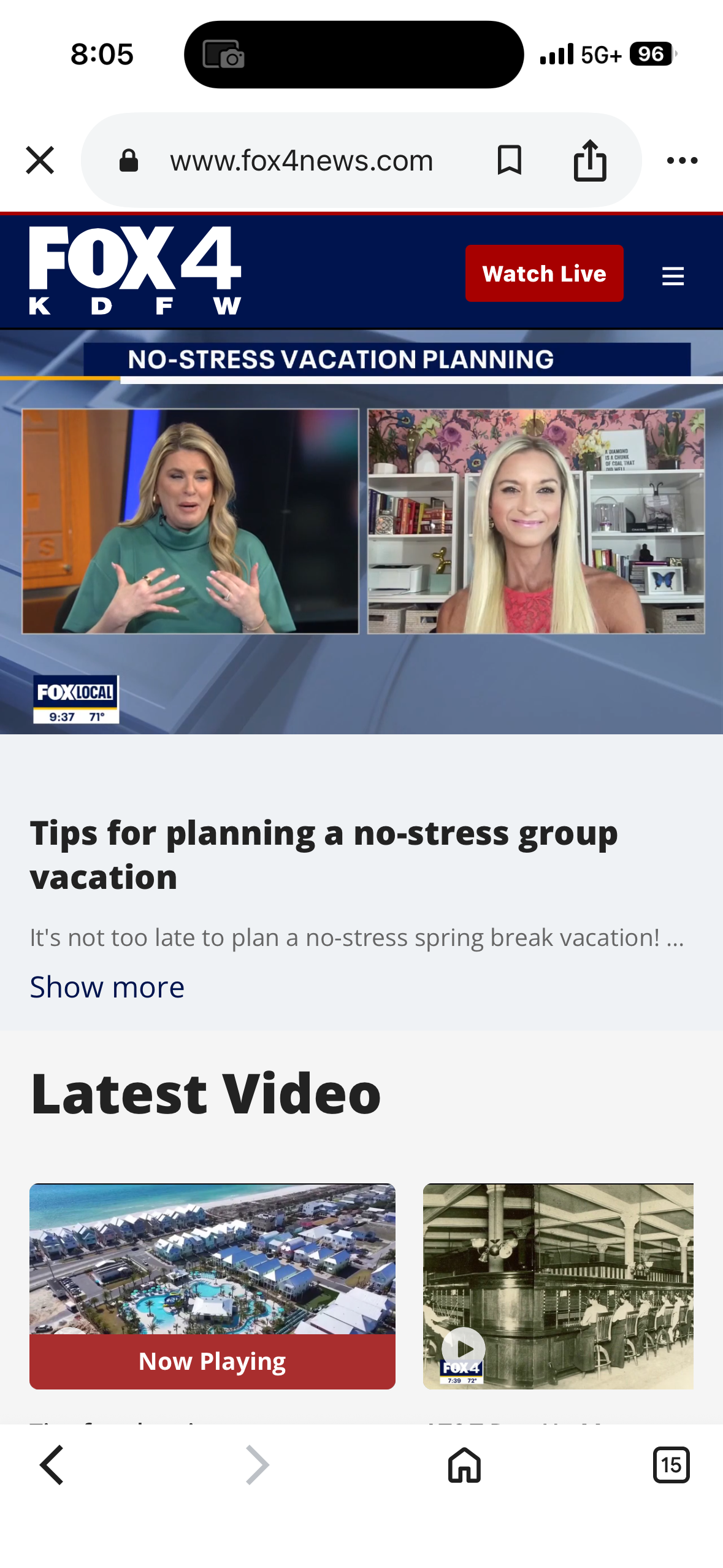
Last week I joined FOX 4's Good Day live to talk about planning group trips with out the stress, especially over spring break…my SMOOTH framework, what's trending, and the number one mistake people make when booking. (Spoiler: it's not reading the fine print. More on that in a sec.)
But here's what struck me while prepping for the segment: we spend weeks fantasizing about the destination and approximately 30 seconds thinking about the experience once we get there. We book the flights, lock in the hotel, and then show up and… wing it.
Sound familiar?
Whether you're planning a family trip to Hilo, a girls' trip to Key West, or a group getaway literally anywhere, the difference between a trip you'll talk about for years and one you'll spend recovering from comes down to one thing: intentionality before you go.
Gianna's Gem: A great trip, like a great event, doesn't happen by accident. It happens because someone asked "why" before they hit confirm.
Here's what I shared on air, and what I wish more people knew before they packed their bags…
***
Let me paint you a picture.
You've been planning this spring break trip (or insert 40th, 50th birthday, bachelorette, baby shower, wedding, etc) for months. The group chat is buzzing. Everyone's excited. You found a great hotel, locked in flights, and somehow managed to get eight adults to agree on the same week off. Miracle achieved.
And then the trip ends.
And you spend the next three weeks texting the same two people "Hey, just following up on that Venmo 😅" while silently stewing over the friend who paid you $100 short and never mentioned it, the one who bailed on the activity everyone else already paid for, and the dinner where someone ordered the Wagyu and Caviar and a bottle of Barolo and then suggested "let's just split it evenly."
Sound familiar?
Here's what I've learned after 23+ years planning events for Google, AWS, SoftBank, and Airtable (and after navigating more than a few chaotic group trips as a regular human with actual friends); the number one reason group trips go sideways has nothing to do with the destination, the rental, or even the weather.
It's the “let’s get on the same page” conversation nobody wanted to have before everyone left.
The good news? It doesn't have to be awkward. It doesn't have to be complicated. And it absolutely does not have to end in a Venmo chase that quietly strains a friendship for six months.
Today I'm sharing my SMOOTH trip acronym aka the six-step framework I use to plan group trips that are genuinely stress-free, financially clean, and actually fun from start to finish. These same rules work great for any other type of social event, so apply generously.
Gianna's Gem: The secret to splitting costs and planning an itinerary without awkwardness isn't finding the right app. It's having the right conversation before anyone books anything.
Why Group Trips Go Wrong (It's Not What You Think)
Most people assume group trip drama comes from personality clashes, i.e. the friend who's always late, the one who wants to do everything, the one who wants to do nothing. And yes, those tensions are real.
But in my experience, the real culprit is almost always unspoken assumptions about money and group activities.
One person assumes the trip is a "budget trip." Another secretly planned to splurge. One person wants a group activity every day. Another came specifically to decompress and do nothing. Nobody said any of this out loud before booking, so everyone arrived with different expectations and nobody had a framework for resolving them.
The fix isn't finding more patient friends. It's creating structure upfront that makes expectations visible, financial commitments clear, and the whole experience more enjoyable for everyone, including you, the person who probably did most of the planning.
Here's how to do it: The SMOOTH Framework for Stress-Free Group Travel Plans
S — Survey First, Spend Later
M — Menu Magic (Prix-Fixe Is Your Best Friend)
O — One Group Activity, Max
O — Open Tabs for the Easy Stuff
T — Tech Does the Heavy Lifting
H — Handle It Upfront, Always
S: Survey First, Spend Later
Before a single reservation is made, send a quick Google Form to your group. I know it sounds overly formal for a friends trip, but I promise you: ten minutes of setup saves ten arguments later.
Ask three things:
1. What's your budget? Give a range so nobody feels put on the spot and for specifics like hotel, dinner, activities. ("Under $300/night per person," "$300–500," "Flexible for the right experience.") People will answer honestly when they're not being asked in front of the group.
2. What are your dietary restrictions and food preferences? Vegan? Gluten-free? Shellfish allergy? Pregnant? Kosher? "I don't do spicy"? Get this info now and ask for brutal honesty! Not when you're standing outside a restaurant at 7pm with a hungry, opinionated group and someone quietly mentions they can't eat half the menu.
3. Do you prefer group meals for every meal, or flexibility during the day?
My personal recommendation, built from years of planning experiences for everyone from Google executives to groups of close friends: have guests handle and pay for breakfast and lunch individually, and plan one group dinner per evening.
This gives your early risers, late sleepers, solo adventurers, and spontaneous wanderers complete freedom during the day (most people have different needs for breakfast and lunch or don’t eat one or both, but virtually everyone eats dinner) and then everyone comes back together at night, which is honestly when the best stories surface anyway. The day belongs to the individual. The evening belongs to the group.
Once you have your survey responses, don't spend hours researching restaurants yourself. Drop your group size, dietary needs, budget, and destination into AI (ChatGPT or Claude both work beautifully for this) and ask the prompt: "What are the best group-friendly restaurants within X miles of [location], with prix-fixe or set menus, under $Y per person, that accommodate [dietary needs]?" You'll have a curated shortlist in minutes that would have taken you hours to compile on your own.
Gianna's Gem: The survey isn't just a logistics tool, it's an act of care. When people feel seen and considered before the trip starts, they show up with more generosity and far less grievance.
And here's something worth sitting with: the "picky friend" every group has (true story, I once had a guest at a corporate event share an entire Google doc with her specific dietary needs including which egg preparations were acceptable) is actually doing you a favor. They're forcing you to plan more intentionally. The picky friend isn't the problem. The last-minute conversation is.
When you ask in advance, everyone feels considered. When you find out at the table, someone feels like a burden. Same information, completely different energy.
M: Menu Magic: Prix-Fixe Is Your Best Friend
This is the single biggest cost-splitting strategy I use for group trips.
When you're booking your group dinners, always ask if the restaurant offers a group or prix-fixe menu. Many do, and if they don't advertise one, they'll often create a custom set menu if you call ahead and ask nicely. Restaurants love groups who come prepared. It makes their job easier, and you'll often get better service as a result..
A set menu at a fixed price per person eliminates the single greatest sources of group dinner tension: the bill and the time it takes to make decisions.
No more "wait, did you get an appetizer?" No more mental math at the table. No more that moment where one person suggests splitting evenly and another person who ordered a salad and a water visibly tenses up. Everyone knows the cost before they sit down, and it was already paid before they left home.
If you plan a group menu, my pro tip (which I use for corporate events as well) is to offer a communal menu with several mains and sides (i.e. a fish, vegetarian and meat option, two veggie sides and a sinful carb-heavy side) so that everyone can find at least one main and one side they can eat. Not only does this satisfy everyone’s needs, but communal menus feel much more social as they promote sharing and bonding as people pass the food from one to the other.
When you price out the set menu, build in one - two drinks per person per hour for however long you plan to dine. If it's wine, a good rule of thumb: one bottle equals one glass each for four guests. Bake that into the per-person price upfront so the bar tab never becomes a surprise.
My favorite tip: Leave dessert deliberately off the set menu. Not everyone wants it, it's easy and inexpensive to pay for individually, and it gives your group an organic reason to wander somewhere for after-dinner drinks or gelato, which is spontaneous, delightful, and pays for itself. Some of the best moments of any group trip happen in that unplanned hour after dinner when nobody has anywhere to be.
Gianna's Gem: When everyone knows the cost before they sit down, and it's already paid, dinner becomes a communal gathering for breaking bread instead of a transaction that leave a bad taste in your mouth.
As an example, Will Guidara recognized how painful it was for Eleven Madison Park’s dinner guests to receive the bill after a wonderful Michelin star dinner, so he eased the pain by leaving a bottle of very high end whiskey on the table with the bill and telling guests they could drink as much as they wanted and take their time with the bill. Similarly, you could ask guests for a “buffer/slush fund” in case there are any extra expenses, but then after the trip “refund people” for anything unspent. How nice to come home from a trip and get money back?
O: One Group Activity, Max
This one might be the most counterintuitive piece of advice I give, but it's the one that makes the biggest difference.
Stop trying to plan seven group activities. I know it feels like more planning equals more fun. It doesn't. It equals more logistics, more money conversations, more opportunities for someone to drop out of something everyone already paid for, and more resentment when the itinerary leaves no room to breathe.
Here's the truth that I share with all of my clients, both for corporate and social events: people can really only remember a MAXIMUM THREE things from any event (including a trip). So if you're planning seven group activities, you're not creating seven memories you're creating one exhausted, slightly annoyed travel group. I remember a group trip to Hawaii once where our host thought he was being a star by booking activities non-stop every day, and all of us ended up revolting and insisting on just having a beach day, so less is more with groups.
My rule is if you’re going to plan in advance, pick one signature group activity. Make it special and memorable, i.e. a sunrise hot air balloon ride, a wine tasting with lunch pairing at a very special winery with a view, a chartered boat to a private beach. Something people will still be talking about in five years and would be hard to plan on their own in smaller groups. Then leave the rest of the time unscheduled. Let people sleep in, explore solo, find their own magic in smaller groups serendipitously.
They'll come back to group dinner that night with actual stories to tell instead of just surviving the itinerary together or getting over-scheduling fatigue.
And a bonus pro tip: I do this for events with multiple breakout sessions in the afternoon: Ask people at dinner to report back on one amazing “happy experience” they had that day to share with the group. This will allow others to live vicariously and potentially try out that activity on their own the next day, and also increase happiness in recalling the day’s events and adventures together over a shared meal.
This approach cuts the number of money conversations in half, honors the introverts and the spontaneous explorers in your group, and still delivers that one collective experience that bonds everyone for years.
Gianna's Gem: One extraordinary shared moment beats five mediocre scheduled ones every single time. Choose depth over density.
O: Open Tabs for the Easy Stuff
Not everything needs to be split with mathematical precision. In fact, trying to collect and divide every single expense is exactly where the Venmo chase begins.
Some things are simply easier, and more pleasant, when everyone just pays for themselves:
Breakfast and lunch (handled individually, as discussed above)
Souvenirs and shopping
Spa treatments or personal experiences
After-dinner drinks and dessert
Any activities people opt into on their own
When people can self-select into what they spend, they feel respected, not managed. And you won't be sitting at the end of the trip trying to figure out who owes you $14 for the snack run.
The goal isn't to account for every dollar. It's to identify the expenses that benefit from upfront collective planning, and let everything else be free.
T: Tech Does the Heavy Lifting
You don't need to be your group's human calculator. Here's the toolkit that makes all of this effortless:
Google Forms for the pre-trip survey. Free, easy, and everyone already knows how to use it. Anonymous response options help people share honest budget preferences without awkwardness.
Chat GPT or Claude for restaurant and activity research. Feed in your group size, dietary needs, budget, and location and ask for recommendations. AI finds options in minutes that would take you hours to research, and it can factor in distance, budget, and cuisine preferences simultaneously.
Splitwise (not Venmo) for any shared expenses that do come up mid-trip. Venmo is great for one-off payments between two people. Splitwise is built for group dynamics: it tracks running balances over time, so nobody has to do math in real time and you can settle everything in one go at the end. That said, if you collect everything upfront the way I'm describing, you'll barely need it.
H: Handle It Upfront, Always
Here's the rule I live by, whether I'm planning a 30,000-person conference or a group of eight friends on a beach trip: collect money before the experience, never after.
Once people have had the fun and gone home, the enthusiasm evaporates. They're back at work, back in their routine, and that Venmo request is now a low-grade irritant rather than an enthusiastic contribution to something they're looking forward to.
Here's the script I use once a reservation is confirmed:
"Hey everyone! Dinner at [Restaurant] on Thursday is set. It's $[X] per person including one drink per hour. Please Venmo me by [date] to hold your spot."
That's it. No chasing. No awkwardness. People pay when they're excited and anticipating the trip, and the deadline creates gentle accountability without any confrontation.
Same principle for group activities: book it, confirm the price, send a message, collect before departure.
If someone doesn't pay by the deadline, you have the information you need to adjust the reservation before it costs anyone anything. Which is infinitely better than absorbing the cost yourself and quietly resenting it for months.
Gianna's Gem: Money collected before the trip is never awkward. Money chased after the trip is always awkward. Handle it upfront, every single time.
The Biggest Group Trip Mistake (And How to Avoid It)
I've planned and attended a lot of group trips. And the mistake I see most consistently across friend groups, family trips, corporate retreats, and everything in between is over-scheduling.
People assume that planning more equals more fun. More activities, more reservations, more structured time together. In reality, just like events planned with no “open space”, it equals more stress, more money conversations, more resentment when someone doesn't want to do the thing everyone else just paid for, and less of the spontaneous magic that makes travel memorable in the first place.
The irony is that the trips people remember most fondly are almost never the ones where every hour was accounted for. They're the ones where there was space to wander, to linger over coffee, to discover something unplanned, to actually talk to the people they came with.
Survey your group. Plan one signature activity. Fill in the group dinners. Then put the planning document away. Trust that the best moments of the trip will happen in the spaces between the plans. They almost always do.
Do this and you'll spend spring break making memories and taking happy group photos, not chasing Venmos.
You've got this.
XX, Gianna
Gianna Gaudini is an event strategist, advisor, and author of the Amazon bestselling book "The Art of Event Planning." She's held leadership roles at Google, AWS, SoftBank Vision Fund, and Airtable, creating unforgettable experiences that drive business results. For more insights on creating exceptional events and experiences, visit GiannaGaudini.com or connect with her on LinkedIn or Instagram.
Want to work with Gianna and learn more frameworks for reating the gold standard in events and experiences? Visit giannagaudini.com/learn-from-me
Gianna's Gem: Imagine...Your most underrated superpower
Hi there,
This past weekend, I went on a hike with my family to enjoy the first day of nice weather in a few weeks. No agenda, no deliverables, no Wi-Fi. Just trail, trees, and the three of us.
Somewhere between the first hill and the second water break, we stumbled into one of the most energizing conversations I've had in months… and it started with a single word: imagine.
Here's how it went. I turned to my family and said, "Let's play a game. Everyone has to start their sentence with 'imagine' and finish it however they want. Anything goes."
At first, there was a beat of silence… that slightly skeptical pause you get before someone decides to play along. And then the floodgates opened.
"Imagine if plants could talk… what would they be saying?"
"Imagine if we aged in reverse…so your wisest years were also your youngest."
"Imagine if there were no airplanes… would we still know people from other continents…would we still travel just in super high speed underground tubes?"
"Imagine… what the world will be like in 200 years."
"Imagine… if we had pet dinosaurs"
What followed was one of the richest, most joyful conversations we'd had in a long time. Questions led to theories. Theories led to philosophy. Philosophy led to laughter. We talked about time, about connection, about what we take for granted, about what the world could look like if we just tilted the lens a few degrees.
By the time we finished the hike, we were buzzing and not from caffeine or screens, but from the sheer exhilaration of thinking freely. Of imagining without limits. It was like a “runners high” for the brain.
And I couldn't stop thinking: why don't we do this more? And why aren't we doing this in our events?
Gianna's Gem: Imagination isn't child's play. It's the most powerful tool you have, AND it may be the most underused one in your professional life.
What Imagination Actually Does to Your Brain
Here's what's fascinating: when you engage in imaginative thinking, really letting yourself explore "what if", your brain activates the default mode network, the same neural system linked to creativity, empathy, and problem-solving. It's the opposite of the task-focused, heads-down mode most of us live in all day.
Imagination literally rewires how you see problems. It creates distance between you and your current reality, which is exactly the perspective you need to innovate, to design something new, to ask a question nobody has thought to ask.
Research shows that people who regularly engage in imaginative thinking… daydreaming, hypothetical play, creative exploration… demonstrate higher levels of empathy, resilience, and creative output. They're better at connecting disparate ideas. They're better at reading the room. They're better at solving problems that don't yet have a name.
And yet, most of us leave imagination at the door the moment we open our laptops.
Gianna's Gem: Imagination is not a soft skill. It's a cognitive superpower that sharpens every other skill you have.
Why We've Stopped Imagining
I doubt anyone would argue that we’re living in an era of notifications, to-do lists, back-to-back Zooms, and information that never stops coming like waves infinitely crashing in the ocean. The average adult makes over 35,000 decisions per day. Our brains are running full throttle just to keep up with reality…let alone to imagine a different one.
And then there's the cultural piece. Somewhere along the way, we started equating imagination with impracticality. We stopped asking "what if?" because someone, somewhere, told us it wasn't useful. That we needed to be realistic. That we needed a plan. Compared to the students who were obedient task masters, how often were the daydreamers in class rewarded for thinking creatively, even if at a slower pace?
But here's what I've learned after 23+ years in event planning: the people who create the most extraordinary events, the most innovative companies, the most meaningful lives… they are the ones who never stopped imagining. They just got better at building the bridge between imagination and execution.
My hike this weekend reminded me that imagination doesn't require resources or a strategy deck. It just requires the willingness to start a sentence with "imagine" and see where it takes you.
Gianna's Gem: The gap between a forgettable event and a transformative one is almost always found in the imagination of its creator.
Why I Think Imagination is the Missing Ingredient in Events
Here's something I've been sitting with since that hike: the events that have stayed with me the longes, the ones I still talk about years later, all had one thing in common. Someone, somewhere in the planning process, asked a truly imaginative question.
Not "what worked last year?" But: what if we flipped the whole format?
Not "what's the standard keynote setup?" But: what if the speaker never touched a stage?
Not "how do we make an incremental improvement" But: what if we took a moonshot this year?
Imagination in events shows up at three levels, and most planners only ever touch the first one.
Level One: The Format
This is where imagination is most underused. We default to formats because they're familiar; a welcome reception, a general session, breakout tracks, a closing dinner. And while structure matters, structure without imagination produces events that feel like every other event.
Ask imaginative questions about your format: Imagine if attendees never sat in a row facing a stage. What would they do instead? Imagine if the most important conversation of the event happened not in a session, but in an elevator or on a walking trail. How do we design for that? Imagine if we built the schedule backwards, starting from the feeling we want people to have when they leave and working forward. What would change?
When I was at Airtable, Google, and SoftBank Vision Fund, we radically reimagined what a user conference format could be, and the results were exactly what you'd expect when imagination takes the wheel: sessions that people remember years later, connections that turned into partnerships, and a community that felt genuinely built rather than assembled.
Level Two: The Creative Concepts
This is where most event planners spend their creative energy… and it's important. The theme. The visual identity. The surprise moments. The unexpected delight.
But even here, imagination is often constrained by "what's been done before." We look at Pinterest boards and past events and industry trends, which is useful, but it's also a ceiling.
True imaginative creative concepting starts not with inspiration boards, but with questions. Imagine if every element of this event told the same story. What story would we tell? Imagine if the venue itself was a character. What would it say? Imagine if every attendee left with one image burned into their memory. What would that image be?
Level Three: The Attendee Experience
This is where imagination becomes your greatest differentiator, and where it's most often forgotten.
Most event planners design for the average attendee. But imagination asks: imagine if we designed for the most introverted person in the room. What would change? Imagine if we designed for the person who almost didn't come. What would make them feel it was the best decision they made all year?
When you imagine the full range of human experience in your room, the person who's nervous, the one who's grieving, the one who flew six hours to be there, the one who's skeptical, the one who's desperate for connection, you start designing with a depth that people feel before they can even name it.
I used to plan the Women’s Events for Google and I remember coming up with creative concepts… a menu key for pregnant women (no aged cheese, raw fish, cured meats), a twist on the opening keynote which started in the evening after school duties were finished and featured passed champagne, caviar and chocolate tasting as women headed into the keynote…I even hired a technical crew that was 100% female and one of our performers gave that detail a shout-out during her fireside chat with Google’s CMO! I knew my audience and delighted them by catering to their very specific needs.
Gianna's Gem: Great event design starts with imaginative questions, not logistical answers. What if you spent 30 minutes imagining before you started planning?
How to Bring Imagination Into Your Events
Here are five concrete ways to infuse imagination into your event planning process and the experiences you create for attendees:
1. Start every planning session with an "Imagine" round. Before you open your budget doc or your run-of-show template, gather your team for five minutes of unrestricted imagination. Go around the table (or the Zoom) and have everyone finish the sentence: "Imagine if this event…" No filters, no practicality. Just possibility. You'll be surprised what surfaces.
2. Design at least one "What if" moment into every event. This is a moment that breaks the expected pattern and invites attendees to see something differently. It could be a question posed during a keynote with no answer given, or a session that starts with silence, or an activity that requires people to use their hands instead of their voices. One well-designed moment of imagination can shift the entire energy of a room.
3. Use imaginative prompts to facilitate connection. Take a page from my family hike. Conversation cards, imaginative icebreakers, or even a prompt projected on a screen during a networking reception can open people up far more than "so, what do you do?" Some of my favorites to use at events: Imagine if you could have dinner with any historical figure…who and why? Imagine if your company didn't exist… what problem would go unsolved? Imagine what you'd be doing if money were no object. These prompts create the conditions for real conversation, and real conversation is the whole point.
4. Build "imagine" spaces into your physical environment. Create literal spaces at your event that invite reflection and imagination: i.e. a lego wall where people can build their "imagine if" responses. Give people permission to slow down and think expansively, even in the middle of a packed conference day and in formats that utilize different brain pathways than usual.
5. End with imagination, not logistics. Most events end with "thank you for being here, safe travels." Instead, try closing with an imaginative prompt that sends people home thinking: "Imagine what becomes possible if you implement one thing you learned today. What would that be?" or "Imagine yourself one year from now. What does success look like?" This transforms your closing from a formality into a launchpad for real change.
How to Bring Imagination Into Your Own Life
What happened on that hike wasn't just fun. It was a reminder that imagination is a muscle… and like every muscle, it atrophies when you don't use it.
Here's how to start exercising it:
Play the "Imagine" game. You don't need a trail in the woods. You can do this at the dinner table, on a walk, in the car, or even solo in a journal. Start with "imagine if…" and let yourself go anywhere. The sillier and more unexpected, the better. Imagine if you had to describe your day to someone from 1850. Imagine if your morning routine were broadcast as a TV show. Imagine if your biggest professional challenge were actually a gift in disguise. What comes up?
Give yourself unstructured time. Imagination needs white space. When every minute is scheduled and every thought is task-oriented, there's no room for the creative brain to wander. Protect time, even 20 minutes a day, where you're not producing anything. Walk without a podcast. Sit without your phone. Meditate then visualize for 20 minutes…Let your mind go somewhere unexpected.
Ask "what if" before you ask "how." In our professional lives, we rush to execution. But imagination lives in the "what if" phase. Before you jump to solutions, spend time in the question. What if we approached this completely differently? What if the constraint we think we have isn't actually real? What if the answer is the opposite of what we're assuming?
Surround yourself with imaginative people. My family reminded me this weekend that imagination is contagious. When one person starts a sentence with "imagine," something unlocks for everyone in the room. Seek out conversations with people who think expansively. Read widely. Watch things that challenge your assumptions. Imagination loves company.
Be willing to look a little silly. The reason we stop imagining as adults is often fear…fear of being impractical, of being wrong, of being the only one willing to say something weird. But the most imaginative ideas always sound a little strange at first. Give yourself permission to follow the thought before you judge it.
On that hike, my family and I covered maybe four miles of trail. But imaginatively, we covered light-years. We talked about worlds that don't exist and futures that might. We laughed at absurdities and got unexpectedly philosophical. We connected…and not around logistics or schedules or to-do lists, but around the expansive, joyful act of imagining together.
And when we got back to the car, I had more ideas: for events, for life, for this very Gem… than I'd had all week.
Imagination doesn't require a special location, a big budget, or a lot of time. It just requires the willingness to start with two words: Imagine if.
So here's my challenge to you this week: Start one sentence with "imagine" and see where it takes you. In your next planning session. At your next dinner table. On your next walk.
Because I promise you this: the best events you will ever create, and the most expansive life you will ever live, begin not with a spreadsheet or a strategy deck, but with a simple act of imagination.
You've got this.
XX, Gianna
What I'm Loving This Week: And for all my favorite vendors, partners and products, visit: giannagaudini.com/gianna-recommends
Red Bull Showrun San Francisco: This past Saturday, something happened in my backyard that I can't stop sharing with people… and it's the perfect proof of everything I wrote above.
Forty thousand people packed Marina Boulevard as Red Bull transformed one of San Francisco's most serene waterfront stretches into a four-hour wall of engine noise, burnt rubber, and sheer, collective joy. The San Francisco Standard F1 cars ripping down a street where people normally walk their dogs and I normally do my morning jog. Thick tire smoke hanging over the Golden Gate Bridge backdrop. Fans climbing trees and scaling roofs The San Francisco Standard just to catch a glimpse. Free admission. No tickets required. Just pure spectacle.
And here's what struck me most: Yuki Tsunoda, the young Japanese F1 driver behind the wheel, put it perfectly — "Driving an F1 car in San Francisco next to the sea is something that you only imagine. A dream." The San Francisco Standard
Something you only imagine. Yes. Exactly. That's the whole point.
Someone, somewhere, had to first imagine that a quiet Marina street could become a racetrack. That a neighborhood known for brunch and strollers could hold forty thousand screaming fans. That you could give people a world-class motorsport experience for free, on a Saturday afternoon, with the Golden Gate Bridge as your backdrop. The logistics came later. The imagination came first.
This is what I want for all of us, as event creators and as humans. The audacity to imagine something that makes people stop and say: wait, they actually did that? Red Bull didn't ask whether Marina Boulevard was a "realistic" venue. They asked: imagine if it were. And then they built it. That's the whole game. Start with imagination. The rest follows.
Gianna Gaudini is an event strategist, advisor, and author of the Amazon bestselling book "The Art of Event Planning." She's held leadership roles at Google, AWS, SoftBank Vision Fund, and Airtable, creating unforgettable experiences that drive business results. For more insights on creating exceptional events, visit GiannaGaudini.com or connect with her on LinkedIn.
Want to work with Gianna or take her Event Planning Masterclass? Visitgiannagaudini.com/learn-from-me
Gianna's Gem: Nervous System Regulation- the Secret Weapon Event Planners and Their Attendees Need
Hi there,
Last week, I had one of those conversations that stops you in your tracks. I’ve wanted to write about nervous system regulation for a while and this conversation convinced me of the need to share about why it can be a life strategy and also a business strategy you may never have considered but need to if you want durability…in your own life, and in your business.
I was catching up with an industry colleague who just finished running her company's activation at AWS re:Invent…you know, that 60,000-person conference I've written about before that's essentially Disneyland meets the Super Bowl for tech folks.
"Gianna," she said, "re:Invent is always such an assault on the nervous system. The crowds, the noise, the overstimulation, the constant 'on' energy... by day three, everyone (attendees AND our booth staff) is always completely fried." I agreed with her, commiserating about this week-after-Thanksgiving assault of the nervous system (Vegas, crowds, holidays) during the busiest time of the year.
Then she told me something brilliant.
This year, her company partnered with a client to create something different: a nervous system regulation lounge right on the expo floor. In the tech world of grind-culture, this was a HUGE RISK, but it resonated deeply with attendees and booth staff and was a wild success! Not another branded booth with product demos and lead capture forms. An actual sanctuary designed specifically to help people downshift from sympathetic (fight-or-flight) to parasympathetic (rest-and-digest) nervous system states when they needed it most. For anyone who’s tried to catch an Uber during this event just to get back to your hotel room for a 15 minute meditation or disco nap, and found the wait to be an hour, you know what I mean!
The results? Wildly successful with attendees who literally queued up to experience some relief! But here's what really caught my attention: her booth staff reported that after spending time in the regulation lounge during their breaks, they felt calmer, more grounded, and had more strategic, meaningful conversations with prospects, which directly drove better business results.
Let me say that again: Creating space for nervous system regulation didn't just feel good. It drove revenue. MIND. BLOWN.
We can take care of ourselves and win the business too!
This conversation crystallized something I've been thinking about for years but haven't yet written about: the absolute necessity of nervous system regulation—both for us as event and tech professionals navigating high-stress industries, and for the attendees we're designing experiences for.
The Science: What Your Nervous System Is Actually Doing (And Why It Matters)
Before we dive into solutions, let's talk about what's happening in your body when you're planning that conference, managing that crisis, or standing on an expo floor for 10 hours straight.
Your autonomic nervous system has two main branches:
The Sympathetic Nervous System (SNS) is your accelerator. It activates when you perceive threat or stress, triggering the famous fight-or-flight response. Heart rate increases. Cortisol and adrenaline flood your system. Blood flow redirects from your digestive system and prefrontal cortex (the part of your brain responsible for complex thinking, emotional regulation, and decision-making) to your muscles. You become hyper-vigilant, reactive, and focused on survival.
The Parasympathetic Nervous System (PNS) is your brake. It activates during safety and calm, triggering rest-and-digest mode. Heart rate slows. Cortisol drops. Blood flow returns to your digestive system and prefrontal cortex. You can think clearly, make strategic decisions, connect authentically with others, and access your creativity.
Here's the problem: modern event planning (and attending intensely stimulating events) keeps us in chronic SNS activation.
Tight deadlines. Budget pressures. Last-minute vendor changes. Stakeholder demands. Technology failures. And for attendees? Overwhelming crowds. Sensory overload. Back-to-back sessions. FOMO about missing the "right" networking opportunity. The pressure to be "on" and perform.
When your Sympathetic Nervous System is chronically activated, several things happen:
Your decision-making deteriorates. That prefrontal cortex shutdown means you're operating from your reptilian brain—reactive instead of strategic.
Your creativity evaporates. Innovation requires the cognitive space that SNS activation eliminates.
Your emotional regulation fails. You snap at your team. You catastrophize problems. You lose perspective.
Your body breaks down. Chronic cortisol wreaks havoc on everything from your immune system to your sleep quality to your digestive health.
Your relationships suffer. When you're in fight-or-flight, you can't attune to others. Authentic connection becomes impossible.
And here's what hit me hardest about my colleague's story: If this is true for us as planners, it's equally true for our attendees.
The Event Planner Paradox: We're Dysregulated While Designing Experiences
Let's get real for a moment. How many of you have:
Responded to an email at 11 PM while your heart was racing about tomorrow's site visit?
Eaten lunch standing up in three minutes between back-to-back calls or skipped it completely or…eaten but not really felt like you were aware of eating?
Felt your chest tighten when you saw your inbox hit 150+ unread messages?
Had trouble falling asleep because your brain was spinning through the event run-of-show?
Snapped at your partner/kids/team because you were stretched so thin?
Felt simultaneously exhausted and wired, unable to truly relax even on "off" days?
This isn't just stress. This is nervous system dysregulation. And it's not sustainable.
I learned this the hard way. During my years at Google, Softbank, AWS, Airtable… I was executing flawlessly on the outside while slowly burning out on the inside. I was checking every box, meeting every deadline, exceeding every expectation—while my body was screaming for me to slow down.
The wake up call came for me when I was trying to conceive my son. After multiple costly failed attempted to conceive, including rounds of IVF, I finally caved and took a full month of unused vacation time to see if that would help. Sure enough, that’s when I conceived. My work kept me in such a state of chronic fight or flight, I needed a full month “off” from work for my body to feel safe enough to carry a child.
Was it a heart attack? No. It was a panic attack—my nervous system finally waving the white flag after months of chronic activation.
That moment changed everything for me. I realized that my "I'll rest after this event" mentality was fundamentally broken. Because in this industry, there's always another event. Another deadline. Another crisis. Another email waiting to be responded to…
Gianna's Gem: You cannot pour from an empty nervous system. The quality of the experiences you create is directly related to the state of your own regulation.
Why Tech and VC Professionals Need This Even More
If you're reading this and working in tech, venture capital, or similarly high-velocity industries, you're facing a perfect storm of nervous system stressors:
Constant Context-Switching: Moving between Slack, email, Zoom, Notion, pitch decks, and product demos keeps your brain in a state of fragmented attention that's neurologically exhausting.
Always-On Culture: The expectation that you're available across time zones, responding to messages at all hours, attending "optional" evening events that aren't really optional.
High-Stakes Decision-Making: Whether you're deciding which startup to fund or which product feature to prioritize, the cognitive load is immense—and it's happening while your nervous system is already taxed.
FOMO and Competitive Pressure: The fear that you're missing the next big thing, that your competitor just closed a deal you should have seen, that you're not networking enough/shipping fast enough/scaling quickly enough.
Event Overload: Between investor dinners, demo days, conference activations, team offsites, customer events, and industry gatherings, you're constantly "on"—performing, pitching, connecting.
The result? An entire industry of brilliant people operating from dysregulated nervous systems, making suboptimal decisions while wondering why they feel simultaneously exhausted and anxious.
The Nervous System Regulation Lounge: A Case Study
Let me paint you a picture of what my colleague created with with her client at reInvent.
Walking into AWS re:Invent's expo hall is like walking into sensory chaos. Flashing lights. Competing music and booth “teaching theaters” blaring content. Thousands of conversations happening simultaneously. Booth staff shouting demos. The constant buzz of opportunity and overwhelm.
And then: an oasis. The “nervous system reset lounge” was designed with intention at every level:
Sensory Design:
Soft, warm lighting (no harsh fluorescents)
Sound dampening materials to reduce the chaos of the expo floor
Comfortable seating that actually supported the body
Plants and natural elements to trigger biophilic responses
A water feature providing gentle white noise
Regulation Activities:
Guided breathwork sessions every 30 minutes
A quiet meditation corner with cushions and noise-canceling headphones
Gentle stretching and movement prompts displayed on screens
Grounding activities (like a sand zen garden)
Hydration station with herbal teas and infused water
Time Structure:
A cubby to “check and charge” your devices so you won’t have distraction and also get a nice recharge for your phone while you’re recharging your own batteries. Optional option to have a staff member come get you after a set amount tof time has passed so you can relax stress-free.
Gentle encouragement to stay for at least 10 minutes (research shows it takes approximately 10 minutes to shift from SNS to PNS activation)
No pressure to engage with product information or sales staff
No sales messaging, just light branding that enticed people to learn more just because it was so unobtrusive.
Here's what happened:
For Attendees:
People literally lined up to enter during peak expo hours (there was a “notify me” option so people didn’t have to stand in line and get more stressed when this happened)
The average stay time was 17 minutes—in an environment where most booth interactions last under 3 minutes
Attendees reported feeling "reset," "grounded," and "able to focus again"
Social sharing was organic and enthusiastic—people genuinely wanted others to know about this space
Brand affinity skyrocketed (more on this in a moment)
For Booth Staff:
Team members who took regulation breaks reported feeling less frazzled and more present leading to…
More strategic conversations (fewer rushed pitches, more listening and understanding)
Their ability to read prospects improved (when you're regulated, you can attune to others)
They closed more qualified leads because they were operating from their prefrontal cortex instead of survival mode
End-of-day energy levels were significantly higher than previous years
For Business Results:
Higher quality lead capture (people who were genuinely interested vs. people grabbing swag)
Increased time spent with prospects (those strategic conversations)
Better brand perception ("This company actually cares about my wellbeing")
Measurable pipeline from conversations that happened in calmer, more grounded states
Gianna's Gem: When you help people regulate their nervous systems, they associate your brand with safety, care, and genuine value—not just products and pitches.
What Nervous System Regulation Looks Like for Event Planners
Okay, so you're convinced this matters. But how do you actually regulate your nervous system when you're in the thick of event planning?
Here are the practices that have transformed my own planning process and kept me sane through some of the most demanding events of my career:
1. The Morning Non-Negotiable
Before I dive into my to-do list, I spend 10 minutes regulating my nervous system. This isn't a luxury, it's the foundation that makes everything else that will happen that day so much more manageable and my priorities so much clearer.
My ritual:
2-5 minutes of breathwork (4-count inhale, 8-count exhale activates the vagus nerve and shifts you into parasympathetic mode)
5 minutes of gentle stretching or yoga
5 minutes of journaling intentions for the day
Why it works: You're training your nervous system to start the day from a grounded place instead of immediately spiking into stress mode. This baseline regulation carries through your entire day.
The resistance you'll face: "I don't have 15 minutes!" Here's the truth: you're going to spend those 15 minutes somewhere—either proactively regulating, or reactively managing the mistakes, miscommunications, and meltdowns that happen when you operate from dysregulation.
2. The Micro-Regulation Breaks
You can't sustain regulation through 8+ hours of back-to-back meetings and crisis management. You need strategic breaks throughout the day.
Every 90 minutes, I take 5 minutes to:
Step outside (even just to a window) and get natural light
Do a body scan (notice where I'm holding tension)
Take 10 deep breaths
Stretch my neck, shoulders, and back
Drink water (dehydration increases cortisol)
Why it works: These micro-breaks prevent the accumulation of stress. You're resetting your baseline instead of letting dysregulation compound throughout the day.
Pro tip: Set calendar reminders (or another mechanism that will enable you to remember your intention). Otherwise, you'll get sucked into the vortex and realize at 6 PM that you haven't moved or breathed properly all day.
3. The Sacred Lunch break
I know, I know—lunch is when you "should" be networking, squeezing in one more call, or powering through emails.
But here's what I discovered: when I protect even 20 minutes for lunch for actual nourishment and regulation, my afternoon productivity skyrockets.
My lunch protocol:
Eat sitting down (not at my desk)
Put my phone away completely
Chew slowly and actually taste my food
Take a 10-minute walk after eating
Why it works: Your digestive system only works properly in parasympathetic mode. When you eat while stressed (SNS activation), your body can't properly digest—leading to energy crashes, brain fog, and that horrible "wired but tired" feeling.
Plus, that midday reset prevents the 3 PM crash that has you reaching for your fourth coffee while making increasingly poor decisions.
4. The Transition Ritual
One of the hardest parts of event planning is the constant context-switching between strategic thinking, vendor management, stakeholder communication, budget reviews, and creative design.
I developed transition rituals between major tasks:
Before switching contexts:
Close all unnecessary tabs and applications
Take three deep breaths
Set an intention for the next task
Clear my physical space
Why it works: Research shows it takes approximately 23 minutes to fully focus on a complex task after switching. These micro-rituals reduce that cognitive switching cost and help you arrive fully present.
5. The Boundary Enforcement
This one's hard, but it's essential: you must create boundaries around your availability.
My boundaries:
No work emails after 8:30 PM or before 7 AM
One full day per weekend completely offline (admittedly still working on this)
No working on phone during time with my son
Why it works: Your nervous system needs genuine recovery time to restore. If you're always "on call," you're training your system to stay in low-level SNS activation even during supposed downtime.
The pushback you'll get: "But what if there's an emergency?"
The reality: In 15+ years of event planning, I can count on one hand the number of true emergencies that required immediate response outside business hours. Everything else can wait until morning—and your rested, regulated brain will handle it better anyway.
Gianna's Gem: Boundaries aren't selfish—they're the prerequisite for sustainable excellence. You cannot serve others from depletion.
6. The Movement Integration
Sitting in meetings and hunched over computers creates physical tension that dysregulates your nervous system. Movement is one of the fastest ways to release that stored stress.
What works for me:
Walking meetings whenever I don’t need to be reviewing something at my computer (I'm convinced I have better conversations when moving as I’m less distracted by my screen)
Stretch breaks between calls (yes, really—put on one song and move)
Evening yoga or stretching routine before bed when possible
Weekend hikes to reset in nature with my family
Why it works: Movement metabolizes stress hormones. When you're stuck in your head and your body, you're trapping cortisol and adrenaline. Movement releases it. Nature also helps reduce cortisol, ground us and see the bigger picture.
Designing Nervous System-Friendly Events: A New Framework
Now let's talk about what this means for the events you're creating.
If nervous system regulation matters for you as the planner, it matters exponentially more for your attendees—because they're experiencing all the stressors of the event without the benefit of having designed it.
Think about the typical conference experience from a nervous system perspective:
Sympathetic Activation Triggers:
Overwhelming crowds and noise
Back-to-back sessions with no processing time
FOMO about missing sessions or networking opportunities
Constant stimulation (bright lights, loud music, competing demands for attention)
Pressure to be "on" and performative
Lack of quiet space or privacy
Poor food choices (sugar and caffeine spikes, no real nutrition)
Uncomfortable seating and physical exhaustion
Information overload with no integration time
The result? By day two, your attendees are operating from survival mode. Their prefrontal cortex is offline. They're making poor decisions about which sessions to attend. They're having surface-level conversations because they don't have the capacity for depth. They're consuming content without retaining it.
And then we wonder why event ROI is hard to measure.
Here's the paradigm shift: What if we designed events specifically to support nervous system regulation instead of accidentally sabotaging it?
The Nervous System-Friendly Event: Practical Design Principles
1. Build in Genuine Recovery Time
The problem: We pack agendas wall-to-wall because we think more content = more value.
The reality: Attendees retain only 10-20% of content from back-to-back sessions with no processing time. With strategic breaks and integration periods, retention jumps to 40-50%.
What to do instead:
Schedule 30-minute breaks between major sessions (not 10-minute bathroom sprints)
Create dedicated "integration hours" where attendees can choose their own adventure: attend optional workshops, explore quietly, have one-on-one conversations, or literally just decompress
Design your final session to end by 4 PM, giving people time to process before evening networking
Build in a "pause and reflect" ritual after powerful keynotes (3-5 minutes of guided reflection)
What happens: Attendees actually absorb and integrate what they're learning. They return to sessions ready to engage rather than mentally exhausted. And paradoxically, they report getting MORE value from fewer sessions.
2. Create Restorative Zones Throughout Your Venue
Taking a page from my colleague's lounge, every event should have designated spaces for nervous system regulation.
Essential elements:
Quiet Zone: Soft lighting, comfortable seating, sound dampening, no screens or networking expectations. Just space to be.
Movement Zone: Gentle stretching guides, yoga mats, or even a simple walking path
Sensory Regulation: Plants, natural materials, water features, calming scents
Nourishment Station: Healthy snacks (not just coffee and cookies), herbal teas, infused water
Technology Breaks: Phone-free zones or "phone parking" stations
Pro tip: Make these spaces visible and inviting, not hidden away like a shameful secret. Normalize the need for regulation by designing it prominently into your event flow.
What attendees will say: "This was the most thoughtful event I've attended. I actually had the space to think and connect meaningfully."
3. Rethink Your Sensory Environment
Most events assault the senses, assuming that "high energy" equals "good experience." But overstimulation dysregulates nervous systems.
Lighting:
Natural light whenever possible (our circadian rhythms respond to it)
Warm, soft lighting for registration and common areas (not harsh fluorescents)
Dimmable options for different times of day
Avoid strobing or rapidly flashing lights that can trigger stress responses
Sound:
Intentional music choices (research shows certain tempos and frequencies regulate nervous systems)
Sound dampening in high-traffic areas
Quiet zones that are actually quiet
Mindful volume levels (if people have to shout, it's too loud)
Smell:
Fresh air circulation and outdoor spaces/lounges
Subtle, calming scents (lavender, eucalyptus, citrus)
Avoid overwhelming air fresheners or food smells
Touch:
Comfortable, supportive seating (your attendees' backs will thank you)
Temperature control (slightly cool is better than too warm) and blankets for those who may need extra warmth
Quality materials that feel good (tablecloths, name badge lanyards, swag items)
Gianna's Gem: Your sensory environment is constantly sending signals to attendees' nervous systems. Design it intentionally to signal safety and care, not chaos and overstimulation.
4. Upgrade Your Food Strategy
Food is one of the most overlooked nervous system regulation tools at events.
The typical approach: Sugar laden pastries for breakfast, heavy carb-loaded lunch, endless coffee, afternoon cookies, evening alcohol. This creates a blood sugar and cortisol roller coaster that dysregulates everyone.
The regulated approach:
Protein-rich breakfast options (not just muffins and bagels)
Balanced, nourishing lunch with real vegetables and quality vegetarian and animal protein options
Healthy snack stations throughout the day (nuts, fresh fruit, veggie sticks with hummus)
Hydration emphasis (herbal teas, infused water, coconut water—not just coffee and soda)
Mindful non-alcohol service (quality over quantity with booze, mocktails that aren’t pure sugar and include adaptogens, with substantial food always available)
Why it matters: When blood sugar crashes, cortisol spikes. When attendees are dehydrated, cognitive function declines. When they're surviving on caffeine and sugar, they're in SNS activation.
Feed them well, and you're literally supporting their nervous system regulation.
5. Design Connection, Not Just Networking
Traditional networking creates SNS activation for most people (especially introverts). The pressure to perform, make small talk with strangers, and "work the room" is exhausting.
What to do instead:
Structured connection activities with clear prompts (reduces social anxiety)
Small group conversations facilitated by hosts (eliminates the "lost in a crowd" feeling)
Shared experiences that create natural bonding (like my poker tournament example from the last Gem)
"Introvert-friendly" zones where deep one-on-one conversations are encouraged
Post-session integration circles where small groups discuss what they learned
What happens: Authentic connections form. People feel seen and valued rather than reduced to a badge scan. And paradoxically, business outcomes improve because relationships built from regulation are stronger than those built from stress.
6. Open with Regulation, Close with Integration
The opening ritual: Instead of immediately diving into content, start your event with a collective regulation practice.
Examples:
5 minutes of guided breathwork to help everyone arrive fully
A mindful moment acknowledging the transition from "outside world" to "event space"
Gentle movement or stretching to release travel tension
A gratitude practice or intention-setting exercise
Why it works: You're creating a collective nervous system baseline. Everyone starts from the same grounded place instead of bringing their stressed-out travel energy into your opening session.
The closing ritual: Don't just end with "thanks for coming!" Create space for integration.
Examples:
Guided breathwork or visualisation to start a session
Reflection prompts ("What's one insight you're taking from today?")
Journaling time with beautiful notecards that attendees can mail to themselves in six months
A closing circle where people share their key takeaway
A gentle transition ritual that honors the experience and prepares people to return to regular life
What attendees will feel: A sense of completion and integration rather than abrupt disconnection. They'll leave feeling nourished instead of depleted.
The Business Case for Nervous System Regulation
Let's talk ROI, because I know you're thinking: "This all sounds lovely, Gianna, but what about the bottom line?"
Here's what research (and my colleague's GitHub lounge) demonstrates:
When attendees' nervous systems are regulated:
Retention increases dramatically. They actually remember your content instead of experiencing it in a fog.
Engagement deepens. Regulated nervous systems can access curiosity, creativity, and genuine interest—not just surface-level participation.
Decision-making improves. When their prefrontal cortex is online, they can evaluate your solutions strategically rather than reactively.
Brand affinity soars. You become associated with care, safety, and genuine value—not just another vendor.
Word-of-mouth amplifies. People don't rave about "another conference." They rave about "the event that actually cared about my wellbeing."
Sales conversations improve. Your booth staff and sales team, operating from regulated nervous systems, can listen better, attune to needs, and close more strategic deals.
Employee retention strengthens. Your event team doesn't burn out and leave the industry (or your company).
Gianna's Gem: Nervous system regulation isn't a nice-to-have wellness add-on. It's a strategic business decision that drives measurable outcomes.
Watch what happens. Notice how you feel as a planner. Notice how attendees respond. Collect feedback. Iterate.
Excellence isn't built in grand gestures—it's built in the accumulation of small, intentional choices that honor human nervous systems rather than overwhelm them.
The Bigger Picture: Events as Agents of Change
Here's what excites me most about this conversation: we have the opportunity to model a different way of working.
If tech and VC are facing a burnout epidemic (and all data suggests they are), and if our events are microcosms of our industry culture, then we can use events to show people what regulated, sustainable, human-centered work looks like.
When you create a nervous system-friendly event, you're not just making attendees comfortable. You're teaching them that:
Rest is productive, not lazy
Boundaries are professional, not selfish
Regulation is strategic, not indulgent
Humanity belongs in business
And when they return to their companies carrying that experience, they might just start asking: "Why don't we design our workplaces like that event designed their experience?"
That's the real ROI: events as agents of cultural change.
A Personal Note
I'm writing this from a place of hard-won wisdom. I spent years operating from a dysregulated nervous system, believing that was just "the cost of excellence."
The truth is, I wasn't excellent when I was dysregulated. I was surviving.
Durable Excellence came when I learned to regulate. When I protected my nervous system as fiercely as I protected my event budgets and timelines. When I designed events that honored human biology instead of fighting it.
The nervous system regulation lounge story reminded me of something crucial: the experiences we create for others begin with the state we create for ourselves.
You cannot design creatively from chaos. You cannot create connection from depletion. You cannot offer presence when you're barely holding it together.
So this Gem is an invitation—to yourself first, and then to your attendees:
What if we stopped glorifying exhaustion and started celebrating regulation?
What if we measured success not just by attendance numbers, but by how nourished people felt?
What if we used our events to model the sustainable, human-centered future we want to see in our industries?
The nervous system regulation revolution starts with you. In your morning ritual. In your lunch break. In your event design choices. In your willingness to say "my wellbeing matters, and so does yours."
Because here's what I know for sure: the future of events isn't about more content, more stimulation, more overwhelm.
It's about creating the conditions for human nervous systems to thrive—so that genuine learning, authentic connection, and strategic thinking can emerge.
And that future? It's being built one regulated breath, one quiet room, one nourishing meal, one mindful moment at a time.
Welcome to the revolution.
XX,
Gianna
What I'm loving this week: And for all my favorite vendors, partners and products, visit: https://www.giannagaudini.com/gianna-recommends
Cirque du Soleil ECHO, San Francisco
I took my family to see Cirque du Soleil's ECHO this past weekend, and I'm still thinking about the artistry and experience design days later. This production is a masterclass in creating immersive, multi-sensory experiences that honor the audience's journey from start to finish.
What stood out to me:
The Thoughtful Welcome: As we entered the main tent, my son was immediately handed a booster seat—unprompted, unasked. This tiny gesture set the tone for the entire experience: "We've thought about you. We want you to see everything." That's nervous system regulation in action: anticipating needs before they become stressors.
Projection Mapping Excellence: The use of projection mapping wasn't just technical wizardry—it was storytelling. The cube structure transformed seamlessly throughout the show, creating infinite worlds within one space. As event designers, we often focus on physical set pieces, but ECHO demonstrates how technology can create emotional impact and narrative flow without overwhelming the senses. This one structural element served multiple purposes throughout the show, constantly surprising while maintaining coherent design. This is exactly what we should be doing with event spaces: designing elements that transform and reveal new dimensions rather than cluttering with more "stuff."
Experience Value: Here's what really matters: my son (who's 8) didn't check out once during the 90-minute show. No fidgeting. No "when is it over?" whispers. He was completely absorbed, because Cirque understood pacing, created moments of wonder, and respected the audience's attention span with varied acts and intentional transitions. They even leveraged the clowns from the show to “warm up the crowd” and create humor and intrigue while we waited for the show to begin. He loved them more than any of the acrobats!
The Takeaway for Event Planners: ECHO reminded me that the best experiences layer multiple elements (acrobatics, music, projection, narrative) in service of one cohesive story. They don't overstimulate—they guide your attention with precision. They create rhythm: moments of intensity balanced by moments of breath.That's exactly what nervous system-friendly events do: they orchestrate stimulation and regulation, energy and rest, spectacle and space.
If you're in the Bay Area and want to see world-class experience design in action, catch ECHO before it moves on. And bring your kids—they'll thank you for it.
Create your Own Serendipity and Manifest the 2026 of your Dreas
hi there and happy last day of 2025!
I’m taking a much needed family vacay after an epic year. Rather than break my intention of pausing on work this week to reflect and recharge, I’m re-sharing one of my most popular Gianna’s Gems from 2025…and this one’s all about manifesting the 2026 you want and deserve! So dream big…10X!
But you know I love stories, so first a few NEW stories as a preamble to the re-published blog:
As I draft this, a gal with hot pink hair sitting next to me on my flight asks me what the best car I can imagine is…I ask her why and she tells me her boss said he’ll get her one as a bonus gift…(she works for Formula 1).
So I pause and tell her about the new car I manifested for myself this year and how my son helped me pick it out and custom design the details (message me if you want to know what he picked out!)…then I share his pro tips and his dream car with her. It seems serendipitous to be having this convo the same month my first new car in 12 years was delivered…and she tells me “I asked you because you have good energy”.
A funny story about the car…I had been meaning to buy a new car for a few years, but I’m not a big car person, much to my son’s dismay, so I kept putting it off, even though I had it on my vision board. In July, I was driving home, singing to myself in a great mood, when some girl reversed full speed backwards into me! I hadn’t ever had this happen to me before…and even though she admitted fault, and gave me insurance, she later wouldn’t return insurance’s calls, and so I had to use my own insurance to cover the damage. I was shocked that someone would do this and held the anger in my for a day or two until I realized - why did this happen FOR me (not TO me)? With that, I decided to use the opportunity to have my car get a fresh coat of glossy paint so it was in pristine condition to be sold. And then…I designed my dream car! So it became a great motivating factor to move on that vision.
One more story from traveling today:
I awoke at 4:30 am to make it to the airport on time. I had planned out my morning meticulously, including time to shower, Uber scheduled in advance, journaling en route to the airport, checking flight status all morning. And despite making it through crowded TSA lines flawlessly using the TSA pre + Clear me in separate terminal trick, 20 min before my flight, I learned it was delayed 2 hours. ARGH! I could have slept in! I started heading to AMEX lounge thinking I’d work for a couple hours, and when it was full, I started feeling stressed and annoyed. However, I used that to clue into a need to reset and rather than get annoyed, I went back to the yoga lounge I had passed and did a 20 min meditation then a 30 min stretching/yoga session using a youtube app. I left feeling refreshed, restored, well stretched before my 6 hour flight and as I was standing in line for the plane, another lady told me she saw me in there and we started a great conversation about the benefits of meditation!
It’s crazy how wild manifesting and mindset is…so here you go Gems - a few pro tips to set you up for success in life and in your events in 2026!
***
Have you ever noticed how some people seem to effortlessly create their dream lives while others constantly struggle against obstacles and blame others for their misfortune? The difference often lies in the power of manifestation combined with strategic planning. These two powerful tools can work together, especially when planning events that leave lasting impressions and full disclosure: I use them daily!
I didn’t think anyone noticed that I do this intentional manifesting, but last week, I received a rare gift: my best friend sent me a lengthy, but incredible email outlining all the reasons she loves me and what makes me unique. She specifically acknowledged my intentional approach to creating a life I want and not expecting others to do it for me (below verbatim):
“you have a relentless focus on creating the life you want. From the day I met you you’ve known what you wanted and gone after it and more importantly you’ve achieved it… from Google, to Garrett, to your son, publishing your book, placing in your first marathon, to running your own company now…”
The Science Behind Manifestation
What Manifestation is not: just wishful thinking – it's a powerful combination of psychology and focused action. When we clearly envision our desired outcomes, our reticular activating system (RAS) – the part of our brain that filters information – becomes primed to notice opportunities aligned with our goals. This explains why when you're thinking about buying a certain car, you suddenly see that model everywhere.
Gianna’s Gem: Below are two real life ways I did this which became my reality and how you can create yours.
When I was impacted early in my career during the infamous recession of 2008, I used it as an opportunity to take a pause from the grind to visualize my life in landscape mode and imagine what my dream job looked like. I made a list of 50 companies I wanted to work for (in order) which was hard and took a lot of research, but guess what? Google was the #1 company on my list and within a year, I went on to run events for Google and stayed there in my dream job for nearly a decade!
In my twenties, I read an article by Oprah that said you should create a list of 100 qualities you want in a romantic partner. I took the time to do this, which gets challenging towards the end of the list and even got as detailed as “he plays scrabble”. Within a few months, I met the love of my life (and now husband of 14 years) and… He actually made me play scrabble on Facebook with him three times before asking me on a date. Crazy right?!
But here's the real magic: manifestation works because it creates a feedback loop between our thoughts, emotions, and actions. When we visualize success with emotional intensity, we:
Develop stronger motivation to pursue our goals
Build confidence in our ability to achieve them
Make decisions aligned with our desired outcomes
Recognize and seize relevant opportunities
Stay resilient in the face of challenges
Your Simple Guide to Manifestation:
Crystal Clear Vision Start by getting incredibly specific about what you want to create. For event planning, this means visualizing every detail – from the reactions on guests' faces to the way the room feels. Write it all down, or do a “pre-event attendee journey audit session” creating a vivid picture that engages all your senses.
Emotional Connection Spend time feeling the emotions you'll experience when your vision becomes reality. How will you feel when your event unfolds perfectly? Let yourself experience that joy, pride, and satisfaction now. This emotional investment is key to maintaining motivation and making aligned choices.
Strategic Action Planning Here's where manifestation meets practical planning. Break down your vision into actionable steps. Create timelines, delegate tasks, and establish clear metrics for success. Remember – manifestation without action is just daydreaming.
The Pre-Mortem: Your Secret Weapon For Nailing Events
Now, let's talk about one of the most powerful tools in your planning arsenal: the pre-mortem. While manifestation focuses on the perfect outcome, a pre-mortem helps ensure that outcome by identifying and addressing potential issues before they arise.
How to Conduct an Effective Pre-Mortem
Headline: Start with what headline you want written about your event. That will help you envision the end result in one sentence which really drives home the most critical goals you’re aiming to achieve and prioritize them above all else.
Preventative Scenario: Begin by imagining it's the day after your event. Everything went wrong. What happened? Have your team imagine this scenario in detail. This might feel counterintuitive to manifestation, but it's actually complementary – you're identifying obstacles to clear the path for your vision.
Comprehensive Analysis: List every possible failure point: i.e. vendor mishaps, weather issues, technical difficulties, timing problems, guest experience challenges, etc.
Preventive Solutions: I conduct a deep dive attendee journey audit with my clients about a week before my event where my goal is to poke holes in every part of the guest experience. Is it fun? Not always. Does it work? Always! We always end up solving problems we hadn’t thought of in advance which is why doing the work up front is better than having to troubleshoot onsite.
Integration with Success Planning Now, fold these preventive measures into your main event plan. This creates a robust strategy that combines positive visualization with practical problem-solving.
Conduct a Staff Briefing + Share at an All Hands: I always find that when I run my event strategy by the entire company and present it at an All Hands, and also conduct a staff briefing, questions arise that perhaps might have slipped my team’s radar (maybe from someone in a different country or different team). Sharing plans in advance can help alleviate any questions that arise onsite when there’s less time to respond elegantly.
Bringing It All Together
The beauty of combining manifestation with pre-mortem planning lies in its comprehensive approach. You're simultaneously holding space for your perfect vision while pragmatically addressing potential obstacles. This dual focus creates a powerful framework for success.
Remember, true manifestation isn't about passive hoping – it's about active creation. When you pair your clear vision with strategic planning and proactive problem-solving, you create an unstoppable formula for success. By embracing both the magic of manifestation and the pragmatism of pre-mortem planning, you're setting yourself up for events that don't just meet expectations – they exceed them in ways you might not have even imagined.
Remember, the most successful events (and lives) aren't just well-planned – they're well-envisioned, thoroughly protected, and mindfully manifested into reality.
Happy New Year - make it a blissful, and well-intentioned 2025!
XX,
Gianna
What I'm Loving This Week: And for all my favorite vendors, partners and products, visit: https://www.giannagaudini.com/gianna-recommends
”Partytrick” you’ll want to use ASAP this season (and beyond):
If you're hosting personal celebrations or smaller-scale events and want to streamline your planning without sacrificing creativity, Partytrick is a game-changer. This free all-in-one platform transforms event planning from overwhelming to effortless with expertly designed templates, built-in guest management, and smart mood boards where every gorgeous image is tagged with actual product links—no more endless scrolling trying to find where to buy that perfect centerpiece!
Whether you're planning a birthday dinner, holiday gathering, or intimate celebration, Partytrick takes you from inspiration to execution with cohosting tools for collaboration, RSVP tracking, task assignments, and expert hosting tips all in one beautifully designed portal. It's like having an event planner's toolkit at your fingertips, designed by professionals but built for anyone who wants to spend less time stressing and more time actually enjoying the celebrations they create. Best part? It's completely free—no fees, no credit card required, no catch.
And…I couldn't be more excited to join Partytrick as an official advisor that will quickly become part of your toolkit so you can spend more time with your guests and less time on the tactics. If you have questions, or want to learn more, feel free to reach out!
You can check also out the fun templates and product recommendations by signing up here: https://lnkd.in/gvzv458H
Because the best moments don't always just happen...they're intentionally planned.
Gianna Gaudini is an event strategist, advisor, and author of the Amazon bestselling book "The Art of Event Planning." She's held leadership roles at Google, AWS, SoftBank Vision Fund, and Airtable, creating unforgettable experiences that drive business results. For more insights on creating exceptional events, visit GiannaGaudini.com or take the Master Class: https://www.giannagaudini.com/learn-from-me
Because once you commit to excellence in one small area, it bleeds into everything else.
Remember - your attendees are no different: They're asking: "Is this a brand that sweats the details? That thinks before acting? That cares about how I feel, not just whether I showed up and agreed to scan my badge?"
How you plan your events is how you run your business.
How you write your emails is how you'll treat your customers.
How you do anything is how you do everything.
So: What are your small moments signaling?
Start Here: If you're feeling overwhelmed, start with one thing. Not ten. One.
Personal:
Make your bed tomorrow morning
Write one thoughtful email this week instead of firing off a quick response
Floss your teeth tonight (even though you're tired)
Professional:
Rewrite one attendee outreach email to feel warm and personal
Ask "why" before adding the next thing to your event agenda or 2026 plans
Spend five extra minutes writing compelling marketing copy instead of the standard boring text.
Excellence isn't built in grand gestures. It's built in the accumulation of small, intentional choices.
Start with one. And watch how it changes everything.
XX,
Gianna
p.s.
What I’m loving this week: And for all my top vendors and partners, check out my Gianna Recommend’s Page.
I have to give a shout out to one of my favorite companies. I not only am a proud advisor to them, but I use them frequently for my own events (everything from holiday parties to multi-million dollar celeb evens!) Women-ownedEva is my favorite one-stop platform to book whatever it is I need to make an event more entertaining: From comedians to musicians, unique team-building activities to A-List speakers, even dress-up party costumes and makeup artists…I can find and book it here. I use Eva for both inspiration and new ideas as well as to handle logistics like payment, insurance and riders for me. And since I’m a fangirl, they’ve provided me with my own discount code to give you 10% off any booking with the code: EVAGVIP. Or, DM me for a personal connect.
What I'm Loving This Week: Monet
Speaking of revolutionizing the events industry, I'm thrilled to announce that I've joined an early stage but very hot event tech startup, monet.io as an advisor.
Here's what really blows my mind: Monet can generate entire showfloor layouts for conferences and expos—something that traditionally takes weeks of back-and-forth with venue teams, agencies, sponsors, and operations. The platform doesn't just create a generic floor plan; it uses intelligent algorithms to recommend optimal sponsor booth placements based on traffic flow, sponsor tier, and strategic visibility.
Think about what this means for event planners managing large-scale conferences: instead of manually juggling sponsor requirements, attendee flow, and venue constraints in CAD software or PowerPoint, Monet does the heavy lifting while you focus on the strategic decisions. It's like having an expert event designer and operations manager working 24/7 on your team.
For sponsors, this means better ROI—their booth placement isn't arbitrary, it's data-driven. For attendees, it means better navigation and experience. For planners, it means hours (sometimes days) of work condensed into minutes.
If you're managing complex events—especially in the enterprise space where showfloors, sponsor management, and multi-stakeholder coordination are involved—I encourage you to check out what the Monet team is building. They're not just creating software; they're creating space for event professionals to do what we do best: design experiences that matter. Drop me a line if you want an intro and a Gianna’s Gems VIP discount on their product.
Learn more at monet.io
Gianna Gaudini is an event strategist, advisor, and author of the Amazon bestselling book "The Art of Event Planning." She's held leadership roles at Google, AWS, SoftBank Vision Fund, and Airtable, creating unforgettable experiences that drive business results. For more insights on creating exceptional events, visit GiannaGaudini.com or connect with her on LinkedIn.
Interested in having your event or venue featured in Gianna's Gems? Reach out at gianna@gaudini.com
Gianna's Gem: Practicing the Pause and Embracing Space
Hi there,
During this hectic holiday week, I want to take a pause to talk about mindfulness. If you’re like most parents (or people for that matter), December can become a blur of holiday parties, closing out year end work projects and EOY planning, gift buying, wrapping, and moving that adorable Elf on the Shelf around every night…
Let me tell you about something I discovered while wrapping gifts this past week—something that sounds counterintuitive in our optimize-everything culture but that might just be the most radical practice you can adopt as an event planner (or honestly, as a human being trying to thrive rather than just survive).
In our current world—especially the of us who plan events for a living —we're masterclass multitaskers. We're listening to podcasts while working out or doing errands. Talking on the phone while gift-wrapping or cooking. Responding to slack, whatsapp and texts while in a Zoom meeting or in the carpool line. We've optimized every moment, convinced that doing two (or three, or five) things simultaneously equals productivity. We wear our busyness like a badge of honor (not admitting that I know this from experience!).
But this past week, I tried something different. I had the intention of being more mindful—of slowing down and doing one thing at a time, even for just a few minutes each day.
Gianna’s Gem: In a world that moves too quickly, the ultimate trick for slowing down time is to be mindful and savor every minute.
The Gift Wrapping Meditation
I usually outsource gift-wrapping, and have recommended this approach to others in the past—it's efficient, it saves time, and honestly, I've always told myself I'd rather spend the time with my son, enjoying the holiday magic, rather than wrapping gifts for him and others. But this year, I decided to wrap half the gifts myself. And something unexpected happened.
While wrapping, I found it was almost like meditation. Sure, it took more time. Yes, it took me away from my computer and my endless to-do list. But it also helped me slow down. To be creative with ribbons, decorations, handwriting, and paper. With my hands engaged and nothing but soft Christmas jazz playing, I became reflective at the end of a long day. And most surprisingly? I actually really enjoyed the calm quiet of it to actually check in with my thoughts and feelings.
Each crease in the paper became intentional. Each ribbon curl required presence and I savored the beautiful output at the end of each creative iteration. I wasn't thinking about tomorrow's client call or tonight's dinner prep. I was just... wrapping a gift. Fully present. Completely focused on the gratitude I have for life.
And you know what? When my family and friends unwrapped the gifts, I felt that much more connected to the experience having lovingly used my time, CHOSEN to spend my time on them.
Savoring the Season (Without a Screen)
I've also been trying to consciously put my phone down and look around to savor this time of year. To actually see the holiday lights instead of photographing them for Instagram. To feel the winter air and smell the pine needles instead of rushing through the day to get to the next task.
Am I perfect at this? Far from it. But that's why they call it a mindfulness practice—because it's exactly that: a daily practice. And the more you do it, the easier it gets to tap into the present.
Which means you actually enjoy life more. You remember the things that matter. And here's what really surprised me: I find I'm actually better at the tasks I need to get done once I tend to them with 100% engagement.
Why Multitasking Is Making You Worse at Everything
Here's something that'll make you rethink your next Zoom-while-Slacking session: neuroscience has definitively proven that multitasking is a myth. What we think of as multitasking is actually rapid task-switching, and every switch has a cognitive cost.
Studies show that when you multitask, your IQ drops by an average of 10 points—putting you at the cognitive level of someone who's just pulled an all-nighter. Your error rate increases by up to 50%. You retain less information and make poorer decisions. Ever hear the saying “penny-wise, pound foolish”? That embodies what happens when you multitask.
But here's the real kicker for event planners: multitasking kills creativity. That brilliant solution to your budget challenge? That innovative way to restructure your agenda? Those inspired ideas come from deep focus, not fragmented attention.
When you split your attention between multiple tasks, you're operating from your brain's shallow processing mode. You're executing, not creating. You're reacting, not strategizing then responding with intention.
Gianna's Gem: The quality of your work is directly proportional to the quality of your attention. Single-tasking isn't a luxury—it's a competitive advantage.
The Event Planner Paradox: Rushing Through Planning, Missing the Experience
As event professionals, we spend months creating experiences designed to make people feel something. To create moments worth remembering. To help attendees be present.
And then we rush through the planning process itself, multitasking our way through vendor calls while answering emails, reviewing floor plans while in stakeholder meetings, finalizing run-of-show while on another Zoom.
See the irony? We're so busy optimizing the process that we miss the very thing that makes great events possible: thoughtful, intentional, fully present planning.
The best event concepts don't come when you're juggling five things at once. They come when you sit with a problem long enough to let your brain actually work on it. When you give yourself the space to ask 'why?' instead of just executing 'what.'
My one exception: Phone calls while on walks. I am known for taking a phone call on a walk, If I don’t need to be in front of a screen (think catch up calls, check-ins). Why? Because I actually feel more engaged when I don’t have my screen open to distract me from the conversation. Plus, it gives my body some exercise and fresh air - and better health leads to better decisions and mood. Win - win!
Practicing the Pause: How to Build Mindfulness Into Your Planning Process
Okay, so you're convinced that mindfulness matters. But how do you actually practice the pause when you have three concurrent events, a dozen vendor calls, and stakeholders who expect instant responses?
Here are the practices that have transformed my planning process—and my sanity:
1. The Single-Task Power Hour
Every morning, block one hour for single-task deep work. No Slack. No email. No interruptions. Just you and one strategic task that requires your full attention. I am religious about prioritizing this time which sets up my entire day for success.
Use this hour for tasks like: strategic planning, reviewing event decks and plans, copywriting, creative brainstorming for activation concepts, complex budget modeling, thoughtful stakeholder communication, or event flow design.
Why it works: Your brain needs approximately 23 minutes to fully focus on a complex task after switching. That hour of uninterrupted focus is worth more than three hours of fragmented attention.
2. The Vendor Call Ritual
If you need to be in front of a screen rather than taking a phone call on a walk, try this: Before every vendor call, take 60 seconds to:
• Close all unnecessary tabs and applications
• Take three deep breaths (inhale 4, exhale 8 to activate parasympathetic and get our of flight or flight)
• Review what you need from this conversation
• Set an intention to be fully present
Why it works: When you're fully present in vendor conversations, you catch details you'd otherwise miss. You build better relationships. You ask better questions. And you make better decisions.
3. The Site Visit Slowdown
During site visits, resist the urge to photograph everything while simultaneously answering texts and slacks coming in. Instead:
• Put your phone in airplane mode and designate one person to be the “photographer” who isn’t also leading the attendee experience design
• Walk the space slowly, imagining the attendee experience
• Sit in different areas and actually feel the energy, hear how “live” the space is, and check the lighting
• Notice details you'd miss while multitasking: smells, sound quality, temperature, quality of furnishings, signage
Why it works: The venue insights that separate good events from great ones rarely appear in the sales packet. They come from presence and observation. This will save you countless hours later on when you’re onsite as there won’t be those “surprises” you missed when not present on your site visit.
4. The Email Batching Boundary
Stop checking email constantly. Instead, set three designated email windows each day: morning, midday, and end of day. Outside these windows, close your inbox.
When you do check email, give it your full attention. Read thoroughly. Respond thoughtfully. Don't skim while simultaneously on another task.
Why it works: Context switching between tasks can decrease your productivity by up to 40%. Batching similar tasks (like email) reduces switching costs and increases quality of responses.
You will also have time to respond when you’re in a more calm/thoughtful mode rather than frantic mode “swatting” emails away.
5. The Meeting Pause
Build in 5-10 minute buffers between back-to-back meetings. Use this time to:
• Stand up and stretch
• Take a few conscious breaths
• Capture any critical action items from the previous meeting
• Clear your mental slate before the next conversation
• Use the restroom (without your phone!) and consciously set your intention for the next meeting.
Why it works: Without transition time, your brain is still processing the previous meeting while trying to engage in the current one. Those 5 minutes increase your presence and effectiveness dramatically.
6. The Creative Pause Walk
When you're stuck on a creative challenge (event theme, activation concept, experience design), get up and take a 10-minute walk. No phone. No podcast. Just you and the problem.
Why it works: Your best creative insights rarely come when you're staring at a screen. They come when you create space for your brain to make unexpected connections.
Embracing Space: How to Design Events That Breathe
If practicing the pause matters in our planning process, it matters even more in the events we create. Yet most event agendas are packed wall-to-wall with content, leaving attendees exhausted rather than energized.
The best events I've planned have something in common: they intentionally build in space. Not empty time—strategic space designed to enhance the experience.
Here's how to embrace space in your next event:
1. The Extended Break
Instead of cramming breaks into 10-minute bathroom-and-coffee sprints, schedule 30-minute extended breaks between major sessions.
What happens: Attendees actually have time to process what they just learned. Real networking conversations happen. People return to the next session ready to engage rather than mentally exhausted. And…your business benefits because when customers are talking to prospects (or your sales and product team), that’s the best sales method there is!
Pro tip: Design your break areas to encourage mingling and lingering. Comfortable seating. Great coffee. Quiet spaces for reflection alongside social spaces for conversation.I like designing my common spaces to resemble “a giant living room” where people feel comfortable and want to stick around.
2. The Breathing Room Session
Build open time into your agenda where attendees can “choose their own adventure”: attend optional workshops or breakout sessions, explore the expo floor, have one-on-one conversations, or literally just decompress (bonus point if you have a meditation lounge available which is all the rage now).
What happens: Attendees feel trusted to manage their own experience. They make connections that matter to them rather than being herded through a mandatory agenda. They stay at your event rather than retreating to their own hotel room “sanctuary”.
What you'll hear: "This was the most valuable time of the conference—I had three breakthrough conversations during the open session, and learned tactical skills I can apply tomorrow at work."
3. The Reflection Moment
After powerful keynotes or intensive sessions, build in 3-5 minutes of structured reflection time before moving to the next thing.
Prompt attendees with a simple question: "What's one insight you're taking from this session? What will you do differently as a result?"
What happens: Instead of information washing over them, attendees actually process and internalize what they heard. Retention increases dramatically.
Better still, leave a notecard on every chair at the last keynote session where they can write the one thing they want to be reminded about six months from now. Then gather them and mail them to attendees in six months. They are pleasantly reminded of their intention AND of you!
4. The White Space Design
Just like visual design needs white space to let key elements breathe, event design needs temporal white space.
Design principle: If you're tempted to pack "just one more session" into the day, and struggling to find the right topic and/or speaker, that's probably the session that should be cut. Quality over quantity. Always.
What happens: Your agenda feels curated rather than crammed. Attendees leave energized rather than overwhelmed. And paradoxically, they retain more from fewer sessions.
5. The Mindful Morning Start
Instead of starting at 8:00 AM sharp with content, consider beginning at 9:00 AM and creating a mindful opening experience:
• Optional early arrival for networking breakfast and a later keynote to accommodate morning commutes (hello parents with school drop off!)
• Exceptional lounge with space with product demos open early, and lots of comfortable small lounges built for organic conversation
• Arrival music and ambiance that sets a calm, intentional tone.
• Start the keynote with a 5 minute mindful meditation for all attendees to help them shift and down-regulate their keyed up nervous system. A wonderful moderator did this before a keynote session I gave for the Four Seasons Tech Summit this year, and I found myself participating back stage as well and it was just incredible plus helped me bring my A game as a speaker on stage and calm the jitters.
What happens: Attendees arrive centered rather than frazzled. They engage more deeply in the first session because they're actually present, not still mentally commuting.
The Resistance You'll Face (And How to Handle It)
Here's what will happen when you start building space into your planning process and your events: you'll face pushback.
"We don't have time for single-tasking when we have three concurrent events!"
"Why are we building in so many breaks? Attendees came here for content!"
"Can't we just add one more session? We have the room!"
Here's how I respond:
To the multitasking defense: "Single-tasking isn't slower—it's smarter. The time I invest in focused planning prevents mistakes that cost exponentially more time to fix. Would you rather I catch that venue capacity issue now during focused review, or discover it two days before the event while I'm distracted by five other tasks?"
To the packed agenda argument: "Research shows that attendees retain only 10-20% of content from back-to-back sessions with no processing time. With strategic breaks and space, retention jumps to 40-50%. We can deliver more content and have them remember less, or deliver less content and have them remember more. Which serves our objectives better?"
To the "just one more session" temptation: "The events people remember most fondly aren't the ones that exhausted them with options. They're the ones where they had space to think, connect, and integrate what they learned. We're designing for impact, not for volume."
Gianna's Gem: The courage to build space into your events—and defend it against the inevitable pressure to fill it—is what separates strategic event leaders from tactical executors.
The Real ROI of Practicing the Pause
Let's talk about what happens when you commit to mindfulness in planning and space in events:
Better Strategic Decisions
When you give yourself space to think deeply about venue selection, agenda design, or experience strategy, you make better choices. Not faster choices—better ones. The kind that your future self thanks you for.
Fewer Costly Mistakes
Multitasking increases error rates by 50%. When you're fully present reviewing contracts, designing timelines, or managing budgets, you catch issues before they become emergencies. That no-resell clause you would have missed while half-listening to the venue contract review? You caught it because you were fully present.
Deeper Stakeholder Relationships
When you're fully present in stakeholder conversations instead of simultaneously answering Slacks, something magical happens: people feel heard. They trust you more. They communicate more openly. Misalignments surface early instead of exploding late.
More Memorable Events
Events with intentional space consistently receive higher satisfaction scores than packed agendas. Attendees remember the conversations they had during extended breaks. They implement the insights they processed during reflection moments. They leave energized rather than exhausted.
Greater Personal Wellbeing
Event planning is demanding work. When you practice the pause, you protect your own mental health and prevent burnout. You remember why you love this work instead of just grinding through it. And if you’re a manager, employee retention saves you so much more time in the long term from having to re-hire a team that’s burned out or taking the blame for unforced errors made by your team.
Your Mindfulness Practice Starts Now
Here's my challenge to you this week:
Pick one practice from this piece.
Just one. Not all of them. One.
Maybe it's the single-task power hour each morning. Maybe it's building 30-minute breaks into your next event agenda. Maybe it's simply putting your phone down during your next site visit and actually experiencing the space (or if you’re not a planner, putting down your phone for ten minutes while you do something with 100% attention).
Commit to that one practice for seven days. Notice what changes. Notice what you discover when you're fully present. Notice how the quality of your work—and your life—shifts when you stop optimizing every moment and start experiencing them instead.
Because here's what I've learned from gift-wrapping, from mindful planning, from building space into my day…and events:
The pause is where the magic happens. The space is where the meaning emerges. The presence is where the excellence lives. And you’ll remember it…and aren’t events (and life) about the memories you make?
You don't have to be perfect at this. I'm FAR from it. But that's why it's called a practice. Show up. Try. Be kind to yourself (and others) when you forget. And try again tomorrow.
The world will always demand you optimize, multitask, and pack every moment with productivity.
The true rebellion—and the true excellence—is in choosing to pause instead.
Happy holidays,
Gianna
What I'm Loving This Week: And for all my favorite vendors, partners and products, visit: https://www.giannagaudini.com/gianna-recommends
”Partytrick” you’ll want to use ASAP this season (and beyond):
If you're hosting personal celebrations or smaller-scale events and want to streamline your planning without sacrificing creativity, Partytrick is a game-changer. This free all-in-one platform transforms event planning from overwhelming to effortless with expertly designed templates, built-in guest management, and smart mood boards where every gorgeous image is tagged with actual product links—no more endless scrolling trying to find where to buy that perfect centerpiece!
Whether you're planning a birthday dinner, holiday gathering, or intimate celebration, Partytrick takes you from inspiration to execution with cohosting tools for collaboration, RSVP tracking, task assignments, and expert hosting tips all in one beautifully designed portal. It's like having an event planner's toolkit at your fingertips, designed by professionals but built for anyone who wants to spend less time stressing and more time actually enjoying the celebrations they create. Best part? It's completely free—no fees, no credit card required, no catch.
And…I couldn't be more excited to join Partytrick as an official advisor that will quickly become part of your toolkit so you can spend more time with your guests and less time on the tactics. If you have questions, or want to learn more, feel free to reach out!
You can check also out the fun templates and product recommendations by signing up here: https://lnkd.in/gvzv458H
Because the best moments don't always just happen...they're intentionally planned.
Gianna Gaudini is an event strategist, advisor, and author of the Amazon bestselling book "The Art of Event Planning." She's held leadership roles at Google, AWS, SoftBank Vision Fund, and Airtable, creating unforgettable experiences that drive business results. For more insights on creating exceptional events, visit GiannaGaudini.com or take the Master Class: https://www.giannagaudini.com/learn-from-me
Because once you commit to excellence in one small area, it bleeds into everything else.
Remember - your attendees are no different: They're asking: "Is this a brand that sweats the details? That thinks before acting? That cares about how I feel, not just whether I showed up and agreed to scan my badge?"
How you plan your events is how you run your business.
How you write your emails is how you'll treat your customers.
How you do anything is how you do everything.
So: What are your small moments signaling?
Start Here: If you're feeling overwhelmed, start with one thing. Not ten. One.
Personal:
Make your bed tomorrow morning
Write one thoughtful email this week instead of firing off a quick response
Floss your teeth tonight (even though you're tired)
Professional:
Rewrite one attendee outreach email to feel warm and personal
Ask "why" before adding the next thing to your event agenda or 2026 plans
Spend five extra minutes writing compelling marketing copy instead of the standard boring text.
Excellence isn't built in grand gestures. It's built in the accumulation of small, intentional choices.
Start with one. And watch how it changes everything.
XX,
Gianna
p.s.
What I’m loving this week: And for all my top vendors and partners, check out my Gianna Recommend’s Page.
I have to give a shout out to one of my favorite companies. I not only am a proud advisor to them, but I use them frequently for my own events (everything from holiday parties to multi-million dollar celeb evens!) Women-ownedEva is my favorite one-stop platform to book whatever it is I need to make an event more entertaining: From comedians to musicians, unique team-building activities to A-List speakers, even dress-up party costumes and makeup artists…I can find and book it here. I use Eva for both inspiration and new ideas as well as to handle logistics like payment, insurance and riders for me. And since I’m a fangirl, they’ve provided me with my own discount code to give you 10% off any booking with the code: EVAGVIP. Or, DM me for a personal connect.
What I'm Loving This Week: Monet
Speaking of revolutionizing the events industry, I'm thrilled to announce that I've joined an early stage but very hot event tech startup, monet.io as an advisor.
Here's what really blows my mind: Monet can generate entire showfloor layouts for conferences and expos—something that traditionally takes weeks of back-and-forth with venue teams, agencies, sponsors, and operations. The platform doesn't just create a generic floor plan; it uses intelligent algorithms to recommend optimal sponsor booth placements based on traffic flow, sponsor tier, and strategic visibility.
Think about what this means for event planners managing large-scale conferences: instead of manually juggling sponsor requirements, attendee flow, and venue constraints in CAD software or PowerPoint, Monet does the heavy lifting while you focus on the strategic decisions. It's like having an expert event designer and operations manager working 24/7 on your team.
For sponsors, this means better ROI—their booth placement isn't arbitrary, it's data-driven. For attendees, it means better navigation and experience. For planners, it means hours (sometimes days) of work condensed into minutes.
If you're managing complex events—especially in the enterprise space where showfloors, sponsor management, and multi-stakeholder coordination are involved—I encourage you to check out what the Monet team is building. They're not just creating software; they're creating space for event professionals to do what we do best: design experiences that matter. Drop me a line if you want an intro and a Gianna’s Gems VIP discount on their product.
Learn more at monet.io
Gianna Gaudini is an event strategist, advisor, and author of the Amazon bestselling book "The Art of Event Planning." She's held leadership roles at Google, AWS, SoftBank Vision Fund, and Airtable, creating unforgettable experiences that drive business results. For more insights on creating exceptional events, visit GiannaGaudini.com or connect with her on LinkedIn.
Interested in having your event or venue featured in Gianna's Gems? Reach out at gianna@gaudini.com
Gianna's Gem: How You Do Anything Is How You Do Everything
hi there!
I recently got into a conversation with my son about making his bed. It went something like “what’s the purpose of making it if I’m just going to get back into it tonight”?
My response to him: "Show me someone who makes their bed every morning, and I'll show you someone who becomes a CEO."
At first, he thought I was joking. A made bed? How could that translate into life success?
But then I explained: "It's not about the bed. It's about how you approach the small things when no one's watching. Because how you do anything is how you do everything."
That conversation changed how my son perceived excellence—and I find that I’ve been repeating this phrase to him, my clients, and also myself all week long.
Gianna's Gem: The small, invisible choices you make when no one is watching reveal how you'll show up when everyone is.
The Power of Small Acts of Thoroughness
Think about the people in your life you truly trust. The ones you turn to when it really matters.
I'd bet money they're the same people who:
Actually floss their teeth (not just the night before a dental appointment)
Respond to emails thoughtfully, not just quickly to zero out their inbox
Remember your birthday without a Facebook reminder and send a thoughtful text or email rather than a quick instagram like
Proofread before hitting send
Show up five minutes early instead of five minutes late
Follow through on what they say they'll do no matter what
These aren't coincidences. These are patterns.
Because here's the truth: Excellence isn't an isolated act. It's a habit.
When you take care in the small, seemingly insignificant moments—making your bed, writing a thoughtful thank-you note, double-checking the details—you're training yourself for thoroughness. You're building the muscle of follow-through.
And that muscle? It shows up everywhere.
Gianna's Gem: Thoroughness isn't about perfection—it's about intentionality. It's asking yourself, "Does this reflect my standards?" even when the stakes feel low of maybe when not any people would even notice.
What This Looks Like in Real Life
Let me give you a personal example.
A few days ago, I hosted a small dinner party—nothing fancy, just eight people catching up. The day after, I sent every guest a personalized thank you for coming, and not a generic email to everyone, instead I wrote something unique to each guest such as:
“Carly, I loved hearing about your daughter's performance in The Nutcracker ballet last night. I can tell how proud you are of her dedication. Also, I found that book recommendation you mentioned about interior design—just ordered it. Thanks for always bringing such thoughtful conversation and recommendations to our gatherings."
That text took maybe two minutes to write instead of 20 seconds.
But here's what it did: It made her feel seen. It told her I was actually listening, not just hosting. It showed her that that I cared about curating her as part of my inner circle and appreciated her contributions and even her presence.
Not three hours later, she recommended me for a major consulting opportunity. Why? Because she likely recognized that if I’m that thoughtful about a casual dinner party, I'll be meticulous with a client's million-dollar project.
Not because the email was anything extraordinary. Because it signaled how I operate. How you do anything is how you do everything.
The Translation: How Brands Reveal Themselves Through Events
Now, let's talk about what this means for brands—and why your events are sending signals you might not even realize.
Every event you host is a preview of what it's like to work with you.
Your attendees aren't just evaluating your product or your keynote speaker. They're watching how you operate. They're noticing the details. They're asking themselves: Is this a company that takes care of people? Is this a partner I can trust?
And here's the uncomfortable truth: attendees are making judgments about your brand based on things you might consider "small."
The registration email that felt generic and rushed? That signals you're transactional.
The swag that was clearly chosen because it was cheap, not because it was meaningful? That signals you don't value quality.
The name badge with a typo? That signals you don't sweat the details.
The staff member who didn't know the answer to a basic question? That signals you don't invest in your people.
These aren't isolated incidents. They're data points that attendees use to predict what working with you will be like.
If you cut corners on the event experience, they assume you'll cut corners on customer support. If your follow-up email is thoughtless, they assume your account management will be too. If your branded materials feel like an afterthought, they assume your product might be one as well.
Gianna's Gem: Events don't just showcase your brand—they are your brand in action. Every detail is a promise you're making about how you treat people.
The Difference Between Checking Boxes and Creating Experiences
I see this all the time: companies that approach events like a checklist.
✅ Secure venue
✅ Book keynote speaker
✅ Order swag
✅ Send registration link
✅ Done!
But here's the question they never ask: Why?
Why this venue? (Not just: Did we book a venue?)
Why this speaker? (Not just: Did we get a speaker?)
Why this swag? (Not just: Did we order something?)
When you're just checking boxes, you're not thinking—you're executing.
And attendees can feel the difference.
Let me give you a concrete example. I recently attended two tech conferences in the same month. Both had:
500+ attendees
Branded swag
Networking receptions
Keynote speakers
But the experiences couldn't have been more different.
Conference A: The Box-Checkers
The swag? Cheap pens and cheaper notebooks with the logo printed low quality—items I've seen at a dozen other conferences.
The welcome email? A wall of text with logistics but zero personality or excitement.
The registration desk? Understaffed, with volunteers who couldn't answer basic questions.
The networking reception? Poor quality generic wine and cheese in a poorly lit ballroom with no icebreakers, no structure, no intentionality. Just people awkwardly standing around.
What this signaled to me: This company doesn't think deeply about experience. They do the minimum. If I become their customer, I'll probably get the minimum too.
Conference B: The Thoughtful Operators
The swag? A beautifully designed leather-bound notebook with logo embossed and an insert with writing prompts related to the conference themes, plus a high-quality water bottle that “cleans itself” that I actually now use every day. They also gave us a choice of one high quality item to select on the website and have shipped home after the conference - a win win for getting something you actually want and not having to carry a heavy item home with you
The welcome email? Personalized with my name, a note about why they were excited I was attending, a curated "top 3 sessions" recommendation based on my profile along with a personal introduction to another attendee they thought I’d enjoy connecting with and a human’s cell phone to contact in case I needed onsite support.
The registration desk? Appropriately staffed with team members who greeted attendees warmly, answered questions confidently, and handed out a one-page "day-of guide" with everything I needed to know.
The networking reception? Structured with "conversation starter" cards at each table, thoughtfully paired small bites and healthy buffet stations (not just cheese cubes), and staff circulating to make introductions between attendees with common interests.
What this signaled to me: This company thinks about every detail. They care about how I feel, not just whether I showed up. If I become their customer, they'll probably anticipate my needs before I even ask.
One of these companies earned my business. Guess which one.
Quality Over Quantity: Why "More" Isn't Better
Here's a trap I see brands fall into constantly: they think more is better.
More swag items. More speakers. More networking events. More, more, more.
But attendees don't want more. They want better. They want intentional.
I'd rather receive one thoughtfully chosen, high-quality item than five cheap ones. I'd rather attend one well-curated session than sit through three mediocre ones. I'd rather have one meaningful conversation than collect 50 business cards or badge scans I'll never follow up on.
Gianna's Gem: Abundance without intention is just noise. Quality always beats quantity when it comes to creating memorable experiences.
Think about the last event you attended that truly impressed you. I'm willing to bet it wasn't because they gave you the most stuff or packed the most activities into the day.
It impressed you because someone asked "why" at every decision point:
Why are we including this session? What value does it provide?
Why this particular swag item? Will attendees actually use it, or will it end up in a landfill?
Why this flow for the day? Does it respect attendees' energy and attention spans?
Why this vendor? Do they share our values and standards?
When you ask "why" before you act, you eliminate the meaningless and amplify what matters.
The Human Moments That Make or Break Trust
Let's talk about the moments that attendees remember most—and they're rarely the ones you think.
It's not the keynote speech (though that matters). It's not the swag (though that's nice).
It's the human moments where they felt seen, valued, and cared for.
The Welcome Email
You have two choices when someone registers for your event:
Option A (Box-Checking): Subject: Registration Confirmed
"Thank you for registering for TechConf 2025. Your confirmation number is 847392. The event will be held on March 15 at the Marriott Downtown. Check-in begins at 8 AM. See you there!"
Option B (Thoughtful): Subject: We're So Glad You're Coming, [Name]!
"Hi [Name],
We just saw your registration come through and wanted to say—we're thrilled you're joining us at TechConf 2025!
We know your time is valuable, so we've built this day specifically for people like you: [job title] who are trying to [solve relevant challenge]. We think you'll especially love the session on [relevant topic]—we built it based on feedback from folks in your role.
A few things to make your day easier:
Check-in opens at 7:45 AM (we recommend arriving early to grab coffee and settle in before things kick off)
Lunch is included, and we've got options for every dietary need
Our team will be in bright blue shirts—flag us down if you need anything
Looking forward to meeting you on March 15!
[Name]
[Title]"
Which email makes you feel like a valued guest vs. a registration number?
The second version takes three extra minutes to write. But it signals: We see you. We thought about you. We care that you're coming.
The Onsite Introduction
Here's another moment that matters more than you think: how your staff introduces attendees to each other.
I've been to events where staff would say: "Oh, you should meet Sarah—she's in tech too."
Cool. Now what? We awkwardly exchange pleasantries and move on.
Compare that to: "Sarah, meet Mark—he's the VP of Product at [Company]. Mark, Sarah just gave the most interesting presentation on AI-powered analytics. Given your focus on data strategy, I thought you two would have a lot to talk about. I'll leave you to it!"
That's a human moment. Someone took the time to understand both people, saw a genuine connection, and facilitated a meaningful introduction.
That's not checking a box. That's creating value.
The Follow-Up
Post-event follow-up is where most brands completely drop the ball.
The typical approach: Send a generic "thanks for attending" email with a link to session recordings. Maybe throw in a "let us know if you have questions."
The thoughtful approach: Send a personalized note referencing something specific about their experience.
"Hi [Name],
It was great to meet you at TechConf last week! I loved our conversation about [specific topic]—I've been thinking about your point on [insight they shared].
I wanted to follow up with a few things:
Here's that article I mentioned: [link]
You expressed interest in [topic]—we're actually hosting a smaller roundtable on that next month if you're interested
I'd love to hear how you're thinking about [challenge they mentioned] now that you've had time to reflect
No pressure to respond—I know your inbox is probably buried. But I genuinely enjoyed our conversation and wanted to keep the connection going.
Best,
[Name]"
One of these follow-ups gets deleted. One gets a response and builds a relationship.
The difference? Five minutes of thought.
What This Means for Your Brand (and Your Life)
Whether you're planning an event or packing your lunch for tomorrow, the principle is the same:
Excellence is a habit, not a one-off occurrence.
The way you approach the small, unsexy, behind-the-scenes work reveals how you'll show up when it counts.
If you rush through your registration emails, you'll rush through customer onboarding.
If you pick swag based on price alone, you'll probably make other decisions based purely on cost, not value to your attendees which ends up wasting money in the end (penny saved, pound foolish!).
If you don't train your staff to be helpful and knowledgeable, you're signaling that people aren't a priority.
And attendees—just like colleagues, clients, and partners—are always watching.
They're asking: "Is this someone who cares? Is this someone who's thorough? Is this someone I can trust?" And you're answering with every decision you make and action you take.
So here's my challenge to you—both personally and professionally:
In Your Personal Life:
Ask yourself:
How do I show up in the moments when no one's watching?
Do I respond to emails thoughtfully or reactively?
Do I follow through on the small commitments I make to myself? (The made bed. The flossed teeth. The morning routine.)
Am I building the habit of thoroughness, or am I cutting corners because "it doesn't matter that much" and I “don’t have time”?
Because here's the truth: It does matter. The small things are never small and believe e, they do and will pay off.
In Your Events:
Ask yourself before every decision:
Why are we doing this? (Not: Are we doing it?)
What does this signal about our brand? (Not: Is this good enough?)
Does this create genuine value, or are we just checking a box?
Would I want to experience this if I were an attendee?
Have we taken the time to be human—to see people, not just registrants?
The Made Bed Moment - at the very least, get your kid to start making theirs!
I'll leave you with this.
After that conversation with my son, he started making his bed every morning.
But here's what really shocked me - he shared with me what he discovered after doing this for a week: It really wasn’t about the bed.
It's about starting his day with a small act of completion that creates a ripple effect on the success he has through the rest of his day. It proves to himself that he’s someone who finishes what he starts—even the insignificant stuff. It's about creating order where he has control (which for 8 years olds can some times feel like not a lot).
And you know what? That 90-second habit changed how he’s now approaching everything else.
He’s responding to my questions more thoughtfully. He’s preparing for his spelling test instead of winging it.
Because once you commit to excellence in one small area, it bleeds into everything else.
Remember - your attendees are no different: They're asking: "Is this a brand that sweats the details? That thinks before acting? That cares about how I feel, not just whether I showed up and agreed to scan my badge?"
How you plan your events is how you run your business.
How you write your emails is how you'll treat your customers.
How you do anything is how you do everything.
So: What are your small moments signaling?
Start Here: If you're feeling overwhelmed, start with one thing. Not ten. One.
Personal:
Make your bed tomorrow morning
Write one thoughtful email this week instead of firing off a quick response
Floss your teeth tonight (even though you're tired)
Professional:
Rewrite one attendee outreach email to feel warm and personal
Ask "why" before adding the next thing to your event agenda or 2026 plans
Spend five extra minutes writing compelling marketing copy instead of the standard boring text.
Excellence isn't built in grand gestures. It's built in the accumulation of small, intentional choices.
Start with one. And watch how it changes everything.
XX,
Gianna
p.s.
What I’m loving this week: And for all my top vendors and partners, check out my Gianna Recommend’s Page.
I have to give a shout out to one of my favorite companies. I not only am a proud advisor to them, but I use them frequently for my own events (everything from holiday parties to multi-million dollar celeb evens!) Women-ownedEva is my favorite one-stop platform to book whatever it is I need to make an event more entertaining: From comedians to musicians, unique team-building activities to A-List speakers, even dress-up party costumes and makeup artists…I can find and book it here. I use Eva for both inspiration and new ideas as well as to handle logistics like payment, insurance and riders for me. And since I’m a fangirl, they’ve provided me with my own discount code to give you 10% off any booking with the code: EVAGVIP. Or, DM me for a personal connect.
What I'm Loving This Week: Monet
Speaking of revolutionizing the events industry, I'm thrilled to announce that I've joined an early stage but very hot event tech startup, monet.io as an advisor.
Here's what really blows my mind: Monet can generate entire showfloor layouts for conferences and expos—something that traditionally takes weeks of back-and-forth with venue teams, agencies, sponsors, and operations. The platform doesn't just create a generic floor plan; it uses intelligent algorithms to recommend optimal sponsor booth placements based on traffic flow, sponsor tier, and strategic visibility.
Think about what this means for event planners managing large-scale conferences: instead of manually juggling sponsor requirements, attendee flow, and venue constraints in CAD software or PowerPoint, Monet does the heavy lifting while you focus on the strategic decisions. It's like having an expert event designer and operations manager working 24/7 on your team.
For sponsors, this means better ROI—their booth placement isn't arbitrary, it's data-driven. For attendees, it means better navigation and experience. For planners, it means hours (sometimes days) of work condensed into minutes.
If you're managing complex events—especially in the enterprise space where showfloors, sponsor management, and multi-stakeholder coordination are involved—I encourage you to check out what the Monet team is building. They're not just creating software; they're creating space for event professionals to do what we do best: design experiences that matter. Drop me a line if you want an intro and a Gianna’s Gems VIP discount on their product.
Learn more at monet.io
Gianna Gaudini is an event strategist, advisor, and author of the Amazon bestselling book "The Art of Event Planning." She's held leadership roles at Google, AWS, SoftBank Vision Fund, and Airtable, creating unforgettable experiences that drive business results. For more insights on creating exceptional events, visit GiannaGaudini.com or connect with her on LinkedIn.
Interested in having your event or venue featured in Gianna's Gems? Reach out at gianna@gaudini.com
Gianna's Gem: The Feedback Paradox: Why The Best Use it as an Advantage
Hi there,
This week's Gianna's Gem tackles something I see play out repeatedly in the events industry and in business in general: the fascinating divide between how top performers and struggling performers approach feedback.
Spoiler alert—the difference isn't about talent or intelligence. It's about growth mindset, and it's one of the clearest predictors of who will rise to the top and who will sink or plateau at best.
Gianna's Gem: The best performers don't just tolerate feedback—they actively hunt for it. They know that feedback is the breakfast of champions, and they're hungry.
Let me share a couple of stories that crystallized this principle for me based on my own career.
Example 1: The Executive Who Changed How I Think About Feedback Forever
I was planning an inaugural and very high profileCEO/Investor Summit, and like most planners, I'd carefully crafted our post-event survey with the usual questions: "What did you enjoy most?" "How would you rate the overall experience?" "What was your favorite session?" You know the drill—questions designed to generate positive testimonials and high NPS scores that we could proudly present to leadership to demonstrate the value and effectiveness of our event.
While onsite, literally the day before the event started, my executive sponsor reviewed the survey draft. He handed it back with a simple but game-changing note: "Redo this. I want you to focus exclusively on critical feedback. Ask attendees what we could improve, what fell short, what frustrated them, what we missed. We already know this event is going to be good—we hired you and invested properly. What I need to know is: where are our blind spots? What can we learn? How can we make the next event three times better"
My initial reaction? Panic. What if people only focus on negative despite all the good I knew would come from the event? What if it looks like we didn’t have a positive ROI? And then, my own ego - who doesn’t like a pat on the back?
But here's what happened: We restructured the survey to ask things like "What's one thing we could have done better?" and "If you could change one aspect of this event, what would it be?" and "What prevented this from being a perfect 10 experience?" And then of course, open response format so people could share anything else” along with the standard NPS score because afterall, that was one of our KPI measurement criteria.
The results? Our NPS still hit it out of the park—people loved the event. But more importantly, we got incredibly actionable intelligence. Events are pure gold for collecting valuable attendee data in that regard.
That executive taught me something profound: top performers (and companies in this case) don't ask for feedback to stroke their ego—they ask for it to find their edge.
And that mindset difference? It separates the legends from the merely good.
Example 2: When No One's Evaluating You, Evaluate Yourself
Years later, I experienced the power of proactive feedback-seeking firsthand in an unexpected way while running my own business where nobody is giving me performance reviews.
I was consulting as a fractional Head of Events for a startup—a fast-growing company where I was leading their entire events strategy on a six-month contract. The work was exciting, the team was talented, and I was fully immersed in building their events program from the ground up.
Three months in—halfway through my contract—I realized something: No one had checked in on my performance. Not once.
This wasn't neglect. It was startup reality. They were a young company that hadn't yet built out formal HR processes, and performance reviews simply weren't part of their culture yet. Everyone was moving too fast, heads down, building.
But here's the thing: I needed to know how I was doing.
Not because I was insecure. Not because I needed validation. But because I genuinely wanted to know if there were blind spots I was missing, areas where I could deliver more value, or ways I could better align with their evolving needs.
So I did something that might sound unusual: I created my own performance review.
I drafted a comprehensive self-assessment that included:
What I'd accomplished in the first three months
Key metrics and outcomes from processes I’d established, value I’d added, contracts negotiated, events I'd led, etc.
Areas where I felt I'd excelled and honest request for feedback on where I could improve
Suggestions for how I could add even more value in the remaining three months
I sent it to my main point of contact with a simple note: "I know formal reviews aren't part of your process yet, but I'd love your candid feedback on how I'm doing and where I can improve to better serve the company's goals."
The result?
Not only did I receive incredibly valuable feedback that helped me recalibrate my approach for the second half of the contract, but something unexpected happened: I was offered a substantial raise—immediately—and my contract was extended for another six months before the original contract had even expired.
Why? Because proactively seeking feedback demonstrated something they valued even more than the work itself: ownership, self-awareness, and a genuine commitment to excellence.
They told me later that my initiative in creating that review showed them I was treating this fractional role like it was my own company—because that's exactly how top performers think.
Now, contrast that with a completely different story.
I have a colleague—let's call him Mark—who likes to joke that he "doesn't believe in performance reviews." He's talented, technically strong, and has years of experience. But when it came time for annual reviews, he'd purposely ignore them and joke that he didn’t need to do them.
"It's all just corporate theater," he'd say with a laugh. "I know I'm doing fine."
Until the day he wasn't.
Mark was blindsided when his manager informed him he was being placed on a Performance Improvement Plan (PIP). Suddenly, all those reviews he'd dismissed as meaningless became very meaningful—because he had no documentation, no record of feedback received or addressed, no paper trail showing his contributions or growth.
When he tried to argue against the PIP, pointing to projects he'd worked on and value he'd delivered, he had nothing concrete to reference. No feedback sessions. No documented wins. No evidence of continuous improvement. Just his word against a mounting file of concerns his manager had been documenting all along.
The irony? If Mark had been proactively seeking feedback throughout those years—asking "how am I doing?" and "what could I improve?"—he would have seen the warning signs long before they became a PIP. He would have had opportunities to course-correct. He would have built a track record of responsiveness and growth.
Instead, his avoidance of feedback cost him not just the PIP, but ultimately his job.
Two people. Two opposite approaches to feedback. Two radically different outcomes.
I got a raise and extended contract by creating feedback opportunities that didn't even exist.
Mark lost his job by avoiding feedback opportunities that were handed to him.
Gianna's Gem: When you avoid feedback, you're not protecting yourself—you're blindfolding yourself. And you can't dodge bullets you never see coming.
This is the heart of why top performers hunger for feedback while average performers avoid it. It's not about being criticized or praised. It's about having the clearest possible picture of reality so you can navigate it successfully.
And that mindset difference? It's often the single biggest predictor of long-term success.
And you can do this for your personal life as well. I not only ask my clients for reviews, I also take inventory every New Year on what goals I’m setting for the year and I revisit them every week to see how I’m tracking and to hold myself accountable. Why do this only once a year and hope for the best - it’s better to be consistent and ultimately leads to really awesome end of year self reflection as opposed to another year of misalignment on your priorities.
The Psychology Behind the Feedback Divide
Let's talk about why top performers seek feedback while struggling performers avoid it.
Why Top Performers Actively Seek Feedback:
Growth Mindset Over Fixed Mindset Top performers believe their abilities can be developed through dedication and hard work. Feedback isn't a judgment of their worth—it's data they can use to get better. They see themselves as perpetual works in progress, which makes feedback feel like fuel rather than criticism.
Confidence Rooted in Self-Awareness Counterintuitively, the best performers are often more confident AND more willing to hear hard truths. Why? Because their confidence isn't fragile—it's not based on being perfect but on their ability to learn and adapt. They know one piece of critical feedback doesn't negate their overall competence.
Competitive Advantage Through Intelligence Gathering Top performers understand that feedback is insider information about their performance that others might not see. It's like having a coach reviewing game tape—you can't improve what you can't see. They treat feedback as competitive intelligence.
Relationship Building Seeking feedback signals respect, humility, and a genuine desire to improve. It actually strengthens relationships because it shows you value the other person's perspective and are invested in delivering value to them.
Future-Focused Rather Than Past-Defensive High performers are more interested in "how can I be better tomorrow?" than "was I good enough yesterday?" This forward orientation makes feedback feel productive rather than threatening.
Why Low Performers Avoid Feedback:
Fear of Exposure When performance is already shaky, feedback feels like a spotlight on inadequacy. There's often a hope that if they avoid feedback, weaknesses won't be "officially" noticed or documented.
Fixed Mindset Low performers often believe talent is fixed—you either have it or you don't. From that perspective, negative feedback confirms their worst fear: that they're simply not cut out for this. It feels like an identity threat rather than a development opportunity.
Fragile Ego Protection When self-worth is tied to being seen as competent, any criticism threatens the entire identity. Avoiding feedback becomes a defense mechanism to protect a fragile sense of self.
Lack of Agency Struggling performers often feel powerless to change their circumstances. If you believe you can't improve anyway, why seek painful feedback? This creates a self-fulfilling prophecy.
Short-Term Comfort Over Long-Term Growth Avoiding feedback feels better in the moment, even though it guarantees stagnation. It's the professional equivalent of avoiding the scale when you know you've gained weight.
Gianna's Gem: The irony is —the people who most need feedback are the most resistant to it, while those who least need it can't get enough. Breaking this pattern is how average performers become exceptional.
How to Ask for Feedback Like a Top Performer
Asking for feedback is an art. Done poorly, you'll get vague platitudes. Done well, you'll get gold. Here's how the best do it:
Make It Specific and Actionable: Instead of: "How did I do?" or "Any feedback?"
Try:
"What's one thing I could have done differently in that presentation to make it more compelling?"
"If you were planning this event again, what's the first thing you'd change?"
"What's one skill you think I should focus on developing in the next quarter?"
"Was there a moment in that meeting where I could have been more effective?"
Specificity gives people permission to be honest and makes it easier for them to give you something useful.
Ask in the Moment (or Soon After): The best feedback is fresh feedback. Don't wait six months to ask about a project from January.
Right after an event, presentation, or project: "Hey, do you have five minutes? I'd love to hear your thoughts on what worked and what I could improve while it's still fresh."
Strike while the iron is hot and details are memorable.
Create Psychological Safety for the Feedback Giver: Make it easy and safe for people to be honest with you.
Strategies:
Normalize imperfection: "I know I have blind spots, and I'd rather hear about them from you than be blindsided later."
Show genuine curiosity: "I'm really trying to level up in [specific area], and your perspective would be invaluable."
Thank them in advance: "I really appreciate you taking time to help me improve."
Respond with gratitude, not defensiveness: "That's so helpful—I hadn't considered that angle."
Pro tip: If someone gives you critical feedback and your immediate response is defensive, you've just trained them never to be honest with you again. Bite your tongue, say thank you, and process your feelings later.
Ask Different People for Different Perspectives: Each perspective gives you a different lens on your performance.
Your manager: Career trajectory, leadership presence, strategic thinking
Your peers: Collaboration, communication, team dynamics
Your direct reports (if applicable): Leadership style, clarity, support
Your clients/partners/vendors: Value delivery, experience, pain points, communication
Your mentors: Big-picture patterns, industry positioning
Follow Up on Feedback You've Received: This is where most people fail. Asking for feedback is step one. Acting on it and closing the loop is what separates real growth from performative curiosity.
After implementing feedback: "Remember when you mentioned I should improve my presentation openings? I've been working on that—here's what I tried in yesterday's meeting. I'd love to know if you think it landed better."
This shows you actually listened, value their input, and are committed to growth. It also makes people more willing to give you feedback in the future.
Don't Ask Questions You Don't Want Answers To
If you're going to ask for feedback, be prepared to hear things that sting. Don't ask if you're just fishing for compliments. People can smell inauthenticity, and fake feedback requests damage trust.
Gianna's Gem: The quality of feedback you receive is directly proportional to how safe you make it for people to tell you the truth. Create that safety, and watch the insights flow.
How to Use Feedback to Strengthen Performance and Relationships
Getting feedback is useless if you don't do anything with it. Here's how to transform feedback into fuel:
Listen Without Defending: Your only job when receiving feedback is to understand it, not debate it.
Instead of: "Well, actually, the reason I did it that way was because..."
Try: "Tell me more about that. Can you give me an example?" or "What would you have wanted to see instead?"
Curiosity > defensiveness, always.
Look for Patterns, Not Isolated Comments
One person's feedback might be their unique perspective. Three people saying the same thing? That's a pattern worth addressing.
Keep a feedback journal. When multiple sources mention the same theme, prioritize it.
Separate Facts from Feelings
Sometimes feedback is factual ("You were 10 minutes late to the meeting"). Sometimes it's interpretive ("You seemed disengaged").
For factual feedback, acknowledge and commit to change.
For interpretive feedback, seek to understand the perception while recognizing it may not be the full picture. "I appreciate you sharing that I seemed disengaged. That wasn't my intention—I was processing complex information. How can I better signal I'm actively listening in future meetings?"
Create an Action Plan
After receiving feedback, ask yourself:
What's the core truth here, even if delivery was imperfect?
What's one specific behavior I can change?
What support or resources do I need?
How will I measure improvement?
Who can hold me accountable?
Use Feedback to Deepen Relationships
Here's something most people miss: asking for and acting on feedback doesn't weaken relationships—it strengthens them.
When you ask someone for their honest input and then visibly improve because of it, you're telling them: "Your opinion matters. You made me better." That's powerful relationship currency.
After acting on someone's feedback, circle back: "I took your advice about [specific thing] and applied it to [situation]. The results were so much better. Thank you for pushing me to improve."
This creates a virtuous cycle where people become invested in your success.
Creating a Feedback Culture: The Ripple Effect
Here's the beautiful thing about embracing feedback: it's contagious.
When you consistently ask for feedback, receive it graciously, act on it visibly, and give feedback thoughtfully, you create an environment where:
People feel psychologically safe to speak up
Mistakes are treated as learning opportunities, not career enders
Excellence becomes the norm because everyone is constantly improving
Relationships deepen because people feel heard and valued
Innovation flourishes because people aren't afraid to experiment and refine
I've seen this play out in my own teams. Once feedback became normalized—not something to fear but something to seek—performance skyrocketed. People started proactively asking, "What could I have done better?" after projects. Team members gave each other real-time feedback without it feeling like an attack. And guess what? Employee satisfaction went up, not down.
Why? Because people want to grow. They want to know they're improving. They want to feel like their work matters enough for someone to invest in making them better.
I do this with my husband and son as well about once a quarter. We all tactfully share what we love about each other and areas for feedback. This not only demonstrates to my son that it’s not just him that needs to improve (yes, we still catch him eating with his hands and he’s eight!), but teaches him that everyone can improve at any age with a growth mindset.
Your Feedback Action Plan
Ready to join the ranks of top performers who actively seek and leverage feedback? Here's your game plan:
This Week:
Identify three people whose perspective you value (manager, peer, client, mentor, family member, etc.) and ask each one a specific feedback question about a recent project or interaction.
When you receive feedback, resist the urge to defend or explain. Just listen, ask clarifying questions, and say thank you.
Pick one piece of feedback and create a concrete action plan for how you'll apply it.
This Month:
Follow up with at least one person who gave you feedback and share what you've done with their input.
Give thoughtful feedback to someone else—both a top performer (helping them level up) and someone who's struggling (with clarity and support).
Reflect on patterns. Are there themes emerging across different people's feedback? Those are your highest-leverage growth areas.
This Quarter:
Make feedback a habit, not an event. Build it into your regular rhythms—after every event, presentation, or major milestone.
Measure your progress. Are you seeing improvement in the areas people flagged? Are relationships stronger because of these conversations?
Remember: The gap between top performers and everyone else often comes down to this: top performers treat feedback like rocket fuel, while average performers treat it like kryptonite.
But here's the good news: seeking feedback is a skill, and like any skill, you can develop it. You don't need to be naturally thick-skinned or supremely confident. You just need to decide that growth matters more than comfort.
Gianna's Gem: Every piece of feedback is a gift. Some gifts are beautifully wrapped, and some come in ugly packaging. But if you're willing to unwrap them all, you'll find the insights that transform good into legendary.
So go ahead. Ask the hard questions. Seek the critical feedback. Act on what you learn. And watch yourself grow in ways you didn't think possible.
That's the secret of the top performers. And now, it's yours too.
What I'm Loving This Week:
For all my favorite vendors, partners and products, visit: https://www.giannagaudini.com/gianna-recommends
Book Recommendation: Thanks for the Feedback: The Science and Art of Receiving Feedback Well by Douglas Stone and Sheila Heen. This book completely changed how I think about feedback—not as something to endure but as a skill to master.
Need some feedback or mentorship?
Book me here 👉 intro.co/giannagaudini
Let me guide your team 👉https://www.giannagaudini.com/learn-from-me
Gianna Gaudini is an event strategist, advisor, and author of the Amazon bestselling book "The Art of Event Planning." She's held leadership roles at Google, AWS, SoftBank Vision Fund, and Airtable, creating unforgettable experiences that drive business results.
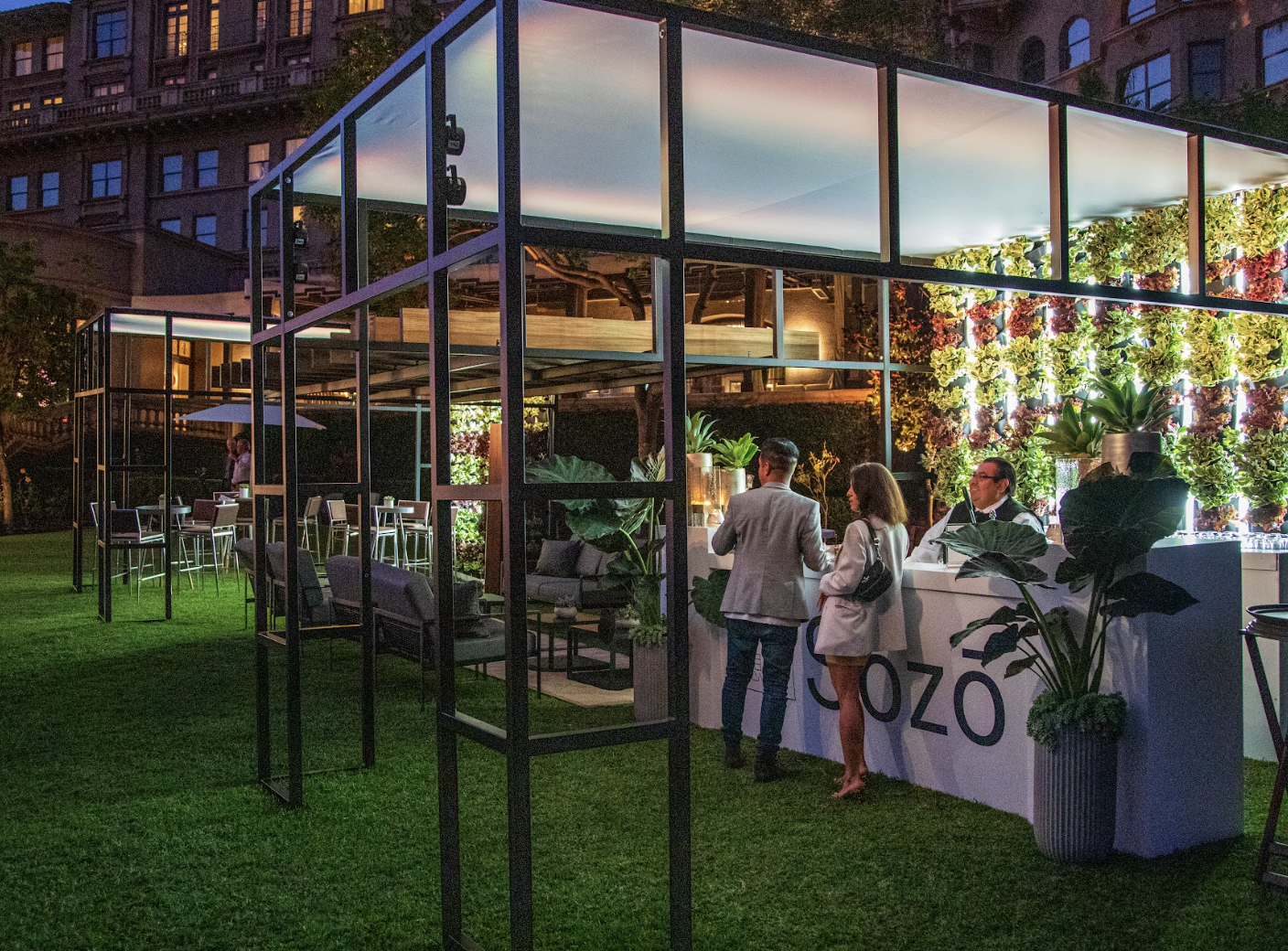
Gianna's Gems: Mental Fitness: The Game-Changer Every Professional Needs
A Gianna's Gem on Why Training Your Mind is Just as Critical as Training Your Body
Hi there,
With school starting this past week, my son told me his favorite class was “PE”. Not surprising for an eight year old boy, right? But it got me thinking - why aren’t we teaching mental fitness in school at a young age? I’ve started working with my own son on mental fitness in the mornings before school to build his resilience and I’ve already noticed a huge difference. So let me ask you think - what is the difference between mental health and mental fitness?
Here's what I've learned after orchestrating events from intimate C-suite dinners to record-breaking stadium experiences: Your physical stamina can get you through the 18-hour event days, but your mental fitness determines whether you thrive or merely survive in this industry, and really in any life situation.
Gianna's Gem: Mental Fitness vs. Mental Health - Know the Difference
Let me be crystal clear about something that gets confused all too often. Mental health is about addressing challenges, managing conditions, and seeking support when you're struggling. Mental fitness? That's about proactively training your mind to perform at its peak, just like an athlete trains their body.
T
hink of mental fitness as your psychological gym routine. You wouldn't expect to run a marathon without months of cardiovascular training, right? Yet we expect ourselves to handle high-pressure client presentations, manage complex logistics under tight deadlines, and lead diverse teams through inevitable curveballs—all without training the organ that makes it all possible: our brains.
Mental fitness is about building resilience before you need it, not just recovering after you're depleted.
The Four Pillars of Mental Fitness for Event Professionals
Pillar 1: Nutritional Input (What You Feed Your Mind)
Just as junk food creates sluggish energy and crashes, consuming the wrong mental "food" can leave you anxious, overwhelmed, and creatively depleted.
Mental nutrition includes:
Morning content consumption: Start your day with inspiring podcasts, industry thought leadership, or educational content instead of diving straight into your inbox or doom-scrolling news
Curated learning and career development: Follow innovators in event tech, design, and experience creation rather than getting lost in comparison-driven social media. I consider this “expanding” rather than comparing and happy to share recommendations for some industry expanders with you (message me back).
Boundary-setting with information: Designate specific times for industry news and client communication rather than being "always on"
Gianna's Gem Action Step: For the next week, replace the first 30 minutes of your morning phone time with something that genuinely inspires or educates you. Notice how this shifts your mental state for the entire day.
Pillar 2: Rest and Recovery (Your Mental Sleep Training)
Event professionals are notorious for burning the candle at both ends, but peak mental performance requires intentional recovery periods.
Essential mental rest practices:
Meditation or mindfulness: Even 10 minutes daily can significantly improve focus and stress management
Quality sleep hygiene: Creating wind-down routines that help your brain process the day's information
Digital detox windows: Scheduled breaks from phones and laptops to let your mind truly rest
Nature connection: Studies show that time outdoors literally resets our mental processing capabilities
Remember that white space I always talk about? Your brain needs it just as much as your calendar does. Otherwise you’re going to get that “force shutdown message” or death spiral literally and figuratively!
Pillar 3: Mental Strength Training (Building Cognitive Muscle)
This is where the real magic happens. Just as physical exercise builds muscle memory and strength, certain practices build your mental resilience and problem-solving abilities.
Mental strength exercises include:
Visualization: Mentally rehearsing challenging scenarios (difficult client conversations, technical failures, last-minute changes) so you're prepared rather than reactive
Manifestation with strategy: Not just wishful thinking, but combining clear intention-setting with actionable planning
Cognitive reframing: Training yourself to find positive opportunities within challenges rather than defaulting to stress responses
Decision-making practice: Regularly making small, low-stakes decisions quickly to build confidence for bigger choices
Pillar 4: Mental Exercise (Keeping Your Brain Agile)
Physical exercise keeps your body flexible and strong; mental exercise keeps your brain sharp and creative.
Brain-boosting activities:
Puzzle-solving: Crosswords, sudoku, or logic games that challenge different cognitive pathways
Creative movement: Dancing, especially learning new choreography, builds neural connections and has been proven as the #1 way to reduce cognitive decline (I shared this with my husband when pitching we start dance lessons together!)
Complex problem-solving: Taking on challenging projects that stretch your strategic thinking
Learning new skills: Whether it's a language, instrument, or technology tool, novel learning keeps your brain adaptable
Gianna's Gem: The same mental agility that helps you solve a Rubik's cube will serve you when you need to completely reimagine an event setup 48 hours before go-live.
Why Mental Fitness Can Make or Break Your Career
Let me share a story that illustrates this perfectly. Two years ago, I was working with a incredibly talented event planner—let's call her Sally. She could coordinate logistics like a symphony conductor and had an eye for design that consistently wowed clients. But Sally had never trained her mental fitness.
When a major client demanded significant changes three weeks before their annual summit, Sally's lack of mental resilience showed. Instead of seeing the challenge as an opportunity to showcase creativity under pressure, she spiraled into overwhelm. Her team and I picked up on her stress, vendor relationships became strained, and what should have been a career-highlighting project became a source of burnout.
Contrast this with another event planner I know who faced an even bigger last-minute crisis—a venue roof actually falling in on 48hours notice. Because she had trained her mental fitness through regular visualization, stress management practices, and cognitive flexibility exercises, she was able to stay calm, think creatively, and lead her team through an incredible recovery. That "roof falling in" became the story that landed her the next promotion.
Gianna’s Gem: In our industry, your technical skills get you in the door, but your mental fitness determines how high you rise and how long you last.
Mental Fitness and Leadership: The Multiplier Effect
When you're mentally fit, you don't just perform better—you elevate everyone around you and build durable teams that succeed for the long term.
Mentally fit leaders:
Stay calm under pressure, which allows their teams to focus on solutions rather than managing up anxiety
Make clearer decisions faster, reducing the analysis paralysis that kills momentum
Communicate with greater emotional intelligence, building stronger client relationships and vendor partnerships
Bounce back from setbacks quickly, modeling resilience for their entire organization
See opportunities where others see only obstacles, driving innovation and competitive advantage
Gianna's Gem: Your team's stress level will never be lower than yours. If you want a high-performing, resilient team, you must model mental fitness first.
Creating Events That Support Mental Fitness
Here's where this gets really exciting: Once you understand mental fitness, you can design events that actually contribute to your attendees' mental well-being rather than just delivering information. By elevating their mindset, you will not just become an industry leader, but you’ll put attendees into a better frame of mind to be receptive to new ideas, and in a generous state of wanting to share about your brand by word of mouth.
Event elements that support mental fitness:
Environment Design: Create spaces that feel psychologically safe and energizing rather than overwhelming. This means thoughtful color choices (I love bringing in natural wood tines, lighter colors, greens rather than red tones that signal danger), warm, natural lighting where possible, and layouts that encourage both connection and moments of quiet reflection and rejuvenation between sessions and networking.
Programming Structure: Build in "brain breaks"or “digital detox hours” between intensive sessions. The human attention span isn't designed for back-to-back content consumption. Include movement, meditation moments, or simply unstructured restorative time. Trust me, your attendees will be so grateful! I’ve NEVER had an attendee upset about not enough content - it’s usually the opposite - they feel overwhelmed.
Content Delivery: Mix high-energy presentations with reflective, smaller workshops. Include high performance technique training such as mental rehearsal coaches, visualization exercises, breathwork, and opportunities for attendees to practice new mental models in real-time.
Nutrition Choices: Offer brain-healthy, nourishing food options that sustain energy rather than creating sugar spikes and crashes. Your catering choices directly impact attendee mental performance. I love offering colorful spa waters for attendees to sample throughout the day that also offer pops of color to the environment and are environmentally friendlier than bottled water.
Recovery Spaces: Designate quiet zones where introverted attendees can recharge, get a foot massage or a “sound bath”, meditate, have an aroma therapy blend created for them, or where anyone feeling overwhelmed can reset their mental state.
The Business Impact: Why Mental Fitness Events Win
When you create events that support mental fitness, something remarkable happens: Your attendees don't just learn—they transform. And transformed attendees REMEMBER your event and then become raving fans who drive real business results far more than any other marketing channel.
I've seen this play out repeatedly. Events that prioritize attendee mental well-being consistently achieve:
Higher engagement scores because attendees feel energized and taken care of rather than drained
Better retention rates as people actually implement what they've learned and remember your product better
Stronger word-of-mouth marketing because the experience felt genuinely valuable
Increased client loyalty as organizations see measurable impact on their team's performance
Premium pricing opportunities because you're delivering transformation, not just information
Gianna's Gem Action Step: For your next event, ask yourself: "How can I design this experience to leave attendees feeling more mentally fit than when they arrived?" Then build those elements into your programming from day one, not as afterthoughts.
Your Mental Fitness Training Plan Starts Now
Ready to begin your mental fitness journey? Here's a practical starting point:
Week 1-2: Focus on mental nutrition. Clean up your information diet and establish a inspiring morning routine.
Week 3-4: Add daily mental rest practices. Even five minutes of meditation or a brief walk outside counts. Heck, even take a bathroom break without your phone (you know you do it!)
Week 5-6: Introduce mental strength training through visualization, mental rehearsal and cognitive reframing exercises.
Week 7-8: Incorporate mental exercise—try a new puzzle type, learn a dance move, or develop a new creative skill.
Week 9 and beyond: Make mental fitness a non-negotiable part of your professional development, just like staying current with industry trends or technology.
In an industry where the unexpected is expected and pressure is the norm, mental fitness isn't a luxury—it's a competitive necessity. The event professionals who thrive in the coming years won't just be those with the best technical skills or vendor relationships. They'll be the ones who have trained their minds to stay calm in chaos, see opportunities in challenges, and lead with clarity when others are overwhelmed.
Your career deserves the same intentional training you'd give your body if you were preparing for a marathon. Because in many ways, that's exactly what you're doing—preparing for the long game of a fulfilling, sustainable career in an industry you love.
The strongest leaders aren't those who never face challenges—they're the ones whose minds are trained to handle whatever comes their way with grace, creativity, and unwavering focus on what matters most.
What I’m Loving this week: For all my favorite vendors, partners and products, visit: https://www.giannagaudini.com/gianna-recommends
Mental Fitness Through Heart Rate Variability (HRV): I'm absolutely fascinated by Garrett Gaudini's deep dive into the Morpheus heart rate monitor and how it's reshaping the way we think about mental fitness. What struck me most was his insight about shifting from an "all gas, no brakes" mentality to training smarter through data. The Morpheus system uses Heart Rate Variability (HRV) to measure the balance between your body's stress and recovery systems - essentially giving you a daily "readiness score" that tells you when your nervous system is primed for challenge versus when it needs restoration. This isn't just about physical performance; it's about building the mental discipline to listen to your body's signals rather than pushing through regardless of your internal state.
What I love about Garrett's approach is how he frames this as a paradigm shift in mental fitness - moving from the toxic "mind over matter" mentality that leads to burnout and injury, to a more sustainable philosophy of working with your body's natural rhythms. The ability to have concrete data about your nervous system's readiness feels like such a game-changer for anyone trying to build resilience and optimize their mental performance. The core concept of using biometric feedback to guide your daily intensity is brilliant. Check out more of Garrett's thoughtful takes on health tech and longevity - his "Product Guy" perspective on optimizing healthspan is exactly the kind of evidence-based approach to wellness we all need more of.
XX,
Gianna
P.S. Ready to make mental fitness your secret weapon? Need help training your team in this area? I’d love to help! Reach out to this email and we can discuss your specific needs and transform you to your optimal state of thriving.
Want more? Take My Master Class or Book a 1:1:intro.co/GiannaGaudini
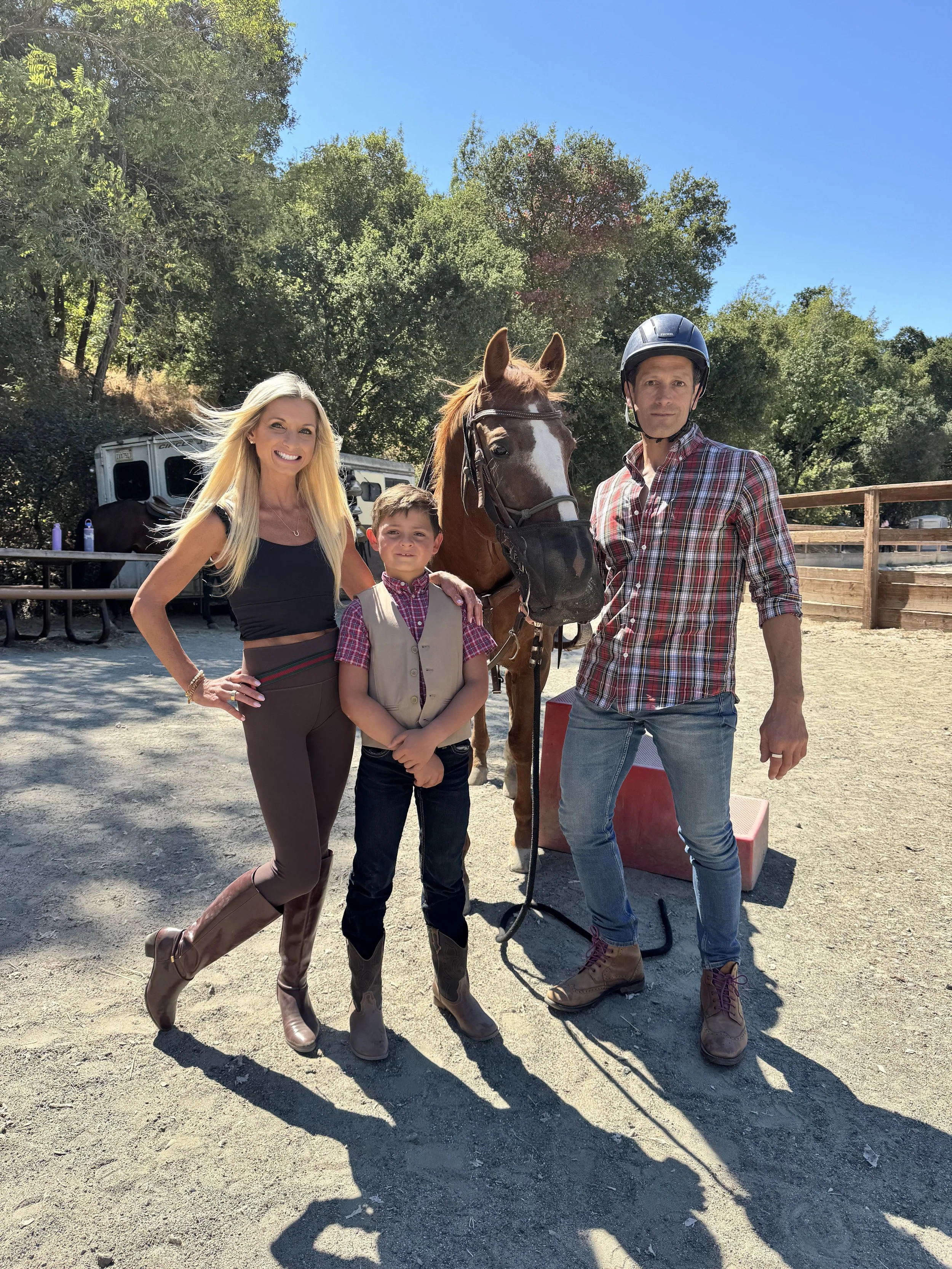
Gianna's Gems: The Happiness Formula - Creating Events That Feed the Soul
Hi there,
Summer’s a great time to ponder the meaning of happiness…and how to get more of it.
This week I've been obsessed with a question that’s been on my mind since a conversation I had recently with a happiness researcher: What if we could actually engineer joy? Not the fleeting, superficial kind that comes from a perfect Instagram moment, but the deep, lasting happiness that transforms how people feel about themselves and the world around them.
As event planners, we're essentially happiness architects—but are we building the right foundation? After diving deep into positive psychology research, I've discovered something that's completely revolutionized how I approach event design: true happiness isn't one-size-fits-all. It's actually made up of three distinct ingredients that people need in different proportions, like a custom cocktail (or mocktail) for the soul.
Gianna’s Gem: Let me introduce you to The Happiness Trifecta: the Engaged Life, the Pleasant Life, and the Meaningful Life. Understanding these three pillars and weaving them into your events doesn't just create better experiences—it creates transformation.
The Engaged Life: When Time Disappears
The Engaged Life is about flow states—those magical moments when you're so absorbed in an activity that you lose track of time entirely.
You know that feeling when you're completely absorbed in something challenging yet perfectly within your abilities? That's engagement. It's the programmer at 2 AM who forgot to eat dinner, the musician who plays for hours without noticing, the puzzle solver who can't put it down. In events, this translates to experiences that challenge attendees' skills while keeping them in their sweet spot of capability.
How to Build Engagement Into Your Events:
Interactive Problem-Solving Sessions: Instead of passive presentations, create collaborative challenges. At a recent tech conference I designed, we replaced traditional breakout sessions with "CSI style breakouts" where teams of 4-6 people worked together to solve real business challenges like cyber-security hacking using new tools they learned that day. The energy was electric—people were so engrossed they didn't want to break for lunch.
Gamification That Actually Works: Skip the basic point systems. Create compelling narratives. For a sales summit, we designed a "Mystery of the Missing Revenue" experience where attendees gathered clues throughout different sessions to solve a complex case study. Each session revealed new pieces of the puzzle and points, keeping people fully present and engaged. Everyone was able to redeem points for swag at the end. Win-win for all!
Skill-Building Workshops: Offer hands-on learning experiences that stretch attendees just beyond their comfort zone. Think coding bootcamps, improv classes, or collaborative art projects. The key is calibrating difficulty—too easy and people zone out, too hard and they shut down.
Live Music and Performance: Not as background entertainment, but as participatory experiences. I once organized a "Corporate Talent Show" rather than A-List talent which ended up being the most engaging and popular concert we ever had plus inspired awe and inspiration at people’s talented colleagues - and new connections made through shared talent that was revealed during the tryouts and performances.
The Pleasant Life: Indulgence as Strategy
Pleasant experiences aren't frivolous—they're neurologically necessary. They create positive emotional states that make people more creative, collaborative, and open to new ideas.
The Pleasant Life is about sensory delight and luxury experiences that make us feel pampered and cared for. This isn't shallow—it's strategic. When people feel physically comfortable and emotionally elevated, they're primed for better learning, networking, and decision-making.
How to Curate Pleasure at Your Events:
Elevated Food Experiences: Move beyond standard catering. Create food stations that surprise and delight—think liquid nitrogen ice cream made to order, home-made chocolate chip cookies cooked fresh at your booth, or a "build your own charcuterie masterpiece" station with a professional guide. The act of creating something delicious together creates positive emotional anchors. And an excellent espresso lounge - always the most popular activation at any conference is certain to draw in attendees and keep them alert for your content.
Sensory Luxury Touches: Incorporate unexpected moments of luxury. Hand or neck massages during networking breaks, essential oil stations, weighted blanket relaxation pods, or even a champagne and chocolate pairing during registration. These small indulgences signal that attendees are valued and help them relax so they will stay at your event longer to be pampered rather than retreat to their hotel room.
Entertainment That Elevates: Instead of generic background music, curate experiences that truly entertain. I recently hired a mentalist who worked the networking hour, creating moments of wonder and delight that became conversation starters for weeks after the event. Or consider the custom leather-branding station or engraved water bottles for a personalized swag moment that draws people in and helps them remember you after the event.
Beautiful Environments: Invest in creating Instagram-worthy moments not for social media, but because beauty genuinely elevates mood. Fresh flowers, live soft music, delicious smells, interesting mood lighting, unexpected art installations—these details create an atmosphere where people feel special simply by being present.
The Meaningful Life: Purpose as the Ultimate Connection
Meaningful experiences connect people to something larger than themselves. They transform attendees from passive participants into active contributors to positive change.
This is where events can become truly transformational. When people feel they're part of something bigger—whether that's solving important problems, helping others, or contributing to positive change—the experience resonates long after they've left your event.
How to Weave Meaning Into Your Events:
Give-Back Components: Partner with local charities or causes that align with your event theme. At a leadership summit, we organized teams to shop for the wish list of local Napa fire victims—it became the most talked-about part of the entire event. People connected with each other through service and it made us all feel gratitude.
Mentorship Circles: Create structured opportunities for experienced attendees to share knowledge with newcomers. Not just networking, but intentional knowledge transfer that makes both sides feel valued and connected to a larger community. I did this with Googles Women Leadership Summit and took it a step further by having female Google women leaders bring copies of their favorite books and sign them for a local women’s shelter with words of encouragement to the recipients.
Problem-Solving for Good: Design sessions where attendees use their skills to tackle real social or environmental challenges. A marketing conference I organized included "Pro Bono Fridays" where teams created campaigns for local nonprofits. The energy was incredible because people felt their expertise was making a real difference.
Google Marketing Events Academy: When we had an event cancel abruptly and our team felt lost with so much time on their hands, I created a marketing events academy where members of my team each presented on a specific event topic they had expertise in (i.e. brainstorm sessions, product launches, influencer marketing). It became a great way for our team to learn and grow during the slow period and kept us all feeling productive and engaged.
Legacy Projects: Give attendees ways to continue making an impact after the event ends. Create collaborative documents, resource libraries, mentor programs, or ongoing volunteer opportunities that extend the meaningful connection beyond the event itself.
The Magic Formula: Blending All Three
Here's where it gets interesting: everyone needs different proportions of these three types of happiness. Some attendees crave the high-energy challenge of engagement, others need the comfort and pleasure of luxury experiences, and others are motivated most by meaningful connection and purpose.
The secret? Layer all three into every major event touchpoint.
Opening Session Example:
Pleasant: Welcome attendees with exceptional expresso and wellness smoothies, and a beautiful environment that engages all the senses.
Engaged: Interactive opening exercise (ie standing yoga or group breathing) that gets brains working immediately
Meaningful: Frame the event's larger purpose and how attendees will contribute to positive change
Networking Breaks Example:
Pleasant: Elevated food and drink experiences, maybe featuring local artisan vendors or something attendees can engage in with all their senses like make your own trail mix
Engaged: Structured networking lounges or demo stations
Meaningful: Opportunities to meet with a coach or mentor, or share with others through unconference style attendee-led share circles
Closing Experience Example:
Pleasant: Celebration with live music, champagne toast, or gift store
Engaged: Collaborative reflection on key learnings and next steps such as choosing one person who attended each breakout to share a one-two sentence summary for the rest of the attendees on stage in rapid-fire lightning format.
Meaningful: Have attendees write a note to their future selves about something they want to remember from the event and mail it to them afterwards.
The Ripple Effect of Happiness-Centered Events
When you intentionally design events that feed all three dimensions of human happiness, magic happens:
For Attendees: They don't just gain information—they gain energy, connection, and a sense of purpose that extends far beyond the event. They become advocates who can't stop talking about their experience.
For Organizations: You create deeper engagement, stronger loyalty, and more powerful word-of-mouth marketing. People don't just attend your events—they actively look forward to them and bring others along.
For Society: You model what's possible when we prioritize human flourishing alongside business objectives. Your events become examples of how commercial gatherings can contribute to positive change.
Making This Your Method
Start by auditing your next event through the Happiness Trifecta lens. For each major element, ask:
How does this engage people's skills and create flow?
How does this create pleasure and positive sensory experiences?
How does this connect to meaning and larger purpose?
The goal isn't to check boxes, but to weave these elements together so naturally that attendees feel the full spectrum of human happiness without even realizing it's by design.
Remember, we're not just planning events—we're creating experiences that can genuinely improve how people feel about their work, their relationships, and their ability to make a positive difference in the world.
What if your next event didn't just inform or entertain, but actually made people happier long after they went home? That's the kind of magic worth creating.
What I’m Loving this week: For all my favorite vendors, partners and products, visit: https://www.giannagaudini.com/gianna-recommends
Don’t Be a Jerk Podcast: I am obsessed with leaders who care about making the world better and lead by example. Healey Cypher, CEO of Boompop, a friend and genuine example of said leader, just launched his own podcast, aptly named “Don’t Be a Jerk”, a great follow on to this blog about how to create a better life and make others’ lives better as well. In his words: My brother once said all CEOs are inherently bad—and I get it. Headlines glamorize ruthless success, but there’s another story: leaders who win because they’re good people. “Don’t Be a Jerk” explores real-world examples and tactical insights proving kindness and integrity aren’t just nice—they’re strategic advantages. Each episode reveals actionable lessons to build success without compromising values. Let’s rewrite the narrative of leadership, one story at a time.
XX,
Gianna
P.S. Check out my book, The Art of Event Planning or book a session with me here 👉 intro.co/giannagaudini
Gianna's Gems: The Art of Slowing Down - Why Are We All Rushing Through Life?
Hi there,
Last week, I caught myself speed-walking through the farmers market while simultaneously checking emails and making a phone call. I realized I was treating a simple walk that was intended to bring joy and presence like an Olympic sport of time optimization. When did buying produce become a race against time?
This moment of self-awareness made me pause (literally, right there among the tomatoes and green beans) and ask myself a question that's been haunting me lately: Why are we all rushing through life, and what are we missing when we move at warp speed?
The Why Behind Our Need for Speed
We live in what I call the "optimization obsession era." Our phones buzz with productivity apps promising to help us squeeze seventeen tasks into a ten-minute window. Social media feeds showcase people apparently accomplishing more before 7 AM than most of us do all day. I don’t think any of us are immune to multi-tasking on a zoom call. We've somehow convinced ourselves that being busy equals being important, and moving fast equals moving forward.
But here's what I've discovered through years of event planning and life observation: the most meaningful moments happen in the spaces between the rush.
Gianna’s Gem: Leave white space in your day and in your life - it’s in the space that you can welcome in opportunity, rest, and even fun.
Think about it—when someone asks about your favorite memory from last year, I guarantee it wasn't the day you efficiently completed twenty-three items on your to-do list. It was probably a lingering conversation over dinner, an unexpected laugh with a colleague, or the ten minutes you spent engaging with your child so deeply that you both were smiling, laughing and bonding.
Our culture has created what I call "hurry sickness"—a chronic condition where we feel perpetually behind, constantly chasing an imaginary finish line that keeps moving further away. We rush because we think there's not enough time, but the irony is that rushing actually makes time feel more scarce.
The Hidden Cost of Living in Fast-Forward
The impact of constant rushing extends far beyond simply feeling anxious and distracted. When we operate in perpetual hurry mode, we miss the very experiences that make life rich and meaningful.
Creativity suffocates under pressure. Some of my best event ideas have come during slow hikes through nature or while meditating or doing something new and inspiring like visiting an art gallery or enjoying a tasting menu at a restaurant (designed to be savored) —never while racing between meetings. Guess what? Our brains need white space to make unexpected connections.
Relationships become transactional. When we're always thinking about the next thing, we can't fully engage with the person in front of us. I learned this the hard way when my eight-year-old son asked me a question and I realized I had given him three "uh-huh" responses without actually listening to a word he said. This led to so much guilt over my subpar engagement that I wasted more time ruminating than I would have if I just paused and fully engaged with him for that one minute.
We develop what I call "presence amnesia." We become so focused on getting to the destination that we forget to notice the journey. This is particularly devastating in our work—we plan beautiful events but forget to pause and appreciate the magic we're creating, or to celebrate the win afterwards…AND to actually review how the event went and properly host a post-mortem to optimize for the next event based on the feedback and results.
Decision-making deteriorates. When we're rushing, we default to quick fixes rather than thoughtful solutions. Some of my only regrets happened when I felt pressured to decide immediately rather than taking time to consider all my options, or not taking the time to “sleep on things” and responding before my subconscious had time to appraise the situation and find the best solution. Fortunately these are few and far between these days now that I’m aware of the benefits of leaving space to pause, meditate, reflect, and attract what it is that I want to happen.
The Surprising Benefits of Strategic Speed
Now, before you think I'm completely anti-efficiency, let me acknowledge that there are genuine benefits to moving quickly—when it's intentional rather than habitual. As my clients know, I am the queen of efficiency, but that doesn’t mean I sacrifice being present.
Momentum creates energy. A burst of focused action can break through procrastination and generate positive momentum. I've seen teams come alive during intense eventworking sessions when everyone is moving with purpose toward a shared goal. Also, like energy attracts like, so when you’re in a positive mood, being generous with your time and spirit and winning by lifting others up, you too will continue to win.
Deadlines foster creativity. Constraints can spark innovation. Some of my most creative event solutions emerged under tight timelines because conventional approaches weren't possible.
Quick decision-making prevents overthinking. Sometimes the first instinct is the right one, and analysis paralysis is more dangerous than imperfect action. I love the phrase “no bad data” as sometimes it’s best to go for it, gather the intel, and then use the information gathered through calculated action to optimize and improve rather than ruminate over whether you have the “perfect strategy”
The key distinction is choosing to move quickly versus feeling compelled to rush. One empowers, the other enslaves.
The Event Planning Paradox: What Happens When We Rush Our Guests
This rushing epidemic has infected our events in ways that directly undermine our goals as experience creators. When we pack agendas too tightly or rush attendees through transitions, we're essentially telling them their presence doesn't matter—Could you imagine having a dinner party where you rushed guests from course to course, cutting off conversation, and didn’t give people enough time to even use the bathroom or have casual conversation?
I've witnessed this countless times: speakers who race through content or worse yet, skip the Q&A or breaks to squeeze ii more slides... networking sessions cut short to stay on schedule, and meals treated as fuel stops rather than connection opportunities. Have I mentioned, I really don’t care for ”lunch and learns”? Attendees leave feeling efficient but empty and probably won’t remember much about the event either.
Here's what I've learned about creating space in events:
The most powerful moments happen in the margins. At a recent conference I planned, the most talked-about experience wasn't the keynote speaker—it was the extended 1.5 hour lunch where attendees naturally clustered into deep birds of a feather conversations and could experience experiential demos and self-driving car test drives we had planned for people to engage with on their own time. We had originally planned a 45 min lunch but extended it to an hour and a half when we realized the connections made at our events were the most valuable ROI for attendees, not squeezing in another session that they could simply view on demand.
Transitions can be transformations. Instead of herding people quickly between sessions, I’ve done experiential “portals” that create excitement as people move from one space to the next. I’ve used local school bands to help galvanize thousands of attendees at Google into a general session, and I’ve offered hawked coffee and donuts to people queued up for a keynote to give them delight and a reason to talk to each other and the local vendors as they’re waiting for what’s next. I add in "breathing breaks"—intentional pauses that allow ideas to settle and connections to form and people to get a sense of place in the venue or city they’ve traveled to the event for so they don’t feel rushed and overwhelmed. Sometimes this means scheduling fewer sessions, but the depth of engagement increases dramatically.
Meals become memory-makers. When we treat dining as mere sustenance, we miss opportunities for organic relationship building. I love offering hosted tables where people can meet with product experts or “birds of a feather” to have deeper conversations in a casual and relaxed setting. I also love a Jeffersonian style format to foster a “shared conversation” between executives so they aren't stuck talking just with those next to them. The feedback was overwhelmingly positive—people felt connected rather than programmed and learned more about each other as a result. It also benefited us by inspiring more connections between customers and prospects and out own team that wouldn’t have happened without intentionality.
The Google Approach: The Power of White Space
Google's brand aesthetic isn't minimalist by accident—it's strategic. That clean, uncluttered design you see on their homepage as well as in their event experiences communicates clarity, focus, and ease. When we apply this philosophy to our lives and events, something magical happens: space creates possibility.
In event design, white space might look like:
Generous transitions between sessions
Unstructured time for organic interactions
Visual breathing room in signage and materials
Quiet spaces for reflection and processing
“Create your own adventure” style programming so people can choose what type of experience they want based on their mood and needs
In life design, white space might mean:
Margins in your calendar for unexpected opportunities, rest and fun
Evening routines that transition you from work mode to personal time
Weekend mornings without an agenda
Phone-free time in your home or schedule
Gianna’s Gem: White space isn't empty—it's unlimited potential - a canvas ready for paint!
Space on Our Plates: The Literal and Figurative Art of Less
This concept extends beautifully to how we literally fill our plates and figuratively fill our lives. At events, I've started embracing what I call "curated abundance"—fewer menu items but each one exceptional, rather than overwhelming buffets where quality gets lost in quantity.
The same principle applies to our daily lives. Instead of cramming seventeen activities into a weekend, what if we chose three meaningful experiences and gave each one room to breathe? Instead of accepting every networking opportunity, what if we were more selective and showed up fully present to the ones we choose?
I recently implemented "plate management" in my own life. Just as a beautifully plated dish has white space that makes each element more visually appealing, my calendar now has white space that makes each commitment more meaningful and gives me time to pause and reflect (or make a helpful connection for that person) before rushing to the next.
Practical Magic: How to Cultivate Mindful Presence
The transition from rushing to presence doesn't happen overnight, but it can start with small, intentional shifts:
Create arrival rituals. Before entering any space—whether it's your office, an event venue, or even your own home—take three conscious breaths. This signals your nervous system to shift from transit mode to presence mode.
Practice the "one-thing rule." When engaged in conversation, close your laptop. When eating, put down your phone. When walking, resist the urge to simultaneously check emails. Single-tasking is a radical act in our multitasking world.
Design buffer zones. Build fifteen-minute cushions between meetings, arrive ten minutes early to events, leave for appointments with extra time. These margins eliminate the stress of rushing and create space for unexpected moments of connection.
Embrace strategic slowness. Deliberately move slower in certain contexts—walk leisurely to the coffee shop, take your time reviewing proposals, sit quietly before beginning presentations. This isn't inefficiency; it's intentional presence.
Ask different questions. Instead of "How can I get this done faster?" try "How can I make this experience more meaningful?" Instead of "What's next on my list?" ask "What am I noticing right now?"
The Ripple Effect of Slowing Down
When we choose presence over speed, the impact extends far beyond our personal experience. Attendees at our events feel more valued when we're not rushing them through experiences. Colleagues feel more heard when we're fully present in meetings. Family members feel more connected when we're genuinely available during our time together.
I've discovered that slowing down doesn't mean accomplishing less—it means accomplishing things that matter more. The events I plan with generous time margins consistently receive higher satisfaction scores. The relationships I nurture with presence rather than efficiency grow deeper and more fulfilling.
The most profound shift happens when we stop asking "How can I fit more in?" and start asking "How can I be more present with what I've already chosen?"
What I'm Practicing This Week
I'm implementing what I call "micro-moments of mindfulness"—three-second pauses throughout the day where I simply notice what I'm experiencing right now. The taste of my coffee, the feeling of sunlight through the window, the sound of laughter from another room, how my body feels when I take a deep breath. These tiny moments don't add time to my day, but they add depth to my experience of time.
Your Invitation
This week, I invite you to experiment with just one area of strategic slowing down. Maybe it's taking a longer route to work that allows for a more peaceful transition. Perhaps it's scheduling one fewer meeting each day to create breathing room. Or simply practicing eating one meal without multitasking.
Notice what happens when you give yourself permission to be present rather than productive, to be mindful rather than busy.
Remember: In a world obsessed with speed, choosing slowness is a revolutionary act of self-care and conscious living.
The most magical moments of life—whether in our events or our everyday experiences—happen not when we're rushing toward the next thing, but when we're fully awake to this thing, right here, right now.
What I’m Loving this week: For all my favorite vendors, partners and products, visit: https://www.giannagaudini.com/gianna-recommends
Vagus Nerve Deck: 75 Exercises to Reset Your Nervous System. I’ve always been obsessed with brain science (and was a former bio minor at UCSD!) Only recently however, have I realized just how important “vagal tone” is for regulating the nervous system which is critical for high-stress careers in events, startups, (or both!) I have been reading and practicing vagus nerve exercises and fin them just as critical to my wellbeing and vitality as my physical exercise and sleep routine. I love this deck
The vagus nerve, plays a special role in our autonomic nervous system (ANS). The ANS regulates many bodily processes, including our stress response. When we encounter an external threat, our stress response kicks in, triggering a cascade of physiological changes to help us adapt and protect ourselves. Like a helpful friend, the vagus nerve steps in to restore balance. It exerts anti-inflammatory effects, promotes relaxation, and supports immune system regulation. With the exercises in Vagus Nerve Deck, you’ll learn to harness this power and foster resilience in the face of life's challenges. Enjoy!
Gianna's Gems is a weekly exploration of ideas that transform the ordinary into the extraordinary. If you found this valuable, please share it with someone who might need permission to slow down.
XX,
Gianna
P.S. Want to pick my brain? Book a session with me here 👉 intro.co/giannagaudini (check out the feedback from others who have worked with me as well in the reviews!)
The Fun Formula: Play is Your Unexpected Secret for Success
Hi there!
Hope you all had a lovely long weekend celebrating America’s birthday. I spent four glorious days up at my family’s cabin at Lake Tahoe where ever since I was a girl, we never installed a TV so that we’d instead read, play games, and spend time outdoors. This trip was no different and it was so refreshing to spend so little time on a screen and countless hours laughing playing silly games like Apples to Apples, bike riding and enjoying playful conversations with friends.
If you’re feeling revived and energetic after the Fourth of July holiday and hoping to keep the magical energy rolling, let me tell you something that might just change how you approach every single day...
The Science of Joy: What Happens When We Play
When we engage in genuine fun, our brains become absolute magic-makers. Here's what's happening behind the scenes:
Dopamine floods our system, creating that energizing feeling of reward and motivation. This isn't just about feeling good in the moment—dopamine actually enhances our ability to learn, remember, and make creative connections. It's like upgrading your brain's operating system every time you laugh.
Endorphins cascade through our bodies, those delightful natural painkillers that don't just make us feel amazing—they boost our immune system and increase our resilience. Fun literally makes us stronger, both mentally and physically.
Cortisol drops dramatically. When stress hormones decrease, everything improves—our decision-making, our creativity, our ability to see opportunities that stressed minds miss entirely.
Oxytocin levels rise, deepening our connections with others and making us more magnetic. You know that person who walks into a room and everyone gravitates toward them? These people seem to “sparkle”. They're probably running on high levels of this "bonding hormone."
The Sparkle Effect: Why Playful People Attract Success
There's something undeniably magnetic about people who know how to have fun. They possess what I call "The Sparkle"—that effervescent quality that draws opportunities, connections, and serendipitous moments like a magnet.
When you're genuinely enjoying yourself, you radiate a frequency that's absolutely irresistible. You become more approachable, more memorable, and more likely to be included in conversations and opportunities that could change your trajectory. People want to be around joy—it's contagious and transformative.
Think about the last networking event you attended. Who do you remember? Probably not the person who handed out business cards with robotic efficiency, but the one who made you laugh, who seemed genuinely delighted to be there, who turned a potentially awkward interaction into a moment of connection.
Fun at Work: The Ultimate Performance Enhancer
In professional settings, fun isn't frivolous—it's fuel. Teams that incorporate play and humor into their work culture consistently outperform their more serious counterparts. Why? Because fun breaks down barriers, encourages risk-taking, and creates psychological safety where innovation thrives. It boosts morale and trust which are keys to any successful team and business. When work feels like play, people don't just perform—they excel.
Fun also increases what psychologists call "cognitive flexibility"—your brain's ability to switch between different concepts and think about multiple things simultaneously. This mental agility is crucial for problem-solving and adapting to change.
Example: When I worked at Google, we had a famous 20% time policy, where employees could spend one day a week on passion projects. I remember using my 20% time to start a “Marketing Event Academy” where my team members and I took turns each week teaching something about event planning that we knew to the rest of the team. And then I took it a step further and started posting the recorded sessions and slide decks on a Google Website to share with the entire company so more people could share the knowledge. It was a passion project, but brought me so much joy and also boosted the morale and bonding between my team members.
Transforming Events: The Alchemy of Atmosphere
As someone who's witnessed countless events, I can tell you that the ones that incorporate “authentic fun” are the ones that create lasting impact. When people are enjoying themselves, several magical things happen:
Guard drops, connections deepen. Laughter is the universal key that unlocks authentic relationship-building. People share more, listen better, and form stronger bonds when they're having fun together.
Memory formation intensifies. Our brains are wired to remember positive emotional experiences more vividly. An event that makes people laugh, play, or feel joy will be remembered long after the serious, information-heavy ones are forgotten.
Energy becomes exponential. Fun is self-generating—the more people enjoy themselves, the more enjoyable the experience becomes for everyone. It's like creating a positive feedback loop that elevates the entire gathering.
Openness to new ideas increases. When we're having fun, we're more receptive to new concepts, more willing to step outside our comfort zones, and more likely to say "yes" to opportunities that might otherwise seem too risky.
The key to building “fun” into events is "participation without pressure"—creating multiple ways for different personality types to engage authentically. This ensures the fun feels genuine rather than forced, which is crucial for corporate settings where people might be more guarded.
Below are a few examples designed to create real human connection while naturally generating brain chemistry benefits. They're also practical enough to implement without major budget or planning overhead.
Corporate Events:
Need to assign tables? I once used “unique mathematical numbers” for the table numbering (i.e. pie or the golden number) and gave each Executive Guest a card with a definition on it about that number. They had to figure out what number the definition described to find their table. This led to playful (nerdy) competition, conversation between the guests and fun during a typically mundane part of the event.
Two-minute story exchanges for authentic networking - use something that might lead to joy, like what was your worst job early in your career? Or what was the strangest food you’ve ever eaten?
Scavenger hunts for charity - at Google, I once built a teambuilding activity where each team had a Christmas list from a family in need, and we all shopped for the items and then wrapped them together
Playful food moments often offer joy - s’mores making, displaying donuts hung from branches, or a cake-bite wall all bring delight
Social Events:
I recently hired a unique entertainment vendor, The Haikuists for a social event where they used typewriters to create custom haikus for guests (learn more on my Gianna Recommends page).
Memory lane remixes that add learning to nostalgia - I once planned a surprise 40th birthday for my husband where I bought out a Yoga Studio we loved, and had all of his friends and family as “the class”, our favorite instructor leading, and a “playlist” of all of our favorite songs together. It was not expensive, but a priceless and personal experience for him.
Hide a card with a conversation starter or joke underneath people’s salad plates.
For a recent 50th birthday, I added envelopes to everyone’s place setting and people opened them and either had to give a toast, or read a piece of trivia about the Birthday Boy. It kept everyone on their toes and was engaging and funny.
How Joy Magnetizes Opportunity
Here's where it gets really interesting: When you're operating from a place of joy and playfulness, you're vibrating at a frequency that naturally attracts what you desire. This isn't just spiritual philosophy—it's observable psychology.
When you feel good, you:
Notice more opportunities (your brain's reticular activating system is primed for positivity)
Take more beneficial risks (confidence is higher, fear is lower)
Attract people who want to help you succeed (joy is magnetic)
Maintain persistence longer (fun activities don't feel like work)
Think more creatively (relaxed minds make novel connections)
Your Fun Formula Action Plan
Ready to inject more joy into your success journey? Here's my Gianna’s Gems pro tips for how to start:
In Life: Schedule play like you schedule meetings. Whether it's dancing in your kitchen, playing an instrument just for fun, playing with a pet, doing something artistic, cooking a new dish, or having a game night with friends, make fun non-negotiable. I journal every day and one of the questions I ask myself is “how will I bake some fun into the day”. It help give you something to intentionally look forward to, even if it just takes five minutes (which is often all I have time for, but it still makes every day more magical!)
At Work: Bring lightness to your interactions. Share appropriate humor, celebrate small wins loudly, and look for ways to make routine tasks more enjoyable and lift others up with you.
In Events: Think beyond the agenda. How can you create moments of surprise, delight, or playful interaction? Sometimes the most important connections happen during the "fun" breaks, not the formal presentations. I’ll never forget when we opened up a giant internal conference in Las Vegas with an “Elvis performance” and at the very end, our CEO at the time swapped out with one of the Elvis impersonators in full costume creating an audible gasp from everyone. It lightened the mood by showing more playful side of him before we dove into all the gravitas of annual planning and strategy.
Daily Practice: Start each day by doing something that makes you smile. End each day by reflecting on moments that brought you joy. This trains your brain to notice and create more fun. Listen to a fun dance playlist while brushing your teeth, challenge your child to “crawl like a cat or slither like a snake” instead of walking to do their chores to engage them and lift you up with laughter as well. It’s easy to make every day routines more fun by adding elements of play and lightness to them without adding any extra time and little extra effort.
The Ripple Effect
When you embrace fun as a success strategy, you don't just transform your own experience—you become a catalyst for others. You give people permission to enjoy themselves, to be more authentic, to take themselves a little less seriously. You become the person others want to collaborate with, celebrate with, and champion. I always try to bring levity and joy to my 1:1’s and team meetings and find people are so much more collaborative and engaged - even if we have a lot to cover.
Success doesn't have to be 100% serious. In fact, the most sustainable, fulfilling success often comes wrapped in joy, laughter, and genuine delight.
So here's your invitation: What if you decided that having fun wasn't something you'd do after you became successful, but the very vehicle that would take you there? The universe will conspire in your favor, especially when you're smiling. Try it.
Keep sparkling,
Gianna
What I’m Loving this week: For all my favorite vendors, partners and products, visit: https://www.giannagaudini.com/gianna-recommends
Hotel I love: The Estate, Yountville: Nestled in the heart of charming downtown Yountville in the renowned Napa Valley wine region, Estate Yountville is a romantic and luxurious lifestyle destination set on a picturesque 22-acre village-within-a-village. I recently had the opportunity to do a buyout of their Vintage House Hotel for a very special milestone birthday and it was exected flawlessly and joyfully by their incredible team partnering with my own. I loved their willingness to meet our requests for custom menus, signage, and deliver above and beyond service to all the guests. There are photos of the beautiful event on my event portfolio if you’d like a glimpse.
At The Estate Yountville, they’ve reimagined the Wine Country experience into an approachable and inviting getaway. Voted the most beautiful boutique hotel in Napa Valley, Vintage House on the North end of the Estate captures the intimate charm and serenity of Yountville. On the South end of the Estate, the modern and lively Hotel Villagio, which sits adjacent to their private vineyard, welcomes you with its bright patio and lobby bar. AND…they have a Veuve Clicquot themed spa that is decked out in orange loveliness, and even offers pool-side Veuve Clicquot foot and scalp massages! Together, these two retreats invite you to take part in the quintessential Napa Valley escape. Let me know if you’d like help sourcing this venue for your next event - I couldn’t recommend the team and property more highly.
P.S. Want to pick my brain?
Book me here 👉 intro.co/giannagaudini (check out the feedback from others who have worked with me as well in the reviews!)
Trust - The Foundational Key to Success in Events (and Life)
Hi there!
Let's talk about trust. It's the invisible currency that makes the world go round, the secret sauce that transforms ordinary partnerships into extraordinary collaborations, and what separates the amateurs from the pros in every single industry.
Trust isn't just a nice-to-have – it's the non-negotiable foundation upon which every successful relationship is built. Whether we're talking brands and customers, agencies and corporate partners, event teams, families and friends, or that most important relationship of all (the one with yourself), trust is your golden ticket to a life of seamless success.
Your executives need to trust that you’re guiding them in the program’s best interest without micromanaging and making decisions by committee. Your team needs to trust you’re their “shit umbrella” and have their back so they can keep focused on their respective roles and responsibilities. And you? You need to trust that everyone will deliver on their role so the whole event comes together beautifully, overseeing things as a leader and inspiring people to come together operating as #OneTeam with a shared goal.
I’m just coming off a beautiful milestone birthday celebration where my client trusted me so much that they didn’t even request a week-of meeting or event day walkthrough. I had provided them consistent updates, handled all of their guest communication while they enjoyed a month-long vacation the month before their big bash,. They were so relaxed on the day of the event, they arrived later than planned since they were relaxing at home watching tennis in the morning trusting that I had everything covered!
I understood their goals, their budget, and what they hoped to get out of the event, and they told me they loved how I made it simple for them to make decisions. They never second-guessed my recommendations, and the result? A flawless celebration that looked like it belonged in a magazine with the client overjoyed, guests raving about the seamless experience, and my team and vendors all one-team working together in harmony with smiles on our faces since we could all do our jobs (well) and deliver joy.
This is why I start every pre-con (pre-conference) with a compliment to the team involved, and appreciation for everyone’s efforts, why I ask what’s keeping everyone up at night, and then resolve it in advance so we enter the event feeling secure, confident, and ready to be able to “add magic” rather than fight fires.
An example from this past weekend? I was so relaxed at our seamless registration desk, that when a guest told me she’d forgotten her lipstick and couldn’t find a store in the small town of Yountville that sold it, I told her not to fear. I pulled up Doordash on my phone, asked for her color preferences, and had two colors of lipstick delivered to the front desk within the hour. I even covered the cost for her so she wouldn’t have to bother with that. She was so thrilled, she kept telling me it was the most magical thing that had happened to her that day. When everyone is working in harmony, the team has the mind space and desire to go above and beyond, and create magic. A far cry from how a team operates under stress with no room to say “yes” to additional requests or think creatively and with a kind, giving mindset.
Compare this to events where trust is lacking – where vendors are constantly questioned, where team members hide information, where everyone's covering their own backs instead of working toward the shared vision. Those events feel tense, disjointed, and frankly, exhausting for everyone involved.
Gianna’s Gem: Planning events without trust is like conducting an orchestra where nobody can see the conductor. It's pure chaos!
Why Brands Must Earn Customer Trust (And Keep It Sacred)
Picture this: You walk into your favorite boutique, and without even looking at price tags, you know everything you pick up will be worth every penny. That's trust. When customers trust your brand, they become more than buyers – they become believers, advocates, your personal cheerleading squad.
Take Patagonia, for instance. They've built such unwavering trust by consistently delivering on their environmental promises that customers will literally tattoo their logo on their bodies. When Patagonia says "Don't buy this jacket" in an ad promoting sustainability, people trust that they mean it – and ironically, it makes them want to buy it even more.
Or consider how Glossier built an empire by trusting their customers to be part of the conversation. They didn't just sell beauty products; they created a community where every customer felt heard, valued, and trusted to shape the brand's future.
When trust exists between brand and customer, magic happens. Customer acquisition costs plummet because word-of-mouth becomes your best marketing channel. Retention skyrockets because people stick with brands they trust. And here's the kicker – trusted brands can charge premium prices because customers know they're getting premium value.
The Agency-Corporate Dance: Trust Goes Both Ways
Now, since this newsletter caters to event and business professionals, let's talk about the beautiful dance between agencies and their corporate partners. These relationships bloom when trust is present, and I've watched it crash and burn spectacularly when it's not. And while trust takes weeks…months…years to earn, it can be lost forever in one minute.
When an agency trusts their corporate client, they bring their A-game creativity without fear. They pitch bold, innovative ideas because they know their partner will give them fair consideration. They show up, go above and beyond and even flex on things like pricing and timelines because they want the client to win. They feel skin in the game as a trusted partner. Meanwhile, when corporations trust their agency, they give them the creative freedom to work magic instead of micromanaging every pixel and comma, and they hire them without a lengthy RFP process because they know the agency will deliver.
I typically give agencies the trust to give a creative pitch their all without micromanaging the process and putting too many constraints on them. For a recent program, I gave my agency complete creative control for an experiential activation. The result? A 40% increase in social impressions. Why? Because trust allowed the agency to take calculated risks that a fear-based relationship never could have supported.
On the flip side, I've witnessed agencies bend over backwards for corporate clients who questioned every decision, demanded endless revisions, and never quite believed in the expertise they were paying for. The result was always the same: diminished morale, mediocre work, unachievable timelines, budget overage, and everyone walking away frustrated and never wanting to work together again.
The Most Important Relationship: Trusting Yourself
There’s one relationship that I’ve only really started to excel at with age (I’m no spring chicken!) and that’s self trust. None of this external trust matters if you don't trust yourself first. And I'm talking about really trusting yourself, especially when it comes to listening to your body, tuning into how you feel around people, in your gut, and trusting your intuition. (ps, meditating helps hone this intuition!)
Your body is your most honest advisor. When you walk into a meeting and your stomach tightens, that's your body saying "pay attention." When you feel energized after a phone call with a potential client or collaborator, that's your body giving you the green light. When you're pushing through exhaustion or sickness instead of resting, and rewarded it for it by your clients, that's your body begging you to trust its wisdom.
I learned this lesson the hard way when I ignored my body's signals during a particularly intense event. I was running on fumes, working despite a 103 fever, and telling myself I'd rest "after this project." My body was practically screaming for me to slow down, but I didn't trust what it was telling me. The result? I ended up recovering for two weeks, missing an important social event I was looking forward to. Now I trust my body like I trust my best friend – because that's exactly what it is. When it says I need a chamomile tea instead of another espresso, I listen. When it says this client meeting feels off, I pay attention. When it says I need to meditate rather than doing a HIIT workout, I honor that wisdom. And it’s had a 100% success rate for me. Trust the body.
The Time, Money, and Seamlessness Factor
Working with people you trust isn't just emotionally satisfying – it's financially brilliant. Trust eliminates the need for excessive RFPs and iterations, check-ins, and protective measures that eat up time and resources.
When you trust your team, you spend less time on status meetings and more time creating and celebrating. When your clients trust you, they approve concepts faster instead of requesting endless revisions. When vendors trust each other, projects flow like silk instead of grinding to a halt over miscommunications.
I once calculated that working with trusted partners cut project timelines by an average of 30% compared to working with new or unreliable vendors. That's not just efficiency – that's pure profit, darling.
When Trust is Broken: The Road to Redemption
We’ve all had it happen– sometimes trust breaks. Maybe a vendor doesn't deliver as promised. Maybe a client changes the scope without adjusting the budget. Maybe you hear someone talking negatively about a person they pretend to be friendly with in group settings.
Broken trust isn't the end of the world, but it is a crossroads. You can either let it destroy the relationship, or you can use it as an opportunity to build something even stronger.
The key is radical honesty and swift action. Acknowledge what doesn’t feel right without making excuses. Take full responsibility for your part. Communicate clearly about how you'll prevent it from happening again. And then – this is crucial – follow through on every single promise you make during the rebuilding process.
And if the other party isn’t willing to own up and take ameliorative action, know when to walk away. Life is too short to engage in relationships that aren’t productive and built on a foundation of trust.
Trusting the Process and the Universe
Finally, there's the ultimate trust exercise: trusting the process and the universe itself.
This means trusting that the right opportunities will present themselves at the right time. It means trusting that setbacks are setups for comebacks. It means trusting that you don't have to control every variable to create something magnificent.
When you trust the process, you stop forcing outcomes and start allowing them. You pitch for your dream client and trust that if it's meant to be, it will be – and if it's not, something better is coming. You launch your passion project and trust that the right people will find it. You take calculated risks and trust that your skills and intuition will guide you to success.
Trusting the universe doesn't mean being passive – it means being actively aligned with your values, your vision, and your inner wisdom while staying open to possibilities you might not have imagined.
The Trust Imperative
At the end of the day, trust is everything. It's the difference between transactions and relationships, between surviving and thriving, between working harder and working smarter.
In your business relationships, be trustworthy first. Show up consistently, communicate clearly, and deliver on your promises. The trust you build today becomes the foundation for tomorrow's opportunities.
In your personal relationship with yourself, listen to what your body and intuition are telling you. They've never steered you wrong – you've just forgotten how to trust their guidance.
And in your relationship with life itself, trust that you're exactly where you need to be, learning exactly what you need to learn, becoming exactly who you're meant to become.
Because here's the ultimate truth: when you operate from a place of trust – in others, in yourself, and in the process – you don't just succeed. You soar.
What I’m Loving this week: For all my favorite vendors, partners and products, visit: https://www.giannagaudini.com/gianna-recommends
Agency I trust and Love: One of my favorite experiential agencies, MAS, has been an agency partner to me for over a decade supporting me with Google’s Think Events, where they supported me in building a custom app (that actually won an award for best B2B event app), Executive Summits, and even Google Cloud Next, plus supporters me with the most prestigious events for SoftBank, and now Developer Events at Windsurf. Most importantly, they are not only extremely talented tastemakers, but they’re so consistently good at what they do that I often find they’ve answered my questions before I even need to ask them. And…I genuinely enjoy hanging out with them as people, as an extension of my own team.
In their own words, “At MAS, we create moments that move people, shift perception, and spark lasting connection. It’s not about one-off moments, it’s about earning a place in your audience’s story. Brands trust us to lead with heart and imagination and we deliver more than engagement...we deliver impact. Because when people feel seen and valued, trust follows, and that’s where real brand love begins”. If you’d like an introduction, please reach out to me as I can’t rave highly enough about them as partners.
XX,
Gianna
P.S. Want to pick my brain?
Book me here 👉 intro.co/giannagaudini (check out the feedback from others who have worked with me as well in the reviews!)
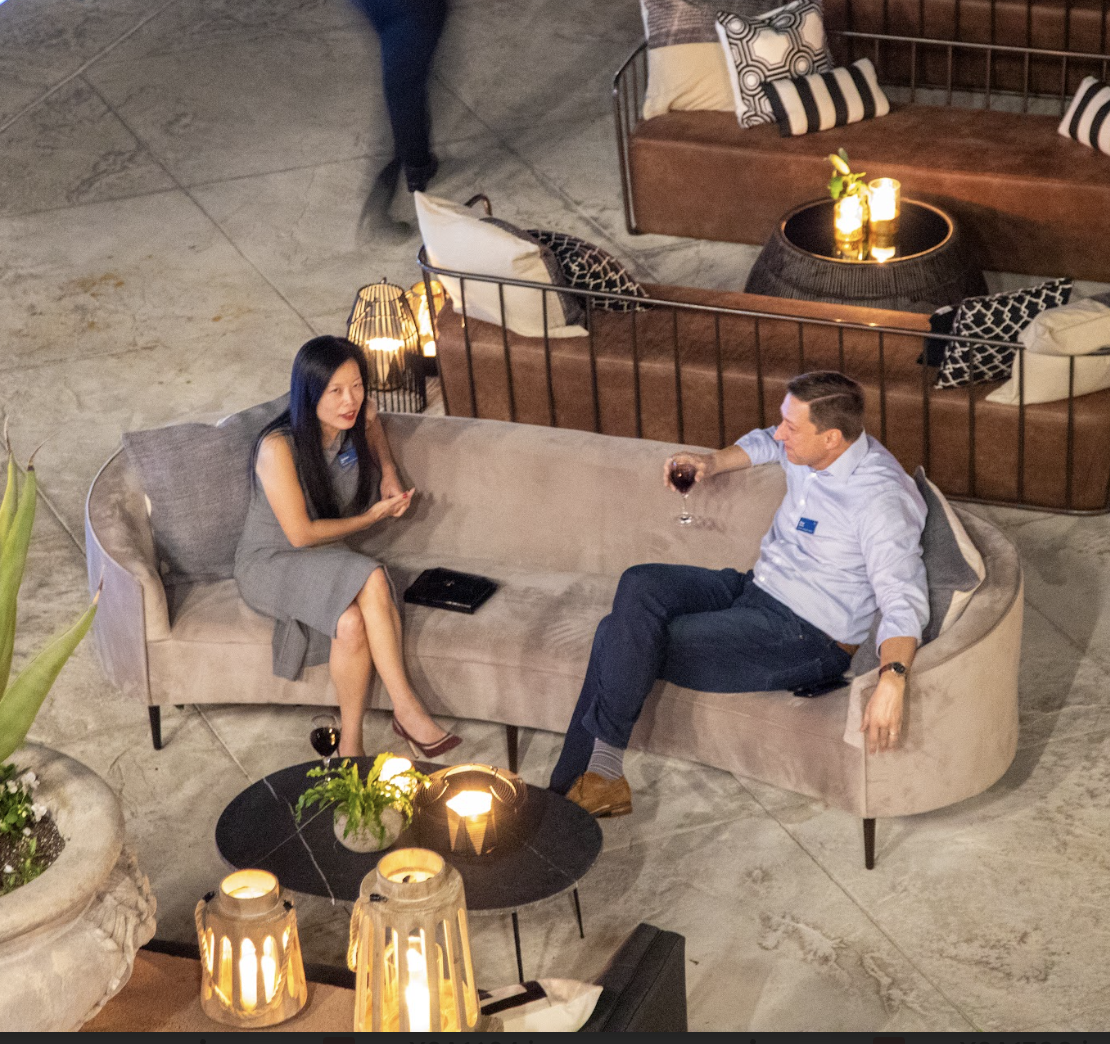
Gianna's Gem: Seven Sacred Types of Rest and Why YOU & Attendees Need Them
Hi there,
Last week, I found myself completely exhausted after what should have been an energizing high profile event. A-List celebrities, engaged VIP attendees, flawless execution in a magical setting—yet I felt utterly drained after the event wrapped. Sound familiar?
Fortunately, this wasn’t the first time I’ve experienced the post-event “partum”, and remembered Dr. Saundra Dalton-Smith's revolutionary insight that “we're not just tired from lack of sleep…we're suffering from a rest deficit across seven distinct areas of our lives”. For this week’s Gianna’s Gem, I wanted to share these insights with you, in hopes it will reach you right as you need it most.
This insight completely revolutionized how I approach event design as well. Because here's what I discovered: when we understand the seven types of rest our attendees desperately need, we can create experiences that don't just inform or entertain—they genuinely restore and rejuvenate.
The Seven Sacred Types of Rest (And Why We're Getting It All Wrong)
Physical Rest isn't just about sleep. Yes, we need those precious 7-9 hours, but we also need active physical rest—gentle stretching, mindful breathing, meditation to destress the mind, and restorative movement that releases the tension we carry in our bodies.
I used to think a successful event meant keeping people engaged every single minute. Now? I intentionally build in what I call "restore and rejuvenate breaks." At a recent leadership retreat, instead of cramming in another speaker or expedition, we had a certified breathing guru lead a 10-minute gentle belly breathing session where attendees could snuggle up in comfortable rest pods, and allow their bodies to regulate and restore. The energy shift was palpable—shoulders dropped, breathing deepened, and the afternoon sessions had noticeably higher engagement and smiling, relaxed attendees.
Mental Rest is about giving our overworked minds permission to stop processing, analyzing, and problem-solving. Our brains are like smartphones constantly running apps in the background—eventually, we need to restart so they don’t crash.
Event magic happens when you create mental spaciousness. At Google events, I started scheduling what we called "wandering time" through a “Google sandbox” —short breaks where attendees could explore interactive installations without any agenda or pressure to network. No structured activities, no objectives—just permission to let their minds wander, to get inspired, and enjoy beauty and art mixed with creative technology. The feedback was incredible: "I had my best ideas during those quiet moments” which led to better networking and engagement in the subsequent sessions.
Emotional Rest means creating safe spaces where people can authentically be themselves without performing, pleasing, or managing others' emotions. It's the relief of dropping the mask we wear to navigate social and professional situations.
I love incorporating "share circles" into events—small groups of 4-12 people where participants share one genuine challenge they're facing, without advice-giving or problem-solving. Just witnessing and being witnessed. The vulnerability and connection that emerges creates a foundation of trust that transforms the entire event experience.
Spiritual Rest isn't necessarily religious—it's about connecting to something larger than ourselves, finding meaning and purpose beyond the daily grind. It's about remembering why we do what we do. For me, I find it in nature, especially when witnessing a sunset, a perfectly unfolding flower, or redwood trees that have lived for hundreds of years and risen from nothing to huge beautiful living things.
For corporate events, I try to find ways to incorporate aspects that will inspire “curiosity or awe”, be it a startlingly beautiful musical composition, art installation, nature walk, or group challenge that raises endorphins. At leadership offsites, I sometimes build in a "purpose pause"—a moment where we connect the work being discussed to its deeper impact. At a recent tech conference, instead of diving straight into product features, we began with a video montage of customers sharing how the technology had genuinely improved their lives and their communities.
Social Rest is the difference between energy-draining interactions and energy-giving ones. It's about curating relationships and social experiences that restore rather than deplete us. I have a journal topic that prompts me to “what did I do to give back or help someone today”. This simple practice energizes me as much as it prompts me to remember to give (even a compliment or outreach to a friend who I know could use it) even when I feel most depleted. My theory is this signals to your brain that you have abundance (of time, energy, resources) which actually recharges me.
Not all networking is created equal. Consider designing "meaningful connection opportunities” instead of traditional networking sessions. Think small groups organized around shared interests or challenges, with conversation starters that go beyond "What do you do?" Questions like "What are you most excited about right now?" or "What's one thing you've learned recently?" create connections that energize rather than exhaust.
Sensory Rest is about giving our overstimulated senses a break from the constant input of lights, sounds, textures, and digital stimulation that bombard us daily. Try meditation for starters - it is an incredible way to pause and reset your nervous system so you can clear the chaos and instantly feel rejuvenated and more insightful and focused. I didn’t believe it until I tried it, and it works.
Most events are sensory assault courses—bright lights, loud music, constant chatter, overwhelming visuals and sponsors nagging you to check out their swag. I've started creating "sensory sanctuaries"—quiet spaces with soft lighting, natural textures, perhaps the gentle sound of water or instrumental music. Similarly, I try to offer different areas for watching the keynote - ancillary viewing theaters in “living room” style lounges for those who need less stimulation and the ability to feel relaxed while viewing so much intense content.
Creative Rest involves experiencing beauty and wonder without the pressure to produce or perform. It's about consuming rather than creating, appreciating rather than analyzing. More and more difficult in today’s world when if we didn’t post it on Instagram, did it exist?
I'll never forget a marketing leadership event where, instead of another case study presentation, I took everyone to a private art collection for a tour. No discussion questions, no takeaways to identify—just permission to let beauty and inspiration wash over them. Afterwards at lunch, I broke the ice by asking everyone which piece of art they appreciated most and why. It was a really authentic way of understanding what moved people and why and led to a really deep connection with our leadership team before we dug into annual planning.
How to Recognize Your Rest Deficit (The Symptoms We Ignore)
We've become so normalized to exhaustion that we've forgotten what genuine energy feels like. Here are the signs I've learned to watch for in myself and my event participants:
Physical Rest Deficit: You're tired even after sleeping, experience frequent headaches or muscle tension, or find yourself reaching for caffeine constantly.
Mental Rest Deficit: You can't turn off your thoughts at night, feel overwhelmed by simple decisions, or find your mind constantly racing even during relaxation attempts.
Emotional Rest Deficit: You feel like you're always "on," performing for others, or you're irritable and reactive in situations that normally wouldn't bother you.
Spiritual Rest Deficit: Work feels meaningless, you've lost connection to your values, or you're going through the motions without passion or purpose.
Social Rest Deficit: Social interactions feel exhausting rather than energizing, you're avoiding social situations, or you feel lonely even when surrounded by people.
Sensory Rest Deficit: You're easily overwhelmed by noise or crowds, crave quiet spaces, or feel constantly stimulated without relief.
Creative Rest Deficit: Everything feels mundane, you've lost appreciation for beauty, or you feel blocked and uninspired in areas where you used to feel creative flow.
Building Rest into Your Events - The Game-Changing Implementation
The magic happens when we intentionally design rest into our events rather than treating it as dead time between "real" content. Here's how I've transformed my approach:
Create Rest Stations: Designate specific areas for different types of rest. A quiet corner with comfortable seating for mental rest, a movement space for physical rest, a beauty installation for creative rest. At a recent corporate retreat, we set up seven different rest stations throughout the venue. Participants naturally gravitated to what they needed most, and the energy remained high throughout the entire three-day program.
Schedule Sacred Pauses: Build rest directly into your agenda. Not just coffee breaks, but intentional rest moments. "We're going to take 10 minutes for mental rest—feel free to step outside, find a quiet corner, or simply sit with your eyes closed." Permission to rest transforms guilt into gratitude.
Design Transitions That Restore: Instead of rushing from session to session, create transitions that naturally provide different types of rest. A walking meditation between indoor sessions provides physical and mental rest. A gratitude circle before lunch offers emotional and spiritual rest. A prompt for attendees to “check and charge” their phones during meals can help them and also encourage them to connect rather than drain their energy.
Offer Choice and Flexibility: Not everyone needs the same type of rest at the same time. Provide options during break periods—a movement class for physical rest, a meditation corner for mental rest, small discussion groups for social rest, or a quiet gallery walk for creative and sensory rest.
End Events with Restoration: Instead of the typical rushed goodbye, create closing experiences that send people home truly renewed. I've started ending events with what I call "integration circles"—small groups where participants share one insight they want to carry forward and one thing they're grateful for from the experience. I’ve also asked attendees to write down one reminder they’d like us to mail them six months from now (and we do it!)
The Ripple Effect of Restorative Events
When we design events that truly restore attendees, remarkable things happen:
Higher Engagement: Rested brains are creative brains. People participate more fully when they're not running on empty.
Better Retention: Information integrates more deeply when the mind has space to process rather than constantly consuming new input.
Genuine Connection: When people feel restored rather than depleted, they show up more authentically in interactions with others.
Positive Word-of-Mouth: Attendees don't just remember your content—they remember how they felt. Events that restore create raving fans.
Sustainable Impact: Instead of the typical post-event crash, participants maintain energy and enthusiasm for implementing what they've learned.
Your Rest Challenge
The most powerful feedback I've received wasn't about our keynote speaker or gourmet meals. It was from an executive who wrote: "For the first time in months, I left a conference feeling more energized than when I arrived. I didn't know that was possible."
That's the ultimate power of understanding rest. It transforms events from energy-draining obligations into energy-giving experiences that people actively seek out for metamorphosis and catharsis.
Start small. At your next meeting or event, ask yourself: "What type of rest might my attendees need most right now?" Then build in one intentional rest moment. Watch what happens.
Remember, in a world that's constantly demanding more—more productivity, more engagement, more everything—offering genuine rest isn't just nice to have, it's revolutionary. It's how we create experiences that don't just inform or entertain, but truly transform.
Your attendees are tired. Not just sleepy—soul tired. When you become the person who offers them genuine restoration, you don't just plan events, you create sanctuaries.
What I’m Loving this week: For all my favorite vendors, partners and products, visit: https://www.giannagaudini.com/gianna-recommends
Outstanding Brand Activation: I absolutely loved the playful brand activation my client, Windsurf, pulled off last Sunday as the official sponsor of Bay 2 Breakers 2025 in San Francisco. Highlights included Flow Mile, a length of the course from Alamo Square to the Panhandle, that was decked out with Windsurf flags, tents, sails, surfboards and massive rubber ducks, where runners ran through bubbles and took pictures with the ducks, Windsurf leadership participating and clad in rubber ducky costumes. The experience and delight that it created reminded me fondly of my early days at Google where we always created a playful, quirky brand vibe at our events that embodied the startup-culture of Silicon Valley. As a distance runner and long time SF resident, it held a special place in my heart to see the fans engaged with Windsurf. You can read more and check out photos here.
keep shining (and resting),
Gianna
P.S. Want to pick my brain?
Book me here 👉 intro.co/giannagaudini (check out the feedback from others who have worked with me as well in the reviews!)
Gianna’s Gems The 80/20 Rule: Unlock Maximum Results with Minimum Effort
Hi there!
I was having a conversation last week with an agency who told me they had started saying “no” to one of their top client’s business because they needed to make room for new opportunities. I LOVED this for so many reasons and shared that there’s a principle I consciously apply in my own life called the “Pareto Principle” of 80/20 that is for this exact purpose.
So this week, I thought I’d break down one one of my absolute favorite productivity principles that has completely transformed how I approach everything from my business and schedule to my eating and workouts. If you've ever felt overwhelmed by your to-do list or like you're spinning your wheels without seeing results, this post is especially for you.
What Is the 80/20 Rule (aka the Pareto Principle)?
The 80/20 Rule, also known as the Pareto Principle, suggests that roughly 80% of results come from just 20% of efforts. This principle was first observed by Italian economist Vilfredo Pareto in 1896 when he noticed that 80% of Italy's land was owned by 20% of the population. What's fascinating is how universally this pattern appears:
20% of your tasks produce 80% of your results
20% of customers generate 80% of revenue
20% of your wardrobe gets worn 80% of the time
20% of features in a product deliver 80% of the usage
The beauty of this principle isn't in the exact numbers (it's not always precisely 80/20), but in the insight that inputs and outputs aren't balanced. Some actions are dramatically more impactful than others!
How to Apply the 80/20 Rule to Work Smarter
1. Identify Your High-Impact Activities
Take a moment to reflect on your work. Which tasks consistently deliver the biggest results? For me, I discovered that taking the time to meet with potential collaboration partners and creating content generates far more new business than posting daily social media updates or optimizing my website’s SEO. Once I shifted my focus accordingly, my productivity skyrocketed while my marketing work hours decreased!
Gianna’s Gem Action Step: List all your regular activities and highlight the ones that truly move the needle toward your most important goals.
2. Ruthlessly Eliminate or Delegate Low-Impact Tasks
This is where the magic happens! Once you've identified your high-impact 20%, be brave enough to minimize, delegate, or completely eliminate tasks in the low-impact 80%. This doesn't mean ignoring necessary work, but rather being strategic about where you invest your precious time and energy.
For example, I used to spend hours formatting my slide decks each week until I realized this task fell firmly in my "80% effort, 20% results" category. Now I delegate this to my Operations Manager and spend that saved time on strategic work and content/tasks that only I can create.
Gianna’s Gem Action Step: What tasks are eating up your time without delivering proportional results? Can they be simplified, batched, automated, delegated, or eliminated?
The 80/20 Rule in Daily Life
Event Planning That Wows
When planning my husband’s 50th Birthday last year, I applied the Pareto Principle and focused on the elements guests would remember most:
A memorable venue (Sardinia Italy, Michelin restaurant overlooking the ocean)
Delicious food (I focused on a menu that was comprised of my husband’s favorite Sardinian foods so he’d be honored yet my guests would get an authentic taste of Italy)
Heartfelt personalized moments (a video compilation from friends who couldn't attend, Jeffersonian Style dinner conversation, notes guests wrote to my husband while there)
Thoughtful Gift (rather than giving these guests swag since they were all traveling from countries away, I hired a professional photographer and made sure he got not only group photos but couples photos that I later printed and mailed to everyone)
The result? Everyone raved about the "elaborate" event that honestly took half the effort of previous parties I'd thrown because I wasn't spreading myself thin across dozens of minor details no one would remember (like linens, signage, and offering too many activities that people would likely cancel or change last minute).
Nutrition and Wellness
The 80/20 Rule has revolutionized my approach to healthy eating. Instead of trying to maintain a "perfect" diet (I enjoy eating way too much for that approach), I now focus on making nutritious choices 80% of the time while allowing flexibility for treats and special occasions in the remaining 20%.
I also practice the Japanese method of “Hari Hachi Bu” which means eat until 80% satisfied. This mindful approach to eating is better for digestion (plus leaves room for dessert should I want it - see above!)
This sustainable approach has actually improved my overall health because I never feel deprived and never have to miss out, yet always feel great!
Examples of the 80/20 Rule in Action
Business Success
Look at successful businesses that understand this principle:
Apple focuses intensely on a small product line rather than creating dozens of different devices
Amazon initially mastered bookselling before expanding to other markets
Netflix prioritizes user experience and content acquisition over other potential areas they could invest in
I'd be happy to provide a more detailed example of how to apply the 80/20 rule to event planning! Here's how it might work in practice:
The 80/20 Rule for Event Planning
When planning an event, about 20% of your efforts will create 80% of the memorable impact. Similarly, I believe that attendees will only remember about 20% of the event experience, so it behooves you to spend time rigorously prioritizing WHICH parts of the event you want them to remember. Here's how to identify and focus on those high-impact elements:
Identify the "Vital Few" Elements
For most events, the highest-impact elements typically include:
The arrival moment: How do you take pain points like registration and turn them magical (i.e. into personalized introductions to other guests, met with a passed wellness shot as they wait)?
Meeting someone valuable or learning something valuable
A few standout moments or activities
Personalized touches that reflect the purpose of the event and that will lead to personal growth or transformation
Example: Corporate Conference
Instead of trying to perfect every minute detail (like just the right linens or florals):
Focus resources on securing an excellent keynote speaker (high impact) that delivers a lot in 15 minutes (for keynotes, I also use 80:20 and prepare 20% content, leaving the other 80% for Q&A which is much more relevant to the audience!)
Create one exceptional networking opportunity rather than several mediocre ones
Invest in quality for the main meals (lunch/dinner) and coffee (espresso is a must for Executive events!) but simplify breaks and breakfast options which are often skipped or eaten in haste.
Ensure the check-in process is smooth and welcoming (first impressions)
Develop one memorable takeaway item rather than a bag of forgettable swag (I always try to provide something people will see regularly to remind them of the event and the brand hosting it)
Example: Wedding Reception or Milestone Birthday
Rather than stressing over countless details:
Prioritize hiring a videographer (most people don’t but believe me, there’s nothing like seeing your vows again and the speeches that delivered humor and tears re-lived for years to come which photos just can’t provide)
Invest in a great band -dancing/atmosphere creates lasting memories and fun
Personalize the experience with your ceremony, speeches, theme, location
If it’s a destination wedding, give people a sense of place with great local food, vendors gifting so they see more than a ballroom while there
By identifying which 20% of planning elements will create 80% of the guest experience, you can reduce stress, save money, and create a more memorable event by putting your energy where it truly matters.
Putting the 80/20 Rule Into Action Today
Analyze: Identify the critical few actions that drive most of your desired results
Prioritize: Schedule these high-impact activities first in your day or week
Eliminate: Be ruthless about cutting or minimizing low-value activities
Refine: Regularly review your priorities as circumstances change
Remember, the goal isn't to just remove things—it's to do more of the right things and less of the things that make less of an impact. Working smarter will help you feel strategic, productive and will make you more effective - I promise.
XX,
Gianna
P.S. I've been getting a lot of requests for career advice, and realized, I'm not sure that people know I developed a course called "Million Dollar Event Planning Career" that's self-led, low-cost and will teach you secrets of my career at Google, Amazon, and my pro tips for success in this industry (and others!)
View the sneak peak of Ch. 1 lesson 1 here for free: https://lnkd.in/gwRmEjYa
Or access the full course here: https://lnkd.in/gyK86WWQ
What I’m Loving this week: For all my favorite vendors, partners and products, visit: https://www.giannagaudini.com/gianna-recommends
Florals: Meet my new favorite San Francisco Bay Area Florist, Marissa Zoetwey of The Wild Fleur. Marissa is the most professional florist I’ve ever worked with - she is personable, talented and a perfectionist, leaving no detail unattended to so you can be assured your florals will be cultivated intentionally, and truly aesthetic works of fine art. Her florals bring joy, elevate your event, and inspire guests. Marissa draws her inspiration from the steadfast, yet evolving nature of the natural elements and settings she’s encountered on her travels around the world, making her creations fresh and personalized yet approachable. If you’d like an intro and referral discount, please reach out to me and I can connect you personally (and rave about her in the process!)
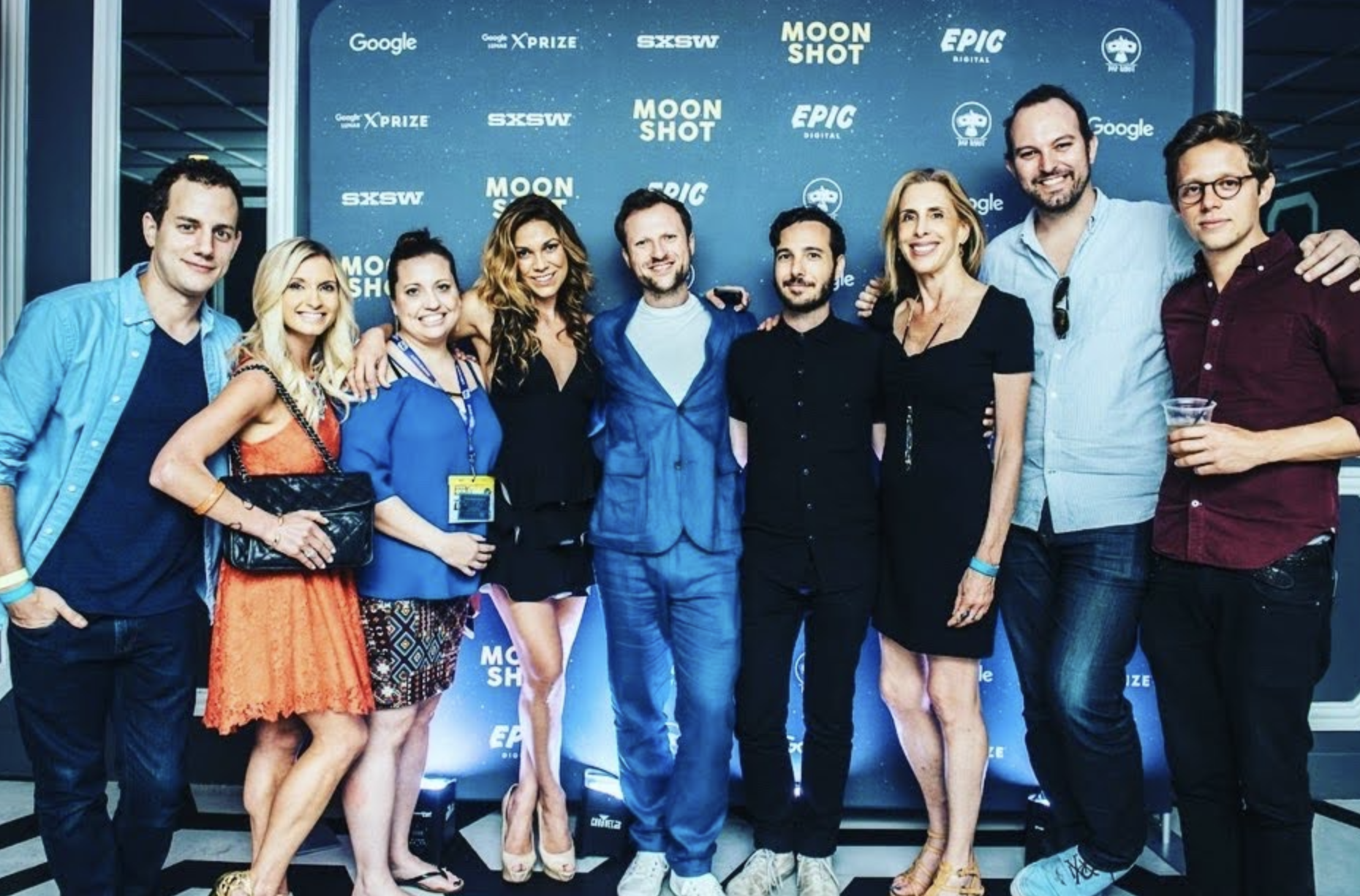
Gianna’s Gem - Your Vibe Attracts Your Tribe
Have you ever noticed how certain people seem to effortlessly attract success, opportunity, and genuine connections? I'm here to let you in on a little secret that's transformed my life and could change yours too: Your vibe attracts your tribe. Catchy phrase, yes, but it's a fundamental truth about how we create the lives we desire.
The Positivity Bubble: Choose Your Circle Wisely
Think of your life as a garden. One of my favorite sayings is “water the flowers, not the weeds.” The people you surround yourself with are either fertilizing your growth or casting shadows that stunt it. When you deliberately choose to spend time with individuals who inspire you, challenge you positively, and lift your spirits, you create what I call a "positivity bubble."
Inside this bubble, amazing things happen:
Ideas flow more freely
Opportunities multiply
Your confidence blooms
Your energy stays consistently high
You become more resilient to life's challenges and make smart decisions
You inspire other people to smile and be more generous and positive in return
I've witnessed this transformation firsthand. When I intentionally began surrounding myself with forward-thinking, optimistic people who were pursuing their dreams with passion, and avoiding or minimizing contact with those who were “downers”, my own ambitions suddenly seemed more achievable. Their energy was contagious, and before long, I found myself accomplishing goals I'd once thought were out of reach. The same goes with the content you imbibe. I used to be an avid watcher/reader of the news and now I check in, check out as quickly as possible since it’s easy to get caught in a negativity spiral. Instead, I think about what I’d like to focus on that day and then seek out proactively the content that supports the days goal. This might be health or work-related, and sometimes it’s just plain humor. I used to think “pointless humor” didn’t have a point in my day, but it actually raises your energetic frequency, reduces cortisol and can help you relieve stress and as a result think more clearly afterwards.
The Energy Vampires: Recognizing and Minimizing Negative Influences
We all know them—the chronic complainers, the pessimists, the people who can find the cloud around every silver lining and place the blame on others rather than taking accountability. I call them "energy vampires" because even a five-minute conversation with them can leave you feeling completely drained.
One negative voice in a meeting can derail an entire team's momentum. One pessimistic team member can infect everyone's outlook. Research has shown that negativity spreads more rapidly and powerfully than positivity—which means we need to be even more intentional about protecting our energy. And I’ve learned the hard way that it’s better to nip negative energy in the bud than to let it grow (pluck the weeds, remember?)!
This doesn't mean cutting people out cruelly. Instead, some approaches I find effective include:
Setting healthy boundaries around time spent with negative individuals and take a physical break if necessary to regroup
Redirecting conversations toward solutions when they veer into complaint sessions or gossip
Being the positivity you wish to see—sometimes your example can help shift someone else's perspective
If necessary, limiting exposure to those whose negativity consistently impacts your wellbeing, or removing them from your team before they “infect” the vibe and workflow
Manage up with stakeholders who have unrealistic expectations by leading by example and sticking to what you know is right. People respect leaders with backbones rather than “yes-men/women”.
Remember: Minimizing negative influences isn't selfish—it's strategic.
Building Trust: The Professional Superpower
In the professional world, trust is currency. When people trust you, magic happens. Projects flow more smoothly, collaborations become more fruitful, and opportunities find their way to your door.
Creating trust with your team, stakeholders, and vendor partners might be the single most valuable investment you can make in your career. Trust unlocks doors you didn't even know existed. I've seen vendors go above and beyond contractual obligations, team members support each other wholeheartedly, and stakeholders approve ambitious ideas in record time—all because of the foundation of trust that was established.
How do you build this trust?
Be impeccable with your word. If you say you'll do something, do it. If circumstances change, communicate quickly.
Recognize others' expertise. Trust is a two-way street; show people you value their knowledge. It’s not important to always be right, but it is important to be honest about where you shine and where you might need other’s insights.
Be transparent about challenges and proactive with potential solutions well in advance. Hiding difficulties only creates bigger problems down the road.
Take responsibility when things go wrong. No blame games.
Celebrate wins collectively. Share credit generously.
Over-deliver time and time again. This doesn’t mean being more “busy” it means showing up consistently and in a way that unblocks the team
Brings fresh perspective to challenging situations and keep the vibe positive (meaning no gossip about other team members)
The Art of Communication in Leadership
As an event leader, the way you communicate can mean the difference between chaotic disasters and seamless successes. I've learned that how you communicate is often more important than what you communicate. Soft skills like these are not always taught in courses or when you get a certification, but can make or break a great leader.
Here's my golden rule: Choose your communication medium thoughtfully.
Some scenarios where picking up the phone is better than sending an email:
When emotions are involved
When dealing with sensitive issues
When explaining complex concepts
When brainstorming is needed
When relationships need nurturing
When quick decisions must be made
I once had a situation where weeks of back-and-forth emails about a venue contract were resolved in a single 15-minute phone call. What was missing in those emails? The human connection, the ability to ask clarifying questions in real-time, and the warmth of actual voices sharing a common goal. I asked the hotel what they needed, I asked the client what they needed, and we settled on a middle ground where the most important clause was agreed to for the client and the hotel was able to hit their revenue targets by increasing our food/beverage spend while removing the meeting rental fees.
For event professionals, mastering the art of choosing the right communication channel at the right time isn't just efficient—it's transformative.
The Undervalued Power of Appreciation
In our fast-paced professional world, appreciation has become a forgotten art. We're quick to point out what went wrong but often neglect to celebrate what went right. This is such a missed opportunity!
A handwritten thank-you note to a vendor who went above and beyond. A letter of appreciation to someone's boss highlighting their exceptional work. A public acknowledgment of a team member's contribution during a meeting. I do all three of these regularly, probably more often than needed, but it is an important skill that makes a major impact.
Speaking of keeping the positivity bubble, I have a ritual for making Mondays more palatable with my family - we each have a hand carved wooden box with our names and we do “Monday Mail” after dinner on Mondays. It serves two purposes:
In preparing a thoughtful note (or finding another thoughtful token) for each family member, it helps us with gratitude, which combats the stress at the start of a busy week.
It raises the “vibe” and gives us something to look forward to on Mondays after a long day.
Similarly, I always prepare handwritten thankyou notes for my team to distribute the night before an event along with a thoughtful amenity if we’re staying at a hotel in addition to the post-event thank yous I send. Why? Because it sets the tone in advance for a positive week!
These simple acts have disproportionate power. They don't just make the recipient feel good—they strengthen bonds, build loyalty, and create a culture where people want to bring their best selves.
Putting It All Together
Your vibe truly does attract your tribe, both personally and professionally. The energy you put out into the world comes back to you multiplied.
By intentionally building your positivity bubble, minimizing negative influences, fostering trust, communicating thoughtfully, and expressing genuine appreciation, you create an environment where success becomes almost inevitable. In a world where technology often separates us, the human connection remains our most precious resource. Invest in it wisely.
This isn't just feel-good advice—it's practical wisdom that transforms careers and lives.
So I'll leave you with this question: What one relationship-building action could you take today that might improve your positivity bubble?
XX,
Gianna
What I’m Loving this week: For all my favorite vendors, partners and products, visit: https://www.giannagaudini.com/gianna-recommends
Event Recap: I’m thrilled that my last newsletter was appreciated by folks and featured in an Expert Opinion article by Corporate Event News. I had both the company who developed the app and one of the sponsors I called our email me directly to thank me for the appreciation (very on-theme for this week’s newsletter) and I was glad that people found the observations interesting. If you have any additional thoughts or questions about Google Next, feel free to reach out or read last week’s Gianna’s Gems if you missed it.
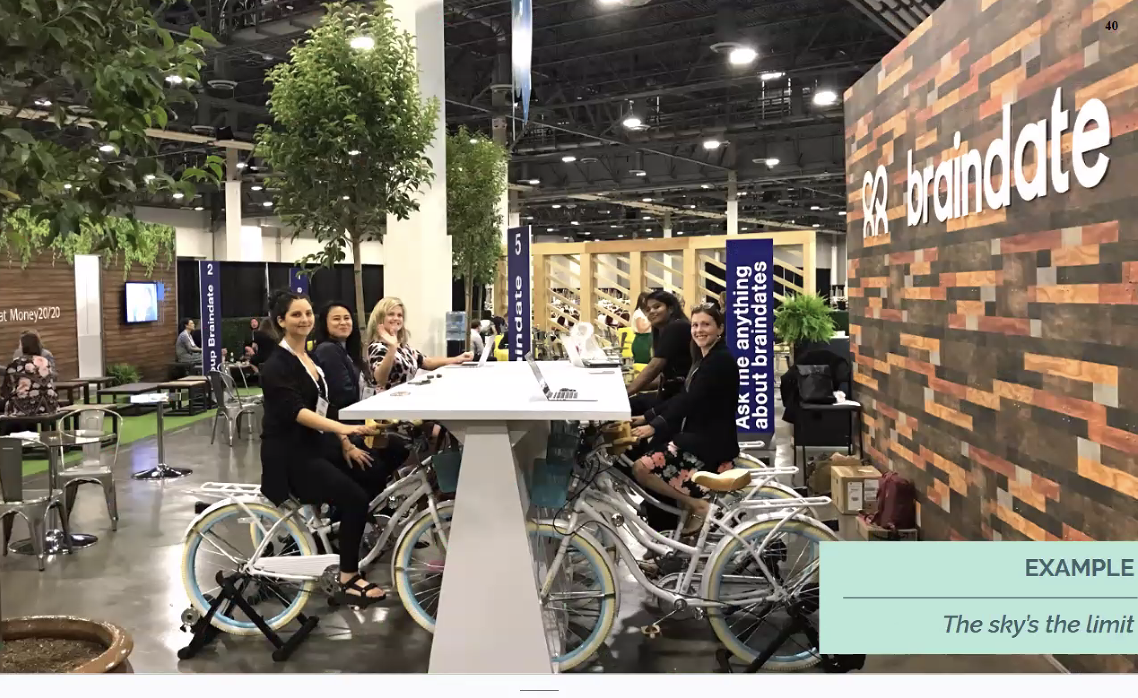
Navigating the Stress Spectrum: Understanding the Dual Nature of Stress
As we near the finish of first month of 2025, I keep hearing the 5 letter word “stress” in more and more of my conversations. Stress is inevitable, but it does fall on a spectrum, and can even be beneficial, which is why this week’s Gem is all about how to make it work FOR you.
One of my favorite Google Executives once shared: “Stress + Rest = Growth”
Stress, often vilified in modern discourse, actually exists on a nuanced spectrum. In the high-stakes world of event planning, understanding this spectrum becomes crucial for both personal wellbeing and professional success.
The Science Behind Eustress
Eustress, derived from the Greek prefix 'eu-' meaning good, represents positive stress that energizes and motivates. When experiencing eustress, your body releases a controlled amount of cortisol and adrenaline, enhancing cognitive function and physical performance. This biochemical response sharpens focus, improves memory retention, and boosts immune system function when managed properly.
Did you know: Our body actually releases cortisol in the morning to wake us up? If we didn’t have cortisol (often vilified along with stress), we might not even make it out the door!
The Shadow Side: Understanding Distress
Distress occurs when stress becomes overwhelming or chronic. Unlike eustress's energizing effects, distress triggers an excessive stress response that can lead to elevated cortisol levels, compromised immune function, and cognitive impairment. This negative stress state often manifests both physically and psychologically. Distress can also happen when too many stressors (which can be illness, work, family, emotional, etc) overwhen your body and mind’s ability to positive handle and recover from stress leading to overwhelm, burnout and compromised immunity and sense of well being.
Harnessing Eustress in Event Planning
Positive stress can become a powerful ally in event planning when properly channeled. If we mentally associate stress with eustress rather than distress, we can leverage it to our advantage and stop fearing it! Here ar esome examples of how we can use Eustress to make event planning much more palatable:
Creativity Enhancement:
The pressure of ideation sessions can spark innovative event concepts. I am currently planning one of these sessions, but building in time for a team lunch and icebreakers to add some team-building and levity to the tasks at hand.
Deadline-driven brainstorming often leads to unique solutions. A famous artist once told me he prefers to have constraints because it makes him produce better work. Similarly, I often will give my creative event agencies some constraints as I find it helps give them a better target than having to start from complete scratch.
Competition in the industry can drive excellence in execution. I remember working at Google we’d have team meetings where we shared our post-event recap decks to the event team and broader marketing. When I was more junior, I used to compare myself to those presenting, but then as I matured in my career and on the team (9 years at Google!), I felt more and more inspired which led me to growing in my career and becoming a leader and mentor on the team.
Performance Optimization:
Heightened awareness during critical planning phases - This is where the phrase “If you want something done, ask a busy person” comes from!
Enhanced problem-solving capabilities when facing logistical challenges - I use “mental rehearsal” to prepare my brain for how I’ll handle challenges and find that in doing this, I perform really well under pressure so it’s not stressful.
Improved focus during vendor negotiations - One of my specialties! This can become rewarding rather than daunting and save you or your clients loads of money!
Team Dynamics:
Increased collaboration under shared positive pressure. Sometimes called stress-bonding, it happens often to event professionals which is why we’re such a supportive community.
Stronger bonds formed through collective challenge-meeting. If you want a great team-building, try an obstacle course or escape room with your team to “rehearse” getting through challenging times together
Recognizing and Managing Distress Signals
So when does Eutress become Distress? Below are some indicators that the stress in your life is no longer advantageous and you might need to start regulating your body’s response to it before it sends you into fight/flight/freeze overdrive:
Physical Symptoms:
Persistent headaches or migraines
Disrupted sleep patterns
Digestive issues
Muscle tension and physical fatigue
Professional Impact:
Difficulty maintaining client or colleague relationships
Decreased quality of work deliverables or difficulty focusing
Communication breakdowns with team members
Missed deadlines or errors
Emotional Manifestations:
Irritability with stakeholders
Anxiety about event outcomes
Decreased enthusiasm for projects or burnout
Emotional exhaustion or depression
Preventative Measures and Management
There are plenty of ways to learn how to regulate stress and harness it to your (and your team’s) advantage before it gets distressing, and also how to recover if you find yourself getting pushed off-kilter:
Some of my favorite preventative measures include:
Strategic Planning
Implement robust project management systems for your events to reduce the times you reinvent the wheel, saving you time and preventing errors.
Create detailed timelines with buffer zones which also help manage expectations with stakeholders.
Develop comprehensive contingency plans so you can “stress” about the worst case scenario, establish what you’ll do, and then clear it from your mind.
Establish clear communication protocols with your team (i.e. if you don’t work a certain time of day, weekends, prefer slack to text/email, etc). I always ask my stakeholders, and freelance/agency partners their preferences and it goes a long way in maintaining people’s sense of wellbeing!
Optimizing Team Structure and Team Building
Define clear roles and responsibilities so everyone knows the expectation and work isn’t duplicated
Create backup systems for critical positions (it is the season for illnesses and we don’t need people pushing themselves over the top when physically unwell).
Establish mentorship programs and regular team wellness check-ins - Even starting each conversation with a check in can go a long way in releasing tension and establishing support. Humor has been shown to reduce cortisol as well!
Review team resourcing periodically: I do this with my team and cross-functionally to make sure the load of events is distrbuted to be manageable by all involved.
Schedule regular team bonding activities, recognition and reward systems. I even like to send handwritten notes and flowers (or other goodies like Opentable gift cards) to team members after major events as a small token of appreciation.
Next week, I will focus on Buillding Stress Management in Event Design. Believe it or not, traveling to events can be a major stressor and if you can alleviate even half the stress for your attendees, you’re half way to building an advocate for life.
What ONE THING I’m Loving This Week: For all my favorite vendors, partners and products, visit: https://www.giannagaudini.com/gianna-recommends
One of my favorite vendors, Eva (full disclosure, I’m also on their Advisory Board), recently launched their new New York market which means loads of additional top entertainers, speakers, and more in that market. I’m thrilled to share some exciting news: BizBash just awarded Eva as the 2024 Best New Product/Service! In case you needed another reason to work with this amazing team.
If you don’t see the market you’re in need of entertainment or speakers for, fret not - they most likely still have resources for you, and I’m happy to make an intro (just shoot me a note with your needs).
XX,
Gianna
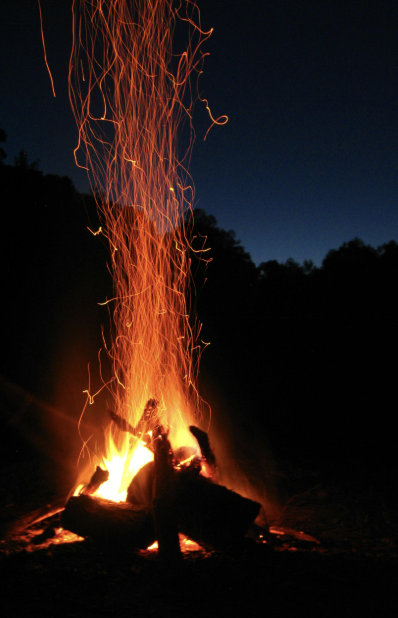
When Plans Go Up in Smoke: Finding Renewal in Unexpected Changes
As event planners, we pride ourselves on anticipating every scenario, having backup plans for our backup plans. But sometimes, life throws us curveballs that no amount of planning could prepare us for.
Recently, watching many of my friends, family, and clients city of Los Angeles face devastating wildfires, I've been reflecting on how we handle those moments when our carefully crafted plans go up in smoke – literally and figuratively, and how we can try to look forward with an optimistic perspective.
The Event That Never Was
It's so easy to get caught up in what's missing in our professional lives—that dream job that fell through, the perfect speaker who had to cancel, or the signature event series or title you imagined would define your career by now. I've been there, circling the same mental track of "what-ifs" and "should-haves," and it's exhausting. But watching Los Angeles burn was a jolting reminder to pause and really see what I do have, which, as it turns out, is a lot. I wouldn’t have my career path any other way than it has unfolded, even though I couldn’t have predicted some of the twists and turns I have taken along the way.
I’ll never forget one year I was managing a global conference for 20,000 internal attendees and it was canceled a mere 6 weeks before the event! At first, I thought I was dreaming because of fatigue (I was definitely burned out at that point in my career), and then… as I saw literally every meeting on my calendar evaporate…I was left NOT with relief, but of fear and emptiness. I didn’t have any other modus operandi other than adrenaline-fueled pedal-to-the-metal and suddenly having that much open time freaked me out and made me question my worth and usefulness to the company.
My team had recently hired about a dozen new event team members to support this major event and they found themselves feeling even more aimless than I did while also trying to acclimate to a new team. As one of the Event team OG’s, I came up with the idea to create an “Event Marketing Academy” for our team and the broader company. Luckily, our CMO approved!
I surveyed my internal team about what skills they wanted to develop and what they could teach everyone else. I then put together a 3 month curriculum where twice a week, a team member would present to the team on something: topics like contract negotiation, how to lead a creative brainstorm, how to lead a product launch, retail store marketing, and more. I recorded all of them and pulled them all together on a Google Site which became an online “course” for all marketing team members to resource moving forward.
It was a project that brought me so much joy to coordinate, brought our team together during a hard period, and allowed people to find meaning and purpose during a down-time plus made our team leaders at the company. I’ll never forget how great it felt to actually have the space to think up and orchestrate a project like that, which I never could have done while Exec producing a 20,000 person event.
Side note…I also booked a trip to Sydney Australia over the week that 20,000 person event was originally planned to take place in Las Vegas. That Sydney trip was one of my most memorable trips ever - I even considered moving there! I’m so grateful I was able to go, enjoy friends there, without even a thought about my inbox!
Life is ultimately a series of decisions from moment to moment, day to day, that color the shape of your life. Every decision you make, every change in situation that forces a change in your life, closes one door, but makes room for another to open. I have always embraced change and used it as an opportunity to learn and grow. Muscles need tears to grow stronger - with pain comes strength when given time to heal.
When Your Timeline Goes Up in Flames
In our industry, we know that disruption is inevitable. Just as fire tears through landscapes, unexpected challenges can tear through our most meticulously planned events and marketing campaigns. But here's what two decades in event planning has taught me: these moments of disruption, while initially devastating, often clear the way for innovation and renewal.
Any unexpected professional setback—a canceled conference, a slashed budget, the loss of a key team member—can feel like a wildfire sweeping through your career. It scorches everything familiar, leaving behind an uncertain landscape where your carefully constructed plans once stood. But the hardest part is recognizing that, somewhere in the ashes of what could have been, there's potential for something even better.
Finding Your Footing in Shifted Ground
It's impossible to recognize the opportunity in the moment, of course. When you're standing in the wreckage of a derailed event or a failed campaign, it's all too raw, too overwhelming. That perspective only comes later, when you're looking back from the successful launch of your pivot or the unexpected success of your last-minute Plan C.
As event professionals, we understand better than most that setbacks are universal. Maybe that's why our industry is so collaborative, so willing to share resources and insights. In moments of crisis, we can lean into that shared experience to find strength, hope, or at least some valuable connections. On that note - please reach out if I can help you make any connections!
Auditing Your Event Portfolio
I'm still grappling with the unexpected twists of 2025, and I'm sure there will be many more challenging moments ahead. But for now, I'm helping my clients focus on what I call an "Event Portfolio Audit"—taking stock of what's working, what isn't, and being grateful for the opportunities that setbacks create for innovation and growth.
For those looking to support those affected by the Los Angeles wildfires, I've contributed to the GoFundMe Wildfire Relief Fund 2025. As someone who has planned countless events in this resilient city, I'm rooting for the people of Los Angeles, for the venues that will rebuild, the landscapes that will regrow, and for all of us in the events industry to find creative solutions in what's been a challenging start to the year.
Remember: sometimes the most memorable events are born from the ashes of original plans gone awry. It's not about the perfection of the initial vision—it's about the creativity and resilience we bring to the pivot.
What I’m loving this week:
Speaking of reinvention, I have officially announced my favorite caterer to the world by adding them to my Gianna Recommends page. Componere is an amazing company that has their own farm and sources all local and sustainable meat/fish while elevating the dining experience with chefs who have reinvented themselves coming from Michelin star restaurants like French Laundry.
Componere has been my top catering partner for over 12 years and I'm thrilled to share their incredible story. Their mission is to elevate the catering experience and create truly special, world-class dining experiences. Componere is Latin for "to bring all the pieces together" and I've seen them do this at every touchpoint. They always come to the table (literally) with innovative ideas, are always willing to work with me to incorporate my creative requests, and have been an invaluable logistics partner on executing seamlessly for top brands I've worked for like Google and SoftBank. Learn more about them here and reach out to me for a personal introduction.
XX,
Gianna
P. S. Need event advice?
Book a 15 - 60 min 1:1 using my link for Expert advice on intro: intro.co/GiannaGaudini
Time Stress: The Hidden Cost of Modern Life and How to Break Free
Time Stress: The Hidden Cost of Modern Life and How to Break Free
Every morning as I sip my coffee and review my calendar reminders (my version of a to-do list), I'm reminded of a universal truth: we all have the same 24 hours in a day, yet somehow it never feels like enough. This phenomenon, which I call "Time Stress," has become the silent epidemic of our generation, affecting everyone from busy professionals to dedicated parents and especially those planning significant life events.
When I hit 40, I suddenly had an awakening that I has a desperate aversion to wasted time, be it in pointless meetings, waiting in lines, grocery shopping inefficiently, you name it, and this is what finally kicked me into full speed ahead mode with departing the corporate world and launching my own business. I am now producing about 5X as much and with zero time wasted each day, or at least close to zero time wasted.
I was recently having a conversation about this awakening with a friend of mind in a similar conundrum which is why for this week’s Gianna’s Gems, I wanted to bring it to light and include strategies for dealing with it, whether you’re in events or just human.
Understanding Time Stress
Time Stress isn't just about being busy – it's that constant, nagging feeling that you're always behind, always racing against the clock, and never quite catching up. It's the weight on your shoulders when you look at your to-do list and the anxiety that bubbles up when another commitment gets added to your plate.
I see this particularly intensely in my event planning work, and because I’m always looking twenty steps ahead, I tend to have a harder time being “in the moment” because I’ve trained myself to always be contingency planning. But here's the truth: Time Stress isn't inevitable. It's a pattern we've fallen into, and like any pattern, it can be broken.
The Real Cost of Time Stress
Before I dive into solutions, let's break down what Time Stress is actually costing us:
Mental Health Impact: The constant state of rush and overwhelm triggers our fight or flight stress response, leading to anxiety, decreased sleep quality, and emotional exhaustion and burnout.
Relationship Strain: When we're time-stressed, we're less present with loved ones, more irritable, and more likely to miss important moments.
Decision Fatigue Time Stress: clouds our judgment, leading to poor choices and a tendency to procrastinate or rush important decisions.
Financial Consequences: Rushed decisions often lead to overspending, while the physical and mental toll can impact work performance and earning potential.
Breaking Free: A New Approach to Time
Here's where I'm going to share something that might feel uncomfortable at first: Sometimes, the most valuable way to spend your money is on buying back your time. This isn't about being wasteful – it's about being wise with your most precious resource.
Strategy 1: The Power of Strategic Outsourcing
Think about your typical week. How many hours do you spend on tasks that:
Don't bring you joy
Could be done by someone else
Take you away from higher-value activities
Now, consider the revolutionary concept of viewing your time as an investment portfolio. Just as you wouldn't waste a valuable investment on low-return activities, why waste your precious time on tasks that could be delegated?
Example 1: A few years ago, I realized I was always under water during December with end of year planning, holidays, and hosting events. I realized that gift-wrapping zillions of gifts and sticking stuffers was no longer joyful - it felt like time ticking away. So I hired someone to wrap my gifts! Now, I still have the joy of finding and purchasing all the gifts, writing the heart-felt cards, but know that I’m saving about ten hours on wrapping which I can spend on other things (like hiding Elf on the shelf for Jack). As a bonus, I’ve become friends with the fellow Mom gift-wrapper and she even introduced me to her daughter as a babysitter for Jack - talk about a winning strategy!
Example 2: I’ve been known to hire professional photographers (or ask my Dad!) and dishwashers to help when I host big events at my home or for others. It takes the stress of the clean-up and I can mingle with my guests and be 100% present while knowing the special moments are being captured by someone.
Strategy 2: Building Your Time-Saving Dream Team
Here are some examples of how to build a support system (and by no means exhaustive):
Personal Life Support
House cleaning service (3-4 hours gained weekly)
Meal prep or delivery service (5-7 hours gained weekly)
Virtual assistant for administrative tasks (2-3 hours gained weekly)
Laundry service (2-3 hours gained weekly)
Carpool (4-6 hours gained weekly)
Professional Support
Bookkeeper for financial organization
Social media manager for online presence
Research assistant for project preparation
Technical support for computer and software issues
Event Planning Support
Professional planner for overall coordination
Day-of coordinator for execution and advancing venues and greeting guests
Specialty vendors for specific elements like photography
Catering team
Creative team to help with everything from invite design to menus, favors and signage
The Money vs. Time Equation
Let's talk numbers. Yes, hiring help costs money. But consider this equation:
Your Hourly Value × Hours Saved = True Cost Benefit
If your work generates $100/hour and you spend 5 hours weekly on cleaning, paying $100 for a cleaning service actually nets you a $400 profit in potential earnings – not to mention the mental energy saved. Plus, you may have a creative idea with that mental space that propels your career forward exponentially!
Strategy 3: Time Management Techniques That Actually Work
Even with support, you need solid time management practices:
Time Blocking with Buffer Zones: Schedule your day in focused blocks, but always include 15-30 minute buffers between activities. These aren't breaks – they're reality cushions for life's inevitable surprises, or self-regulating techniques like meditation which can replenish your “adaptation energy” so you don’t burnout or lose it on your poor spouse or dog.
The 2/2/2 Rule: Give yourself a perspective check-in by seeing your life in landscape mode:
What will matter in 2 days?
What will matter in 2 months?
What will matter in 2 years?
Use these questions to prioritize your time and energy.
Energy Management: Track your energy levels throughout the day and schedule high-priority tasks during your peak hours. Save administrative or simpler tasks for low-energy periods.
Making the Mindset Shift
The hardest part about managing Time Stress isn't implementing these strategies – it's giving yourself permission to use them. Here's your permission slip:
You don't have to do it all
Asking for help is a sign of wisdom, not weakness
Your time has real, quantifiable value
Investment in time-saving support is an investment in your wellbeing and a better life
Your Action Plan for Time Freedom
Audit Your Time - Track everything you do for one week. Be honest and detailed.
Calculate Your Hourly Value - Not just your work rate – include the value of your peace of mind and personal time.
Identify Your First Delegation - Choose one task to outsource this week. Start small if you need to build confidence.
Build Your Support System - Research and interview potential service providers. Remember, you're building a long-term relationship.
Monitor and Adjust - Keep track of your time savings and stress levels. Adjust your support system as needed.
The Ultimate Investment
Remember this: every minute you spend stressed about time is a minute you're not fully living. Every hour spent on tasks that don't align with your highest value is an hour you can't invest in what truly matters.
Your time is your most valuable asset. Protect it fiercely. Invest in it wisely. And most importantly, give yourself permission to create a life where Time Stress is the exception, not the rule.
Happy first week of 2025 everyone!
What ONE THING I’m Loving This Week: For all my favorite vendors, partners and products, visit: https://www.giannagaudini.com/gianna-recommends
As a reminder, this year I’m all about LESS IS MORE, and for 2025, I’m sharing just ONE thing I love this week.
This week, I had dinner in Miami with the amazing speaker, author, and former pro tennis player, Danielle Mills Walden. She introduced me to the amazing platform, Intro,where you can find experts to mentor you for 15 minutes or longer and on a one-off or regular coaching basis to support your goals, dreams, business needs. The platform is inspiring and helpful with some incredibly talented entrepreneurs, leaders, and even health, beauty and wellness experts. I am honored to have just joined as an expert myself and if you or anyone who is stressed with time and could use some 1:1 coaching needs my support, you can find me here: https://intro.co/GiannaGaudini?source=intro
Gianna's Gem: Zero F's Given. Why Less Is Always More
Hi there and happy first official week of spring,
I just wrapped up my client's presence at RSA Conference with a cheeky campaign I adore… "Zero F's"... and no, that's not a typo or a provocation (well, maybe a small one). In this case, the "F" stands for friction. Zero points of friction, which is the promise my client makes to their customers and which we embodied experientially at our conference presence. And the response was electric.
But here's the thing: the campaign worked not just because it was edgy and memorable, but because it captured something that the highest-performing businesses already know… and most are too afraid to actually do.
Less is not a compromise. Less is a competitive strategy.
Gianna's Gem: The most powerful thing you can add to your business, your event, or your experience is often the thing you have the courage to remove.
Let me explain what I mean, and why this idea has been quietly running some of the world's best-performing companies for decades.
Start With the Japanese.
Before Apple had its minimalist genius and before Amazon had one-click checkout, there was a manufacturing revolution happening in Japan. Toyota and other companies were pioneering something called lean manufacturing, a relentless obsession with eliminating waste. Not just inefficiency, but anything that didn't add direct value to the customer. They called these waste points muda, and hunting them down became a cultural sport.
The insight was radical: you don't always grow by adding. Sometimes, you grow by subtracting everything that was quietly slowing you down.
That idea didn't stay in the factory. It traveled into product design, software, business strategy, and yes, into events. The best brands and the best event experiences are engineered around this same principle, whether their creators know it or not.
Zero Points of Friction: The Experience Your Customer Deserves
Friction is anything that makes someone hesitate, stumble, or give up.
In events, it's the registration or post-event survey form with fifteen fields when three would do. It's the check-in line that snakes around the building. It's the required event app nobody was prompted to download before arrival. It's the panel that ran twenty minutes over and made everyone late for lunch.
In business more broadly, it's the five-step approval process for a two-hundred-dollar decision. It's the checkout flow that loses 70% of buyers before they hit "confirm." It's the onboarding experience that makes a new customer feel stupid or frustrated.
Here's the hard truth: most friction is invisible to the people creating it. You're so close to your own process that you stop seeing the obstacles your customer is navigating. That's why the best companies, and the best event planners, build with fresh eyes, ask stupid questions, and ruthlessly audit their own experience from the outside in.
One of my favorite exercises when planning a new event: I walk the entire attendee journey before anyone arrives. I deliberately identify pain points and propose ideas to turn them into moments of relief and delight instead. I check in as if I've never been there. I look for every moment of confusion, every unclear sign, every moment where someone might stall. Then I eliminate it. Not improve it, eliminate it.
Gianna's Gem: Your job isn't to manage friction. Your job is to remove it before your attendee ever feels it.
Addition by Subtraction: The Counterintuitive Power of Cutting
Here's where things get counterintuitive.
Every instinct tells us that more is better (I’m Italian, so I get the more is more mentality, believe me!). More sessions, more speakers, more sponsors, more swag, more options. More signals effort. More says we care. More feels safe because it's harder to be criticized for trying too hard.
But your attendees? They don't want more. They want better. And better almost always means fewer, sharper, more intentional choices.
Gianna’s Gem: Have you ever heard the famous quote “If I had more time I would have written less”? Editing is elegant…it’s a skill…it signals confidence and creates clarity.
Think about Dyson removing the vacuum bag… not to save money, but to improve suction and eliminate the maintenance nightmare customers hated. Think about Google's search homepage, which has barely changed in twenty-five years: one box, one button, radical clarity in a world of visual noise. Think about Apple stripping features competitors were proud of, and winning market share because of the elegance that remained.
I've seen this in my own work. Some of the most powerful events I've ever produced had fewer sessions than the ones that came before them. When we cut three breakout tracks and focused on two really extraordinary ones, the energy in the room was palpable. People stopped scheduling hallway escapes. They actually stayed.
Addition by subtraction isn't about doing less because you ran out of budget or time. It's a strategic choice to focus your resources on what genuinely matters to the people in the room, and have the confidence to let the rest go.
Better All the Time: The Compound Effect of 1% Improvements
Now here's where it all comes together.
James Clear, in Atomic Habits (a book I recommend constantly, including in a previous Gem), describes the mathematics of marginal gains: if you improve by just 1% every day, you'll be 37 times better by the end of the year. Thirty-seven times. From 1% increments.
The businesses that sustain excellence aren't doing massive overhauls every quarter. They're doing small, consistent, relentless acts of refinement. They're removing one friction point per sprint. They're cutting one underperforming feature per release. They're tightening one process, shortening one form, clarifying one piece of messaging.
Compounded over time, that discipline becomes an enormous, durable competitive advantage. And it's one that most competitors can't replicate, not because it's technically hard, but because it requires patience, humility, and the willingness to always ask, what's still in the way?
For events, this means treating every activation as a learning opportunity:
What confused people?
What slowed them down?
What did they skip?
What did they love so much they came back for seconds?
I love data (there’s no bad data!) So, once you’ve answered these questions, take that data, make one better decision, and do it again next time.
Gianna's Gem: Excellence isn't an event. It's a practice. And the businesses that win are the ones that never stop asking what they can remove, refine, or rethink.
Why This Combination Is a Business Superpower
Here's the thing about "Zero F's" as a campaign: it worked because it was true. It wasn't a tagline. It was a philosophy. And the reason it landed so well at RSA, a conference full of security professionals who are professional skeptics, is because the people in that room are wired to spot friction and demand that it be removed.
The convergence of these three principles: zero friction, addition by subtraction, and continuous improvement, creates something the competition can't easily replicate: a business that is leaner, faster, more focused, and genuinely better to work with at every touchpoint.
It improves your bottom line (less friction means more conversions, fewer costs). It deepens loyalty (people return to experiences that respect their time). It builds a culture of excellence internally, where your team is always looking for what can be optimized rather than just maintained.
And perhaps most importantly: it keeps you honest. Because when your standard is zero friction, there's no hiding behind "good enough."
Your Challenge This Week:
Identify one process, one event element, or one customer touchpoint that has unnecessary friction baked into it. Not the biggest one. Not the most complex. Just one. Then ask yourself: can I remove this entirely? If not, can I simplify it by 50%?
Start there. Repeat next week. That's the whole game.
You've got this.
XX,
Gianna.
Want to work with Gianna and learn more frameworks for creating the gold standard in events and experiences? Visit giannagaudini.com/learn-from-me

Slow Down to Move Fast
Have you ever wondered why you suddenly get that “Big Idea” when you’re sitting at a beach on vacation? Or while hiking in nature?
I’ve been having a lot of conversations with my clients around this phenomenon lately - a trend that people seem to be warming up to. Did you know both Steve Jobs and Bill Gates are both famous for taking retreats where they totally detached to come up with their biggest ideas?
"Steve would be on vacation, and he would be pondering where the next product, the next direction for Apple, new technologies, things he's reading,"...He used that vacation as a time to kind of expand his thinking and get outside of the Apple day-to-day." - Tony Faddell, who invented the iphone.
His team shared that they expected not to hear from Jobs for the extent of his trips. But while that was true for the first 24 to 48 hours, vacation proved to ignite Job's creative juices more than anything else and they’d end up getting calls from him 5-6 times a day to research or brainstorm the big picture ideas he was coming up with.
So This Week’s Gianna’s Gem, just in time for summer is: Slow Down to Speed Up.
Slowing down to speed up could mean being conscious of the many distractions that bombard you and keep you from getting to where you want to go in a shorter amount of time.
Slowing down to speed up may mean eliminating a lot of unimportant things you do so you have more time for the important things.
It can also mean taking time to plan an event for your team, your leadership team, or your entire company to connect, spend time building relationships, and coming up with moonshot ideas or solutions to increase organizational efficiency and flow.
What this looks like for companies:
Spending just 2 days together at an offsite can end up generating your next big breakthrough product, eliminate major inefficiencies and improve team communication so that your company can improve how it works and drives business results (AND, a great morale booster)!
Some might protest it’s too costly from a budget/team/resource perspective to invest in these kinds of events for their own teams, but I argue that’s a penny-wise, pound foolish approach.
By slowing down to build the foundation RIGHT, you can build a higher building (or skyscraper if you have big dreams) on top. But a weak foundation will cause any new additions to your building to crumble, or at a minimum be unstable or unreliable. There are plenty of creative solutions if budget, time, location, etc. is daunting to you (just reach out and I can help you optimize what you are solving for).
What this looks like for events:
Events have so many tasks and deliverables, it’s easy to get caught up in getting them all done and as quickly as possible. But when we move to “execute-mode” too often with events, we sometimes fail to see creative solutions and ideas that might end up saving us a lot of pain/budget/time and improving the attendee experience.
I recently helped a client shave hours off their weekly planning and hundreds of thousands off their budget by auditing their event (EVERYTHING, I mean budget, team structure, timeline, contracts, staging and creative…) and rebuilding the foundation of the event for them even though they were midway through planning.
We had to pause on the forward-movement and rebuild the foundation (estabish clear team structure, ROI measurement, budget structure, operating process, exec reviews, etc), but after two weeks of building a strong operating structure, we started flying!
Decisions were being made swiftly because we had operational efficiencies in place, clear structure for reviews and clarity on which ONE person was the ultimate decision maker and which ONE person was performing the task, and clear objections which allowed us more focus and prioritization and ultimately a much more successful event.
What this looks like for you:
Many of us are Type A’s (guilty as charged) and never seem to have enough hours in a day to do it all. We are often overloaded these days with so much content, noise, activities, that it becomes distracting to our bigger-picture vision and ability to see clearly our real priorities each day, let alone each year. But like the slow-food movement, which encouraged people to stop eating on the go, and savor food with appreciation, I think people are finding the same to be true with how they are approaching how they connect and engage with the world and each other.
Here are some tips if you can’t take a vacation TODAY (because honestly, that R&R is a good investment in your future success!)
Ground yourself in nature: Even 10 minutes walking in nature can reduce cortisol and help you take a step way from your screens and have space for creative solutions and ideas.
Sleep: You will probably be more efficient, creative and effective if you get an extra hour of sleep rather than spend an extra hour on emails (and we all know you’re also on social media - not helpful before bed!)
Meet: Spend time getting out with friends, going to events, museums, whatever nurtures your soul and connects you with others. It will pay off to take a break from your screen and share ideas and get inspired from being in a new environment. That’s why we all love events ;)