
Trust - The Foundational Key to Success in Events (and Life)
Hi there!
Let's talk about trust. It's the invisible currency that makes the world go round, the secret sauce that transforms ordinary partnerships into extraordinary collaborations, and what separates the amateurs from the pros in every single industry.
Trust isn't just a nice-to-have – it's the non-negotiable foundation upon which every successful relationship is built. Whether we're talking brands and customers, agencies and corporate partners, event teams, families and friends, or that most important relationship of all (the one with yourself), trust is your golden ticket to a life of seamless success.
Your executives need to trust that you’re guiding them in the program’s best interest without micromanaging and making decisions by committee. Your team needs to trust you’re their “shit umbrella” and have their back so they can keep focused on their respective roles and responsibilities. And you? You need to trust that everyone will deliver on their role so the whole event comes together beautifully, overseeing things as a leader and inspiring people to come together operating as #OneTeam with a shared goal.
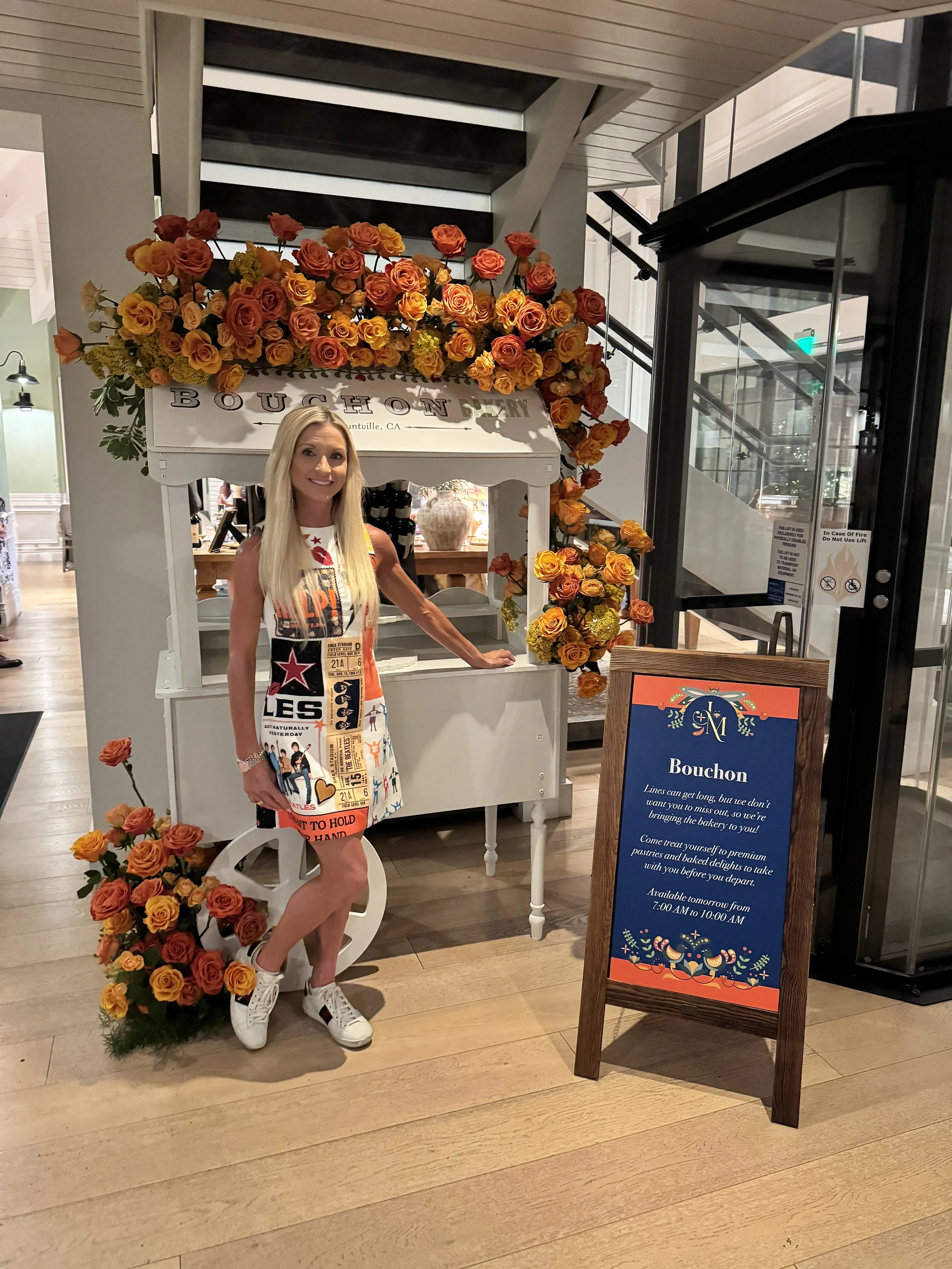
I’m just coming off a beautiful milestone birthday celebration where my client trusted me so much that they didn’t even request a week-of meeting or event day walkthrough. I had provided them consistent updates, handled all of their guest communication while they enjoyed a month-long vacation the month before their big bash,. They were so relaxed on the day of the event, they arrived later than planned since they were relaxing at home watching tennis in the morning trusting that I had everything covered!
I understood their goals, their budget, and what they hoped to get out of the event, and they told me they loved how I made it simple for them to make decisions. They never second-guessed my recommendations, and the result? A flawless celebration that looked like it belonged in a magazine with the client overjoyed, guests raving about the seamless experience, and my team and vendors all one-team working together in harmony with smiles on our faces since we could all do our jobs (well) and deliver joy.
This is why I start every pre-con (pre-conference) with a compliment to the team involved, and appreciation for everyone’s efforts, why I ask what’s keeping everyone up at night, and then resolve it in advance so we enter the event feeling secure, confident, and ready to be able to “add magic” rather than fight fires.
An example from this past weekend? I was so relaxed at our seamless registration desk, that when a guest told me she’d forgotten her lipstick and couldn’t find a store in the small town of Yountville that sold it, I told her not to fear. I pulled up Doordash on my phone, asked for her color preferences, and had two colors of lipstick delivered to the front desk within the hour. I even covered the cost for her so she wouldn’t have to bother with that. She was so thrilled, she kept telling me it was the most magical thing that had happened to her that day. When everyone is working in harmony, the team has the mind space and desire to go above and beyond, and create magic. A far cry from how a team operates under stress with no room to say “yes” to additional requests or think creatively and with a kind, giving mindset.
Compare this to events where trust is lacking – where vendors are constantly questioned, where team members hide information, where everyone's covering their own backs instead of working toward the shared vision. Those events feel tense, disjointed, and frankly, exhausting for everyone involved.
Gianna’s Gem: Planning events without trust is like conducting an orchestra where nobody can see the conductor. It's pure chaos!
Why Brands Must Earn Customer Trust (And Keep It Sacred)
Picture this: You walk into your favorite boutique, and without even looking at price tags, you know everything you pick up will be worth every penny. That's trust. When customers trust your brand, they become more than buyers – they become believers, advocates, your personal cheerleading squad.
Take Patagonia, for instance. They've built such unwavering trust by consistently delivering on their environmental promises that customers will literally tattoo their logo on their bodies. When Patagonia says "Don't buy this jacket" in an ad promoting sustainability, people trust that they mean it – and ironically, it makes them want to buy it even more.
Or consider how Glossier built an empire by trusting their customers to be part of the conversation. They didn't just sell beauty products; they created a community where every customer felt heard, valued, and trusted to shape the brand's future.
When trust exists between brand and customer, magic happens. Customer acquisition costs plummet because word-of-mouth becomes your best marketing channel. Retention skyrockets because people stick with brands they trust. And here's the kicker – trusted brands can charge premium prices because customers know they're getting premium value.
The Agency-Corporate Dance: Trust Goes Both Ways
Now, since this newsletter caters to event and business professionals, let's talk about the beautiful dance between agencies and their corporate partners. These relationships bloom when trust is present, and I've watched it crash and burn spectacularly when it's not. And while trust takes weeks…months…years to earn, it can be lost forever in one minute.
When an agency trusts their corporate client, they bring their A-game creativity without fear. They pitch bold, innovative ideas because they know their partner will give them fair consideration. They show up, go above and beyond and even flex on things like pricing and timelines because they want the client to win. They feel skin in the game as a trusted partner. Meanwhile, when corporations trust their agency, they give them the creative freedom to work magic instead of micromanaging every pixel and comma, and they hire them without a lengthy RFP process because they know the agency will deliver.
I typically give agencies the trust to give a creative pitch their all without micromanaging the process and putting too many constraints on them. For a recent program, I gave my agency complete creative control for an experiential activation. The result? A 40% increase in social impressions. Why? Because trust allowed the agency to take calculated risks that a fear-based relationship never could have supported.
On the flip side, I've witnessed agencies bend over backwards for corporate clients who questioned every decision, demanded endless revisions, and never quite believed in the expertise they were paying for. The result was always the same: diminished morale, mediocre work, unachievable timelines, budget overage, and everyone walking away frustrated and never wanting to work together again.
The Most Important Relationship: Trusting Yourself
There’s one relationship that I’ve only really started to excel at with age (I’m no spring chicken!) and that’s self trust. None of this external trust matters if you don't trust yourself first. And I'm talking about really trusting yourself, especially when it comes to listening to your body, tuning into how you feel around people, in your gut, and trusting your intuition. (ps, meditating helps hone this intuition!)
Your body is your most honest advisor. When you walk into a meeting and your stomach tightens, that's your body saying "pay attention." When you feel energized after a phone call with a potential client or collaborator, that's your body giving you the green light. When you're pushing through exhaustion or sickness instead of resting, and rewarded it for it by your clients, that's your body begging you to trust its wisdom.
I learned this lesson the hard way when I ignored my body's signals during a particularly intense event. I was running on fumes, working despite a 103 fever, and telling myself I'd rest "after this project." My body was practically screaming for me to slow down, but I didn't trust what it was telling me. The result? I ended up recovering for two weeks, missing an important social event I was looking forward to. Now I trust my body like I trust my best friend – because that's exactly what it is. When it says I need a chamomile tea instead of another espresso, I listen. When it says this client meeting feels off, I pay attention. When it says I need to meditate rather than doing a HIIT workout, I honor that wisdom. And it’s had a 100% success rate for me. Trust the body.
The Time, Money, and Seamlessness Factor
Working with people you trust isn't just emotionally satisfying – it's financially brilliant. Trust eliminates the need for excessive RFPs and iterations, check-ins, and protective measures that eat up time and resources.
When you trust your team, you spend less time on status meetings and more time creating and celebrating. When your clients trust you, they approve concepts faster instead of requesting endless revisions. When vendors trust each other, projects flow like silk instead of grinding to a halt over miscommunications.
I once calculated that working with trusted partners cut project timelines by an average of 30% compared to working with new or unreliable vendors. That's not just efficiency – that's pure profit, darling.
When Trust is Broken: The Road to Redemption
We’ve all had it happen– sometimes trust breaks. Maybe a vendor doesn't deliver as promised. Maybe a client changes the scope without adjusting the budget. Maybe you hear someone talking negatively about a person they pretend to be friendly with in group settings.
Broken trust isn't the end of the world, but it is a crossroads. You can either let it destroy the relationship, or you can use it as an opportunity to build something even stronger.
The key is radical honesty and swift action. Acknowledge what doesn’t feel right without making excuses. Take full responsibility for your part. Communicate clearly about how you'll prevent it from happening again. And then – this is crucial – follow through on every single promise you make during the rebuilding process.
And if the other party isn’t willing to own up and take ameliorative action, know when to walk away. Life is too short to engage in relationships that aren’t productive and built on a foundation of trust.
Trusting the Process and the Universe
Finally, there's the ultimate trust exercise: trusting the process and the universe itself.
This means trusting that the right opportunities will present themselves at the right time. It means trusting that setbacks are setups for comebacks. It means trusting that you don't have to control every variable to create something magnificent.
When you trust the process, you stop forcing outcomes and start allowing them. You pitch for your dream client and trust that if it's meant to be, it will be – and if it's not, something better is coming. You launch your passion project and trust that the right people will find it. You take calculated risks and trust that your skills and intuition will guide you to success.
Trusting the universe doesn't mean being passive – it means being actively aligned with your values, your vision, and your inner wisdom while staying open to possibilities you might not have imagined.
The Trust Imperative
At the end of the day, trust is everything. It's the difference between transactions and relationships, between surviving and thriving, between working harder and working smarter.
In your business relationships, be trustworthy first. Show up consistently, communicate clearly, and deliver on your promises. The trust you build today becomes the foundation for tomorrow's opportunities.
In your personal relationship with yourself, listen to what your body and intuition are telling you. They've never steered you wrong – you've just forgotten how to trust their guidance.
And in your relationship with life itself, trust that you're exactly where you need to be, learning exactly what you need to learn, becoming exactly who you're meant to become.
Because here's the ultimate truth: when you operate from a place of trust – in others, in yourself, and in the process – you don't just succeed. You soar.
What I’m Loving this week: For all my favorite vendors, partners and products, visit: https://www.giannagaudini.com/gianna-recommends
Agency I trust and Love: One of my favorite experiential agencies, MAS, has been an agency partner to me for over a decade supporting me with Google’s Think Events, where they supported me in building a custom app (that actually won an award for best B2B event app), Executive Summits, and even Google Cloud Next, plus supporters me with the most prestigious events for SoftBank, and now Developer Events at Windsurf. Most importantly, they are not only extremely talented tastemakers, but they’re so consistently good at what they do that I often find they’ve answered my questions before I even need to ask them. And…I genuinely enjoy hanging out with them as people, as an extension of my own team.
In their own words, “At MAS, we create moments that move people, shift perception, and spark lasting connection. It’s not about one-off moments, it’s about earning a place in your audience’s story. Brands trust us to lead with heart and imagination and we deliver more than engagement...we deliver impact. Because when people feel seen and valued, trust follows, and that’s where real brand love begins”. If you’d like an introduction, please reach out to me as I can’t rave highly enough about them as partners.
XX,
Gianna
P.S. Want to pick my brain?
Book me here 👉 intro.co/giannagaudini (check out the feedback from others who have worked with me as well in the reviews!)
Gianna's Gem: Seven Sacred Types of Rest and Why YOU & Attendees Need Them (Copy)
rust: The Golden Thread That Weaves Success
A Gianna's Gem on the Foundation of All Great Relationships
Let's talk about something that's more precious than any diamond– trust. It's the invisible currency that makes the world go round, the secret sauce that transforms ordinary partnerships into extraordinary collaborations, and what separates the amateurs from the pros in every single industry.
Trust isn't just a nice-to-have – it's the non-negotiable foundation upon which every successful relationship is built. Whether we're talking brands and customers, agencies and corporate partners, event teams, families and friends, or that most important relationship of all (the one with yourself), trust is your golden ticket to a life of seamless success.
Why Brands Must Earn Customer Trust (And Keep It Sacred)
Picture this: You walk into your favorite boutique, and without even looking at price tags, you know everything you pick up will be worth every penny. That's trust. When customers trust your brand, they become more than buyers – they become believers, advocates, your personal cheerleading squad.
Take Patagonia, for instance. They've built such unwavering trust by consistently delivering on their environmental promises that customers will literally tattoo their logo on their bodies. When Patagonia says "Don't buy this jacket" in an ad promoting sustainability, people trust that they mean it – and ironically, it makes them want to buy it even more.
Or consider how Glossier built an empire by trusting their customers to be part of the conversation. They didn't just sell beauty products; they created a community where every customer felt heard, valued, and trusted to shape the brand's future.
When trust exists between brand and customer, magic happens. Customer acquisition costs plummet because word-of-mouth becomes your best marketing channel. Retention skyrockets because people stick with brands they trust. And here's the kicker – trusted brands can charge premium prices because customers know they're getting premium value.
The Agency-Corporate Dance: Trust Goes Both Ways
Now, since this newsletter caters to event and business professionals, let's talk about the beautiful dance between agencies and their corporate partners. These relationships bloom when trust is present, and I've watched it crash and burn spectacularly when it's not. And while trust takes weeks…months…years to earn, it can be lost forever in one minute.
When an agency trusts their corporate client, they bring their A-game creativity without fear. They pitch bold, innovative ideas because they know their partner will give them fair consideration. They show up, go above and beyond and even flex on things like pricing and timelines because they want the client to win. They feel skin in the game as a trusted partner. Meanwhile, when corporations trust their agency, they give them the creative freedom to work magic instead of micromanaging every pixel and comma, and they hire them without a lengthy RFP process because they know the agency will deliver.
I typically give agencies the trust to give a creative pitch their all without micromanaging the process and putting too many constraints on them. For a recent program, I gave my agency complete creative control for an experiential activation. The result? A 40% increase in social impressions. Why? Because trust allowed the agency to take calculated risks that a fear-based relationship never could have supported.
On the flip side, I've witnessed agencies bend over backwards for corporate clients who questioned every decision, demanded endless revisions, and never quite believed in the expertise they were paying for. The result was always the same: diminished morale, mediocre work, unachievable timelines, budget overage, and everyone walking away frustrated and never wanting to work together again.
Even more shocking…I heard from one of my very favorite agencies recently that a client of theirs at a top brand had gone into a budget (in a collaborative Google sheet) and altered the numbers and then blamed the agency for going over budget. The agency was understandably burned, and as a result now locks down all of their Google sheets. I was appalled to hear this, but secretly proud of the agency for canceling their client, even though the client was a big brand name and one of their original successes. And you know what - by clearing space for new business, the agency landed my business for an impressive brand, and another top AI company’s business that will be arguably a better fit for them in the long run.
Event Teams: The Trust Orchestra
Planning events without trust is like conducting an orchestra where nobody can see the conductor. It's pure chaos!
In event planning, trust isn't just nice – it's a must havel. Your executives need ot trust that the team is guiding them in the program’s best interest and trust the process without micromanaging it or trying to make decisions by committee. Your team needs ot trust you’re their “shit umbrella” and have their back so they can keep focused on their respective roles and responsibilities. And you? You need to trust that everyone will deliver their piece of the puzzle so the whole picture comes together beautifully, overseeing things as a leader but leading by inspiring people to come together operating as #OneTeam with a shared goal rather than through fear with people ready to blame others for any misstep.
I’m just coming off a beautiful milestone birthday celebration where my client trusted my team and I so much they didn’t even request a week-of meeting or event day walkthrough. They showed up, knew I had everything more than covered, and trusted me completely. They never never hovered, second-guessed, or changed their minds seventeen times. And you know what? The result was a flawless celebration that looked like it belonged in a magazine with the client overjoyed, present and able to relax and enjoy every moment. Compare that to events where trust is lacking – where vendors are constantly questioned, where team members hide information, where everyone's covering their own backs instead of working toward the shared vision. Those events feel tense, disjointed, and frankly, exhausting for everyone involved. And…they usually end up failing!
This is why I start every pre-con (pre-conference) with a compliment to the team involved, why I make sure to triple check what’s keeping everyone up at night, from my client to every team member and vendor, and make sure they all know we are going into the event feeling secure, confident, and aligned, and that they all know how much I appreciate them and am there to be their fearless and supportive leader.
The Most Important Relationship: Trusting Yourself
There’s one relationship that I’ve only really started to excel at with age (I’m no spring chicken!) and that’s self trust. None of this external trust matters if you don't trust yourself first. And I'm talking about really trusting yourself, especially when it comes to listening to your body, tuning into how you feel around people, in your gut, and trusting your intuition. (ps, meditating helps hone this intuition!)
Your body is your most honest advisor. When you walk into a meeting and your stomach tightens, that's your body saying "pay attention." When you feel energized after a phone call with a potential client or collaborator, that's your body giving you the green light. When you're pushing through exhaustion or sickness instead of resting, and rewarded it for it by your clients, that's your body begging you to trust its wisdom.
I learned this lesson the hard way when I ignored my body's signals during a particularly intense event. I was running on fumes, working despite a 103 fever, and telling myself I'd rest "after this project." My body was practically screaming for me to slow down, but I didn't trust what it was telling me. The result? I ended up recovering for two weeks, missing an important social event I was looking forward to, and the reward from the client…nada! They moved on with little appreciation for the dedication…
Now I trust my body like I trust my best friend – because that's exactly what it is. When it says I need a chamomile tea instead of another espresso, I listen. When it says this client meeting feels off, I pay attention. When it says I need to meditate rather than doing a HIIT workout, I honor that wisdom. And it’s had a 100% success rate for me. Trust the body.
The Time, Money, and Seamlessness Factor
Working with people you trust isn't just emotionally satisfying – it's financially brilliant. Trust eliminates the need for excessive RFPs and iterations, check-ins, and protective measures that eat up time and resources.
When you trust your team, you spend less time on status meetings and more time creating and celebrtaing. When your clients trust you, they approve concepts faster instead of requesting endless revisions. When vendors trust each other, projects flow like silk instead of grinding to a halt over miscommunications.
I once calculated that working with trusted partners cut project timelines by an average of 30% compared to working with new or unreliable vendors. That's not just efficiency – that's pure profit, darling.
When Trust is Broken: The Road to Redemption
We’ve all had it happen– sometimes trust breaks. Maybe a vendor doesn't deliver as promised. Maybe a client changes the scope without adjusting the budget. Maybe you hear someone talking negatively about a person they pretend to be friendly with in group settings.
Broken trust isn't the end of the world, but it is a crossroads. You can either let it destroy the relationship, or you can use it as an opportunity to build something even stronger.
The key is radical honesty and swift action. Acknowledge what doesn’t feel right without making excuses. Take full responsibility for your part. Communicate clearly about how you'll prevent it from happening again. And then – this is crucial – follow through on every single promise you make during the rebuilding process.
And if the other party isn’t willing to own up and take ameliorative action, know when to walk away. Life is too short to engage in relationships that aren’t productive and built on a foundation of trust.
Trusting the Process and the Universe
Finally, there's the ultimate trust exercise: trusting the process and the universe itself.
This means trusting that the right opportunities will present themselves at the right time. It means trusting that setbacks are setups for comebacks. It means trusting that you don't have to control every variable to create something magnificent.
When you trust the process, you stop forcing outcomes and start allowing them. You pitch for your dream client and trust that if it's meant to be, it will be – and if it's not, something better is coming. You launch your passion project and trust that the right people will find it. You take calculated risks and trust that your skills and intuition will guide you to success.
Trusting the universe doesn't mean being passive – it means being actively aligned with your values, your vision, and your inner wisdom while staying open to possibilities you might not have imagined.
The Trust Imperative
At the end of the day, trust is everything. It's the difference between transactions and relationships, between surviving and thriving, between working harder and working smarter.
In your business relationships, be trustworthy first. Show up consistently, communicate clearly, and deliver on your promises. The trust you build today becomes the foundation for tomorrow's opportunities.
In your personal relationship with yourself, listen to what your body and intuition are telling you. They've never steered you wrong – you've just forgotten how to trust their guidance.
And in your relationship with life itself, trust that you're exactly where you need to be, learning exactly what you need to learn, becoming exactly who you're meant to become.
Because here's the ultimate truth: when you operate from a place of trust – in others, in yourself, and in the process – you don't just succeed. You soar.
XX,
Gianna
What I’m Loving this week: For all my favorite vendors, partners and products, visit: https://www.giannagaudini.com/gianna-recommends
Need to pick my brain? Book me here 👉 intro.co/giannagaudini (check out the feedback from others who have worked with me as well in the reviews!)

Gianna's Gem: Seven Sacred Types of Rest and Why YOU & Attendees Need Them
Hi there,
Last week, I found myself completely exhausted after what should have been an energizing high profile event. A-List celebrities, engaged VIP attendees, flawless execution in a magical setting—yet I felt utterly drained after the event wrapped. Sound familiar?
Fortunately, this wasn’t the first time I’ve experienced the post-event “partum”, and remembered Dr. Saundra Dalton-Smith's revolutionary insight that “we're not just tired from lack of sleep…we're suffering from a rest deficit across seven distinct areas of our lives”. For this week’s Gianna’s Gem, I wanted to share these insights with you, in hopes it will reach you right as you need it most.
This insight completely revolutionized how I approach event design as well. Because here's what I discovered: when we understand the seven types of rest our attendees desperately need, we can create experiences that don't just inform or entertain—they genuinely restore and rejuvenate.
The Seven Sacred Types of Rest (And Why We're Getting It All Wrong)
Physical Rest isn't just about sleep. Yes, we need those precious 7-9 hours, but we also need active physical rest—gentle stretching, mindful breathing, meditation to destress the mind, and restorative movement that releases the tension we carry in our bodies.
I used to think a successful event meant keeping people engaged every single minute. Now? I intentionally build in what I call "restore and rejuvenate breaks." At a recent leadership retreat, instead of cramming in another speaker or expedition, we had a certified breathing guru lead a 10-minute gentle belly breathing session where attendees could snuggle up in comfortable rest pods, and allow their bodies to regulate and restore. The energy shift was palpable—shoulders dropped, breathing deepened, and the afternoon sessions had noticeably higher engagement and smiling, relaxed attendees.
Mental Rest is about giving our overworked minds permission to stop processing, analyzing, and problem-solving. Our brains are like smartphones constantly running apps in the background—eventually, we need to restart so they don’t crash.
Event magic happens when you create mental spaciousness. At Google events, I started scheduling what we called "wandering time" through a “Google sandbox” —short breaks where attendees could explore interactive installations without any agenda or pressure to network. No structured activities, no objectives—just permission to let their minds wander, to get inspired, and enjoy beauty and art mixed with creative technology. The feedback was incredible: "I had my best ideas during those quiet moments” which led to better networking and engagement in the subsequent sessions.
Emotional Rest means creating safe spaces where people can authentically be themselves without performing, pleasing, or managing others' emotions. It's the relief of dropping the mask we wear to navigate social and professional situations.
I love incorporating "share circles" into events—small groups of 4-12 people where participants share one genuine challenge they're facing, without advice-giving or problem-solving. Just witnessing and being witnessed. The vulnerability and connection that emerges creates a foundation of trust that transforms the entire event experience.
Spiritual Rest isn't necessarily religious—it's about connecting to something larger than ourselves, finding meaning and purpose beyond the daily grind. It's about remembering why we do what we do. For me, I find it in nature, especially when witnessing a sunset, a perfectly unfolding flower, or redwood trees that have lived for hundreds of years and risen from nothing to huge beautiful living things.
For corporate events, I try to find ways to incorporate aspects that will inspire “curiosity or awe”, be it a startlingly beautiful musical composition, art installation, nature walk, or group challenge that raises endorphins. At leadership offsites, I sometimes build in a "purpose pause"—a moment where we connect the work being discussed to its deeper impact. At a recent tech conference, instead of diving straight into product features, we began with a video montage of customers sharing how the technology had genuinely improved their lives and their communities.
Social Rest is the difference between energy-draining interactions and energy-giving ones. It's about curating relationships and social experiences that restore rather than deplete us. I have a journal topic that prompts me to “what did I do to give back or help someone today”. This simple practice energizes me as much as it prompts me to remember to give (even a compliment or outreach to a friend who I know could use it) even when I feel most depleted. My theory is this signals to your brain that you have abundance (of time, energy, resources) which actually recharges me.
Not all networking is created equal. Consider designing "meaningful connection opportunities” instead of traditional networking sessions. Think small groups organized around shared interests or challenges, with conversation starters that go beyond "What do you do?" Questions like "What are you most excited about right now?" or "What's one thing you've learned recently?" create connections that energize rather than exhaust.
Sensory Rest is about giving our overstimulated senses a break from the constant input of lights, sounds, textures, and digital stimulation that bombard us daily. Try meditation for starters - it is an incredible way to pause and reset your nervous system so you can clear the chaos and instantly feel rejuvenated and more insightful and focused. I didn’t believe it until I tried it, and it works.
Most events are sensory assault courses—bright lights, loud music, constant chatter, overwhelming visuals and sponsors nagging you to check out their swag. I've started creating "sensory sanctuaries"—quiet spaces with soft lighting, natural textures, perhaps the gentle sound of water or instrumental music. Similarly, I try to offer different areas for watching the keynote - ancillary viewing theaters in “living room” style lounges for those who need less stimulation and the ability to feel relaxed while viewing so much intense content.
Creative Rest involves experiencing beauty and wonder without the pressure to produce or perform. It's about consuming rather than creating, appreciating rather than analyzing. More and more difficult in today’s world when if we didn’t post it on Instagram, did it exist?
I'll never forget a marketing leadership event where, instead of another case study presentation, I took everyone to a private art collection for a tour. No discussion questions, no takeaways to identify—just permission to let beauty and inspiration wash over them. Afterwards at lunch, I broke the ice by asking everyone which piece of art they appreciated most and why. It was a really authentic way of understanding what moved people and why and led to a really deep connection with our leadership team before we dug into annual planning.
How to Recognize Your Rest Deficit (The Symptoms We Ignore)
We've become so normalized to exhaustion that we've forgotten what genuine energy feels like. Here are the signs I've learned to watch for in myself and my event participants:
Physical Rest Deficit: You're tired even after sleeping, experience frequent headaches or muscle tension, or find yourself reaching for caffeine constantly.
Mental Rest Deficit: You can't turn off your thoughts at night, feel overwhelmed by simple decisions, or find your mind constantly racing even during relaxation attempts.
Emotional Rest Deficit: You feel like you're always "on," performing for others, or you're irritable and reactive in situations that normally wouldn't bother you.
Spiritual Rest Deficit: Work feels meaningless, you've lost connection to your values, or you're going through the motions without passion or purpose.
Social Rest Deficit: Social interactions feel exhausting rather than energizing, you're avoiding social situations, or you feel lonely even when surrounded by people.
Sensory Rest Deficit: You're easily overwhelmed by noise or crowds, crave quiet spaces, or feel constantly stimulated without relief.
Creative Rest Deficit: Everything feels mundane, you've lost appreciation for beauty, or you feel blocked and uninspired in areas where you used to feel creative flow.
Building Rest into Your Events - The Game-Changing Implementation
The magic happens when we intentionally design rest into our events rather than treating it as dead time between "real" content. Here's how I've transformed my approach:
Create Rest Stations: Designate specific areas for different types of rest. A quiet corner with comfortable seating for mental rest, a movement space for physical rest, a beauty installation for creative rest. At a recent corporate retreat, we set up seven different rest stations throughout the venue. Participants naturally gravitated to what they needed most, and the energy remained high throughout the entire three-day program.
Schedule Sacred Pauses: Build rest directly into your agenda. Not just coffee breaks, but intentional rest moments. "We're going to take 10 minutes for mental rest—feel free to step outside, find a quiet corner, or simply sit with your eyes closed." Permission to rest transforms guilt into gratitude.
Design Transitions That Restore: Instead of rushing from session to session, create transitions that naturally provide different types of rest. A walking meditation between indoor sessions provides physical and mental rest. A gratitude circle before lunch offers emotional and spiritual rest. A prompt for attendees to “check and charge” their phones during meals can help them and also encourage them to connect rather than drain their energy.
Offer Choice and Flexibility: Not everyone needs the same type of rest at the same time. Provide options during break periods—a movement class for physical rest, a meditation corner for mental rest, small discussion groups for social rest, or a quiet gallery walk for creative and sensory rest.
End Events with Restoration: Instead of the typical rushed goodbye, create closing experiences that send people home truly renewed. I've started ending events with what I call "integration circles"—small groups where participants share one insight they want to carry forward and one thing they're grateful for from the experience. I’ve also asked attendees to write down one reminder they’d like us to mail them six months from now (and we do it!)
The Ripple Effect of Restorative Events
When we design events that truly restore attendees, remarkable things happen:
Higher Engagement: Rested brains are creative brains. People participate more fully when they're not running on empty.
Better Retention: Information integrates more deeply when the mind has space to process rather than constantly consuming new input.
Genuine Connection: When people feel restored rather than depleted, they show up more authentically in interactions with others.
Positive Word-of-Mouth: Attendees don't just remember your content—they remember how they felt. Events that restore create raving fans.
Sustainable Impact: Instead of the typical post-event crash, participants maintain energy and enthusiasm for implementing what they've learned.
Your Rest Challenge
The most powerful feedback I've received wasn't about our keynote speaker or gourmet meals. It was from an executive who wrote: "For the first time in months, I left a conference feeling more energized than when I arrived. I didn't know that was possible."
That's the ultimate power of understanding rest. It transforms events from energy-draining obligations into energy-giving experiences that people actively seek out for metamorphosis and catharsis.
Start small. At your next meeting or event, ask yourself: "What type of rest might my attendees need most right now?" Then build in one intentional rest moment. Watch what happens.
Remember, in a world that's constantly demanding more—more productivity, more engagement, more everything—offering genuine rest isn't just nice to have, it's revolutionary. It's how we create experiences that don't just inform or entertain, but truly transform.
Your attendees are tired. Not just sleepy—soul tired. When you become the person who offers them genuine restoration, you don't just plan events, you create sanctuaries.
What I’m Loving this week: For all my favorite vendors, partners and products, visit: https://www.giannagaudini.com/gianna-recommends
Outstanding Brand Activation: I absolutely loved the playful brand activation my client, Windsurf, pulled off last Sunday as the official sponsor of Bay 2 Breakers 2025 in San Francisco. Highlights included Flow Mile, a length of the course from Alamo Square to the Panhandle, that was decked out with Windsurf flags, tents, sails, surfboards and massive rubber ducks, where runners ran through bubbles and took pictures with the ducks, Windsurf leadership participating and clad in rubber ducky costumes. The experience and delight that it created reminded me fondly of my early days at Google where we always created a playful, quirky brand vibe at our events that embodied the startup-culture of Silicon Valley. As a distance runner and long time SF resident, it held a special place in my heart to see the fans engaged with Windsurf. You can read more and check out photos here.
keep shining (and resting),
Gianna
P.S. Want to pick my brain?
Book me here 👉 intro.co/giannagaudini (check out the feedback from others who have worked with me as well in the reviews!)
Gianna’s Gems How Can I Make This Moment More Magical? - The Question That Transforms Everything
Hi there,
Sorry for the brief hiatus…I’ve been BUSY…making magic. While some of it is confidential, I do want to carry that theme into this week’s Gem since it’s become a part of my daily routine to ask this magical question.
When Will Smith shared his philosophy of asking "How can I make this moment more magical?" it struck me like lightning. While I've only recently begun applying this question to my daily life, I realized I've instinctively used this approach in my event planning for years using different phrases to capture it: pain point-elimination, surprise and delight ,making the ordinary extraordinary…This question isn't just about adding sparkle, even though I love sparkle—it's about intentional presence and the commitment to elevating every experience from ordinary to extraordinary. It's about seeing potential for delight in every interaction.
The Magic Multiplier in Daily Life
When I began consciously asking myself this question throughout my day, the transformation was immediate. My morning coffee ritual went from functional caffeine delivery to a moment of mindful appreciation. I started using my favorite grandmother's china cup instead of a travel mug to remind me of her legacy, playing my favorite jazz pieces when I had a 5 minute break instead of rushing to cram in more email responses, even thinking about how I could amplify joy and delight in the the little amount of time I get to spend with my eight year old son each day.
The magic happens in these small choices:
Instead of texting a quick "happy birthday," I now send voice messages with a funny story I shared with this person in my life, or perhaps I send them a handwritten note or bouquet if I know they’d appreciate it, which leads to laughter, joy (as much for me as them), and deeper connection with the appreciation and positive memories which actually increase hormones serotonin and oxytocin in our brains. Call it selfish altruism, but it does make the world a better and more enjoyable place in which to exist!
Rather than standard dinner conversations about "how was your day," I've started asking questions like "what surprised you today?" or "what made you smile?" I took it a step further and rather than peppering my son with questions, encouraged each family member to take turns asking a question which actually empowered my son to ask questions to mu husband and I that were thought provoking and also helpful to give us perspective on what kinds of things an eight year old wants to know. Similarly, I bring out kid-themed conversation cards whenever my son has friends over for dinner. The boys love reading and answering the questions (and picking them at random). The stories that emerge from authentic interactions like this create intimacy that might otherwise remain buried beneath routine.
I turn things I have to do into things that bring joy both for myself and to others. For example, I love a “gratitude run”. I start off by running and for the full length of the first son gon my playlist, I run through everything I’m grateful for. By that point, I’m grinning, which leads me to the next part of my run which is I intentionally lock eyes and smile at everyone I pass on the street or trail. There’s a scientific fact called “mirror neurons” which cause people to “mirror” the energy and facial expression/body language of those they see, so I inevitably get people smiling. Sometimes, if running with my son, we count how many people we can get to smile during our run. It’s such a beautiful way to make the run pass quickly, improve our mood, and hopefully give someone else a positive start to their morning.
Event Magic: Creating Unforgettable Experiences
This question becomes extremely powerful when applied to events and experiences - look no further than Disney. As event professionals, we're not just logistics coordinators—we're memory architects creating metamorphosis and catharsis for those who attend our events. That’s powerful..
The Attendee Journey Transformation
Gianna’s Gem: Think about approaching every touchpoint with the question: "How can I make this moment more magical?"
Registration becomes recognition. Having staff greet attendees by name the moment they approach the check-in desk (like The Battery private club or Four Seasons Hotel staff masterfully do) immediately signals they matter. I've seen shoulders physically relax and smile when someone says, "Ms. Rodriguez! We've been looking forward to meeting you."
Transitions become experiences. Instead of allowing guests to simply move from one session to another, create hallway interactions that surprise and delight and tie into the theme of the content. Example - Google built a Gemini-Ai powered photo booth for attendees to visit at Google next right after hearing about it in the Keynote. Back when I worked at Google and the very first self driving cars were in beta pre-Waymo, we would hide golden tickets under the general session seats and those lucky attendees got to take test drives of the car during the lunch hour.
Waiting becomes worthwhile. Line-ups are inevitable, but they needn't be empty time. Here are some easy, budget-friendly examples:
At a financial services event, we placed QR codes on floor decals that led to one-minute investment tips, making the queue both educational and entertaining.
For keynotes, I always plan an interactive pre-show with trivia, interactive or virtual reality games, or if an internal event, photos of the evening before to entertain people as they wait for the room to fill.
For long sessions, I sometimes leave waters or snacks under people’s seats so they don’t feel the need to get up and leave the room mid-session.
At Google, I turned a large event for tens of thousands of employees into an opportunity to create a world record for “the largest yoga session” by having a yoga instructor lead the keynote room in some standing poses before the content began.
Have renowned speakers at your event? Create a “library” stocked with their books where attendees can pick them up for free after the event (and as a surprise, some have autographs)
Departures become memorable closings. Instead of the standard "thank you for coming" email, we've created personalized video compilations showing each attendee participating throughout the event, delivered within 24 hours of the event's conclusion.
For a whole chapter on these surprise and delight examples, check out my book: The Art of Event Planning or podcasts: GiannaGaudini.com/press.
The Ripple Effect of Magic-Making
The impact of this approach extends far beyond the moment itself.
For you personally, consistently asking "how can I make this moment more magical?" rewires your brain to spot opportunities for joy and connection. You become a magician of the everyday—finding enchantment where others see routine.
For event attendees, the effect is profound. When people feel seen and delighted, they don't just remember the content of your event—they remember how you made them feel. This emotional connection creates advocates, not just attendees. They share their experiences organically because remarkable moments demand to be relived.
For event organizers, the benefits multiply:
Unparalleled word-of-mouth marketing – People can't help but talk about magical experiences
Higher return attendance – Memories of magic create powerful FOMO for future events
Stronger participant engagement and retention – Attendees who feel special actively participate more fully and are more likely to attend your future events
Increased perceived value – Magic-infused experiences justify premium pricing
Brand differentiation – In a crowded market, being the "magical" choice sets you apart
Making Magic a Method
The beauty of this approach is that it doesn't require massive budgets—it requires intentionality. Some of the most magical moments I've created or experienced came from thoughtfulness rather than expenditure.
Start by mapping your attendee journey or your daily routine. At each touchpoint, pause and sincerely ask, "How can I make this moment more magical?" Listen to the answers that arise. Test one small magic-making idea tomorrow.
Remember that magic-making isn't about perfection—it's about presence and possibility. It's about refusing to accept that any moment must be merely functional when it could instead be memorable.
The most powerful event feedback I ever received wasn't about the celebrity speaker or the gourmet food. It was from an attendee who wrote: "For three days, I felt completely seen. Every detail made me feel like someone had thoughtfully considered how to make my experience special. I've never forgotten it."
That's the ultimate power of asking "How can I make this moment more magical?" It creates memories that linger long after the moment has passed.
What I’m Loving this week: For all my favorite vendors, partners and products, visit: https://www.giannagaudini.com/gianna-recommends
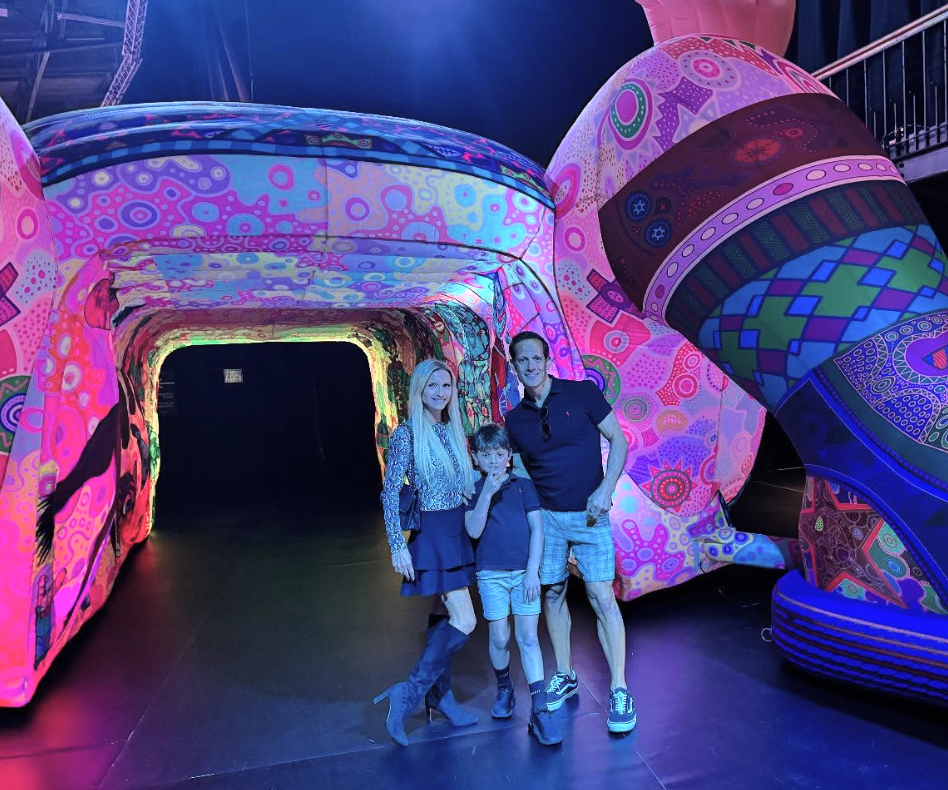
Balloon Museum - Art You Can Experience: I took my family to a very magical experience in San Francisco a few weeks ago. Given the amount of questions about where this magical place was, sent to me from my instagram posts, I wanted to feature it here. The Balloon Museum is such a brilliant concept - it takes world class art that is interactive and all themed around air/balloons. In their words: they are committed to the work of emotions, transforming artworks into mirrors to explore the profound relationship between art and emotions, action, and reaction. This is manifested tangibly through Inflatable Art, which offers itself as a medium to express the most intimate nuances of human feelings. Through a mix of interactive installations, emotional projections, and performance art, EmotionAir aims to transport visitors on an unprecedented sensory journey.Lucky for me, it’s currently at The Palace of Fine Arts, right in my marina backyard, but for those of you visiting SF over the coming weeks/months, I’d rate this a 10/10 on the must do list (buy your tickets in advance though as there’s always a line!)
Gianna's Gems is a weekly exploration of ideas that transform the ordinary into the extraordinary. If you found this valuable, please share it with a fellow magic-maker, and subscribe for more inspiration delivered directly to your inbox.
Book a 1:1: intro.co/GiannaGaudini
Gianna’s Gems The 80/20 Rule: Unlock Maximum Results with Minimum Effort
Hi there!
I was having a conversation last week with an agency who told me they had started saying “no” to one of their top client’s business because they needed to make room for new opportunities. I LOVED this for so many reasons and shared that there’s a principle I consciously apply in my own life called the “Pareto Principle” of 80/20 that is for this exact purpose.
So this week, I thought I’d break down one one of my absolute favorite productivity principles that has completely transformed how I approach everything from my business and schedule to my eating and workouts. If you've ever felt overwhelmed by your to-do list or like you're spinning your wheels without seeing results, this post is especially for you.
What Is the 80/20 Rule (aka the Pareto Principle)?
The 80/20 Rule, also known as the Pareto Principle, suggests that roughly 80% of results come from just 20% of efforts. This principle was first observed by Italian economist Vilfredo Pareto in 1896 when he noticed that 80% of Italy's land was owned by 20% of the population. What's fascinating is how universally this pattern appears:
20% of your tasks produce 80% of your results
20% of customers generate 80% of revenue
20% of your wardrobe gets worn 80% of the time
20% of features in a product deliver 80% of the usage
The beauty of this principle isn't in the exact numbers (it's not always precisely 80/20), but in the insight that inputs and outputs aren't balanced. Some actions are dramatically more impactful than others!
How to Apply the 80/20 Rule to Work Smarter
1. Identify Your High-Impact Activities
Take a moment to reflect on your work. Which tasks consistently deliver the biggest results? For me, I discovered that taking the time to meet with potential collaboration partners and creating content generates far more new business than posting daily social media updates or optimizing my website’s SEO. Once I shifted my focus accordingly, my productivity skyrocketed while my marketing work hours decreased!
Gianna’s Gem Action Step: List all your regular activities and highlight the ones that truly move the needle toward your most important goals.
2. Ruthlessly Eliminate or Delegate Low-Impact Tasks
This is where the magic happens! Once you've identified your high-impact 20%, be brave enough to minimize, delegate, or completely eliminate tasks in the low-impact 80%. This doesn't mean ignoring necessary work, but rather being strategic about where you invest your precious time and energy.
For example, I used to spend hours formatting my slide decks each week until I realized this task fell firmly in my "80% effort, 20% results" category. Now I delegate this to my Operations Manager and spend that saved time on strategic work and content/tasks that only I can create.
Gianna’s Gem Action Step: What tasks are eating up your time without delivering proportional results? Can they be simplified, batched, automated, delegated, or eliminated?
The 80/20 Rule in Daily Life
Event Planning That Wows
When planning my husband’s 50th Birthday last year, I applied the Pareto Principle and focused on the elements guests would remember most:
A memorable venue (Sardinia Italy, Michelin restaurant overlooking the ocean)
Delicious food (I focused on a menu that was comprised of my husband’s favorite Sardinian foods so he’d be honored yet my guests would get an authentic taste of Italy)
Heartfelt personalized moments (a video compilation from friends who couldn't attend, Jeffersonian Style dinner conversation, notes guests wrote to my husband while there)
Thoughtful Gift (rather than giving these guests swag since they were all traveling from countries away, I hired a professional photographer and made sure he got not only group photos but couples photos that I later printed and mailed to everyone)
The result? Everyone raved about the "elaborate" event that honestly took half the effort of previous parties I'd thrown because I wasn't spreading myself thin across dozens of minor details no one would remember (like linens, signage, and offering too many activities that people would likely cancel or change last minute).
Nutrition and Wellness
The 80/20 Rule has revolutionized my approach to healthy eating. Instead of trying to maintain a "perfect" diet (I enjoy eating way too much for that approach), I now focus on making nutritious choices 80% of the time while allowing flexibility for treats and special occasions in the remaining 20%.
I also practice the Japanese method of “Hari Hachi Bu” which means eat until 80% satisfied. This mindful approach to eating is better for digestion (plus leaves room for dessert should I want it - see above!)
This sustainable approach has actually improved my overall health because I never feel deprived and never have to miss out, yet always feel great!
Examples of the 80/20 Rule in Action
Business Success
Look at successful businesses that understand this principle:
Apple focuses intensely on a small product line rather than creating dozens of different devices
Amazon initially mastered bookselling before expanding to other markets
Netflix prioritizes user experience and content acquisition over other potential areas they could invest in
I'd be happy to provide a more detailed example of how to apply the 80/20 rule to event planning! Here's how it might work in practice:
The 80/20 Rule for Event Planning
When planning an event, about 20% of your efforts will create 80% of the memorable impact. Similarly, I believe that attendees will only remember about 20% of the event experience, so it behooves you to spend time rigorously prioritizing WHICH parts of the event you want them to remember. Here's how to identify and focus on those high-impact elements:
Identify the "Vital Few" Elements
For most events, the highest-impact elements typically include:
The arrival moment: How do you take pain points like registration and turn them magical (i.e. into personalized introductions to other guests, met with a passed wellness shot as they wait)?
Meeting someone valuable or learning something valuable
A few standout moments or activities
Personalized touches that reflect the purpose of the event and that will lead to personal growth or transformation
Example: Corporate Conference
Instead of trying to perfect every minute detail (like just the right linens or florals):
Focus resources on securing an excellent keynote speaker (high impact) that delivers a lot in 15 minutes (for keynotes, I also use 80:20 and prepare 20% content, leaving the other 80% for Q&A which is much more relevant to the audience!)
Create one exceptional networking opportunity rather than several mediocre ones
Invest in quality for the main meals (lunch/dinner) and coffee (espresso is a must for Executive events!) but simplify breaks and breakfast options which are often skipped or eaten in haste.
Ensure the check-in process is smooth and welcoming (first impressions)
Develop one memorable takeaway item rather than a bag of forgettable swag (I always try to provide something people will see regularly to remind them of the event and the brand hosting it)
Example: Wedding Reception or Milestone Birthday
Rather than stressing over countless details:
Prioritize hiring a videographer (most people don’t but believe me, there’s nothing like seeing your vows again and the speeches that delivered humor and tears re-lived for years to come which photos just can’t provide)
Invest in a great band -dancing/atmosphere creates lasting memories and fun
Personalize the experience with your ceremony, speeches, theme, location
If it’s a destination wedding, give people a sense of place with great local food, vendors gifting so they see more than a ballroom while there
By identifying which 20% of planning elements will create 80% of the guest experience, you can reduce stress, save money, and create a more memorable event by putting your energy where it truly matters.
Putting the 80/20 Rule Into Action Today
Analyze: Identify the critical few actions that drive most of your desired results
Prioritize: Schedule these high-impact activities first in your day or week
Eliminate: Be ruthless about cutting or minimizing low-value activities
Refine: Regularly review your priorities as circumstances change
Remember, the goal isn't to just remove things—it's to do more of the right things and less of the things that make less of an impact. Working smarter will help you feel strategic, productive and will make you more effective - I promise.
XX,
Gianna
P.S. I've been getting a lot of requests for career advice, and realized, I'm not sure that people know I developed a course called "Million Dollar Event Planning Career" that's self-led, low-cost and will teach you secrets of my career at Google, Amazon, and my pro tips for success in this industry (and others!)
View the sneak peak of Ch. 1 lesson 1 here for free: https://lnkd.in/gwRmEjYa
Or access the full course here: https://lnkd.in/gyK86WWQ
What I’m Loving this week: For all my favorite vendors, partners and products, visit: https://www.giannagaudini.com/gianna-recommends
Florals: Meet my new favorite San Francisco Bay Area Florist, Marissa Zoetwey of The Wild Fleur. Marissa is the most professional florist I’ve ever worked with - she is personable, talented and a perfectionist, leaving no detail unattended to so you can be assured your florals will be cultivated intentionally, and truly aesthetic works of fine art. Her florals bring joy, elevate your event, and inspire guests. Marissa draws her inspiration from the steadfast, yet evolving nature of the natural elements and settings she’s encountered on her travels around the world, making her creations fresh and personalized yet approachable. If you’d like an intro and referral discount, please reach out to me and I can connect you personally (and rave about her in the process!)
Gianna’s Gem - Your Vibe Attracts Your Tribe
Have you ever noticed how certain people seem to effortlessly attract success, opportunity, and genuine connections? I'm here to let you in on a little secret that's transformed my life and could change yours too: Your vibe attracts your tribe. Catchy phrase, yes, but it's a fundamental truth about how we create the lives we desire.
The Positivity Bubble: Choose Your Circle Wisely
Think of your life as a garden. One of my favorite sayings is “water the flowers, not the weeds.” The people you surround yourself with are either fertilizing your growth or casting shadows that stunt it. When you deliberately choose to spend time with individuals who inspire you, challenge you positively, and lift your spirits, you create what I call a "positivity bubble."
Inside this bubble, amazing things happen:
Ideas flow more freely
Opportunities multiply
Your confidence blooms
Your energy stays consistently high
You become more resilient to life's challenges and make smart decisions
You inspire other people to smile and be more generous and positive in return
I've witnessed this transformation firsthand. When I intentionally began surrounding myself with forward-thinking, optimistic people who were pursuing their dreams with passion, and avoiding or minimizing contact with those who were “downers”, my own ambitions suddenly seemed more achievable. Their energy was contagious, and before long, I found myself accomplishing goals I'd once thought were out of reach. The same goes with the content you imbibe. I used to be an avid watcher/reader of the news and now I check in, check out as quickly as possible since it’s easy to get caught in a negativity spiral. Instead, I think about what I’d like to focus on that day and then seek out proactively the content that supports the days goal. This might be health or work-related, and sometimes it’s just plain humor. I used to think “pointless humor” didn’t have a point in my day, but it actually raises your energetic frequency, reduces cortisol and can help you relieve stress and as a result think more clearly afterwards.
The Energy Vampires: Recognizing and Minimizing Negative Influences
We all know them—the chronic complainers, the pessimists, the people who can find the cloud around every silver lining and place the blame on others rather than taking accountability. I call them "energy vampires" because even a five-minute conversation with them can leave you feeling completely drained.
One negative voice in a meeting can derail an entire team's momentum. One pessimistic team member can infect everyone's outlook. Research has shown that negativity spreads more rapidly and powerfully than positivity—which means we need to be even more intentional about protecting our energy. And I’ve learned the hard way that it’s better to nip negative energy in the bud than to let it grow (pluck the weeds, remember?)!
This doesn't mean cutting people out cruelly. Instead, some approaches I find effective include:
Setting healthy boundaries around time spent with negative individuals and take a physical break if necessary to regroup
Redirecting conversations toward solutions when they veer into complaint sessions or gossip
Being the positivity you wish to see—sometimes your example can help shift someone else's perspective
If necessary, limiting exposure to those whose negativity consistently impacts your wellbeing, or removing them from your team before they “infect” the vibe and workflow
Manage up with stakeholders who have unrealistic expectations by leading by example and sticking to what you know is right. People respect leaders with backbones rather than “yes-men/women”.
Remember: Minimizing negative influences isn't selfish—it's strategic.
Building Trust: The Professional Superpower
In the professional world, trust is currency. When people trust you, magic happens. Projects flow more smoothly, collaborations become more fruitful, and opportunities find their way to your door.
Creating trust with your team, stakeholders, and vendor partners might be the single most valuable investment you can make in your career. Trust unlocks doors you didn't even know existed. I've seen vendors go above and beyond contractual obligations, team members support each other wholeheartedly, and stakeholders approve ambitious ideas in record time—all because of the foundation of trust that was established.
How do you build this trust?
Be impeccable with your word. If you say you'll do something, do it. If circumstances change, communicate quickly.
Recognize others' expertise. Trust is a two-way street; show people you value their knowledge. It’s not important to always be right, but it is important to be honest about where you shine and where you might need other’s insights.
Be transparent about challenges and proactive with potential solutions well in advance. Hiding difficulties only creates bigger problems down the road.
Take responsibility when things go wrong. No blame games.
Celebrate wins collectively. Share credit generously.
Over-deliver time and time again. This doesn’t mean being more “busy” it means showing up consistently and in a way that unblocks the team
Brings fresh perspective to challenging situations and keep the vibe positive (meaning no gossip about other team members)
The Art of Communication in Leadership
As an event leader, the way you communicate can mean the difference between chaotic disasters and seamless successes. I've learned that how you communicate is often more important than what you communicate. Soft skills like these are not always taught in courses or when you get a certification, but can make or break a great leader.
Here's my golden rule: Choose your communication medium thoughtfully.
Some scenarios where picking up the phone is better than sending an email:
When emotions are involved
When dealing with sensitive issues
When explaining complex concepts
When brainstorming is needed
When relationships need nurturing
When quick decisions must be made
I once had a situation where weeks of back-and-forth emails about a venue contract were resolved in a single 15-minute phone call. What was missing in those emails? The human connection, the ability to ask clarifying questions in real-time, and the warmth of actual voices sharing a common goal. I asked the hotel what they needed, I asked the client what they needed, and we settled on a middle ground where the most important clause was agreed to for the client and the hotel was able to hit their revenue targets by increasing our food/beverage spend while removing the meeting rental fees.
For event professionals, mastering the art of choosing the right communication channel at the right time isn't just efficient—it's transformative.
The Undervalued Power of Appreciation
In our fast-paced professional world, appreciation has become a forgotten art. We're quick to point out what went wrong but often neglect to celebrate what went right. This is such a missed opportunity!
A handwritten thank-you note to a vendor who went above and beyond. A letter of appreciation to someone's boss highlighting their exceptional work. A public acknowledgment of a team member's contribution during a meeting. I do all three of these regularly, probably more often than needed, but it is an important skill that makes a major impact.
Speaking of keeping the positivity bubble, I have a ritual for making Mondays more palatable with my family - we each have a hand carved wooden box with our names and we do “Monday Mail” after dinner on Mondays. It serves two purposes:
In preparing a thoughtful note (or finding another thoughtful token) for each family member, it helps us with gratitude, which combats the stress at the start of a busy week.
It raises the “vibe” and gives us something to look forward to on Mondays after a long day.
Similarly, I always prepare handwritten thankyou notes for my team to distribute the night before an event along with a thoughtful amenity if we’re staying at a hotel in addition to the post-event thank yous I send. Why? Because it sets the tone in advance for a positive week!
These simple acts have disproportionate power. They don't just make the recipient feel good—they strengthen bonds, build loyalty, and create a culture where people want to bring their best selves.
Putting It All Together
Your vibe truly does attract your tribe, both personally and professionally. The energy you put out into the world comes back to you multiplied.
By intentionally building your positivity bubble, minimizing negative influences, fostering trust, communicating thoughtfully, and expressing genuine appreciation, you create an environment where success becomes almost inevitable. In a world where technology often separates us, the human connection remains our most precious resource. Invest in it wisely.
This isn't just feel-good advice—it's practical wisdom that transforms careers and lives.
So I'll leave you with this question: What one relationship-building action could you take today that might improve your positivity bubble?
XX,
Gianna
What I’m Loving this week: For all my favorite vendors, partners and products, visit: https://www.giannagaudini.com/gianna-recommends
Event Recap: I’m thrilled that my last newsletter was appreciated by folks and featured in an Expert Opinion article by Corporate Event News. I had both the company who developed the app and one of the sponsors I called our email me directly to thank me for the appreciation (very on-theme for this week’s newsletter) and I was glad that people found the observations interesting. If you have any additional thoughts or questions about Google Next, feel free to reach out or read last week’s Gianna’s Gems if you missed it.
Gianna’s Gem - Exceptional Executive Briefing Centers
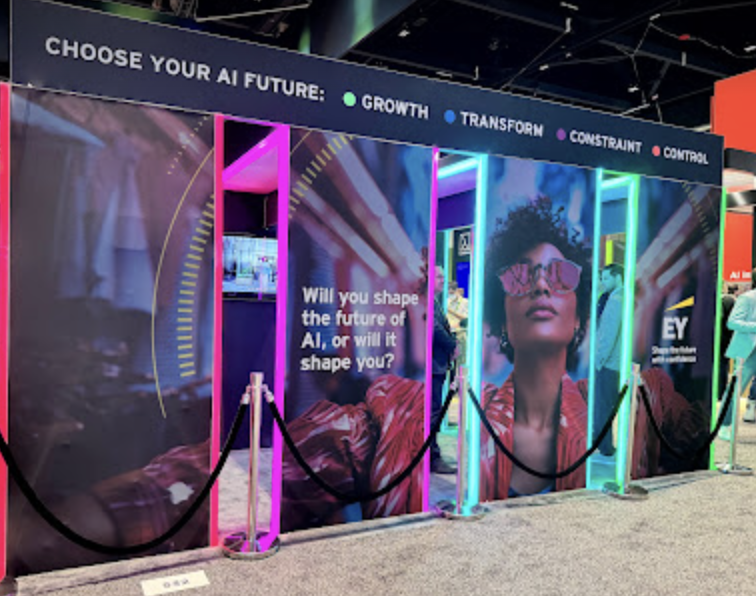
Event planning at major conferences and trade shows presents unique challenges and opportunities, especially when it comes to creating Executive Briefing Centers (EBCs) that make an impact. These dedicated spaces serve as your company's home base during third-party events, offering a controlled environment for high-value customer meetings away from the noise and chaos of the main show floor. But given how important and senior the audience is for EBC’s, it’s critical to nail the experience or risk losing these important customers.
Why Executive Briefing Centers Matter
EBCs at third-party events provide the perfect setting for:
Conducting private demonstrations to senior leaders both technical and non-technical
Hosting executive-level conversations
Showcasing products that aren't ready for public display including embargoed press demos and analyst briefings
Building deeper relationships with key accounts and industry influencers
Planning Your Executive Briefing Center: The Do's
Do: Start Planning Early
Begin your EBC planning at least 4-6 months before the event. The best locations near popular conference venues book quickly, and you'll need time to design, build, and perfect your experience.
Do: Choose the Right Location
Proximity to the main event is critical. Ideally, your EBC should be within walking distance of the conference venue and keynote (where you should secure front row VIP seats for these folks too). If that's not possible, arrange convenient (high end) transportation for attendees. A luxury hotel or unique venue within 5-10 minutes of the main event creates the right balance of convenience and exclusivity.
Gianna’s Gem: Cars often provide a unique space for meaningful conversations, with studies showing that many people feel comfortable sharing personal thoughts and feelings during car rides due to fewer distractions and the unique dynamics of being in a confined space. Book private luxury cars or Waymos from your EBC to your conference center for EBC attendees and it’s a win win for your sales team as well as the attendee.
Do: Create a Cohesive Experience
Your EBC should feel like a natural extension of your brand while providing a more intimate and white glove experience than your main booth or event. Consider:
Consistent design language across all touchpoints
Comfortable seating arrangements conducive to conversation (and don’t forget all types of chargers!) PRO TIP: Offer to take an Exec’s phone at a cell-cierge at the entrance to charge up their phone during the meeting. They get their charge and you get their undivided attention!
Technology that enhances rather than dominates the space
Do: Staff Appropriately
Your EBC team should include:
Executives from your company who can speak authoritatively
Subject matter experts for technical discussions and demos
Appropriately dressed and polished hosts/hostesses who manage check-ins and communication and rescheduling
Support staff to handle logistics, food/beverage and unexpected issues such as wifi going down.
Do: Provide Exceptional Hospitality
Remember that comfort creates the foundation for productive conversations:
Offer premium food and beverages throughout the day, ideally things that are hard to come by at the convention like good espresso drinks and fresh, healthy snacks and drinks. PRO TIP: I love asking customers for their coffee drink order in advance which not only shows next level service, but can also de-risk no-shows when people know they’re going to get their favorite beverage sans line!
Consider dietary restrictions and preferences and have menus on hand for custom requests (always say yes!)
Ensure reliable high-speed internet and back up mi-fis. There’s nothing worse than losing internet in the middle of an Exec demo!
Create spaces of luxury within your center if possible, perhaps with massage chairs, or scented candles and calm music to create a sense of luxury and tranquility.
Avoiding Common Pitfalls: The Don'ts
Don't: Overbook Your Schedule
Quality trumps quantity. Leave buffer time between meetings to:
Allow for meetings that run long
Give your team breaks to recharge, clean up the space, and prep for the next meeting (tired, hurried team members don’t present well). Pro tip: Have your Sales leaders take a 1 minute “breathing break” between meetings without phones to do a quick reset before the next client.
Accommodate spontaneous high-value meetings with a second conference room you have on hold for these last minute press or Exec meetings that arise.
Prepare properly for each conversation by having each Exec review account notes, and asking each attendee what they want to discuss in advance to properly tailor each presentation accordingly.
Don't: Replicate Your Trade Show Booth
Your EBC should offer something different:
Avoid canned demos or flashy presentations - this is about connecting personally and more intimately.
Create spaces for genuine conversation that are quiet and comfortable.
Focus on relationship-building over product pitches - better to connect with a customer and build rapport rather than rub them the wrong way. There’s always opportunity for a follow up conversation later.
Provide relief from the sensory overload of the main event
Don't: Neglect the Details
Small touches make a big difference:
Ensure proper temperature control and ventilation - I like to also order pashminas an blankets to have on hand for female Execs who are often overlooked.
Check for ambient noise issues before meetings take place. Pro Tip: Take it a step further and ensure there’s no construction or cleaning happening during your meeting time.
Provide phone charging stations and connectivity options.
Pro Tip: I love having a team member serve as an onsite “concierge” to help attendees with anything they might need and also to have items they may need on hand to be the “hero”. These can be basic things like aspirin, toothbrush, charger (bonus if you let them take it), etc.
Have backup plans for technical difficulties (back up computers, hot-spots, printed presos, downloaded presos)
Don't: Miss Follow-Up Opportunities
The EBC experience doesn't end when guests leave:
Capture key discussion points for personalized follow-up. Pro tip: Assign one person as the notetaker in the room, or use an AI notetaking tool so nothing is missed.
Send thank-you notes within 24 hours
Share any promised materials promptly
Use insights gained to inform future interactions
Real-World Success Stories
The Software Company That Created FOMO
A leading enterprise software company took over a boutique hotel's restaurant near their industry's largest conference. They transformed the space into themed "solution rooms" addressing different business challenges. By invitation only, customers moved through a journey culminating in a private dining experience with executives. The exclusivity created such buzz that they had to extend hours to accommodate additional requests.
The House "Touch and Feel" Experience
When Google started launching a lot more hardware products, we converted a venue into a “Google House” where press and Executives could walk through each room and experience our devices in real-life vignettes (like Google Home, Google nest, Google watch, etc). We encouraged them to share on social as they experienced the “home” and to even rest, eat, relax for as long as they wanted to in the comfy living spaces! Not only was this engaging and experiential, at the end of the tour, we sat down with attendees 1:1 and gave them a gifting selection of their choice, walked them through the set up and answered any other questions they had.
When designed thoughtfully, Executive Briefing Centers create valuable touchpoints with your most important customers and prospects. By providing a respite from the main event while maintaining proximity and convenience, you create the perfect environment for meaningful connections that drive business forward.
What I’m Loving this week: For all my favorite vendors, partners and products, visit: https://www.giannagaudini.com/gianna-recommends
Read: Shiftby Ethan Cross. I’ve found myself sharing this book recco to several people this week and highly recommend it to you Gianna’s Gems readers! Shift is a science-based guide that addresses the timeless question of how to manage your emotional life using tools you already possess—Whether it’s anxiety and rage when we’re stuck in traffic, or devastation after a painful break-up, our lives are filled with situations that send us spiraling. But as difficult as our emotions can be, they are also a superpower. Far from being “good” or “bad,” emotions are information. When they’re activated in the right ways and at the right time, they function like an immune system, alerting us to our surroundings, telling us how to react to a situation, and helping us make the right choices. How do we make our emotions work for us rather than against us? In Shift, acclaimed psychologist Dr. Ethan Kross dispels common myths—for instance, that avoidance is always toxic or that we should always strive to live in the moment—and provides a new framework for shifting our emotions so they don’t take over our lives. Enjoy!P. S. Need to chat? Book a 1:1 using my link for Expert advice on intro: intro.co/GiannaGaudini

Gianna’s Gem - Beyond Caviar: Why Attendee Journey Makes or Breaks Exec Events
Hi there,
Last week I attended Nvidia GTC Conference in the heart of Silicon Valley on behalf of a company I support as a fractional head of events, Codeium (check out their windsurf coding product and our upcoming events here - you’re not going want to miss our Windsurf lounge at Google Cloud Next in April!)
I’ve reviewed close to 100 third party AI and tech events this year and evaluated so many third party sponsorships that I felt it was only fair to break open the treasure chest of knowledge about sponsoring major tech events like Nvidia GTC, Google Cloud Next, and AWS re:invent. If you've ever walked through one of these conference halls wondering how some companies seem to nail their presence while others fade into the expensive background—this one's for you.
The Budget Reality Check
Let's talk money: Here's what you can expect to shell out for these premium tech conferences:
Tier 1 Events (AWS re:invent, Dreamforce, Google Cloud Next)
Bronze/Base Level: $30,000-$50,000
Silver/Mid-Tier: $75,000-$125,000
Gold/Premium: $150,000-$250,000
Platinum/Diamond: $300,000-$500,000+
Tier 2 Events (Nvidia GTC, Microsoft Build, Apple WWDC)
Bronze/Base Level: $15,000-$35,000
Silver/Mid-Tier: $50,000-$85,000
Gold/Premium: $100,000-$175,000
Gianna’s Gem: These prices typically include just the booth space and basic package. Once you add custom booth builds, MPO’s (marketing promotional opportunities), staff travel, promotional items, lead capture tools, and after-hours events, you're looking at a 30-50% increase on those base numbers. It’s like Southwest airlines…the ticket cost is only the beginning so be prepared to spend a lot more to make it worth your while.
Worth the Gold vs. Fool's Gold: Promotional Opportunities
Not all sponsor perks are created equal. Here's my battle-tested breakdown:
Worth Every Penny ✅
Speaking slots: Especially if they're on the main stage or in targeted tracks relevant to your audience. These typically come with higher-tier sponsorships, but the thought leadership opportunity is invaluable. These can also be great opportunities for your Execs to “test” out their presentations before your own hosted conferences where you can then record the sessions once they’re perfected!
Pre-show attendee list access: Being able to pre-book meetings before the conference chaos begins is game-changing for your sales team. Note: you need to ask for these up front as often show organizers will only provide you with a list of companies and titles rather than actual names of attendees.
Private meeting rooms: Having a quiet, branded space to take hot prospects is far more effective than shouting over booth noise or trying to find ad hoc space in a crowded event environment. Warning: Nvidia GTC had a 45 minute elevator line for the elevators leading up to meeting suites (not ok), but the lesson learned was to make sure when you book your meeting room it’s in a location that can be accessed easily and ideally by stairs as well as elevators (i.e. on floor 2 rather than 12).
Sponsored hands-on workshops: Attendees love practical learning, and this gives you extended time with potential customers.
Meaningful Lounges: Having planned Google Cloud Next for 3 years, I know first hand that we only planned for seating for about 25% of attendees, making all of the lounges a hot commodity for attendees. Sponsoring a lounge is a great idea, but only if you use it strategically, such as having plenty of staff on hand to host ad-hoc demos, have an interactive experience, and other brand building video and photo ops. Psychologically, people feel a need to “repay a favor” so by offering people a comfortable spot to sit down, they’re much more likely to engage with your team while there.
Larger booths if used strategically: I loved how Google Cloud had a two-story booth at Nvidia and used the second story for Executive Meetings. It was a great way to meet Execs who might not have wanted to travel to a meeting suite or to take adhoc meetings with key accounts in a sleek space above it all.
Save Your Money ❌
Logo-only digital ads: Unless you're a well-known brand, these rarely drive meaningful traffic.
Bag inserts/general swag distribution: Most end up in hotel trash cans. (Sorry, but we all know it's true.)
General session sponsorships (without speaking time): Paying just to have your logo shown for 30 seconds rarely justifies the cost.
Generic banner ads throughout the venue: These suffer from serious banner blindness.
After-hours party co-sponsorships with 10+ other companies: You'll get lost in the crowd, and attendees will remember the free drinks, not your brand.
Logo-only anything without activating properly - I often marvel at sponsors who pay for branded bars, coffee stations, etc. but have no content or staff there to drive meaningful conversations.
Miniscule booths that are in a corner where you’ll be missed. Just pass if that’s all you can get and go with a speaking opp instead.
Pro-Tips for Contract Negotiations: Questions That Save Money and Headache
Before signing that sponsorship contract, be sure to ask the sponsorship team:
"What was the exact verified attendance from last year, broken down by job title and company size?" Don't accept vague numbers or registered vs. actual attendees.
"Can you provide a heat map of last year's exhibition floor?" This reveals which areas got the most traffic and which were virtual ghost towns.
"What's the attendee-to-exhibitor ratio?" Lower is better. Too many sponsors competing for the same audience dilutes impact.
"Which sponsorship elements from last year had the highest engagement metrics?" Make them prove the value with data, not just the standard package.
"What sponsor-exclusive networking opportunities exist with C-suite or decision-maker attendees?" This is where the real gold lies.
"How many concurrent sessions run during expo hours?" More sessions mean fewer people wandering the exhibition floor.
"What's your policy on adding new sponsorship elements or custom activations?" Flexibility here can be a game-changer for creative marketers and I ALWAYS try for custom ideas.
"What dedicated promotion will my specific company receive across email, social, and the event platform?" Get specifics in writing, with minimum impression guarantees when possible.
What press and analysts will be in attendance and will we have access to them?
Pro Tip: If the event sponsors can't or won't answer these questions with specifics, that's a major red flag. The best event partners come armed with data and transparency.
Onsite Success Strategies: Making Your Sponsorship Shine
You've signed the contract. You've spent the money. Now, how do you ensure it wasn't all for nothing?
Pre-Show Preparation
Book meetings in advance: Aim to fill 60% of your calendar before the event starts. Use LinkedIn, email campaigns, and your sales team's outreach.
Double confirm meetings AND incentivize attendance by asking if you can pre-order them a coffee or beverage to have waiting for them (trust me, those coffee lines are a nightmare at conferences and the small but thoughtful gesture makes a difference!)
Train your booth staff: Not on product features, but on qualification questions and engaging conversations that don't feel like sales pitches.
Develop a content strategy: Plan website, social posts, blog content, and email communications to deploy throughout the event to let people know you’re there.
Onsite Execution
Shift schedules strategically: Have your best people during peak hours and maintain consistent coverage during all expo hours.
Implement the "no phone" rule: Booth staff scrolling through their phones is the fastest way to repel visitors.
Create a visual distinction: Whether it's matching branded clothing, an unusual booth activity, or standout design—be memorable in a sea of sameness.
Capture leads systematically: Use a consistent qualifying system that integrates with your CRM for immediate follow-up.
Host a micro-event, raffle or competition: Schedule a 15-minute presentation at your booth every few hours to create crowds and energy.
Learnings Tracker: Start an onsite learnings document to track learnings while they’re happening so you don’t lose them later on after the show.
Post-Show Maximization
Follow up within 24 hours: Send personalized messages to every meaningful connection while your conversation is still fresh.
Share content recaps: Create blog posts, video summaries, or infographics highlighting key takeaways from the event.
Hold a debrief session: Collect feedback from all team members who attended on what worked and what didn't.
Calculate ROI immediately: Don't wait weeks to determine if the sponsorship was worth it. I have a standing monthly debrief on all of our monthly events so we can capture learnings and pivot upcoming strategy if needed.
The most successful event sponsorships aren't about the flashiest booth or the biggest spend—they're about strategic alignment, careful planning, and flawless execution.
Remember: a mid-tier sponsorship with targeted add-ons often outperforms an unfocused premium package. Be intentional, be prepared, and most importantly, be ready to adapt when the exhibition hall doors open.
XX,
Gianna
P.S. Email me if you need help with how to turn those hard-earned event leads into actual pipeline opportunities.
What I’m Loving this week: For all my favorite vendors, partners and products, visit: https://www.giannagaudini.com/gianna-recommends
Women in AI: Since March is Women’s month, and I’m a huge champion of women leaders, especially in tech, I wanted to highlight the amazing group, Women in AI, who’s founder, Claire Xie, I recently had the pleasure of meeting. Not only is she a founder herself, but she’s grown this grassroots organization to over 5000 members in less than two years - beyond impressive! Women in AI Club is a non-profit organization in the Bay Area, whose mission is to foster a vibrant community dedicated to empowering, connecting, and elevating women in artificial intelligence. They host a number of events, including an upcoming Top Golf event next Friday, 3/28, for founders with 20+ team members. Claire’s extending an invite to my female founders in the tech/ai space and you can find more details here.
P. S. Need to chat? Book a 1:1 using my link for Expert advice on intro: intro.co/GiannaGaudini
Gianna’s Gem - Beyond Caviar: Why Attendee Journey Makes or Breaks Exec Events
Hi there!
Last week, I attended an AI Executive Dinner at the exclusive SF restaurant, One65. Typically, when deciding whether attending one of these events will be worth my while, I ask the organizers to review both the agenda and the guest list. In this case, both seemed promising: The evening would feature a Michelin star 5 course dinner, an AI panel (featuring one female CMO), networking with ~30 leaders from companies like Meta, Apple, Google, and a number of AI startups. In short, it had all the right ingredients to make a successful night.
But…as I’ve blogged about previously…having the right ingredients doesn’t always guarantee a great event.
During the cocktail hour, I was asked by the Executive host of the dinner for suggestions on how to run the evening’s event. This was part flattering, part horrifying…yet, didn’t come as a surprise as this was actually the second time I have attended one of these dinners in the past few months where the event organizer asked me for the best way to run the evening while AT THE EVENT. And that’s why I’m focusing today’s Gem on the reason why it’s important to think through the flow of an event, and not just the ingredients BEFORE you have a room full of executives.
When planning an executive gathering, it's tempting to focus on the ingredients only: impressive venue, check!t Great guest list from impressive companies - check! Entertainment - check!
Gianna’s Gem: Here's the truth many planners miss: you can nail every ingredient that should make for a great event, but if the event isn’t thoughtfully planned with the attendee journey and outcome in mind, it might easily fail.
The Executive Event Paradox
I've witnessed this scenario countless times. A stunning rooftop venue with skyline views that would make anyone's jaw drop. A chef flown in from another continent. Entertainers who have performed for royalty. A guest list consisted of the most influential leaders in the industry.
And yet... something felt off.
The executives weren't connecting. Conversations remained surface-level. People checked phones discreetly, wondering when they could politely exit. Despite ticking every box on the luxury event checklist, the experience failed to deliver what executives truly seek: meaningful connections and valuable exchanges done in a manner that is intentional and efficient.
What Executives Really Want
Let's be honest - executives don't attend your dinner for the imported truffles or branded swag bags. Those elements might pique their interest, but what keeps them engaged and ensures they'll accept your next invitation is something far more valuable:
Genuine peer connections with others who understand their unique challenges
Insights they can't Google shared in an environment of trust
Space for authentic conversation without the constant pitch
Efficient use of their limited time
The Over-Indexed "Wow Factor" Trap
Many planners fall into what I call the "wow factor trap" - spending disproportionate time, budget and energy on creating Instagram-worthy moments that ultimately distract from rather than enhance meaningful connection.
Example: At this event last week, there was a magician. I have blogged previously about how magicians can be a great event element. But you can’t just toss a magician into the mix without a purpose. In the case of this event - it was unnecessary and a distraction. The magician approached me in the middle of a conversation I was having, which became an annoyance rather than a delight. And then the magician started off the dinner portion of the evening while the AI panel was saved for the dessert course (at which time I personally had to depart and missed it!)? The miss here? The executives are too busy watching the performance to speak with each other or . The magician compromised valuable conversation and content time. It's was supposed to be engaging, but did it facilitate better connections which was the point of the dinner? No.
On the other hand, I used a magician at my husband’s 50th birthday (Check out Dennis here), but I was intentional about why he was there. As people gathered, he helped provide some entertainment, but only when people looked like they weren’t talking to other people. This warmed them up to him so that when we all sat down, he performed 3 tricks, one of which included my son so he would have a part in the special evening, one which involved my husband, the guest of honor, and the other involved the entire group. This sparked people’s attention and created delight all while servers were taking dinner orders so it didn’t interrupt the rest of the Jeffersonian style dinner I had planned.
Designing the Attendee Journey with Intention
The difference between forgettable and transformative executive events isn't found in bigger budgets or flashier elements - it's in the thoughtful design of the attendee journey from start to finish:
1. Pre-Event: Set the Foundation: One of my favorite authors, Priya Parker, writes in The Art of The Gathering about why it’s important to communicate with guests in advance about what they should expect from the event and prime them.
Communicate the value proposition clearly - executives need to know exactly why this gathering deserves their time. One of the biggest complaints I hear from Executives is no clearly communicated agenda or value proposition in advance.
Provide just enough context about other attendees to spark curiosity. Bonus: Curate connections in advance. Summit Series does a great job of personally introducing attendees to each other on a 1:1 basis in advance so people know at least one person they can connect with at the event.
Set appropriate expectations about the format and flow and just like a good marketing campaign - don’t bury the lead! If the main point of the event is the content, don’t save it for the dessert course!
Gather meaningful input that shapes the experience. When Execs are giving up their time to attend your event, it’s a nice touch to ask them what they’re hoping to get out of the experience or any topics they’d like to see covered. It's a simple but highly strategic step and just takes a little extra time and thoughtfulness..
2. Arrival: Reduce Friction Points
Streamline check-in to minimize administrative tasks and have a passed drink (I recommend sparkling wine, white wine and water) at the ready so people don’t have to spend the first 30 minutes networking on the way to the bar (pain point alert!)
Facilitate immediate connections rather than leaving people to fend for themselves. It is such a next-level move to have your team ready to personally introduce whoever arrives to someone you feel they’d benefit from speaking with. Again - this requires no extra time, simply extra thoughtfulness.
Offer a moment to transition from the outside world to your experience (I always offer where the restroom is, or have a personal host offer to take people’s coats and see if they need anything or a moment before escorting into the reception.
3. During: Orchestrate Without Controlling
Create conversation catalysts that spark meaningful discussion with conversation starters or a common question to get the group warmed up like “What was your first job”? Or “If you had 50 years more to live, what would you do”?
Design seating arrangements that foster new connections and are strategic for both the company and enjoyable for attendees. Birds of a feather also works if you don’t know who will be best suited to sit together so people can self-select the peers they want to engage with.
Balance structure and spontaneity throughout the agenda. If you have content, keep it light and add in opportunities for people to mix and mingle so they’re not stuck in one seat all night.
Read the room and adjust when energy shifts - always have a pivot in mind.
Build in reflection moments that help insights crystalize or a takeaway for attendees. A personal favorite of mine is to have people write themselves a note or key takeaway that they want mailed to them in 3 months. Then you collect and mail them - it’s a great way to remind people of their intentions and also follow up with them!
4. Departure: End with Intention
Provide closure that honors the time invested and if including a survey ask people if there was anyone they’d like an introduction to (with permission of course)
Capture commitments or insights while they're fresh and distribute in a meaningful way. If you take professional photos, send the photos of attendees directly to them with a thank you note for attending.
Create a delightful exit experience - I had to leave the Executive Dinner before dessert and it would have been lovely to have had a truffle and decaf coffee to-go! I love building in a sweet treat or warm drink for folks as they depart, especially if they have a long commute home.
Success Without Spectacle: A Case Study
One of the most successful executive dinners I've facilitated featured none of the typical "luxury" elements. The venue was a private dining room in a moderately-priced restaurant. The menu was simple but well-executed. There were no entertainers, no surprise moments, no elaborate gift bags.
What it did have was a thoughtfully designed attendee journey:
A pre-dinner exercise that surfaced each executive's most pressing challenge, moderated by a very skilled host.
A seating arrangement that positioned people next to others with complementary experience and affinities
Conversation prompts that progressed from easy sharing to more vulnerable discussion
Facilitated moments that ensured everyone contributed without putting anyone on the spot in an un-conference style format that ensured the topics that evening were relevant to those in the room
A simple mechanism for capturing insights and connections made and sharing out afterwards.
A thoughtful gift at the end which was a professional headshot and a bag with some artisanal goodies, a beautiful artisanal journal and pen that I will actually use, and a credit to take an Uber home (nice touch).
The result? Executives who typically duck out early stayed past the scheduled end time and the room was truly engaged. Multiple business relationships formed that night have led to partnerships. And the host received unsolicited messages of thanks for an "unusually valuable" evening. I’ve kept in touch with two people from that event personally who have reached out to make sure they stay on my mailing list!
Making Your Next Executive Event Count
Whether you're planning a dinner for 20 or a summit for 200, consider these questions before locking in the details:
Have you mapped the entire attendee journey, or are you just working off a mood board?
Does each element of your event contribute to or detract from meaningful connection?
Are you creating environments where authentic conversation can flourish?
Have you built in mechanisms to gauge engagement throughout and pivot if necessary?
Are you providing the right balance of structure and space?
The bottom line: Executives don't need another fancy dinner to attend. What they crave are experiences that deliver authentic connection, valuable insights, and efficient use of their time. When your attendee journey delivers those elements, you've created something truly valuable - with or without the bells and whistles.
What I’m Loving this week: For all my favorite vendors, partners and products, visit: https://www.giannagaudini.com/gianna-recommends
Bespoke Interactive Entertainment - meet Haikuists. As a lifelong writer, I was thrilled to be introduced to this amazing team through The Battery. They are like a photo booth for your soul, delighting guests with personalized haiku poems crafted on vintage typewriters! Not only that, their poets are elegantly dressed and engage with guests, turning their stories into unique, memorable haiku. How it works: Over the course of just a few minutes, guests share a piece of their life and receive a bespoke haiku which captures their essence in a haiku. Each haiku is a concrete memento—a symbol for guests that their story is worthy of being turned into a small but mighty work of art. Poetry is a gateway to more meaningful connection between humans, allowing them to unlock creativity that they didn’t know existed within. I love that Haikuists mission is to make poetry accessible to everyone so that they may experience the joy of connection that comes along with it. They are providing my gems with a 10% discount code if you apply GiannaVIP to any order when you reach out here.
XX
Gianna
P. S. Need to chat? Book a 1:1 using my link for Expert advice on intro: intro.co/GiannaGaudini

Decoding Luxury Hotels
Hi there,
Just like an event can be good, great, excellent, or exceptional, the same is true for hotels and the experience they provide for travelers and groups visiting them. This week we’re diving deep into the world of luxury hospitality…exploring what truly sets apart the tiers of luxury hotels and why those famous star ratings might not tell the whole story.
The Deceptive Nature of Star Ratings
Let’s face it - star ratings can be misleading. A five-star hotel in a secondary market might barely qualify as a four-star property in Paris or New York. Moreover, rating systems vary by country and certifying body. Some properties self-rate, while others undergo rigorous third-party evaluations. The key? Look beyond the stars.
The Good: Foundation of Luxury
Good luxury hotels, like good events deliver on expectations and nail the basics such as:
Immaculate cleanliness that extends beyond guest rooms to every corner
Professional staff who are well-groomed and courteous
Quality bedding with high thread-count linens
Reliable room service with decent presentation
Functioning amenities and basic concierge services
However, they often miss subtle details that keeps them from reaching higher levels of excellence. You might notice slight inconsistencies in service, generic toiletries, or standard restaurant offerings. These hotels are comfortable but don't create memorable moments and the same is true for basic well-done events. They might achieve the expectations, but they’re not going to be the event that creates catharsis and metamorphosis in an attendee or drives them to share about this event for years to come.
Hotels in this category include: Most Westin properties, Renaissance Hotels, Sofitel properties in secondary markets, Certain Kimpton Hotels, InterContinental Hotels in smaller markets
Standout Example: The Westin Palace Madrid - reliable luxury with good service, though not quite reaching the heights of Spain's most exclusive properties
Good Luxury Hotels Are Perfect For:
Business travel where comfort and reliability matter more than exceptional experiences
Large corporate conferences where consistent service matters more than customization
Short city breaks where the hotel serves primarily as a comfortable base
Events with strict budgets that still require an upscale venue
Training sessions where the focus is on content not experience
Industry conventions where adequate space matters more than luxury touches
The Great: Elevation Through Detail and Personalization
Great luxury hotels, like great events, go the extra mile and deliver qualities like:
Anticipatory service that addresses needs before they're voiced
Personalized touches like welcome amenities based on guest preferences
Curated partnerships with local artisans and experiences
Signature scents and custom-branded luxury toiletries
Staff who remember returning guests and their preferences
Sophisticated F&B programs with talented culinary teams
These properties understand luxury is in the details, but might still struggle with consistency across all touch points. Think: Most Four Seasons in secondary markets, Park Hyatt properties in Asia, Waldorf Astoria properties in the Americas, Rosewood properties in secondary markets, Many Edition Hotels
Standout Example: The Shangri-La Singapore - consistently excellent service with great attention to detail, while maintaining approachability
Great Luxury Hotels are best for:
Intimate corporate retreats requiring personalized attention
Smaller events/weddings (50-150 guests) seeking sophistication without extravagance
Family celebrations where attention to detail enhances the experience
Incentive travel programs for mid-sized groups
Product launches requiring elegant settings but not ultra-luxury
Multi-day conferences needing varied dining and entertainment options
The Excellent: Mastery of Experience
Excellent luxury hotels transcend traditional hospitality and just like great events, you know one when you experience it due to qualities like:
Flawless service choreography where every department works in perfect harmony
Innovative technology that enhances rather than complicates the stay
Exceptional concierge teams with impossible-to-get reservations at their fingertips
Unique programming that creates Instagram-worthy moments
Sublime dining experiences (Michelin star) that draw locals and travelers alike
Thoughtful design that tells a cohesive story throughout the property
The excellent category is where true luxury begins to shine. Think: Most Aman Resorts, Peninsula Hong Kong, Mandarin Oriental Bangkok, Ritz Carlton Paris, Four Seasons Paris, The Connaught London
Standout Example: The Peninsula Beverly Hills - masterful service execution with innovative programming and exceptional attention to detail
Excellent hotels are ideal for events like:
High-profile corporate board meetings
Luxury brand showcases and fashion events
Celebrity or VIP hosting
Larger weddings (150-300 guests) demanding seamless execution
International diplomatic gatherings
Premium incentive travel programs
The Exceptional: Beyond Hospitality to Truly Transformative
Exceptional luxury hotels exist in a realm of their own and are the true 1% of hospitality. Like life-changing events, one is lucky to have an opportunity to experience one, and it will often leave an impression that goes beyond memorable to transformative and inspirational:
Transformative experiences that change how guests view hospitality
Staff who operate like luxury brand ambassadors rather than traditional hotel employees
Partnerships with ultra-luxury brands that feel organic rather than commercial
Architecture, art collections and interior design that become destinations themselves
Culinary programs helmed by renowned chefs pushing creative boundaries and even include gourmet offerings for pets and children
Services that seem magical in their execution and timing
Cultural programming that connects guests with exclusive local experiences
These properties don't just exceed expectations—they redefine them. Think: Aman Tokyo, Four Seasons Florence, Laucala Private Island, Fiji, Royal Mansour Marrakech, Burj Al Arab Dubai, Raffles Singapore
Standout Example: Cheval Blanc Randheli Maldives - redefining luxury through unprecedented attention to detail, exceptional design, and transformative experiences
One might seek out a truly exceptional hotel for:
Royal and diplomatic state visits
Ultra-luxury brand global launches
Celebrity weddings requiring absolute privacy and security
International summit meetings
Exclusive gatherings of global leaders
Once-in-a-lifetime celebration events
Ultra-high-net-worth individual family gatherings and celebrations
Events requiring helicopter access or extreme security measures
The key is matching the hotel tier to both your purpose and your audience's expectations. Sometimes, an exceptional hotel might actually be too formal for a casual corporate retreat, while a great hotel might provide the perfect balance of luxury and approachability for your internal event while sending the right level of optics on corporate governance.
How to Identify True Luxury
Event planners: when looking for the right level of luxury, go beyond the obvious indicators of reputation and price point, and in an RFP, look for:
Staff tenure and training programs
The sophistication of their standard operating procedures
How they handle special requests and customization
The quality and exclusivity of their partnerships
Their approach to sustainability and social responsibility
The depth and breadth of their concierge services
Their ability to create authentic local connections
Responsiveness and communication
Event Planning at Luxury Properties: When Things Go Wrong
As an event planner, even the most exceptional properties can have off days. Here's how to handle suboptimal experiences:
Prevention:
Document everything in writing, including verbal agreements
Have detailed BEOs (Banquet Event Orders) signed off by all parties
Conduct thorough site inspections, including back-of-house areas and advance VIP rooms looking in all drawers, making sure all outlets work, etc.
Meet key team members who will execute your event and get their direct mobile number
Request contingency plans for weather, staffing, and other variables
When Issues Arise:
Document Everything: Take photos, save emails, and keep detailed notes
Maintain Professionalism: Even in frustrating moments, keeping calm helps resolve issues faster
Escalate Appropriately: Know the chain of command and when to move up it
Focus on Solutions: Present concrete ways to address problems rather than just highlighting issues
Leverage Relationships: Your rapport with hotel management can often expedite solutions
After the Event:
Schedule a detailed debrief with the hotel team
Request specific compensation or future considerations if warranted
Document lessons learned for future events
Maintain professional relationships despite challenges
Consider whether the issues reflect a one-time situation or systemic problems
True luxury isn't about marble lobbies or designer uniforms—it's about creating moments that transform ordinary stays into extraordinary memories. The best properties understand that luxury is both an art and a science, requiring constant innovation while never losing sight of timeless hospitality principles.
What I’m Loving this week: For all my favorite vendors, partners and products, visit: https://www.giannagaudini.com/gianna-recommends
Because it’s Valentine’s Day month…Read On All My Single Guys and Gals!
The Bevy: I recently returned from a 50th birthday celebration at The Edition Riviera Maya hosted by the founder of The Bevy. The Riviera Maya was a gorgeous destination, just over a year old with stunning architecture, one of the most amazing suites I’ve ever stayed in, and luxurious beach and five star dining. More than the venue, I loved catching up with the host and learning more about her wildly successful (95% success rate) bespoke matchmaking company, The Bevy, which was just featured in Goop (and formerly in other small publications like Forbes, Vogue, The Wall Street Journal, etc). It’s no coincidence that The Bevy is busy…with COVID behind us, and people sick of swiping apps, I’ve been approached by at least a dozen highly eligible singles this past year asking me if I know of anyone exceptional to match them with. Rather than do the matchmaking myself, I now have a reliable partner to help. Email me if you’d like an intro and I’m happy to connect you directly so you can manifest your dream relationship because life’s too short to be lonely.
XX,
Gianna
P. S. Need to chat? Book a 1:1 using my link for Expert advice on intro: intro.co/GiannaGaudini
The Art of the Strategic “No”: Finding Balance in a "Yes" Industry
Hi there,
In our world of events and hospitality, "yes" isn't just a word – it's practically embedded in our DNA. "Of course we can add 50 more guests!" "Yes, we can change the entire floor plan the night before!" "Absolutely, we can accommodate every single dietary restriction!" Our ability to make the impossible possible, to turn every client's dream into reality, is what makes us exceptional at what we do.
But here's the truth I've learned (and admittedly still working on) after years of managing everything from intimate retreats to large-scale corporate events: That same superpower of saying "yes" that makes us brilliant at our jobs can also become our greatest personal and professional obstacle. If you find yourself having a hard time sleeping at night because you have so many ideas or tasks floating through your brain, read on for strategies to better balance out your life so that you can manage your energy to gain exceptional results personally and professionally.
When Your Professional "Yes" Becomes Your Personal Default
Many of us wear our "yes" mentality like a badge of honor. We pride ourselves on being the person who can handle it all, fix everything, and never turn down a request. It becomes more than a professional skill – it transforms into a core part of our identity. Soon enough, we're saying yes to joining three different industry boards, planning the school fundraiser, providing free career advice and taking on side projects that leave us running on empty.
The Hidden Cost of Being Everything to Everyone
Recently, I watched a brilliant event planner friend try to simultaneously coordinate two weddings, a corporate retreat, and a charity gala – all while serving as the regional chair of an industry association. The result? She confided to me that she was frustrated in herself for making simple mistakes she'd never made before, her health was suffering, and none of her projects were getting the meticulous attention to detail that had built her reputation in the first place. Her over-commitment wasn’t allowing her to reach her full potential, and she nearly burned out in the process. This isn't just about time management – it's about energy conservation and impact maximization.
Embracing the Power of Strategic No's
When you say no to the good, you create space for the exceptional. This isn't about becoming a "no person" – it's about becoming intensely selective about your yesses. Think of it as curating a premium marketing portfolio rather than running a discount store of scattered efforts.
Example 1: A good friend of mine is a highly respected investor. He says “pass” on most opportunities I send his way, and do I disrespect him at all for this? Not at all! If anything, I respect that he doesn’t swing at every pitch and instead is highly selective about who he’ll even have a preliminary conversation with knowing how valuable his time is. And when I asked him what he likes least about his day he told me “nothing - I love my life!”. Boom.
Example 2: I frequently lead Agency RFP processes for clients. I’ve had situations where agencies have said yes, even though they were unqualified for the project or were too busy to properly address the RFP requirements, ultimately tarnishing their reputation when they didn’t deliver quality work or effort. On the other hand, when an agency turns down an RFP because they’re too busy, or because they don’t think they’d be a strong fit, I often respect them MORE and am more inclined to want to work with them in the future! Bonus points if they recommend another agency that might be able to help me - that’s abundance mindset and it works brilliantly.
The Art of the Gracious No
So how do we say no without burning bridges? Here's what I've found works: First, acknowledge the value of the request. "This sounds like an exciting initiative" shows you've actually considered it rather than dismissing it outright. Then, be transparent about your priorities. "I'm currently focused on our Q1 campaign launch, which requires my full attention to ensure its success." This demonstrates professional commitment rather than personal reluctance. Finally, offer alternatives when possible: "While I can't take this on, I'd be happy to connect you with Sarah, who specializes in this type of project."
Here's a practical framework for event and hospitality professionals to master the art of selective commitment:
The Why: your mission statement to keep you honest when it gets hard to say no:
To protect your highest-value priorities and relationships
To maintain the quality of your core work
To preserve your mental and physical well being
To keep your creative energy fresh for innovation
To maintain your professional reputation for excellence
Identifying What Deserves Your Yes: Before committing, ask yourself:
Does this align with my current professional trajectory?
Will this opportunity still seem valuable six months from now?
Does this build on my core strengths or key relationships?
Can I give this my full attention and best work?
Is the potential return worth the time investment?
Strategies for Saying No Gracefully
The Gratitude Method: "Thank you so much for thinking of me for this opportunity. I'm honored to be considered..."
The Honesty Approach: "I want to be upfront – my current commitments mean I couldn't give this project the attention it deserves."
The Future Opening: "While I can't take this on right now, I'd love to be considered for similar opportunities after Q2 when my schedule opens up."
The Alternative Solution: "While I need to decline, I'd love to connect you with [name] who specializes in this type of event and might be available."
The Clear Calendar Response: "I've committed to focusing on [specific project] through [timeframe], and I need to honor that commitment to ensure its success."
When to Make Exceptions: Consider saying yes when:
The opportunity aligns perfectly with your long-term goals
It connects you with key industry leaders or dream clients
It allows you to develop a crucial new skill
The project genuinely excites you and you have the bandwidth
It's a clear stepping stone to bigger opportunities
Gianna’s Gem: Remember, a "no" to someone else is a "yes" to yourself and your priorities.
The goal isn't to say no to everything – it's to be intentional about your yeses so they serve your bigger vision.
Each time you consider a new commitment, ask yourself: "If I say yes to this, what am I saying no to?" This simple question can help clarify whether an opportunity truly deserves your time and energy. Your ability to deliver exceptional experiences depends on having the time and energy to give each project your best. Sometimes, the most professional thing you can do is decline gracefully.
The Reward of Selective Focus
When you master the art of saying no, something magical happens. Your best work gets better. Your stress levels drop. And ironically, people begin to value your "yes" even more because they know it comes from a place of genuine commitment rather than obligatory agreement.
Remember, every time you say no to something that's merely good, you're saying yes to the possibility of something great.
So the next time you feel that familiar pressure to say yes, pause and ask yourself: Is this the best use of my energy and expertise? Your future self – and your marketing results – will thank you for having the courage to be selective.
What ONE THING I’m Loving This Week: For all my favorite vendors, partners and products, visit: https://www.giannagaudini.com/gianna-recommends
I’ve been having a lot of conversations with people lately around meditation and the benefits it provides, including clarity on your goals and how to get laser focused on your priorities while calming your mind so you’re not a chaotic swirl of stress in this hectic world. My favorite meditation book is by guru, Emily Fletcher, founder of Ziva Meditation, called Stress Less, Accomplish More and it’s meditation for high energy folks - aka, my type of meditation. In Stress Less, Accomplish More, Emily teaches a powerful trifecta of Mindfulness, Meditation, and Manifesting to improve your personal and professional performance, clarity, health, and sleep. You’ll learn how to cultivate Mindfulness through brief but powerful exercises that will help you stop wasting time and getting crystal clear on your personal and professional goals for the future.
“We meditate to get good at life, not to get good at meditation.”—Emily Fletcher
XX,
Gianna
P. S. Need to chat? Book a 1:1 using my link for Expert advice on intro: intro.co/GiannaGaudini
Navigating the Stress Spectrum: Understanding the Dual Nature of Stress (Copy)
Hi there,
Last week we discussed leveraging positive stress (eustress) to your advantage and how to reduce negative stress (distress). Now that you’re hopefully feeling more regulated, and our of survival mode and intro creator mode, let’s focus outward on how to plan events and hospitality that will reduce stress for your attendees.
Believe it or not, traveling to events can be a major stressor and if you can alleviate even half the stress for your attendees, you’re halfway to building an advocate for life.
When planning surprise and delight, and exceptional experiences, we can add things that will reduce stress, but also eliminate painpoints, both of which create exceptional experiences and put attendees into the mode of “stay and play” which is a strategic move because it primes them to internalize the messages you’re sharing with them and develop a positive brand affinity for you.
The Psychology of Event Comfort
Let's talk about the elephant in the conference room - event stress. Stressed attendees don't network effectively, don't absorb content well, and certainly don't leave with those glowing testimonials we're hoping for.
Think about the last time you attended a stressful event. Maybe you couldn't find parking, got lost trying to locate your session, couldn’t connect to wifi or waited over ten minutes in registration. These small friction points add up, creating a cognitive load that prevents attendees from fully engaging with your carefully curated content, or simply leaver the event.
Building the Foundation: Pre-Event Communication
Your event experience starts long before the doors open. Clear, timely communication acts as a virtual hand-holding exercise:
"Here's exactly where to park."
"This is what registration looks like."
"Here's your personalized agenda."
Pro tip: Create a comms plan that addresses common anxieties before they surface. Think of it as immunization against event-day stress.
Gianna’s Gem: Ask questions on surveys ONLY if you can deliver the delight you’re prompting.
I was fortunate to be on the Ritz Carlton Tech Customer Advisory Board and learned during one FAM trip in London that it was studied that if you ask an attendee (or hotel guest) for a preference like their favorite type of beverage or snack before they arrive, but then you don’t deliver that specific beverage to them, they are actually MORE DISAPPOINTED and their brand affinity goes down, than if you hadn’t asked their preference!
So if you ask an attendee if they have a preference for something, make sure you can deliver it!
Space Psychology: The Hidden Impact of Layout
Ever notice how some venues feel naturally calming while others trigger instant anxiety? It's not just aesthetics - it's psychology in action.
Noise: When evaluating a venue, keep in mind how “live” a space is and whether the noise will render the space a networking disaster. If it’s a great space, but very live, consider adding carpeting, pillows, rugs, and other textiles to mute some of the sound OR…
Create decompression zones where attendees can take a breath between intense sessions, meditate, handle urgent work emails without guilt, and reset before networking.
The magic ratio? Aim for 30% quiet space to 70% active space in your floor plan to allow for attendees of all neurodivergent types to enjoy the event.
Outdoor space: Some of the most successful events I’ve planned have outdoor space to allow fresh air, movement, and the natural calming effect of nature. I once planned a CEO Summit for SoftBank Vision Fund where we hosted 90% of all sessions outdoors! We even built our General Session stage outdoors using an LED screen. It had a huge impact on attention spans and also felt so bespoke and special.
Bring the Outdoors In: If it isn’t possible to have outdoor space, bring as much of the outdoor in as possible including plants (add them in social spaces, on stage, table-scapes), natural, local regional touches like pinecones or stones/shells to make attendees feel more grounded and give them a sense of place beyond the ballroom.
Color: The reason green rooms are painted green is because green is a naturally calming color, so when creating your event color palette, consider grounding colors like blues/greens and try to avoid too much red which tends to be a signal for stress (red alert!)
Time: Your Most Valuable Stress-Management Tool
We've all been there - running from session to session, barely time to grab water, let alone process what we've learned.
Try the 30:70 ratio. It seems counterinuituive, but I’ve found that attendees these days respond best to 30% prepared content (with slides) and 70% engaging content like Q&A, unconference, and interactive content.
Build in 15-30 minute buffers between sessions and 1-1.5 hour lunches to allow people ample time to network, regroup and catch their breath rather than rushing from session to session
Create "choose your own adventure" tracks with varying intensity after the general session so attendees can choose how engaged they want to be at any given point during the day.
Schedule dedicated reflection times. One trick I love is to nominate one attendee in each breakout to take notes and share a 2 minute summary with the audience at the end of the day. It creates a sense of community and also gives attendees access to what they may have missed earlier without having to attend everything.
The Human Element: Staff as Stress Buffers
Train your team to spot anxiety signals and invest in having more humans on hand to support attendees (believe me, it is worth the spend) such as:
The lost look of someone checking their phone repeatedly
The overwhelmed expression of a first-time attendee or an attendee with an accessibility need
The frustration of someone who can't find their next session
The person who needs to find a seat at a meal and doesn’t know anyone.
I also love to assign a “networking concierge” or two at events to connect likeminded attendees which can make a huge difference in meaningful connections fostered at the event (or strategically introducing your customer to a prospect!)
Sensory Considerations: The Invisible Stress Factors
I wrote an entire chapter in my book about the power of environmental psychology. Consider:
Sound levels that allow conversation without strain
Lighting that energizes without overwhelming
Temperature that keeps people alert but comfortable
Air quality that maintains freshness all day
Access to windows and outdoor spaces
The ROI of Stress Reduction
The bottom line is that stress-free attendees are more likely to engage with your brand and sponsors, better networkers, more receptive to content and more likely to share positive social media content. Not to mention, they’re more likely to positively promote you via word of mouth and return to your next event (or schedule a follow up call with you).
Remember, your goal isn't just to create an event - it's to create an experience where every attendee feels supported, oriented, and ready to engage. When you reduce stress, you're not just being nice - you're maximizing your event's ROI and building brand loyalty that lasts long after the last session ends.
Want to take it further? Start mapping your attendee journey from first communication to final goodbye, and identify every potential stress point. Then, systematically engineer solutions that transform anxiety into anticipation.
Your attendees might not consciously notice all these stress-reduction techniques - and that's exactly the point. The best event experience is one where comfort feels completely natural.
What ONE THING I’m Loving This Week: For all my favorite vendors, partners and products, visit: https://www.giannagaudini.com/gianna-recommends
Corporate Event Photography: Andrew Weeks Photography: From tech unicorns to industry giants, from major conferences to intimate team outings, Andrew Weeks brings his unmatched professionalism - with artistic intent - to not just document an event but to capture the experience, the atmosphere, the story the event was created to tell. Andrew is a storyteller with his camera and is a true ninja - my Executives never even know he’s there, yet he captures the magic and delivers as promptly and deftly as needed. Andrew has been my go-to corporate event photographer for nearly two decades (!) for major brand events like Google, Amazon, VMware, and Airtable. Every client I introduce him to falls in love with him because he’s so easy to work with and just so talented! Take 10% off photography services, using the code: GiannaVIP and reach out if you need a personal intro. View his Corporate Events page here.
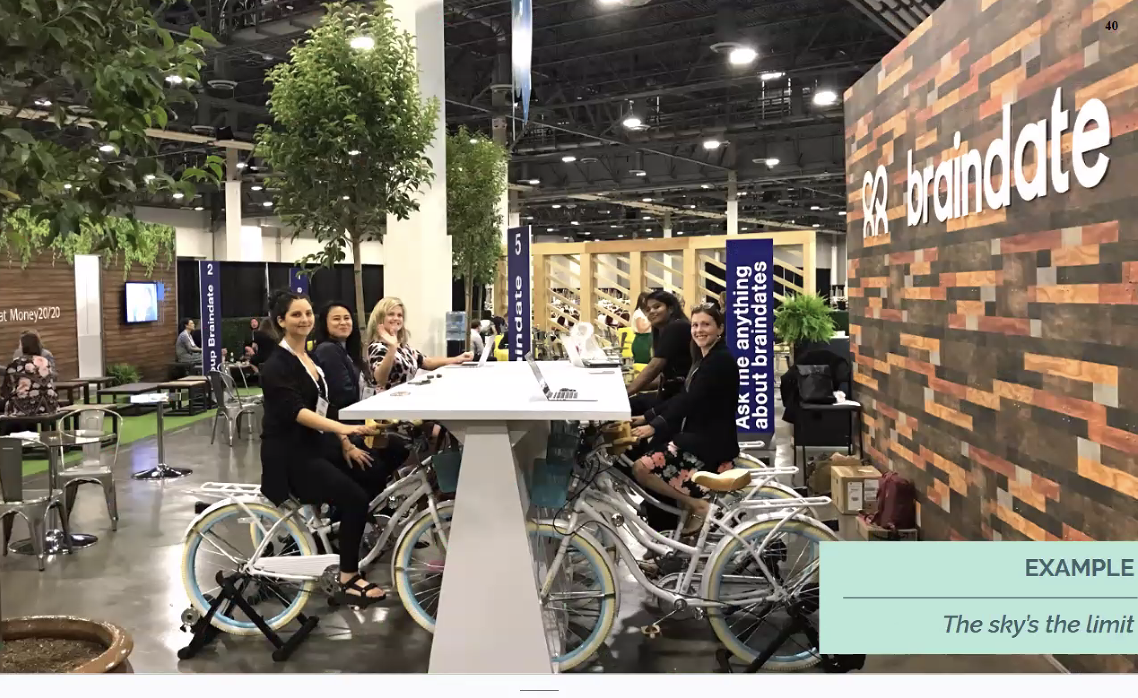
Navigating the Stress Spectrum: Understanding the Dual Nature of Stress
As we near the finish of first month of 2025, I keep hearing the 5 letter word “stress” in more and more of my conversations. Stress is inevitable, but it does fall on a spectrum, and can even be beneficial, which is why this week’s Gem is all about how to make it work FOR you.
One of my favorite Google Executives once shared: “Stress + Rest = Growth”
Stress, often vilified in modern discourse, actually exists on a nuanced spectrum. In the high-stakes world of event planning, understanding this spectrum becomes crucial for both personal wellbeing and professional success.
The Science Behind Eustress
Eustress, derived from the Greek prefix 'eu-' meaning good, represents positive stress that energizes and motivates. When experiencing eustress, your body releases a controlled amount of cortisol and adrenaline, enhancing cognitive function and physical performance. This biochemical response sharpens focus, improves memory retention, and boosts immune system function when managed properly.
Did you know: Our body actually releases cortisol in the morning to wake us up? If we didn’t have cortisol (often vilified along with stress), we might not even make it out the door!
The Shadow Side: Understanding Distress
Distress occurs when stress becomes overwhelming or chronic. Unlike eustress's energizing effects, distress triggers an excessive stress response that can lead to elevated cortisol levels, compromised immune function, and cognitive impairment. This negative stress state often manifests both physically and psychologically. Distress can also happen when too many stressors (which can be illness, work, family, emotional, etc) overwhen your body and mind’s ability to positive handle and recover from stress leading to overwhelm, burnout and compromised immunity and sense of well being.
Harnessing Eustress in Event Planning
Positive stress can become a powerful ally in event planning when properly channeled. If we mentally associate stress with eustress rather than distress, we can leverage it to our advantage and stop fearing it! Here ar esome examples of how we can use Eustress to make event planning much more palatable:
Creativity Enhancement:
The pressure of ideation sessions can spark innovative event concepts. I am currently planning one of these sessions, but building in time for a team lunch and icebreakers to add some team-building and levity to the tasks at hand.
Deadline-driven brainstorming often leads to unique solutions. A famous artist once told me he prefers to have constraints because it makes him produce better work. Similarly, I often will give my creative event agencies some constraints as I find it helps give them a better target than having to start from complete scratch.
Competition in the industry can drive excellence in execution. I remember working at Google we’d have team meetings where we shared our post-event recap decks to the event team and broader marketing. When I was more junior, I used to compare myself to those presenting, but then as I matured in my career and on the team (9 years at Google!), I felt more and more inspired which led me to growing in my career and becoming a leader and mentor on the team.
Performance Optimization:
Heightened awareness during critical planning phases - This is where the phrase “If you want something done, ask a busy person” comes from!
Enhanced problem-solving capabilities when facing logistical challenges - I use “mental rehearsal” to prepare my brain for how I’ll handle challenges and find that in doing this, I perform really well under pressure so it’s not stressful.
Improved focus during vendor negotiations - One of my specialties! This can become rewarding rather than daunting and save you or your clients loads of money!
Team Dynamics:
Increased collaboration under shared positive pressure. Sometimes called stress-bonding, it happens often to event professionals which is why we’re such a supportive community.
Stronger bonds formed through collective challenge-meeting. If you want a great team-building, try an obstacle course or escape room with your team to “rehearse” getting through challenging times together
Recognizing and Managing Distress Signals
So when does Eutress become Distress? Below are some indicators that the stress in your life is no longer advantageous and you might need to start regulating your body’s response to it before it sends you into fight/flight/freeze overdrive:
Physical Symptoms:
Persistent headaches or migraines
Disrupted sleep patterns
Digestive issues
Muscle tension and physical fatigue
Professional Impact:
Difficulty maintaining client or colleague relationships
Decreased quality of work deliverables or difficulty focusing
Communication breakdowns with team members
Missed deadlines or errors
Emotional Manifestations:
Irritability with stakeholders
Anxiety about event outcomes
Decreased enthusiasm for projects or burnout
Emotional exhaustion or depression
Preventative Measures and Management
There are plenty of ways to learn how to regulate stress and harness it to your (and your team’s) advantage before it gets distressing, and also how to recover if you find yourself getting pushed off-kilter:
Some of my favorite preventative measures include:
Strategic Planning
Implement robust project management systems for your events to reduce the times you reinvent the wheel, saving you time and preventing errors.
Create detailed timelines with buffer zones which also help manage expectations with stakeholders.
Develop comprehensive contingency plans so you can “stress” about the worst case scenario, establish what you’ll do, and then clear it from your mind.
Establish clear communication protocols with your team (i.e. if you don’t work a certain time of day, weekends, prefer slack to text/email, etc). I always ask my stakeholders, and freelance/agency partners their preferences and it goes a long way in maintaining people’s sense of wellbeing!
Optimizing Team Structure and Team Building
Define clear roles and responsibilities so everyone knows the expectation and work isn’t duplicated
Create backup systems for critical positions (it is the season for illnesses and we don’t need people pushing themselves over the top when physically unwell).
Establish mentorship programs and regular team wellness check-ins - Even starting each conversation with a check in can go a long way in releasing tension and establishing support. Humor has been shown to reduce cortisol as well!
Review team resourcing periodically: I do this with my team and cross-functionally to make sure the load of events is distrbuted to be manageable by all involved.
Schedule regular team bonding activities, recognition and reward systems. I even like to send handwritten notes and flowers (or other goodies like Opentable gift cards) to team members after major events as a small token of appreciation.
Next week, I will focus on Buillding Stress Management in Event Design. Believe it or not, traveling to events can be a major stressor and if you can alleviate even half the stress for your attendees, you’re half way to building an advocate for life.
What ONE THING I’m Loving This Week: For all my favorite vendors, partners and products, visit: https://www.giannagaudini.com/gianna-recommends
One of my favorite vendors, Eva (full disclosure, I’m also on their Advisory Board), recently launched their new New York market which means loads of additional top entertainers, speakers, and more in that market. I’m thrilled to share some exciting news: BizBash just awarded Eva as the 2024 Best New Product/Service! In case you needed another reason to work with this amazing team.
If you don’t see the market you’re in need of entertainment or speakers for, fret not - they most likely still have resources for you, and I’m happy to make an intro (just shoot me a note with your needs).
XX,
Gianna
When Plans Go Up in Smoke: Finding Renewal in Unexpected Changes
As event planners, we pride ourselves on anticipating every scenario, having backup plans for our backup plans. But sometimes, life throws us curveballs that no amount of planning could prepare us for.
Recently, watching many of my friends, family, and clients city of Los Angeles face devastating wildfires, I've been reflecting on how we handle those moments when our carefully crafted plans go up in smoke – literally and figuratively, and how we can try to look forward with an optimistic perspective.
The Event That Never Was
It's so easy to get caught up in what's missing in our professional lives—that dream job that fell through, the perfect speaker who had to cancel, or the signature event series or title you imagined would define your career by now. I've been there, circling the same mental track of "what-ifs" and "should-haves," and it's exhausting. But watching Los Angeles burn was a jolting reminder to pause and really see what I do have, which, as it turns out, is a lot. I wouldn’t have my career path any other way than it has unfolded, even though I couldn’t have predicted some of the twists and turns I have taken along the way.
I’ll never forget one year I was managing a global conference for 20,000 internal attendees and it was canceled a mere 6 weeks before the event! At first, I thought I was dreaming because of fatigue (I was definitely burned out at that point in my career), and then… as I saw literally every meeting on my calendar evaporate…I was left NOT with relief, but of fear and emptiness. I didn’t have any other modus operandi other than adrenaline-fueled pedal-to-the-metal and suddenly having that much open time freaked me out and made me question my worth and usefulness to the company.
My team had recently hired about a dozen new event team members to support this major event and they found themselves feeling even more aimless than I did while also trying to acclimate to a new team. As one of the Event team OG’s, I came up with the idea to create an “Event Marketing Academy” for our team and the broader company. Luckily, our CMO approved!
I surveyed my internal team about what skills they wanted to develop and what they could teach everyone else. I then put together a 3 month curriculum where twice a week, a team member would present to the team on something: topics like contract negotiation, how to lead a creative brainstorm, how to lead a product launch, retail store marketing, and more. I recorded all of them and pulled them all together on a Google Site which became an online “course” for all marketing team members to resource moving forward.
It was a project that brought me so much joy to coordinate, brought our team together during a hard period, and allowed people to find meaning and purpose during a down-time plus made our team leaders at the company. I’ll never forget how great it felt to actually have the space to think up and orchestrate a project like that, which I never could have done while Exec producing a 20,000 person event.
Side note…I also booked a trip to Sydney Australia over the week that 20,000 person event was originally planned to take place in Las Vegas. That Sydney trip was one of my most memorable trips ever - I even considered moving there! I’m so grateful I was able to go, enjoy friends there, without even a thought about my inbox!
Life is ultimately a series of decisions from moment to moment, day to day, that color the shape of your life. Every decision you make, every change in situation that forces a change in your life, closes one door, but makes room for another to open. I have always embraced change and used it as an opportunity to learn and grow. Muscles need tears to grow stronger - with pain comes strength when given time to heal.
When Your Timeline Goes Up in Flames
In our industry, we know that disruption is inevitable. Just as fire tears through landscapes, unexpected challenges can tear through our most meticulously planned events and marketing campaigns. But here's what two decades in event planning has taught me: these moments of disruption, while initially devastating, often clear the way for innovation and renewal.
Any unexpected professional setback—a canceled conference, a slashed budget, the loss of a key team member—can feel like a wildfire sweeping through your career. It scorches everything familiar, leaving behind an uncertain landscape where your carefully constructed plans once stood. But the hardest part is recognizing that, somewhere in the ashes of what could have been, there's potential for something even better.
Finding Your Footing in Shifted Ground
It's impossible to recognize the opportunity in the moment, of course. When you're standing in the wreckage of a derailed event or a failed campaign, it's all too raw, too overwhelming. That perspective only comes later, when you're looking back from the successful launch of your pivot or the unexpected success of your last-minute Plan C.
As event professionals, we understand better than most that setbacks are universal. Maybe that's why our industry is so collaborative, so willing to share resources and insights. In moments of crisis, we can lean into that shared experience to find strength, hope, or at least some valuable connections. On that note - please reach out if I can help you make any connections!
Auditing Your Event Portfolio
I'm still grappling with the unexpected twists of 2025, and I'm sure there will be many more challenging moments ahead. But for now, I'm helping my clients focus on what I call an "Event Portfolio Audit"—taking stock of what's working, what isn't, and being grateful for the opportunities that setbacks create for innovation and growth.
For those looking to support those affected by the Los Angeles wildfires, I've contributed to the GoFundMe Wildfire Relief Fund 2025. As someone who has planned countless events in this resilient city, I'm rooting for the people of Los Angeles, for the venues that will rebuild, the landscapes that will regrow, and for all of us in the events industry to find creative solutions in what's been a challenging start to the year.
Remember: sometimes the most memorable events are born from the ashes of original plans gone awry. It's not about the perfection of the initial vision—it's about the creativity and resilience we bring to the pivot.
What I’m loving this week:
Speaking of reinvention, I have officially announced my favorite caterer to the world by adding them to my Gianna Recommends page. Componere is an amazing company that has their own farm and sources all local and sustainable meat/fish while elevating the dining experience with chefs who have reinvented themselves coming from Michelin star restaurants like French Laundry.
Componere has been my top catering partner for over 12 years and I'm thrilled to share their incredible story. Their mission is to elevate the catering experience and create truly special, world-class dining experiences. Componere is Latin for "to bring all the pieces together" and I've seen them do this at every touchpoint. They always come to the table (literally) with innovative ideas, are always willing to work with me to incorporate my creative requests, and have been an invaluable logistics partner on executing seamlessly for top brands I've worked for like Google and SoftBank. Learn more about them here and reach out to me for a personal introduction.
XX,
Gianna
P. S. Need event advice?
Book a 15 - 60 min 1:1 using my link for Expert advice on intro: intro.co/GiannaGaudini

Zero-Proof: Mocktails Go From a Trendy Alternative to Event Planning Essential
The landscape of corporate events is undergoing a seismic shift, and at its center is a revolution in how we think about beverages. Zero-Proof spirits and mocktails, once relegated to the corner of drink menus as an afterthought, have emerged as a cornerstone of modern event planning. This transformation isn't just about following trends—it's about responding to changing demographics, health consciousness, and new scientific understanding.
The Perfect Storm: Demographics, Health, and Science
The convergence of several factors has elevated mocktails from a nice-to-have to a must-have at professional events. Generation Z, who will represent 35% of the workforce in 2025, consumes 20% less alcohol than their millennial counterparts. This shift isn't merely a youthful phase—it's a fundamental change in how upcoming generations view alcohol consumption.
Recent health findings have added urgency to this transition. Scientific evidence has established clear links between alcohol consumption and increased risks for multiple types of cancer, including breast, colorectal, and liver cancer. As event planners, we're not just catering to preferences; we're responding to a growing awareness of health implications.
Beyond Simple Substitution
The modern mocktail movement isn't about merely removing alcohol from traditional cocktails. It's about crafting sophisticated, complex beverages that stand on their own merits and even health benefits! Many of the people abstaining from alcohol also care about their health and aren’t just looking for a sugar-filled alternative, but rather elixers that offer adaptogens, polyphenols, are low sugar yet satisfying - quite a tall order!
The booming artisanal mocktail industry, projected to reach $30 billion in 2025, has given rise to innovative products that deliver the complexity and satisfaction of traditional cocktails without the alcohol and sugar.
Consider options like Ritual Zero Proof, Lyre and Seedlip Grove 42, which offer the familiar "burn" of spirits while remaining alcohol-free. Or try my personal favorite zero-proof wines: Katy Perry’s De Soi Tres Rose, and Oddbird’s assortment of great wines that offer up great taste + benefits like adaptogens and polyphenols. These aren't compromise choices—they're premium alternatives that deserve prime placement at your events.
Strategic Implementation for Event Professionals
Here's how to elevate your mocktail game so you’re not a mockery:
Equal Billing: Position mocktails alongside traditional cocktails, not as an afterthought. Consider creating signature mocktails unique to your event.
Professional Presentation: Invest in proper glassware and beautiful garnishes. The visual appeal should match or exceed that of alcoholic offerings.
Menu Design: Create detailed descriptions that highlight unique ingredients and flavor profiles. Consider pairing suggestions with food items. Many 5-star restaurants are now offering non-alc pairings as well as wine pairings, so for seated meals, consider offering non-alc wines, sparkling and beer as an option for guests.
Consider them as additive to the experience: I have done “wellness carts” offering probiotic mocktails, adaptogen elixers and coconut water hydration beverages, hangover preventers, and collagen-boosters that any attendee can enjoy to enhance their experience, even if they are having an alcoholic beverage. PRO TIP: I’ve done dim sum style wellness carts pushed around offering 2 oz shots of beverages like these and they are always a HUGE hit!
Staff Training: Ensure your bartenders can speak knowledgeably about mocktail ingredients and preparation methods. Their enthusiasm can be contagious. I was in Miami last week and one of our servers confessed he no longer drinks and it became a bonding moment for us as we enjoyed a mocktail during “dry Jan”.
Consider breakfast, lunch or coffee/tea time events: For those who don’t drink, events at these times are much easier to go non-alc, and as a bonus, it will save you budget!
The Business Case
Investing in a robust zero-proof program isn't just about accommodation—it's about competitive advantage. With millennials and Gen Z comprising 75% of the workforce, organizations that thoughtfully cater to evolving preferences will stand out. But don’t forget to market it! Include your mocktail options in your invitation, and add a pre-event survey to ask preferences, indicating you’ll have options for those who don’t imbibe in the hard stuff. Moreover, inclusive beverage options can increase event participation and engagement while demonstrating corporate responsibility.
Gianna’s Gem: Consider this: Actively promoting the fact that you have a fabulous zero-proof menu can actually improve your event attendance! I have many friends who are business leaders and only attend one dinner a week where they’re expected to imbibe in alcohol. However, they do attend additional events if they know there are solid non-alc options that allow them to still function well the next day!
Looking Forward
The zero proof movement represents more than a passing trend. It's a fundamental shift in how we approach corporate hospitality. As event professionals, we have the opportunity—and responsibility—to shape this transformation. By embracing sophisticated non-alcoholic options, we're not just serving drinks; we're creating more inclusive, health-conscious, and engaging event experiences.
The question is no longer whether to include mocktails in your event planning, but how to make them an integral part of your beverage strategy. As we move forward, those who master this aspect of event planning will find themselves ahead of the curve in creating truly inclusive and contemporary event experiences that empower attendees to .
What ONE THING I’m Loving This Week: For all my favorite vendors, partners and products, visit: https://www.giannagaudini.com/gianna-recommends
As a reminder, this year I’m all about LESS IS MORE, and for 2025, I’m sharing just ONE thing I love this week.
Zbiotic drink - It seemed appropriate given the topic to resurface this amazing find. One of my best girlfriends shared her secret to how she attends wine-filled sales dinners and manages to never get a hangover (seriously, I was all ears!) She told me about Zbiotic, a drink that’s created from scientifically tested bacteria that help process alcohol faster (see how it works). So…I tried it and low and behold, woke up feeling fresh as a daisy! I’m sold. And with this link, you can take $20 off the product and put it to the test yourself!
Time Stress: The Hidden Cost of Modern Life and How to Break Free
Time Stress: The Hidden Cost of Modern Life and How to Break Free
Every morning as I sip my coffee and review my calendar reminders (my version of a to-do list), I'm reminded of a universal truth: we all have the same 24 hours in a day, yet somehow it never feels like enough. This phenomenon, which I call "Time Stress," has become the silent epidemic of our generation, affecting everyone from busy professionals to dedicated parents and especially those planning significant life events.
When I hit 40, I suddenly had an awakening that I has a desperate aversion to wasted time, be it in pointless meetings, waiting in lines, grocery shopping inefficiently, you name it, and this is what finally kicked me into full speed ahead mode with departing the corporate world and launching my own business. I am now producing about 5X as much and with zero time wasted each day, or at least close to zero time wasted.
I was recently having a conversation about this awakening with a friend of mind in a similar conundrum which is why for this week’s Gianna’s Gems, I wanted to bring it to light and include strategies for dealing with it, whether you’re in events or just human.
Understanding Time Stress
Time Stress isn't just about being busy – it's that constant, nagging feeling that you're always behind, always racing against the clock, and never quite catching up. It's the weight on your shoulders when you look at your to-do list and the anxiety that bubbles up when another commitment gets added to your plate.
I see this particularly intensely in my event planning work, and because I’m always looking twenty steps ahead, I tend to have a harder time being “in the moment” because I’ve trained myself to always be contingency planning. But here's the truth: Time Stress isn't inevitable. It's a pattern we've fallen into, and like any pattern, it can be broken.
The Real Cost of Time Stress
Before I dive into solutions, let's break down what Time Stress is actually costing us:
Mental Health Impact: The constant state of rush and overwhelm triggers our fight or flight stress response, leading to anxiety, decreased sleep quality, and emotional exhaustion and burnout.
Relationship Strain: When we're time-stressed, we're less present with loved ones, more irritable, and more likely to miss important moments.
Decision Fatigue Time Stress: clouds our judgment, leading to poor choices and a tendency to procrastinate or rush important decisions.
Financial Consequences: Rushed decisions often lead to overspending, while the physical and mental toll can impact work performance and earning potential.
Breaking Free: A New Approach to Time
Here's where I'm going to share something that might feel uncomfortable at first: Sometimes, the most valuable way to spend your money is on buying back your time. This isn't about being wasteful – it's about being wise with your most precious resource.
Strategy 1: The Power of Strategic Outsourcing
Think about your typical week. How many hours do you spend on tasks that:
Don't bring you joy
Could be done by someone else
Take you away from higher-value activities
Now, consider the revolutionary concept of viewing your time as an investment portfolio. Just as you wouldn't waste a valuable investment on low-return activities, why waste your precious time on tasks that could be delegated?
Example 1: A few years ago, I realized I was always under water during December with end of year planning, holidays, and hosting events. I realized that gift-wrapping zillions of gifts and sticking stuffers was no longer joyful - it felt like time ticking away. So I hired someone to wrap my gifts! Now, I still have the joy of finding and purchasing all the gifts, writing the heart-felt cards, but know that I’m saving about ten hours on wrapping which I can spend on other things (like hiding Elf on the shelf for Jack). As a bonus, I’ve become friends with the fellow Mom gift-wrapper and she even introduced me to her daughter as a babysitter for Jack - talk about a winning strategy!
Example 2: I’ve been known to hire professional photographers (or ask my Dad!) and dishwashers to help when I host big events at my home or for others. It takes the stress of the clean-up and I can mingle with my guests and be 100% present while knowing the special moments are being captured by someone.
Strategy 2: Building Your Time-Saving Dream Team
Here are some examples of how to build a support system (and by no means exhaustive):
Personal Life Support
House cleaning service (3-4 hours gained weekly)
Meal prep or delivery service (5-7 hours gained weekly)
Virtual assistant for administrative tasks (2-3 hours gained weekly)
Laundry service (2-3 hours gained weekly)
Carpool (4-6 hours gained weekly)
Professional Support
Bookkeeper for financial organization
Social media manager for online presence
Research assistant for project preparation
Technical support for computer and software issues
Event Planning Support
Professional planner for overall coordination
Day-of coordinator for execution and advancing venues and greeting guests
Specialty vendors for specific elements like photography
Catering team
Creative team to help with everything from invite design to menus, favors and signage
The Money vs. Time Equation
Let's talk numbers. Yes, hiring help costs money. But consider this equation:
Your Hourly Value × Hours Saved = True Cost Benefit
If your work generates $100/hour and you spend 5 hours weekly on cleaning, paying $100 for a cleaning service actually nets you a $400 profit in potential earnings – not to mention the mental energy saved. Plus, you may have a creative idea with that mental space that propels your career forward exponentially!
Strategy 3: Time Management Techniques That Actually Work
Even with support, you need solid time management practices:
Time Blocking with Buffer Zones: Schedule your day in focused blocks, but always include 15-30 minute buffers between activities. These aren't breaks – they're reality cushions for life's inevitable surprises, or self-regulating techniques like meditation which can replenish your “adaptation energy” so you don’t burnout or lose it on your poor spouse or dog.
The 2/2/2 Rule: Give yourself a perspective check-in by seeing your life in landscape mode:
What will matter in 2 days?
What will matter in 2 months?
What will matter in 2 years?
Use these questions to prioritize your time and energy.
Energy Management: Track your energy levels throughout the day and schedule high-priority tasks during your peak hours. Save administrative or simpler tasks for low-energy periods.
Making the Mindset Shift
The hardest part about managing Time Stress isn't implementing these strategies – it's giving yourself permission to use them. Here's your permission slip:
You don't have to do it all
Asking for help is a sign of wisdom, not weakness
Your time has real, quantifiable value
Investment in time-saving support is an investment in your wellbeing and a better life
Your Action Plan for Time Freedom
Audit Your Time - Track everything you do for one week. Be honest and detailed.
Calculate Your Hourly Value - Not just your work rate – include the value of your peace of mind and personal time.
Identify Your First Delegation - Choose one task to outsource this week. Start small if you need to build confidence.
Build Your Support System - Research and interview potential service providers. Remember, you're building a long-term relationship.
Monitor and Adjust - Keep track of your time savings and stress levels. Adjust your support system as needed.
The Ultimate Investment
Remember this: every minute you spend stressed about time is a minute you're not fully living. Every hour spent on tasks that don't align with your highest value is an hour you can't invest in what truly matters.
Your time is your most valuable asset. Protect it fiercely. Invest in it wisely. And most importantly, give yourself permission to create a life where Time Stress is the exception, not the rule.
Happy first week of 2025 everyone!
What ONE THING I’m Loving This Week: For all my favorite vendors, partners and products, visit: https://www.giannagaudini.com/gianna-recommends
As a reminder, this year I’m all about LESS IS MORE, and for 2025, I’m sharing just ONE thing I love this week.
This week, I had dinner in Miami with the amazing speaker, author, and former pro tennis player, Danielle Mills Walden. She introduced me to the amazing platform, Intro,where you can find experts to mentor you for 15 minutes or longer and on a one-off or regular coaching basis to support your goals, dreams, business needs. The platform is inspiring and helpful with some incredibly talented entrepreneurs, leaders, and even health, beauty and wellness experts. I am honored to have just joined as an expert myself and if you or anyone who is stressed with time and could use some 1:1 coaching needs my support, you can find me here: https://intro.co/GiannaGaudini?source=intro
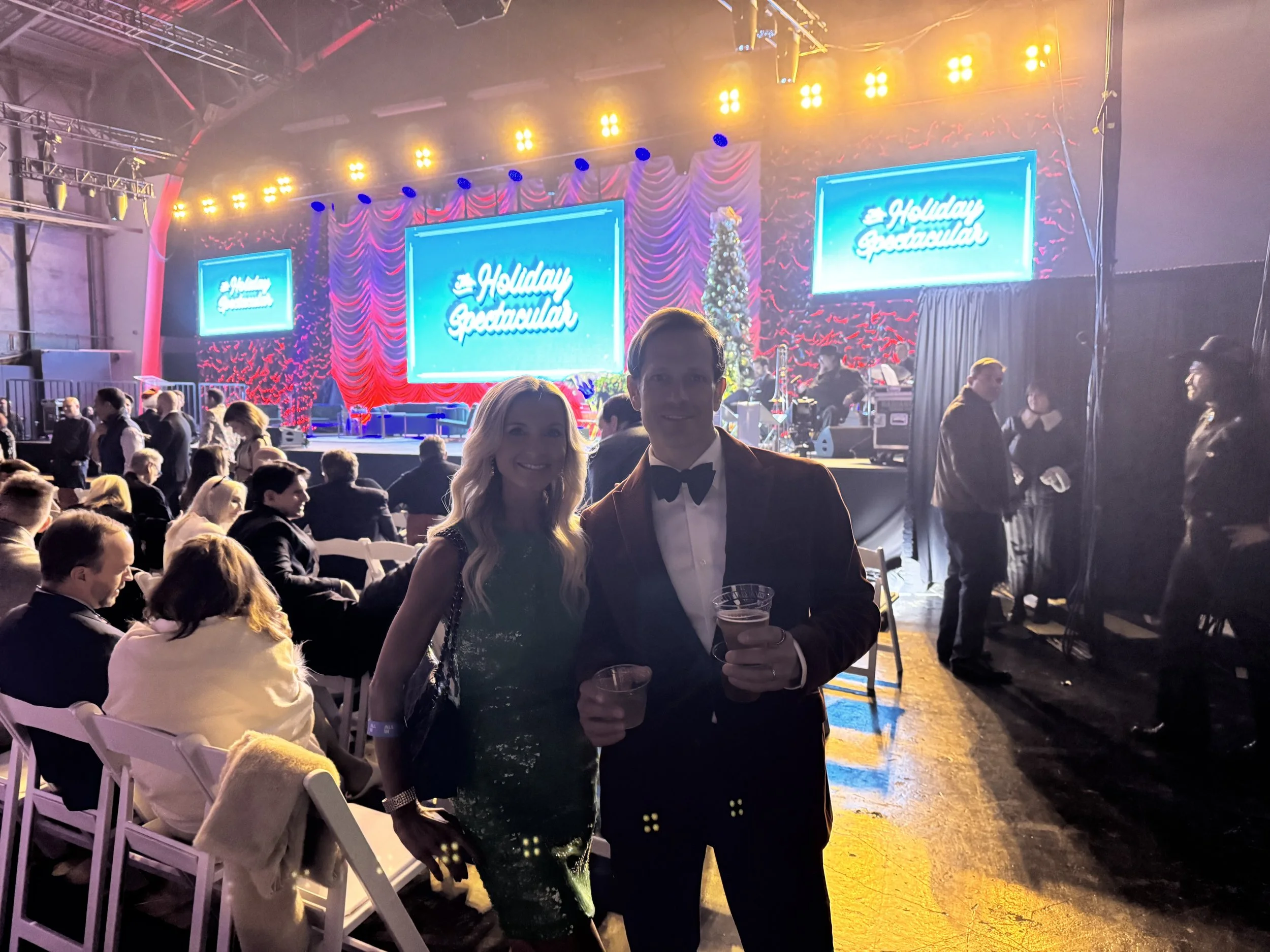
Corporate Holiday Parties and Alternatives: What Actually Works
Let me paint you a picture: Last weekend, I attended the All-In Holiday Summit, and was totally shocked by the number of people in attendance and the energy at the event. AND…they did something brilliant – offering group discounts for startups to use the event and afterparty as their company holiday party. Pure genius! It got me thinking about how we can reimagine these end-of-year celebrations to be more inclusive, practical, and actually fun.
The Holiday Party Refresh We All Need
Can we talk about how tired the traditional holiday party format is? You know the one – Saturday night in December, awkward formal wear, trying to eat a plated dinner while making small talk with your colleague's spouse. Let's shake things up! TIP: The Gianna’s Gem is further along in the email this week, so read the whole thing so you don’t mis it!
What's Actually Working Now
Timing is Everything
Here's a hot take: Maybe December isn't the best time for your company party. I'm seeing more companies hosting January celebrations, and it's brilliant. People are refreshed after the break, and you're not competing with family obligations and personal holiday events. Plus, venue prices often drop significantly after the New Year.
The New Power Lunch
One of my favorite trends is the holiday lunch party. It's inclusive of parents who can't do evening events, much more budget-friendly (who’s drinking more than one glass of booze at lunch these days?), and honestly - how fun is it to get the day off from work rather than work all day and then stay out so late at an event you’re required to attend, destroying you for the rest of the week? You're not asking employees to give up precious personal time during the busy holiday season and also requires much less effort for planning and minimal dressing up required.
Experiential > Expensive
The most successful events I'm seeing aren't about lavish entertainment or expensive swag – they're about creating shared experiences. One approach that's working beautifully is breaking the large company party into smaller groups i.e. taking teams to a show with small dinner gatherings before and a reception after. It gives people natural conversation topics and shared memories. My teams and I did this one year in San Francisco and attended Beach Blanket Babylon together, then split into smaller groups at restaurants to dine-around afterwards. It was a blast and I had so many deeper conversations than at larger format parties.
The Do's That Actually Work
Food That Makes Sense
Skip the formal seated dinner - do interactive stations and passed apps instead (or see above and do a lunch!)
Opt for elevated finger foods people can eat while networking and moving about
Include substantial options for all dietary needs (i.e. vegetarians deserve protein options and passed apps shouldn’t all contain puffed pastry!)
Thoughtful Beverages
Beautiful mocktail stations (not just sad soda options)
Hot beverage bars with specialty coffee and tea
Mitigate long bar lines with passed cocktails and mocktails at the door
Please do not think about a cash bar. Nothing says “I don’t really appreciate you” other than making people pay for their own drinks or requiring drink tickets. Come on people - we’re all adults here. If you can’t trust people to know their limits, maybe you shouldn’t have hired them!
Team Bonding That Doesn't Break the Bank
Secret Santa with super low dollar limits (I've seen $5 limits produce the most creative gifts!)
White Elephant where people bring something funny they have already so people don’t have to spend their own money on gifts.
Photo booths with fun props (still a crowd-pleaser) and I love that it’s a keepsake that will remind you of the fun times with colleagues for years to come (see photo on my linked in post!)
Team challenges or scavenger hunts.
Gianna’s Gem: To really go above and beyond, use your holiday party as an opportunity to make the world brighter and better.
Example 1: One year when I was working at Google, our event team decided that instead of having a big party for our team, we’d instead do a team-building, give-back activity. There had recently been a fire in Napa Valley that destroyed many people’s homes and belongings right around the holidays. Truly devastating. We were able to work with a local organization to get a few family’s wish lists and then divided into teams of 5 to “shop” downtown San Francisco for their wish lists. To make it more of an “event”, we first assigned team leads who received cash to 1) treat the team to a fancy lunch (cocktails allowed) and then we all set off to shop for the wishlists. At the end, we returned to the office where we had more drinks and appetizers and all wrapped the gifts together. It was fun, promoted unconventional teambuilding, and left the world better as a result.
Example 2: Rather than a generic canned good or coat drive, have people bring a book to donate to local women/children’s shelters and have everyone write a personal message inside. I’ve done this before and it’s so powerful and leads to really great discussions. Could you imagine receiving a book with a handscribed inspirational note from an Executive at Google? It could change your life trajectory and give you hope.
The Don'ts That Save Your Budget (and Sanity)
Skip the expensive entertainment – that money is better spent on food and experiences people can share
Avoid weekend events – respect people's personal time during a hectic season
Don't plan events too close to when people typically take vacation
Skip the elaborate sit-down dinners that limit mingling
More Fresh Ideas Worth Trying
The Distributed Celebration
Give managers a budget to take their teams out for dinner and get something meaningful for their group. I've seen this create more intimate bonding opportunities and allow for more personalized celebrations. I created customized stationary for my team with things that I knew they loved (unicorns for one gal, the color pink for another). It is thoughtful and shows team members you care and appreciate them.
Theme It Right
Skip the traditional holiday themes and try something unexpected like a Roaring Twenties party or a New Year kick-off celebration. It's more inclusive and gives people a creative direction for outfits and activities
The Summit Strategy
Take a page from the All-In Holiday Summit playbook – could your company partner with an industry event or create a learning opportunity that doubles as a celebration? It's budget-efficient and adds professional value with much less load on your already strapped events or people team.
The Bottom Line
The best corporate holiday celebrations put people first. They consider:
How people actually want to spend their time
What makes everyone feel included and appreciated
Ways to create genuine connections
How to respect both personal time and company budgets
Remember: The goal isn't to have the most expensive or elaborate event – it's to bring people together in a way that feels authentic and appreciated.
What's working for your company's holiday celebrations? I'd love to hear your fresh takes in the comments below!
Things I’m loving this week:
Entertain: I love making fun icecubes! If you have trays, pop some cranberries, raspberries or pomegranate seeds into them to make any punch look more festive. Bonus points for using a mold like these!
New Years attire: I’ve promoted them before, but they’ve refreshed their site and have so many incredible offerings at any price point, I wanted to share Tinsel Arcade again. My own custom-designed blazer is so stylish and fun for holiday parties, I get stopped whenever I wear it by people wanting to know where I got it. I selected the color-palette, materials, and style and they created me such a gorgeous and perfectly fitted garment, but they also now make ready-to-wear! Design your own, or check out the ready-made styles. BONUS: Take 10% off your order (custom or ready-made) with the insider code: GIANNAVIP
Delightful Holiday Gifting: If holiday or everyday gift-giving feels more like a chore than a joy, let me introduce you to my go-to gifting company, Bestowe. From beautifully curated wellness gift boxes to the incredible Solo Stove Fireside Fun Box, complete with all the essentials for a perfect S'mores night (seriously, who doesn’t want to be a kid again!), Bestowe Gifting has something for even the most discerning on your list. Their unique, thoughtful gifts are sure to make your everyday shopping stress-free and thoughtful.They also custom curate and design elevated large volume orders for events and companies. And the best part -You can enjoy 10% off your first order using my link below!
Entertainment - Now in NY! Eva, a company I advise, just publicly launched in New York, thankfully in time for the holiday season and new year! This women-owned biz is my favorite one-stop platform to book whatever it is I need to make an event more entertaining: From comedians to musicians, unique team-building activities to A-List speakers, I can easily find and book it here and at any price point. I use Eva for both inspiration and new ideas as well as to handle logistics like payment, insurance and riders for me. And since I’m a fangirl, they’ve provided me with my own discount code to give you 10% off any booking with the code: EVAGVIP.
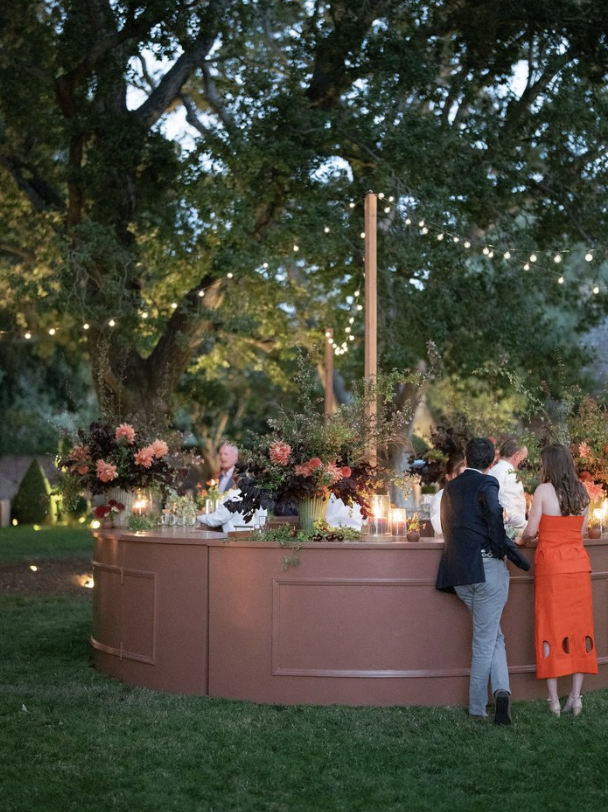
Gianna’s Gems: Proprietary Events vs. Event Sponsorships: Making the Right Choice
After years of crafting event strategies for global brands, startups, and VCs that invest in both, one question consistently emerges: "Should we create our own event or sponsor an existing one?"
‘Tis the season for annual company strategy planning, and I’ve been reviewing multiple third party event prospectus’ and portfolio planning for 2025. So…for this week’s Gianna’s Gems, I'm breaking down the strategic considerations that will help you make the crucial decision between hosting your own events or spiringing for event sponsorships with confidence.
Understanding Your True Objectives
Before diving into the decision-making framework, let's acknowledge that both approaches can be powerful – but they serve different strategic goals. The key is aligning your choice with your intended outcomes while taking your budget, team resources and company’s maturity into consideration.
When Proprietary Events Shine
Building deep community engagement
Controlling the full attendee journey and audience
Generating content, photos video and customer interviews to use after the event in your campaigns or on your website/marketing materials
Creating unique branded experiences and testing innovative formats
Establishing thought leadership and relationships with key opinion formers, press, analysts and influencers
Launching major initiatives/products, and making company announcements
When Sponsorships Make Sense
Reaching pre-qualified audiences and executives who may not go to a smaller company’s hosted event
Testing new markets/personas
Avoiding the cost of not showing up where your competitors are / optics of being a player at the big events
Supporting partner brands and/or partnering with other brands to amplify reach and visibility
Managing resource constraints
Leveraging the third party’s brand and marketing to reach your audience and prospects and meet them at their watering holes
The Decision Framework
Now let's explore the key factors that should influence your choice for each primary objective below:
Brand Position & Story
Go Proprietary When:
Your brand has a unique story to tell
You're establishing category leadership (I was lucky to be part of a category launch with Airtable and hosting our first live event to announce it!)
You want to build relationships with press and analysts or investors
Your community seeks exclusive experiences
Choose Sponsorship When:
You're building market presence
Category authority comes from association
You're entering new verticals
Brand awareness is a primary goal
Audience Engagement
Go Proprietary When:
You have a highly engaged community
Direct customer relationships are crucial
Your audience seeks peer connection
You need deep attendee insights
Choose Sponsorship When:
You're prospecting new audiences
Broad reach matters more than depth
You're testing market response
Quick scale is important
Resource Considerations
Go Proprietary When:
You have an experienced cross-functional event team and a Head of Events with corporate events experience rather than field marketing events background
Long-term investment is available
You can commit to multi-year programs
You have strong vendor and partner relationships
You have a large customer database to invite
Choose Sponsorship When:
Internal resources are limited
You need quick market presence
Budget flexibility is important
You want to test before investing
You do not yet have a large and qualified customer invite base opted in to marketing and event invites
Making the Hybrid Approach Work
Sometimes, the answer isn't either/or – it's both. Enter The Portfolio Strategy: I love working with customers on building out and optimizing their event portfolios. Here is a sample strategy which is customized for each company.
Anchor with a proprietary flagship event
Support with strategic sponsorships
Use sponsorships to test new markets
Create proprietary activations within sponsored events
Evaluate the event portfolio to make sure it’s covering all of the target personas and funnel stages (or at least feeding them as part of an integrated marketing channel)
Another approach I often take, especially when working with younger startups just testing the water with their event marketing channel is The Evolution Strategy:
Start with sponsorships to understand the landscape and start building out the event framework and muscle internally
Create proprietary moments within sponsored events and establish strategic partnerships
Start with smaller proprietary events like Exec Dinners or roadshows
Scale above successful proprietary formats
As you build up your customer base and a more regular product launch schedule plus build a community, work towards your own hosted conference to drive internal alignment towards an external goal.
When it comes to Making the Decision: Below are some key questions I always ask:
Strategic Questions
What's our primary goal for the next 18-24 months?
Where are our target audiences already gathering?
What unique value can we bring to the market?
How does this fit into our broader marketing strategy?
Practical Questions
What internal resources can we dedicate?
What's our realistic timeline for impact?
How will we measure success?
What's our tolerance for risk and experimentation?
Finally - No matter what type of event strategy you’re crafting, I recommend establishing these Best Practices for either path:
For Proprietary Events
Start with a clear differentiation strategy
Build strong feedback loops (meet with sales team, survey feedback and ROI analysys)
Invest in community management
Plan for multi-year development
Create scalable formats
For Sponsorships
Choose partners aligned with your values and target audience
Negotiate for meaningful activation rights
Create unique experiences within the framework
Measure specific outcomes
Build relationships with organizers and get ahead of sponsorship launch dates so you can negotiate premium booth locations and MPOs.
The choice between proprietary events and sponsorships isn't just about resources or reach – it's about strategic alignment with your goals. Often, the most successful programs combine both approaches thoughtfully over time.
Remember: The best choice is the one that authentically connects with your audience while advancing your business objectives. Start with clear goals, be honest about your resources, and don't be afraid to evolve your approach as you learn.
What I’m loving this week: And for all my favorite vendors and partners visit: Gianna Recommends
Nutrition: I’m currently obsessed with Dr Gundry’s Primal Plant Powder. It tastes like green apple and it so delicious blended with my matcha lattes in the morning (plus I feel like I’m getting in an extra salad!) The powder is a Polyphenol-rich superfood greens blend with 11 of the most powerful vegetable polyphenols to help boost your energy and refresh your skin. It also contains nutrients like vitamin B6, which are important for brain health and can help improve mental clarity and focus. This can help you stay focused and productive throughout the day. I love natural energy enhancers and immune boosters like this!
Corporate Offsites and Retreats: I’ve had so much success partnering with Marco Experiences on corporate Offsites. They have not only been extremely responsive and positive to work with, but shave roughly 20-30% off average hotel budgets for my clients while serving up a variety of approachable options. You can take 10% off their service if you book through my VIP link (or mention my name when you schedule a demo and you’ll receive the 10% discount!). They can even assist with the event planning if you need extra support. Enjoy!
Gifting: It’s gifting season, so I’m re-featuring one of my favorite unique vendors for high quality gifting. I’m obsessed with Ostrich Pillow’s hot water bottle, heated neck wraps, and de-puff eye masks, but they have a variety of products that are the perfect gift for people who travel and appreciate comfort and luxury. Take 10% off you entire order via the code GGOstrich10.
Sweets: Siren Sweets is a delicious and beautiful line of plant-based, gourmet chocolates that are 100% customizable and perfect for gifting and events. Siren is a female-owned Bay Area company who makes their chocolates to-order in small batches. They will add any logo or design directly on their chocolate, making the most delicious gift for your employees or customers, perfect for company events, conferences, and social gifting. Even better, they have a super speedy turn-around and crave-able flavors that are vegan and gluten free. My favorites are Cookies & Cream, and Dark Chocolate Raspberry Almond Sea Salt. They will give you a 10% discount on any order if you name-drop Gianna Gaudini when you reach out to them by clicking here.
Read: Feeling overwhelmed? Check out this great read on the toxicity of over-productivity (I’m guilty as charged and personally trying to take at least one day a week off starting…now!)
Wishing you a cozy week and as always, reach out if I can be helpful!
XX,
Gianna
Gianna's Gem: Zero F's Given. Why Less Is Always More
Hi there and happy first official week of spring,
I just wrapped up my client's presence at RSA Conference with a cheeky campaign I adore… "Zero F's"... and no, that's not a typo or a provocation (well, maybe a small one). In this case, the "F" stands for friction. Zero points of friction, which is the promise my client makes to their customers and which we embodied experientially at our conference presence. And the response was electric.
But here's the thing: the campaign worked not just because it was edgy and memorable, but because it captured something that the highest-performing businesses already know… and most are too afraid to actually do.
Less is not a compromise. Less is a competitive strategy.
Gianna's Gem: The most powerful thing you can add to your business, your event, or your experience is often the thing you have the courage to remove.
Let me explain what I mean, and why this idea has been quietly running some of the world's best-performing companies for decades.
Start With the Japanese.
Before Apple had its minimalist genius and before Amazon had one-click checkout, there was a manufacturing revolution happening in Japan. Toyota and other companies were pioneering something called lean manufacturing, a relentless obsession with eliminating waste. Not just inefficiency, but anything that didn't add direct value to the customer. They called these waste points muda, and hunting them down became a cultural sport.
The insight was radical: you don't always grow by adding. Sometimes, you grow by subtracting everything that was quietly slowing you down.
That idea didn't stay in the factory. It traveled into product design, software, business strategy, and yes, into events. The best brands and the best event experiences are engineered around this same principle, whether their creators know it or not.
Zero Points of Friction: The Experience Your Customer Deserves
Friction is anything that makes someone hesitate, stumble, or give up.
In events, it's the registration or post-event survey form with fifteen fields when three would do. It's the check-in line that snakes around the building. It's the required event app nobody was prompted to download before arrival. It's the panel that ran twenty minutes over and made everyone late for lunch.
In business more broadly, it's the five-step approval process for a two-hundred-dollar decision. It's the checkout flow that loses 70% of buyers before they hit "confirm." It's the onboarding experience that makes a new customer feel stupid or frustrated.
Here's the hard truth: most friction is invisible to the people creating it. You're so close to your own process that you stop seeing the obstacles your customer is navigating. That's why the best companies, and the best event planners, build with fresh eyes, ask stupid questions, and ruthlessly audit their own experience from the outside in.
One of my favorite exercises when planning a new event: I walk the entire attendee journey before anyone arrives. I deliberately identify pain points and propose ideas to turn them into moments of relief and delight instead. I check in as if I've never been there. I look for every moment of confusion, every unclear sign, every moment where someone might stall. Then I eliminate it. Not improve it, eliminate it.
Gianna's Gem: Your job isn't to manage friction. Your job is to remove it before your attendee ever feels it.
Addition by Subtraction: The Counterintuitive Power of Cutting
Here's where things get counterintuitive.
Every instinct tells us that more is better (I’m Italian, so I get the more is more mentality, believe me!). More sessions, more speakers, more sponsors, more swag, more options. More signals effort. More says we care. More feels safe because it's harder to be criticized for trying too hard.
But your attendees? They don't want more. They want better. And better almost always means fewer, sharper, more intentional choices.
Gianna’s Gem: Have you ever heard the famous quote “If I had more time I would have written less”? Editing is elegant…it’s a skill…it signals confidence and creates clarity.
Think about Dyson removing the vacuum bag… not to save money, but to improve suction and eliminate the maintenance nightmare customers hated. Think about Google's search homepage, which has barely changed in twenty-five years: one box, one button, radical clarity in a world of visual noise. Think about Apple stripping features competitors were proud of, and winning market share because of the elegance that remained.
I've seen this in my own work. Some of the most powerful events I've ever produced had fewer sessions than the ones that came before them. When we cut three breakout tracks and focused on two really extraordinary ones, the energy in the room was palpable. People stopped scheduling hallway escapes. They actually stayed.
Addition by subtraction isn't about doing less because you ran out of budget or time. It's a strategic choice to focus your resources on what genuinely matters to the people in the room, and have the confidence to let the rest go.
Better All the Time: The Compound Effect of 1% Improvements
Now here's where it all comes together.
James Clear, in Atomic Habits (a book I recommend constantly, including in a previous Gem), describes the mathematics of marginal gains: if you improve by just 1% every day, you'll be 37 times better by the end of the year. Thirty-seven times. From 1% increments.
The businesses that sustain excellence aren't doing massive overhauls every quarter. They're doing small, consistent, relentless acts of refinement. They're removing one friction point per sprint. They're cutting one underperforming feature per release. They're tightening one process, shortening one form, clarifying one piece of messaging.
Compounded over time, that discipline becomes an enormous, durable competitive advantage. And it's one that most competitors can't replicate, not because it's technically hard, but because it requires patience, humility, and the willingness to always ask, what's still in the way?
For events, this means treating every activation as a learning opportunity:
What confused people?
What slowed them down?
What did they skip?
What did they love so much they came back for seconds?
I love data (there’s no bad data!) So, once you’ve answered these questions, take that data, make one better decision, and do it again next time.
Gianna's Gem: Excellence isn't an event. It's a practice. And the businesses that win are the ones that never stop asking what they can remove, refine, or rethink.
Why This Combination Is a Business Superpower
Here's the thing about "Zero F's" as a campaign: it worked because it was true. It wasn't a tagline. It was a philosophy. And the reason it landed so well at RSA, a conference full of security professionals who are professional skeptics, is because the people in that room are wired to spot friction and demand that it be removed.
The convergence of these three principles: zero friction, addition by subtraction, and continuous improvement, creates something the competition can't easily replicate: a business that is leaner, faster, more focused, and genuinely better to work with at every touchpoint.
It improves your bottom line (less friction means more conversions, fewer costs). It deepens loyalty (people return to experiences that respect their time). It builds a culture of excellence internally, where your team is always looking for what can be optimized rather than just maintained.
And perhaps most importantly: it keeps you honest. Because when your standard is zero friction, there's no hiding behind "good enough."
Your Challenge This Week:
Identify one process, one event element, or one customer touchpoint that has unnecessary friction baked into it. Not the biggest one. Not the most complex. Just one. Then ask yourself: can I remove this entirely? If not, can I simplify it by 50%?
Start there. Repeat next week. That's the whole game.
You've got this.
XX,
Gianna.
Want to work with Gianna and learn more frameworks for creating the gold standard in events and experiences? Visit giannagaudini.com/learn-from-me
Gianna's Gem: Five Unforgettable Event Experiences for C-Level Executives
Hi there,
A few months ago, I was chatting with a CMO at a dinner I had planned, watching her genuinely laugh with delight for what she told me later was the first time in months. We were at a private celebrity chef’s vineyard, the chef was presenting the first course which featured hand-pulled mozzarella that she and her colleagues had made themselves earlier that evening, and the sun was doing that golden California thing it does right before it disappears.
She leaned over and said: "This is the most authentic joy and connection I’ve experienced at a work event in years - why aren’t we doing these more often”?
That's the whole point.
After 23+ years designing experiences for executives at Google, Amazon, SoftBank Vision Fund, Airtable, Cognition and others, I can tell you with complete confidence: the conference room is not where relationships are actually built. The suite upgrade and the branded tote bag are not what people remember. What they remember is the moment they didn't see coming. The experience that made them feel something. The connection that would have only happened from meeting another person out of the typical work context and connecting on a human level at a shared experience.
C-suite executives are the hardest audience in the world to impress. They've been everywhere. They've seen the standard playbook so many times they can predict the next move before you make it. And yet - and this is what I find endlessly exciting about my work - they are just as susceptible to genuine delight as anyone else. Maybe more so, because they encounter it so rarely.
Gianna's Gem: The most powerful thing you can give a C-level executive isn't access or information. It's an experience they couldn't have planned for themselves, shared with others who are experiencing the magic simultaneously.
This week I’m sharing five of my favorites, the ones I come back to again and again because they work, and they’re timeless.
It’s crazy season, so this week I’m giving you a more snackable overview of the concepts, but please get in touch if you’d like to have a brainstorm session on any of these concepts that sound intriguing.
1. The Mystery Private Jet Experience
Guests board a private jet knowing only what to wear, and the duration of the evening’s experience, not where they're going. The plane itself is part of the experience: curated beverage service, facilitated conversation, and an atmosphere of intrigue. The reveal might be a Napa Valley vineyard with a celebrity chef waiting at the vines, or a mountain setting with a private musical performance under the stars. The return flight is equally intentional, relaxed, reflective, and memorable with dessert and warm cozy beverages or night caps served as guests choose who they want to sit next to for a deeper conversation to close out the evening meaningfully.
Why it works: Anticipation is a powerful emotional primer. By removing the destination from the equation, guests arrive fully present, curious, connected, and ready to engage in a way a known itinerary never allows. It also leads to word of mouth storytelling since this is not the standard event format. When you bookend the destination with intimate opportunities for conversation, the result is bonds and conversations that are much more meaningful that any networking dinner.
Attendees: 8 – 30 guests.
Timing: Half day or 4-hour evening is optimal for this Executive Crowd.
2. The Executive Tailgate
Forget the standard hospitality suite. Instead wy not create a private, white-glove tailgate featuring a local celebrity chef who brings the region's culinary identity to life before kickoff. Think wood-fired brisket, craft cocktails, live music, and the energy of game day, all in an exclusive, curated setting. Box seat tickets to the game, of course, complete the experience.
Why it works: Sports create common ground across titles and industries. Pairing that with the nostalgia of a tailgate, up-leveled with exceptional local food and hospitality turns a game into a genuine cultural experience that guests will talk about long after the final score.
Attendees: 15 – 50 guests.
Timing: Half day.
3. The Ranch Retreat
A working ranch setting becomes the backdrop for a day of unexpected activities such as axe throwing, falconry demonstrations, horseback rides, custom cowboy-hat fitting and monogram branding. As the sun sets, guests gather for an evening meal featuring locally grown, seasonal cuisine, with the land itself as the centerpiece. Rustic, intentional, and deeply grounding.
Why it works: Executives love competition and pairing it with unique physical and grounding activities away from city/office life helps them reconnect and engage. Activating that instinct and pairing it with stillness at the dinner table where they can share their experience creates a powerful arc from adventure to reflection that strengthens bonds quickly.
Attendees: 12 – 40 guests.
Timing: Full day or overnight.
4. The Closed-Door Tasting Room
A private session with a master sommelier or whiskey distiller in a venue not open to the public such as a private winery, a working barrel room of a cult wine or whiskey, or a private home. Guests taste through rare and library selections no available for purchase, guided by someone who makes the subject come alive and paired with cuisine that is as beautiful as it’s delicious. Think imported cheese, locally grown fruit that’s harvested that morning paired with locally sourced meat and fish and served on artisanal ceramics. Small groups only. No phones at the table. A bonus if you can provide access to something at the venue that is truly priceless.
I once hosted guests at a venue that featured a famous Film Director’s private art gallery and it was one of the most memorable aspects of the event for guests to tour the gallery and identify/share their favorite piece of art as a conversation starter).
Why it works: Access is the ultimate luxury at the C-suite level. When guests experience something they genuinely couldn't arrange on their own, it signals respect for their time, and creates a shared story worth telling.
Attendees: 6 – 20 guests.
Timing: 2 – 3 hours.
5. The Sunrise Summit
An early morning guided hike, canoe ride, or scenic drive to a breathtaking overlook, timed perfectly for sunrise. A private chef or catering team awaits at the top with a beautifully prepared champagne-breakfast spread. Minimal agenda, maximum atmosphere. What gets said over coffee at elevation, at this hallowed time of day, watching the world wake up, tends to be far more honest, and far more memorable, than anything said in a boardroom.
I once hosted test-drives of the most priceless luxury vehicles for CEO’s at SoftBank Vision Fund’s CEO/Investor Summit at sunrise in the canyon of LA. Being able to drive those roads when they were traffic free, and then pause to enjoy fresh-made espresso and breakfast overlooking the ocean was a story I kept hearing the executives talk about throughout the day.
Why it works: Starting the day before the noise begins strips away the armor. The shared effort of getting there, combined with natural beauty and nourishment, creates authentic connection faster than almost any other format.
Attendees: 8 – 25 guests.
2-3 hours first thing in the morning.
I've produced versions of all five of these for executive audiences across tech, finance, and even for celebrities and I can tell you that the right experience for your group depends on who's in the room, what relationships you're trying to build, and what you want people to feel when they go home. That's the part that can't be templated.
If any of these sparked something, reach out. I'd love to get on a call and help you imagine what extraordinary looks like for you.
Have an extraordinary week!
XX,
Gianna
What I’m loving this week: Savvy Sleepers Dallas Getaway Guide
If you know me, you know I don't recommend things lightly. So when my friend Dale Schroeter, a woman who spent years as a bona fide tastemaker in Dallas, someone who genuinely knows that city from the inside out, publishes a destination weekend guide, I read every word. And then I immediately forwarded it to three people.
Dale's piece for Savvy Sleepers, The Perfect Weekend in Dallas, is exactly what the best travel guides are: opinionated, specific, and written by someone who has actually done the research with her own two feet. She covers it all: where to stay (The Joule and Hotel Crescent Court are on the list, and for good reason), where to eat (Monarch at the top of Hotel Swexan, Sassetta, Pecan Lodge in Deep Ellum), and where to wander (Katy Trail in the morning, Highland Park Village in the afternoon, Bird Bakery for a vanilla cake that will genuinely change you).
A few of my personal highlights from the guide: the case she makes for a Dallas Mavericks game, even if you don't follow basketball, she's right that American Airlines Center is one of the best arenas in the country and the tickets are shockingly affordable. The Harwood District morning coffee suggestion is perfection.
What I love most about Dale's guide is that it reflects how she's always thought about a city not as a checklist, but as a feeling. Where to go to feel like yourself. Where to go to feel a little elevated. Where to go to make a memory.
And speaking of making memories with a group, I was recently on Fox Good Morning Dallas sharing my favorite tips for planning group trips without the stress. Whether you're planning a girls' weekend or a bigger gathering, so much of it comes down to a few smart decisions made upfront. You can watch the full segment here if you’re in search of group event or vacation tips stat: fox4news.com/video/fmc-2aruboxutn9k2rgl
Dallas is more than worth the trip. Read Dale's full guide at Savvy Sleepers — and then start planning.