
Gianna's Gem: Stanly Ranch, Auberge Collection, Napa Valley
Where a working ranch, wine country’s beauty and charm, and a world-class spa retreat become an unforgettable experience
Some brands create a very personal response through emotional connection and experiential immersion. For me, the hotel brand that moves me deeply is Auberge. It's where I said "I do," and every Auberge property I've walked into since has carried a little bit of that day with it from the moment of arrival to the finale.
Where a working ranch, wine country’s beauty and charm, and a world-class spa retreat become an unforgettable experience
Hi there,
Some brands create a very personal response through emotional connection and experiential immersion. For me, the hotel brand that moves me deeply is Auberge. It's where I said "I do," and every Auberge property I've walked into since has carried a little bit of that day with it from the moment of arrival to the finale.
Stanly Ranch, a darling in the Auberge northern California portfolio, exceeded my expectations and delivered an experience that I can’t wait to share with you. My stay was brief, but it was a 10 out of 10 from beginning to end. My only regrets? That my family wasn't with me, and that I couldn't stay longer. I left already planning my return (as I sometimes do at other Auberge properties), and I can honestly say Stanly Ranch is now my favorite Napa property. Here’s why.
First, a little history (because this land has a story).
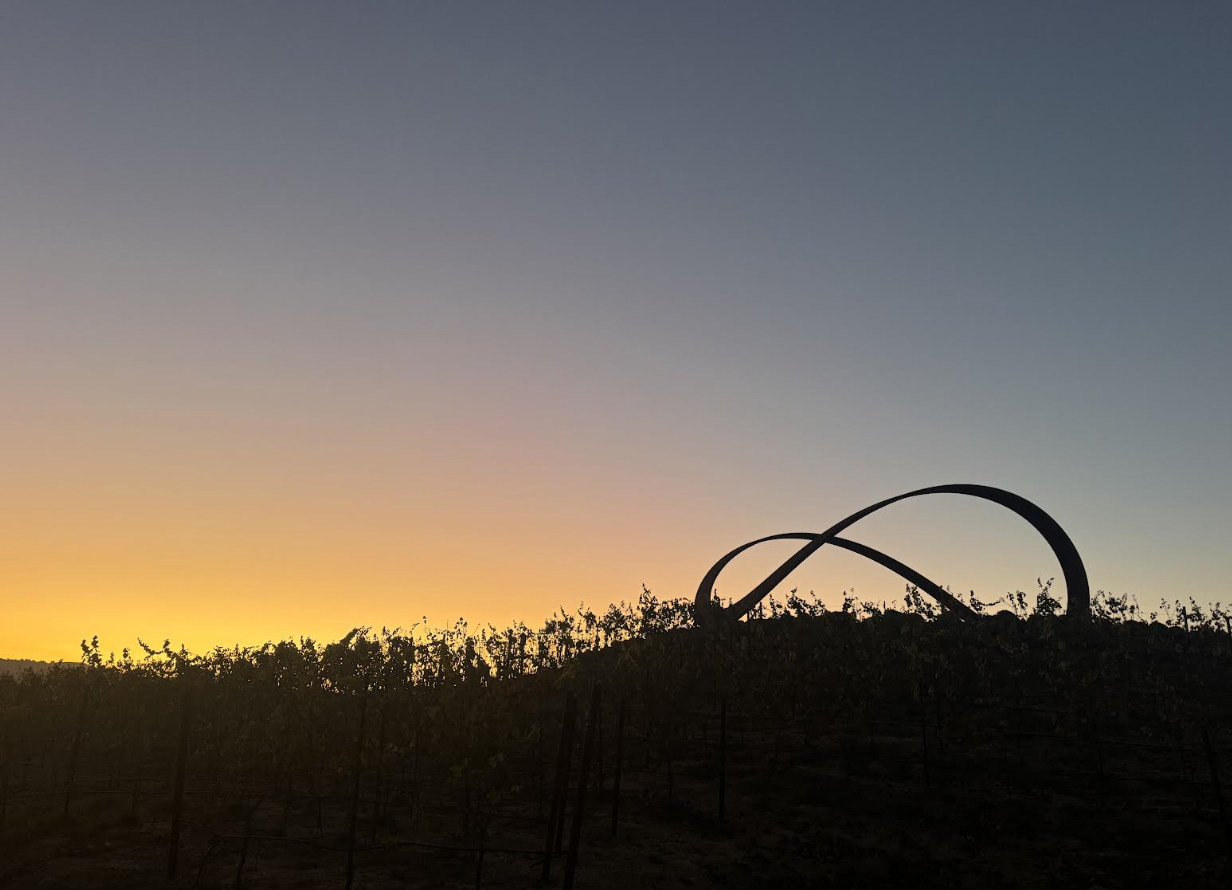
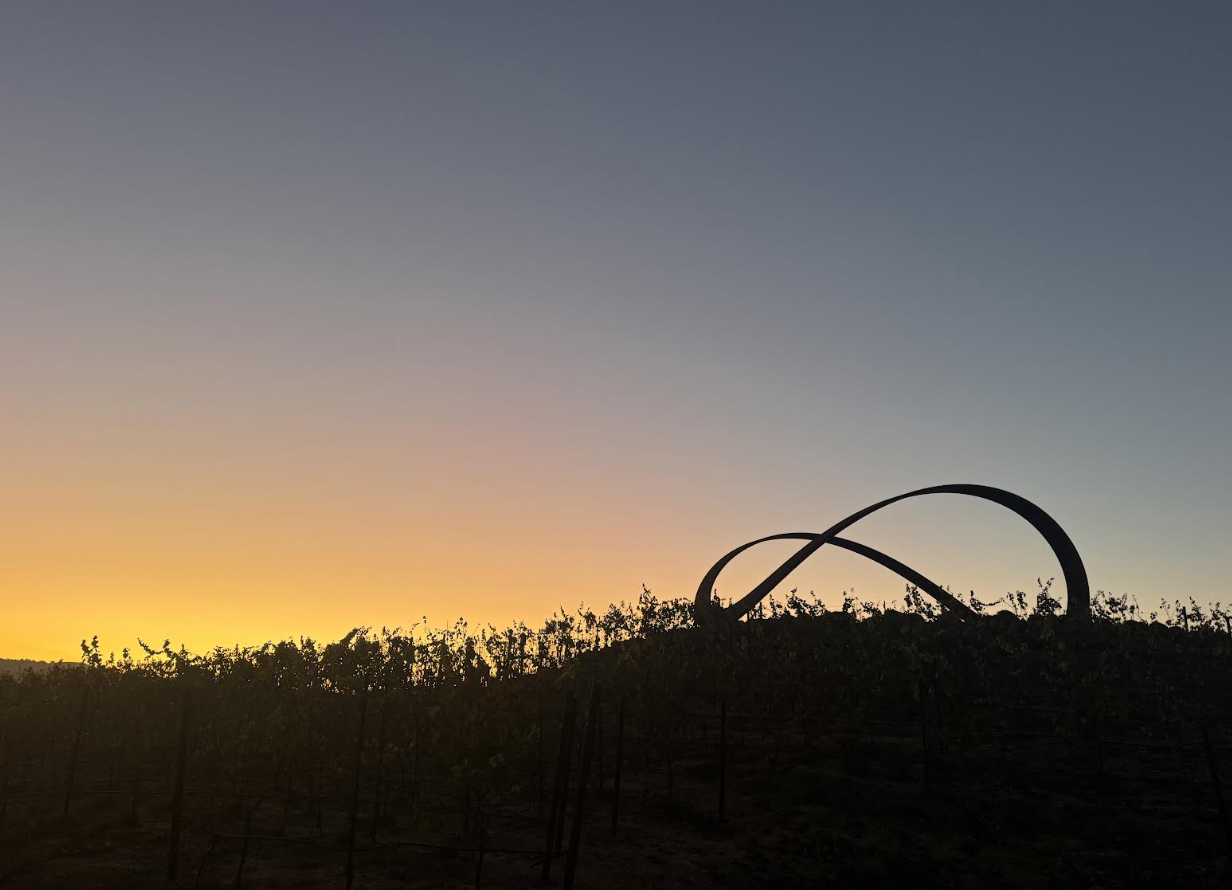
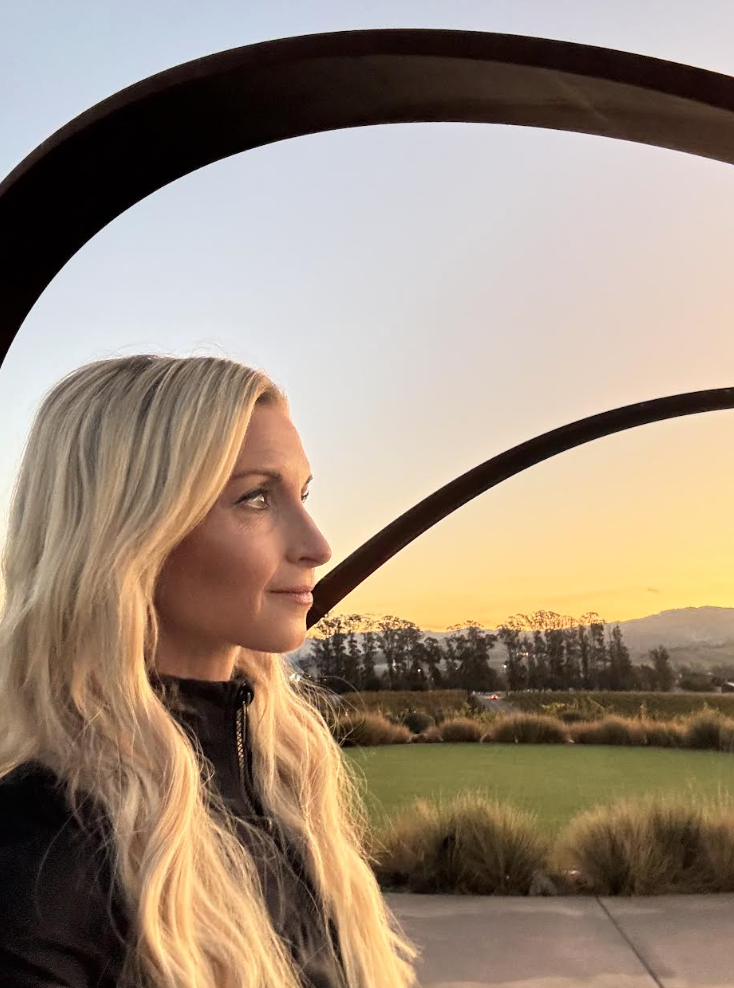
Stanly Ranch was founded in 1856 by Judge Edward Stanly and is part of Napa's winemaking lore. Today the resort sits on 712 acres of vineyards and ranch land on the southern edge of Napa Valley, right at the crossroads of Napa and Sonoma, framed by 2.5 miles of Napa River frontage and sweeping views of the Mayacamas Mountains. Crowning the hilltop is Gordon Huether's "Infinity" sculpture, which you'll spot from almost everywhere on the property. Like its name, the sculpture changes shape before your eyes from every angle, and invites you to really slow down and take in what infinity means. Grazing deer, rolling vines, hawks coasting overhead creates a scenery that doesn’t feel like a hotel. It feels like you've been invited to a rarified visit on someone's beautiful ranch.
The magic starts before you ever arrive.
This is the part that made the experience designer in me light up. Stanly thinks through the entire guest journey. Well before my stay, the team reached out to confirm every detail and preference so I'd be completely comfortable. The morning of my stay, I received a personal email from my contact with her own insider tips for experiencing the ranch. It opened with a virtual greeting and a wish that she could be there to welcome me in person. That is next-level hospitality, and exactly the kind of care I want my attendees to feel. (And lucky you, I'm sharing her tips in the P.S so read on to the end.)
The little touches that tell you where you are.
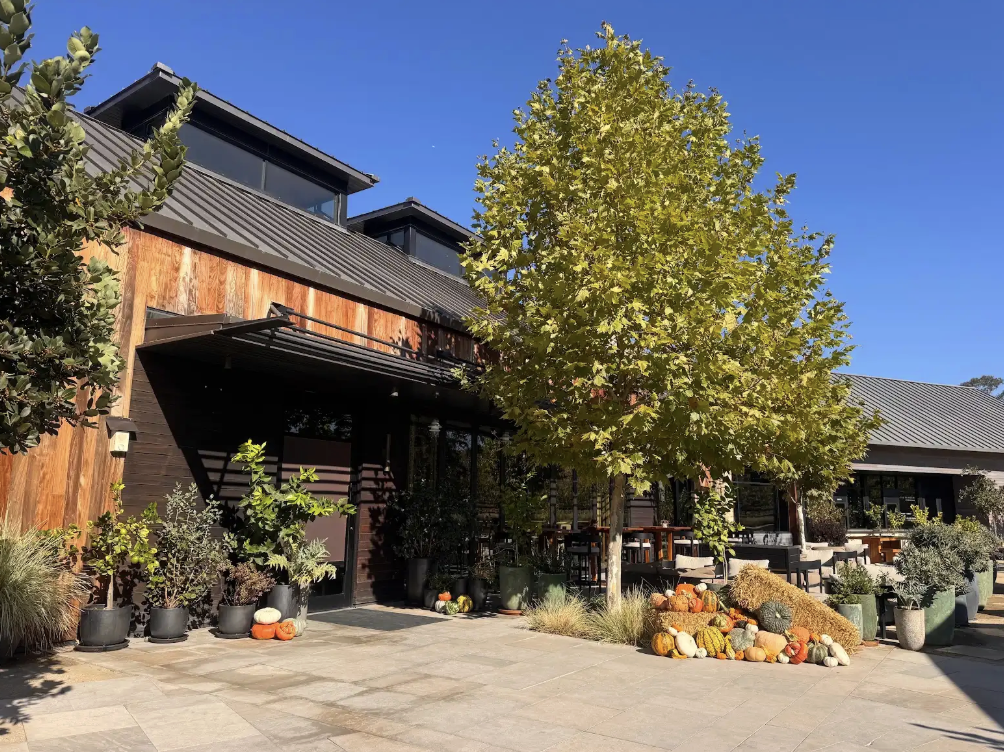
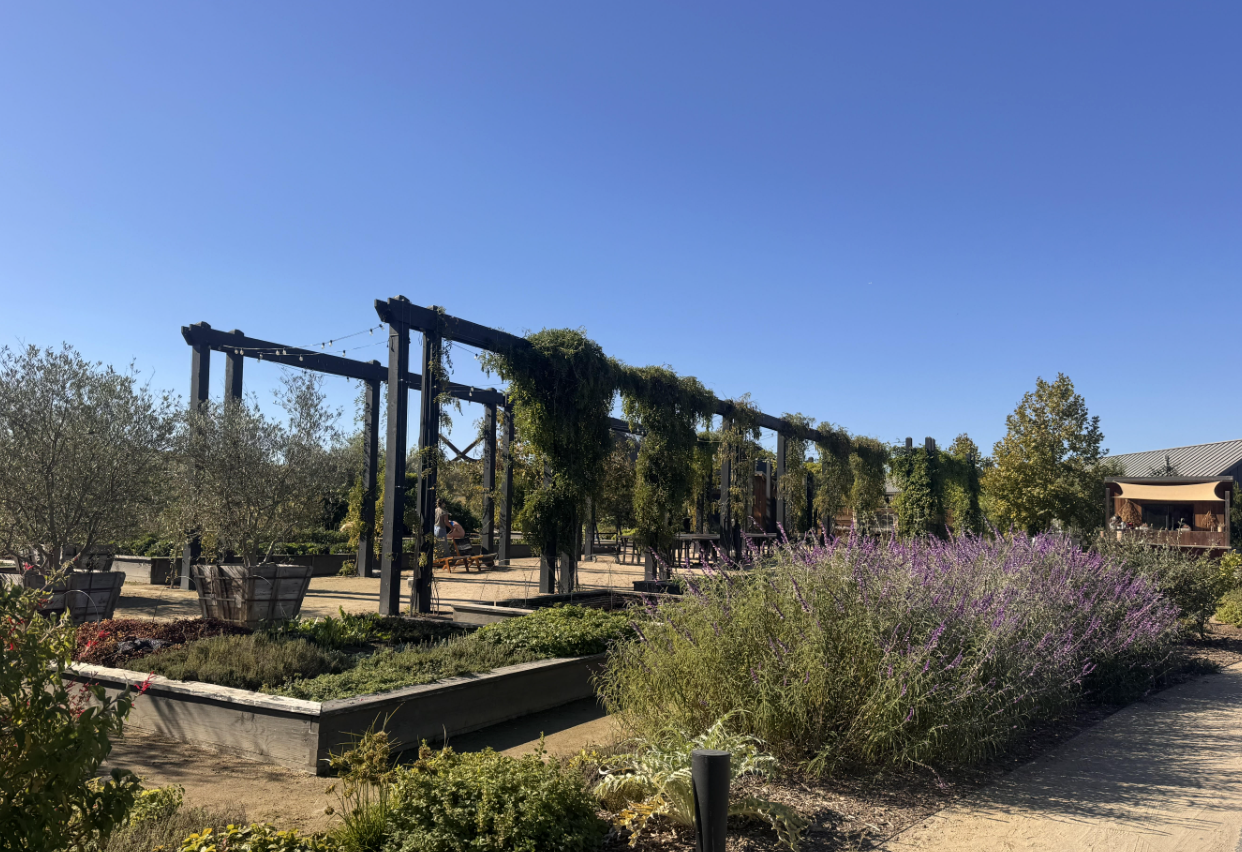
Stanly is all about sense of place. A sprig of rosemary waiting by the bed so fresh, you could see the spittle from the local bugs still on it (in a glorious way, not a gross way). My favorite, LMNT electrolytes in the mini bar (my husband always forgets these!). A handwritten welcome note and hand picked crudite from the property’s garden. Cinderella pumpkins as large as I was made this a virtual fairy tale. Chickens to be fed, and vegetables picked right on the ranch that end up on your plate. I'm obsessed with the farm to table experience, but pair that with unparalleled luxury and amenities - next level decadence.
The rooms: spacious, serene, and seriously luxurious.
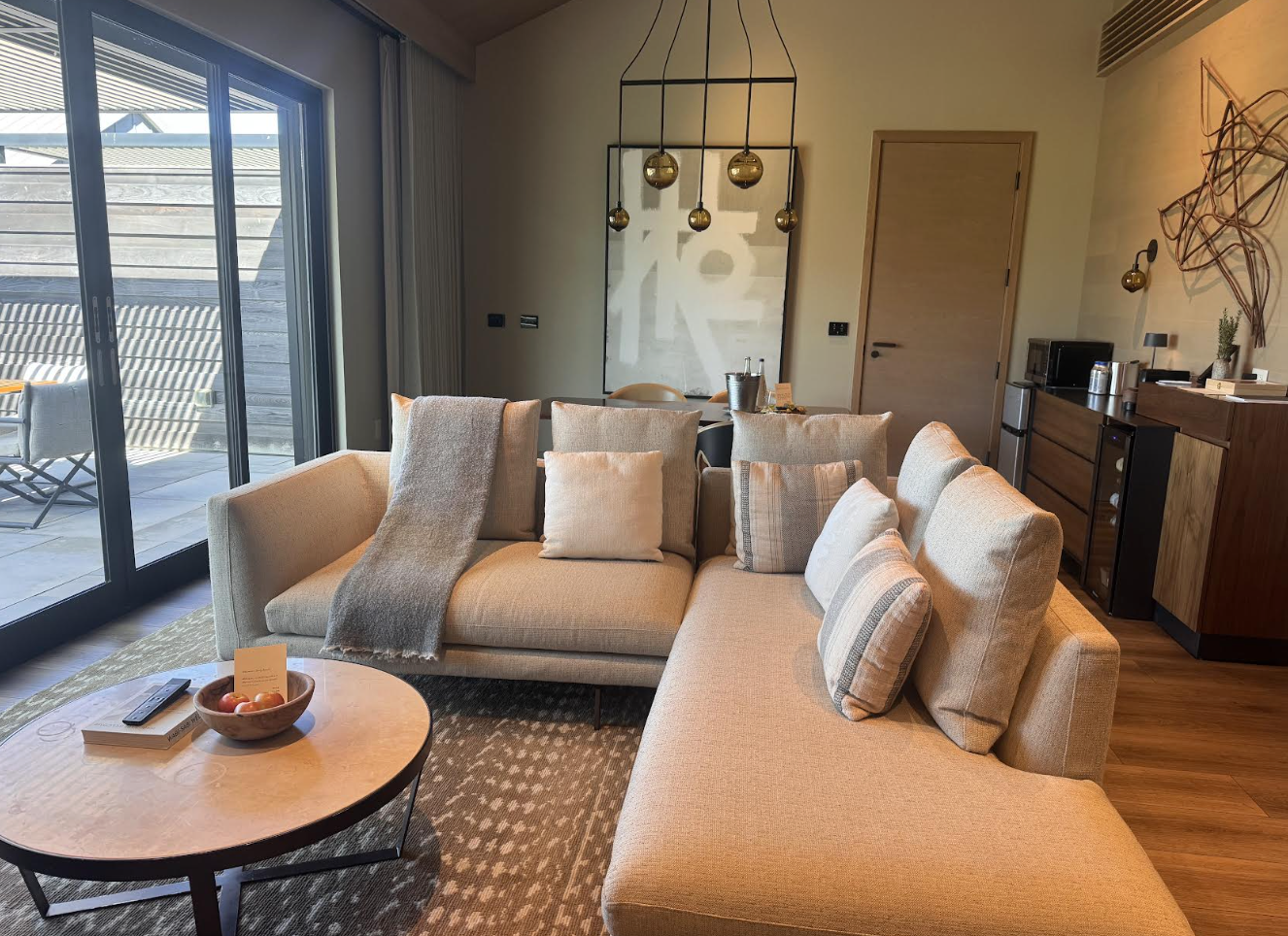
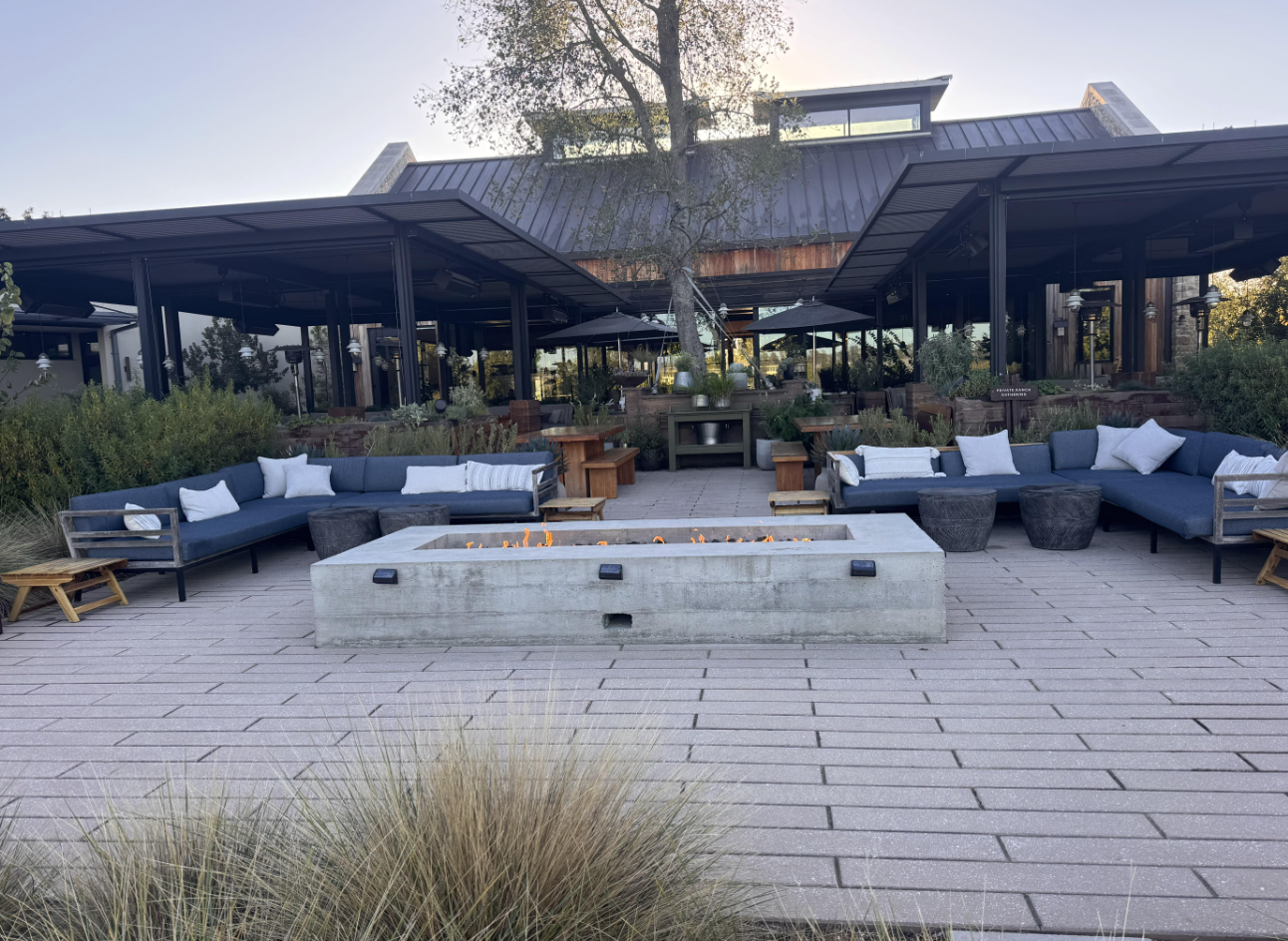
The cottage-style guestrooms blend modern farmhouse with progressive design, with grand doors that open onto generous private terraces with fire pits and lounge seating. Every time I’d look outside, I spotted something delightful like a quail trotting by. Most cottages include an outdoor shower, plus a yoga mat, meditation cushion, and Theragun, so your room feels like a private extension of the spa. Traveling with a crew? The one- to three-bedroom suites are built for gathering, the two-bedroom Villas come with gourmet kitchens and pantry stocking, and the Vineyard Homes go up to six bedrooms with their own plunge pools.
The wellness: a true destination of its own.
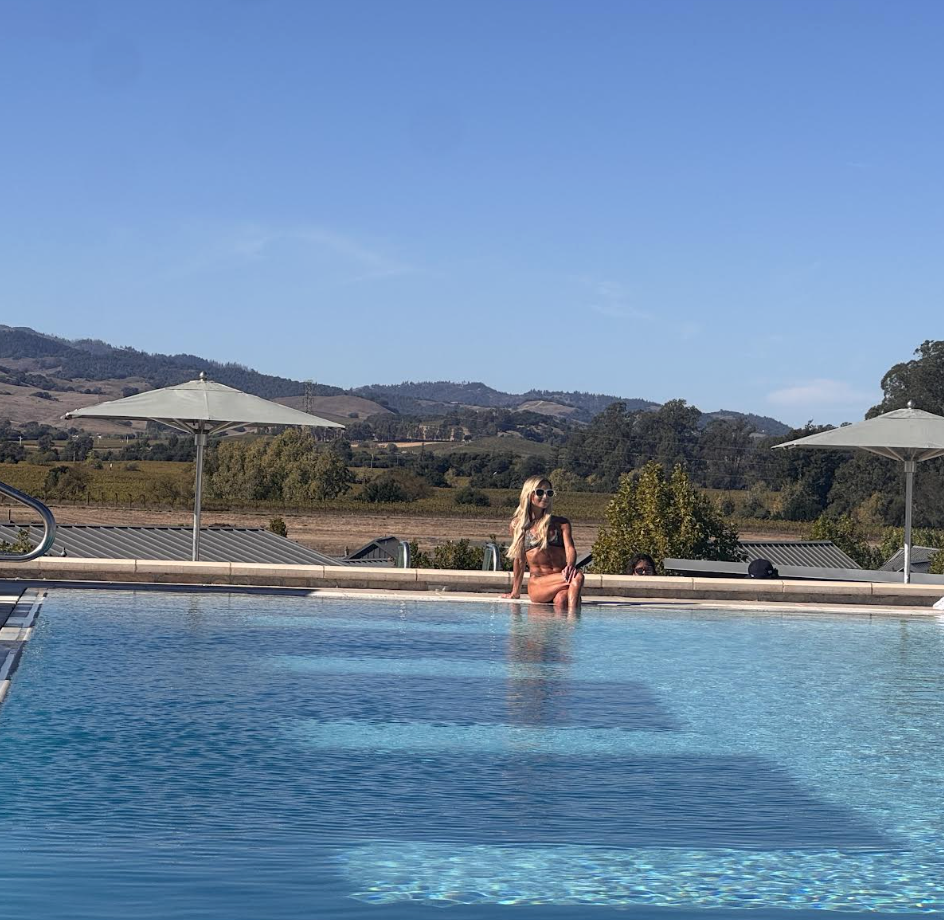
Up on the hill, Halehouse spa is flanked by a spa pool with what may be the most mesmerizing view on the property (go at sunset, trust me). Next door, the Springhouse recovery circuit is pure bliss for anyone who loves a good reset: a cedar sauna, THE largest sauna in Northern America, with wave-shaped stadium seating overlooking a mini vineyard that was so spectacular it moved me to tears as I meditated, a cold plunge, steam room, tepidarium, salt room, and yes, a hyperbaric oxygen chamber. And fitness is not overlooked - Fieldhouse offers daily yoga, Pilates, barre, and HIIT classes that are complimentary for hotel guests, plus personal training and private yoga. I took a yoga mat from the studio and practiced yoga out on the terrace overlooking the property and it was a peak moment.
The food: farm to table, for real.
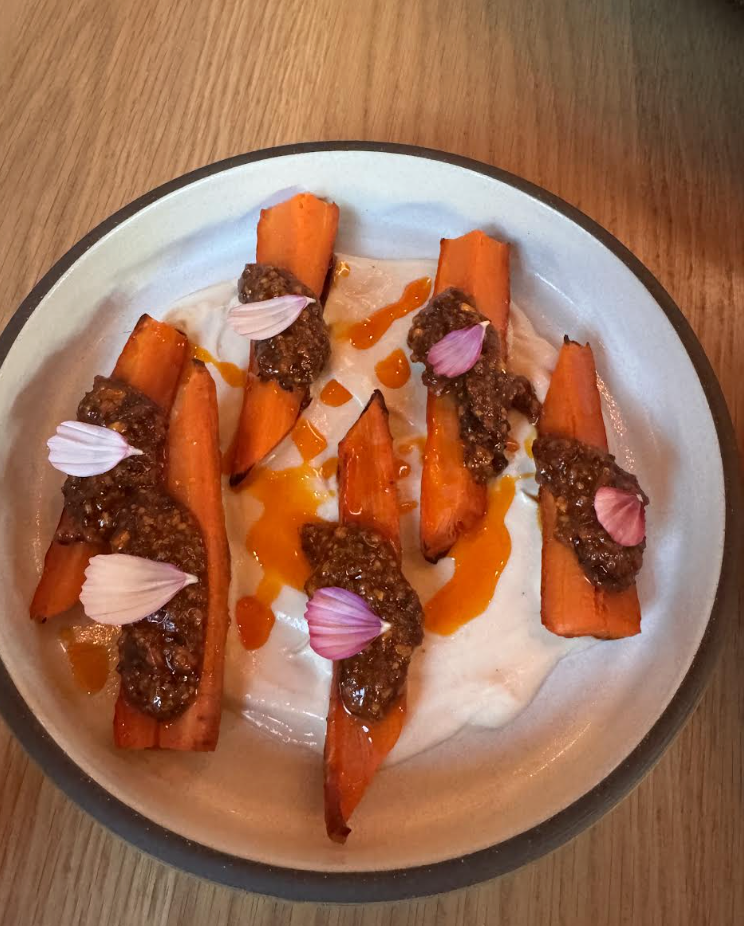
Because Stanly is a working ranch, the menus here are deeply seasonal and connected to the land. Bear is the heart of it all and will leave you craving dishes like the fire-roasted carrots for days (pro tip, do not pass these up!). Led by Executive Chef Anthony Stagnaro, it's breakfast on the terrace, a buzzy lunch, and convivial dinners built around grilling, fermenting, and Napa ingredients at their peak.
Start your morning at Gavel with Sightglass coffee, fresh-baked pastries, and picnic provisions for the vineyard. Spend the afternoon at Basin Bar, a Provence-style, guests-only spot between the Lavender pool and the kids' pool, with wood-fired pizzas and refreshing wines. And on weekends, The Window in the Village serves up sweet treats and icecream scooped to go.
Ranch life, curated.
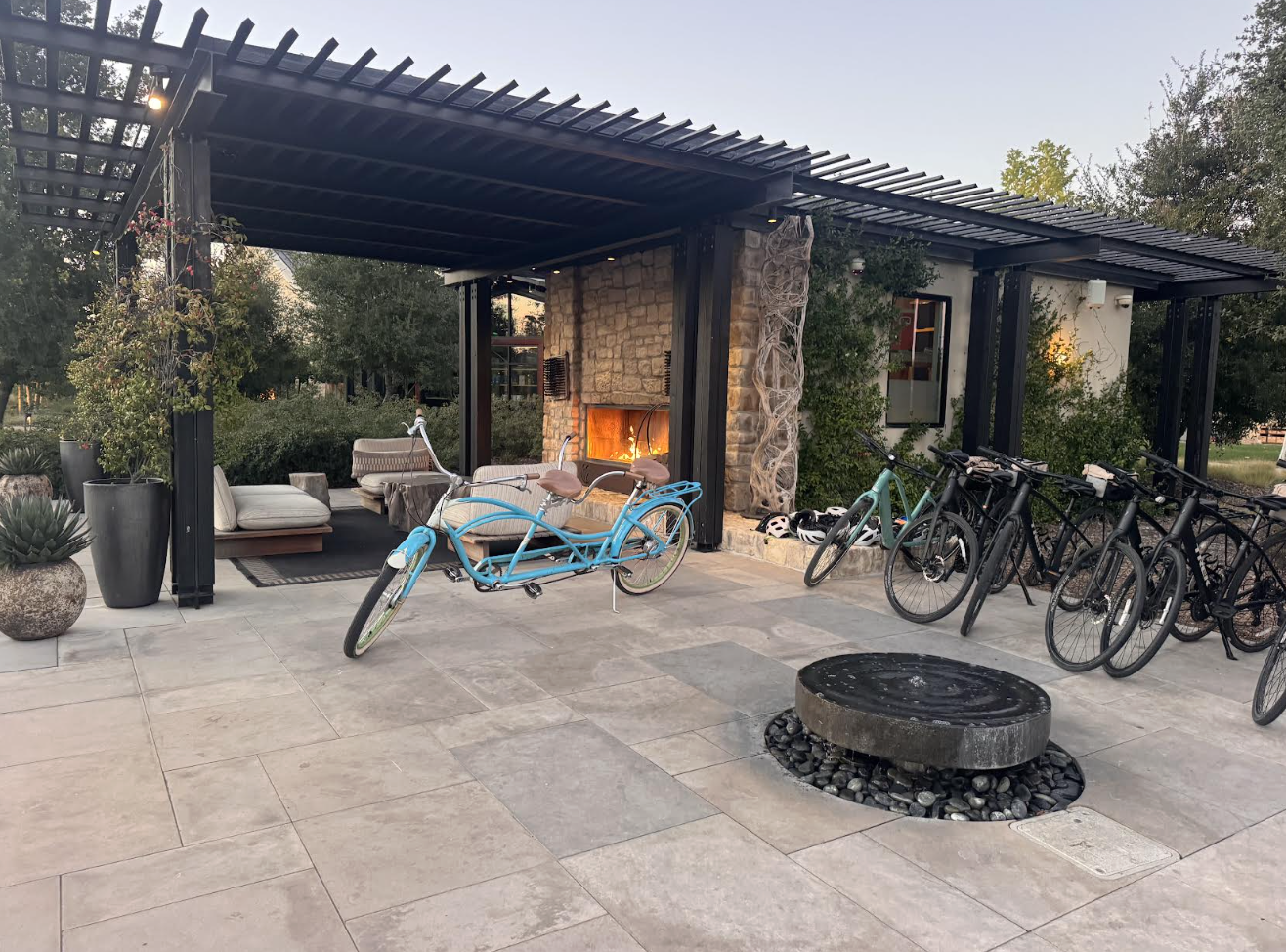
What I love about this property is the range. Days here can be as active or as lazy as you like. Hawk walks and falconry, lavender harvesting, botanical cocktail classes at The Grange (hey even have mocktail tasting for kids!), cycling the vineyard roads (they’re even thought to have kid-sized bikes so the whole family can partake - that’s really thinking through the needs of guests). The bikes in all sizes and Mercedes-Benz house cars are included with your stay, which makes it easy to explore wine country without ever thinking about logistics.
Three mountain-view pools round it all out, and the ranch is dog friendly, too so you can bring the whole family. This is where my "next time" plans kicked in. Kids get their own version of ranch life: little sommelier moments, feeding the chickens, touring the farm, bikes to explore, hawk walks, and learning to grow vegetables on the farm. Parents can slip off to wine country while the littles spend the day at Little Ranchers Camp with gardening, art, and movement. There's a dedicated kids' pool, cribs and Pack 'n Plays on request, and the Acre Family Two Room cottage is made for a family of four, with a fire pit on each terrace for s'mores.
For my event planners - here comes the best part:
I cannot wait to bring events here. Stanly Ranch has 135 cottages and suites, more than 17,000 square feet of indoor-outdoor event space, and venues for groups from 8 to 450. It's ideal for a full buyout, so your group gets the whole ranch to themselves. A few spaces I'm obsessed with:
Glasshouse Barn: the showstopper. Panoramic windows over the vineyards, up to 450 guests, 4,532 sq ft, and divisible.
Glasshouse Terrace: welcome receptions overlooking the Lavender pool, with Mayacamas sunsets. Up to 300 guests.
Garden House and the adjoining Cutting Garden: French-inspired flower gardens, a big fireplace, and a manicured lawn. Up to 175 indoors and 300 outdoors.
Lavender Lawn: surrounded by hillsides of lavender and fragrant day and night. Perfect for picnics or evening cocktails for up to 300.
The Grange: dinners, mixology, and cooking classes for up to 40, right in the chef's garden.
Private Dining Room at Bear for up to 20, and The Porch, an eight-person boardroom with its own covered porch.
Layer in team experiences like falconry, plein-air watercolor, lavender harvesting, and garden-to-glass cocktail workshops, plus a team that reaches out to every guest before they arrive, and you have an attendee experience that sells itself. Getting there is easy, too: it's about 50 minutes from the Bay Area and 10 minutes from Napa County Airport, with Oakland, Sacramento, and SFO all within about an hour and a half.
More about Stanly’s meetings and incentives here.
The score: 10/10 easily.
From the natural beauty to the world class wellness, the incredible food and grounds, the luxurious, spacious rooms, and service that's truly unparalleled, there was honestly nothing to complain about. It's Auberge at its best - creating a memorable sense of place you can’t help but rave about.
Want to experience it for yourself or plan an extraordinary event at Stanly? Reach out and I’m happy to make a personal intro to the team or brainstorm with you on how to make an unforgettable experience for you.
P.S. Here are the Pro Tips I'm sharing with you as a bonus
Straight from my contact at Stanly, exactly as she sent them to me the morning of my stay:
"Here are my favorite things for you to try if possible:
Walk up to Infinity Hill under the sculpture, either early morning or at sunrise. It's beautiful and serene and one of the reasons that I love to work here!! Try to look for rocks with words. We often have groups and team members leave their intentions on rocks to start their journey. If you see a tiny white house in the distance, that was the house of Stanly Ranch's original owner, Judge Edward Stanly.
Visit The Grange (near the entrance) and speak with a farmer. Ask farmer Nick and Syd for an impromptu tour and sample some fun delights. One of my favorites is the chocolate mint (if still in season).
Visit Halehouse (especially beautiful at sunset) or arrange a time at Springhouse (cedar sauna).
Bear: Try the sourdough ice cream. I don't even eat ice cream and I LOVE this unique version.
Finally, enjoy the incredible wildlife: hummingbirds, hawks. It's so beautiful and special to be so immersed in nature."
Gianna’s Gem - Beyond Caviar: Why Attendee Journey Makes or Breaks Exec Events
Hi there,
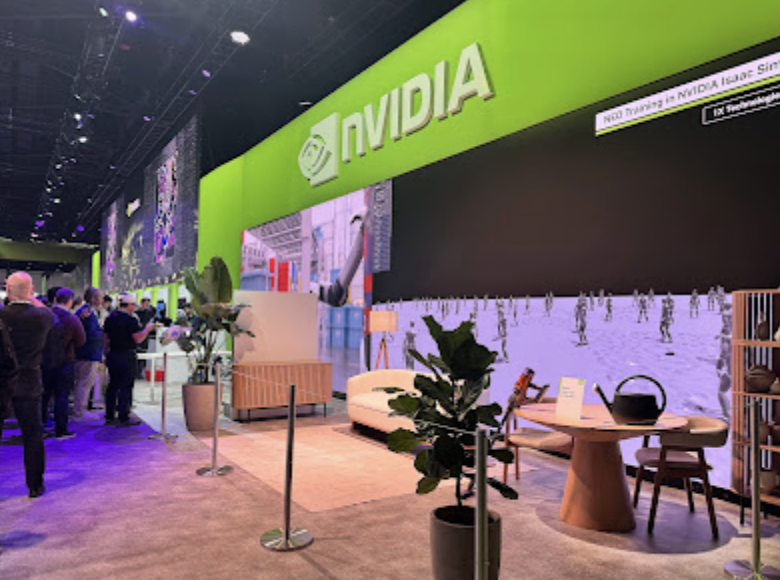
Last week I attended Nvidia GTC Conference in the heart of Silicon Valley on behalf of a company I support as a fractional head of events, Codeium (check out their windsurf coding product and our upcoming events here - you’re not going want to miss our Windsurf lounge at Google Cloud Next in April!)
I’ve reviewed close to 100 third party AI and tech events this year and evaluated so many third party sponsorships that I felt it was only fair to break open the treasure chest of knowledge about sponsoring major tech events like Nvidia GTC, Google Cloud Next, and AWS re:invent. If you've ever walked through one of these conference halls wondering how some companies seem to nail their presence while others fade into the expensive background—this one's for you.
The Budget Reality Check
Let's talk money: Here's what you can expect to shell out for these premium tech conferences:
Tier 1 Events (AWS re:invent, Dreamforce, Google Cloud Next)
Bronze/Base Level: $30,000-$50,000
Silver/Mid-Tier: $75,000-$125,000
Gold/Premium: $150,000-$250,000
Platinum/Diamond: $300,000-$500,000+
Tier 2 Events (Nvidia GTC, Microsoft Build, Apple WWDC)
Bronze/Base Level: $15,000-$35,000
Silver/Mid-Tier: $50,000-$85,000
Gold/Premium: $100,000-$175,000
Gianna’s Gem: These prices typically include just the booth space and basic package. Once you add custom booth builds, MPO’s (marketing promotional opportunities), staff travel, promotional items, lead capture tools, and after-hours events, you're looking at a 30-50% increase on those base numbers. It’s like Southwest airlines…the ticket cost is only the beginning so be prepared to spend a lot more to make it worth your while.
Worth the Gold vs. Fool's Gold: Promotional Opportunities
Not all sponsor perks are created equal. Here's my battle-tested breakdown:
Worth Every Penny ✅
Speaking slots: Especially if they're on the main stage or in targeted tracks relevant to your audience. These typically come with higher-tier sponsorships, but the thought leadership opportunity is invaluable. These can also be great opportunities for your Execs to “test” out their presentations before your own hosted conferences where you can then record the sessions once they’re perfected!
Pre-show attendee list access: Being able to pre-book meetings before the conference chaos begins is game-changing for your sales team. Note: you need to ask for these up front as often show organizers will only provide you with a list of companies and titles rather than actual names of attendees.
Private meeting rooms: Having a quiet, branded space to take hot prospects is far more effective than shouting over booth noise or trying to find ad hoc space in a crowded event environment. Warning: Nvidia GTC had a 45 minute elevator line for the elevators leading up to meeting suites (not ok), but the lesson learned was to make sure when you book your meeting room it’s in a location that can be accessed easily and ideally by stairs as well as elevators (i.e. on floor 2 rather than 12).
Sponsored hands-on workshops: Attendees love practical learning, and this gives you extended time with potential customers.
Meaningful Lounges: Having planned Google Cloud Next for 3 years, I know first hand that we only planned for seating for about 25% of attendees, making all of the lounges a hot commodity for attendees. Sponsoring a lounge is a great idea, but only if you use it strategically, such as having plenty of staff on hand to host ad-hoc demos, have an interactive experience, and other brand building video and photo ops. Psychologically, people feel a need to “repay a favor” so by offering people a comfortable spot to sit down, they’re much more likely to engage with your team while there.
Larger booths if used strategically: I loved how Google Cloud had a two-story booth at Nvidia and used the second story for Executive Meetings. It was a great way to meet Execs who might not have wanted to travel to a meeting suite or to take adhoc meetings with key accounts in a sleek space above it all.
Save Your Money ❌
Logo-only digital ads: Unless you're a well-known brand, these rarely drive meaningful traffic.
Bag inserts/general swag distribution: Most end up in hotel trash cans. (Sorry, but we all know it's true.)
General session sponsorships (without speaking time): Paying just to have your logo shown for 30 seconds rarely justifies the cost.
Generic banner ads throughout the venue: These suffer from serious banner blindness.
After-hours party co-sponsorships with 10+ other companies: You'll get lost in the crowd, and attendees will remember the free drinks, not your brand.
Logo-only anything without activating properly - I often marvel at sponsors who pay for branded bars, coffee stations, etc. but have no content or staff there to drive meaningful conversations.
Miniscule booths that are in a corner where you’ll be missed. Just pass if that’s all you can get and go with a speaking opp instead.
Pro-Tips for Contract Negotiations: Questions That Save Money and Headache
Before signing that sponsorship contract, be sure to ask the sponsorship team:
"What was the exact verified attendance from last year, broken down by job title and company size?" Don't accept vague numbers or registered vs. actual attendees.
"Can you provide a heat map of last year's exhibition floor?" This reveals which areas got the most traffic and which were virtual ghost towns.
"What's the attendee-to-exhibitor ratio?" Lower is better. Too many sponsors competing for the same audience dilutes impact.
"Which sponsorship elements from last year had the highest engagement metrics?" Make them prove the value with data, not just the standard package.
"What sponsor-exclusive networking opportunities exist with C-suite or decision-maker attendees?" This is where the real gold lies.
"How many concurrent sessions run during expo hours?" More sessions mean fewer people wandering the exhibition floor.
"What's your policy on adding new sponsorship elements or custom activations?" Flexibility here can be a game-changer for creative marketers and I ALWAYS try for custom ideas.
"What dedicated promotion will my specific company receive across email, social, and the event platform?" Get specifics in writing, with minimum impression guarantees when possible.
What press and analysts will be in attendance and will we have access to them?
Pro Tip: If the event sponsors can't or won't answer these questions with specifics, that's a major red flag. The best event partners come armed with data and transparency.
Onsite Success Strategies: Making Your Sponsorship Shine
You've signed the contract. You've spent the money. Now, how do you ensure it wasn't all for nothing?
Pre-Show Preparation
Book meetings in advance: Aim to fill 60% of your calendar before the event starts. Use LinkedIn, email campaigns, and your sales team's outreach.
Double confirm meetings AND incentivize attendance by asking if you can pre-order them a coffee or beverage to have waiting for them (trust me, those coffee lines are a nightmare at conferences and the small but thoughtful gesture makes a difference!)
Train your booth staff: Not on product features, but on qualification questions and engaging conversations that don't feel like sales pitches.
Develop a content strategy: Plan website, social posts, blog content, and email communications to deploy throughout the event to let people know you’re there.
Onsite Execution
Shift schedules strategically: Have your best people during peak hours and maintain consistent coverage during all expo hours.
Implement the "no phone" rule: Booth staff scrolling through their phones is the fastest way to repel visitors.
Create a visual distinction: Whether it's matching branded clothing, an unusual booth activity, or standout design—be memorable in a sea of sameness.
Capture leads systematically: Use a consistent qualifying system that integrates with your CRM for immediate follow-up.
Host a micro-event, raffle or competition: Schedule a 15-minute presentation at your booth every few hours to create crowds and energy.
Learnings Tracker: Start an onsite learnings document to track learnings while they’re happening so you don’t lose them later on after the show.
Post-Show Maximization
Follow up within 24 hours: Send personalized messages to every meaningful connection while your conversation is still fresh.
Share content recaps: Create blog posts, video summaries, or infographics highlighting key takeaways from the event.
Hold a debrief session: Collect feedback from all team members who attended on what worked and what didn't.
Calculate ROI immediately: Don't wait weeks to determine if the sponsorship was worth it. I have a standing monthly debrief on all of our monthly events so we can capture learnings and pivot upcoming strategy if needed.
The most successful event sponsorships aren't about the flashiest booth or the biggest spend—they're about strategic alignment, careful planning, and flawless execution.
Remember: a mid-tier sponsorship with targeted add-ons often outperforms an unfocused premium package. Be intentional, be prepared, and most importantly, be ready to adapt when the exhibition hall doors open.
XX,
Gianna
P.S. Email me if you need help with how to turn those hard-earned event leads into actual pipeline opportunities.
What I’m Loving this week: For all my favorite vendors, partners and products, visit: https://www.giannagaudini.com/gianna-recommends
Women in AI: Since March is Women’s month, and I’m a huge champion of women leaders, especially in tech, I wanted to highlight the amazing group, Women in AI, who’s founder, Claire Xie, I recently had the pleasure of meeting. Not only is she a founder herself, but she’s grown this grassroots organization to over 5000 members in less than two years - beyond impressive! Women in AI Club is a non-profit organization in the Bay Area, whose mission is to foster a vibrant community dedicated to empowering, connecting, and elevating women in artificial intelligence. They host a number of events, including an upcoming Top Golf event next Friday, 3/28, for founders with 20+ team members. Claire’s extending an invite to my female founders in the tech/ai space and you can find more details here.
P. S. Need to chat? Book a 1:1 using my link for Expert advice on intro: intro.co/GiannaGaudini
Know Your Audience
By putting yourself in your attendee’s shoes, you’ll not only be able to anticipate their needs, you’ll be able to strategically plan their journey through your event so they see / do and feel the things you want them to.
Would you ever plan a seated dinner for a 2 year old birthday party? What about a tea party for IT executives?
Sure, these are extreme examples that planners like you obviously would never consider, but I’m surprised at how often we forget to pause and get into the minds and hearts of the people who we’re planning for.
This makes the difference between connecting with your audience and missing the mark, wasting your precious planning time and budget.
What is a Target Audience?
A target audience is the demographic of people most likely to be interested in a your product, service, content, or event. If you work for a wedding planner and are hosting a promotional event to make your company’s flair known to the surrounding area, your target audience will likely be as simple as men and women in their late twenties and early thirties.
Below are some questions if you’re struggling to determine your target audience, or helping a client identify them:
What age is your target demographic?
What region are they from?
What are they passionate about?
There are many more questions, but these three apply to any demographic.
Plan their journey
When thinking through how you’re going to allocate space planning for your event, many of us immediately think tactics rather than strategy. We slot programming in where it fits our diagrams best, without pausing to consider the flow of how an attendee will move through the day.
When you begin by thinking through the attendee journey, you may do a bit more legwork upfront, but ultimately it will pay off because they will be drawn to the things you want them to see and do rather than passively navigating through the space and potentially missing specific areas you’ve planned.
Plan meals strategically so attendees have to walk through a demo or sponsor area you want them to see in order to get food
Consider lines - what spaces will end up having the most traffic - if there will be people waiting in line, what can you offer to capture their attention or offer them some delight while they’re captive?
Consider the arrival - how are attendees arriving at your event? Think through navigation issues that could occur if, say, there’ snot a clear ride-share drop off location, or if guests tend to get dropped off at the wrong entrance to your event.
Attendees show up when they want to show up:
One thing that always fascinates me is how different types of attendees tend to have specific qualities including how early or late they arrive at an event.
Our developer audiences tend to arrive hours before a keynote and will line up outside the venue waiting to get a prime seat. However, our corporate audiences tend to show up just 5 minutes before keynote starts. And I’ll never forget, when I used to plan EDU events, our teachers would arrive even before the published time on the agenda!
For the early birds who will line up outside your conference in droves, consider thinking ahead and investing in coffee and donut carts! Not only will you please these devoted fans of your brand, but it’s probably cheaper than serving the venue’s food and this will help your buffets from getting hit hard all at once when doors open.
When you know attendees tend to show up late, plan buffer time into your agenda, so you can let keynote start late and run a bit long without throwing off the rest of your day’s schedule. Also message that reserved seats will be released 15 minutes prior to the event to make sure people get there in time for you to fill your room or backfill any reserved sections.
If you know you’ll have guests who arrive before doors open, tell your caterer they need to be set a full hour early and/or have a clear location at your venue or off property to usher these early guests to wait until the appropriate time.
The Power Of Knowing Your Audience
By putting yourself in your attendee’s shoes, you’ll not only be able to anticipate their needs, you’ll be able to strategically plan their journey through your event so they see / do and feel the things you want them to.
It’s a win/win!

Planning a theme
Themes aren’t always needed for events. But if your event does warrant a theme, it’s important that it resonates with the kind folks you’re catering to.
Themes aren’t always needed for events. But if your event does warrant a theme, it’s important that it resonates with the kind folks you’re catering to.
Some events don’t require a theme, but have an inherent one.
For example, I’ve planned cybersecurity summits and political events that in and of themselves are the theme. Try to be clever about a theme without over-doing it. Here area few examples:
When you think cybersecurity, the last thing you want to do is instill fear in attendees.
They’re already terrified about hackers, so steer clear from icons like locks, bars, and other things that will make attendees want to close down
Instead, consider the opposite: what things instill comfort and security?
I selected a clear, open venue with lots of light rather than a dark conference center so attendees would feel different at my conference than standard dark security summits.
I’ve planned political debates, conventions and galas.
One thing that brings people together more than overt political themes, red/white/blue stripes and stars, is the people and place themselves.
If I had a debate in Philadelphia, Pennsylvania, I focused on the local flavors, bringing in elements of the city to my event and featuring local specialties and vendors.
When you have to come up with a theme
Other times, a theme isn’t as obvious and you as a planner are tasked with developing a theme. How do you create one that won’t feel cheesy or outdated? Here are a few ideas.
Consider seasons
They aren’t offensive, and you can use local, seasonal ingredients, florals and materials that will inspire memories in people.
Everyone can relate to a season, so if you’re hosting an event in the spring, play up the theme of rebirth and greenery. In the winter, focus on things that make people feel cozy and grateful since it’s a season of giving.
Go Retro
Similar to seasons, people love nostalgia. I find retro themes are often popular ways to get people to naturally reminisce and bond with each other.
Plus, it’s really fun to plan everything from the fonts on your signage to the food and beverages you’re serving around a certain era, be it the Gatsby 20’s, Madmen 50’s or hippie 60s. And there’s nothing like an 80’s cover band to get your guests on the dance floor!
Look At Current Events
Another great theme for an event, especially if you need to theme the content, is around whatever’s in the zeitgeist. Take cybersecurity, or women’s initiatives, or sustainability.
Execution:
Here are a few additional tips to execute on the above themes
If focusing on an important theme that’s in the zeitgeist like sustainability, make sure you talk the talk.
Source local, sustainably farmed foods and use local brewers and wineries for your catering.
Use compostables and even consider partnering with an eco-friendly or LEEd certified venue.
Take inspiration from the seasons when hosting a dinner party.
For fall dinners, I love using leaves, buckeyes, and other found organics like persimmons, squash and gourds to decorate.
I also use organics as place settings - etching people’s names into pumpkins or persimmons.
You can also serve your first course in a hollowed out pumpkin shell to make a beautiful, festive presentation on your table.
I once hosted a retro pool party-themed reception that was hugely popular.
We hired synchronized swimmers, planted pink flamingos around the pool, and left 60’s style sunglasses on the high boy tables for guests to wear.
No matter what you do, make sure your theme is on-point.
You’d never want a theme that could offend any of your attendees or one that promotes stereotypes. Have any great theme ideas you’ve used recently? I’d love to hear!
The Effect Of Food On Your Events
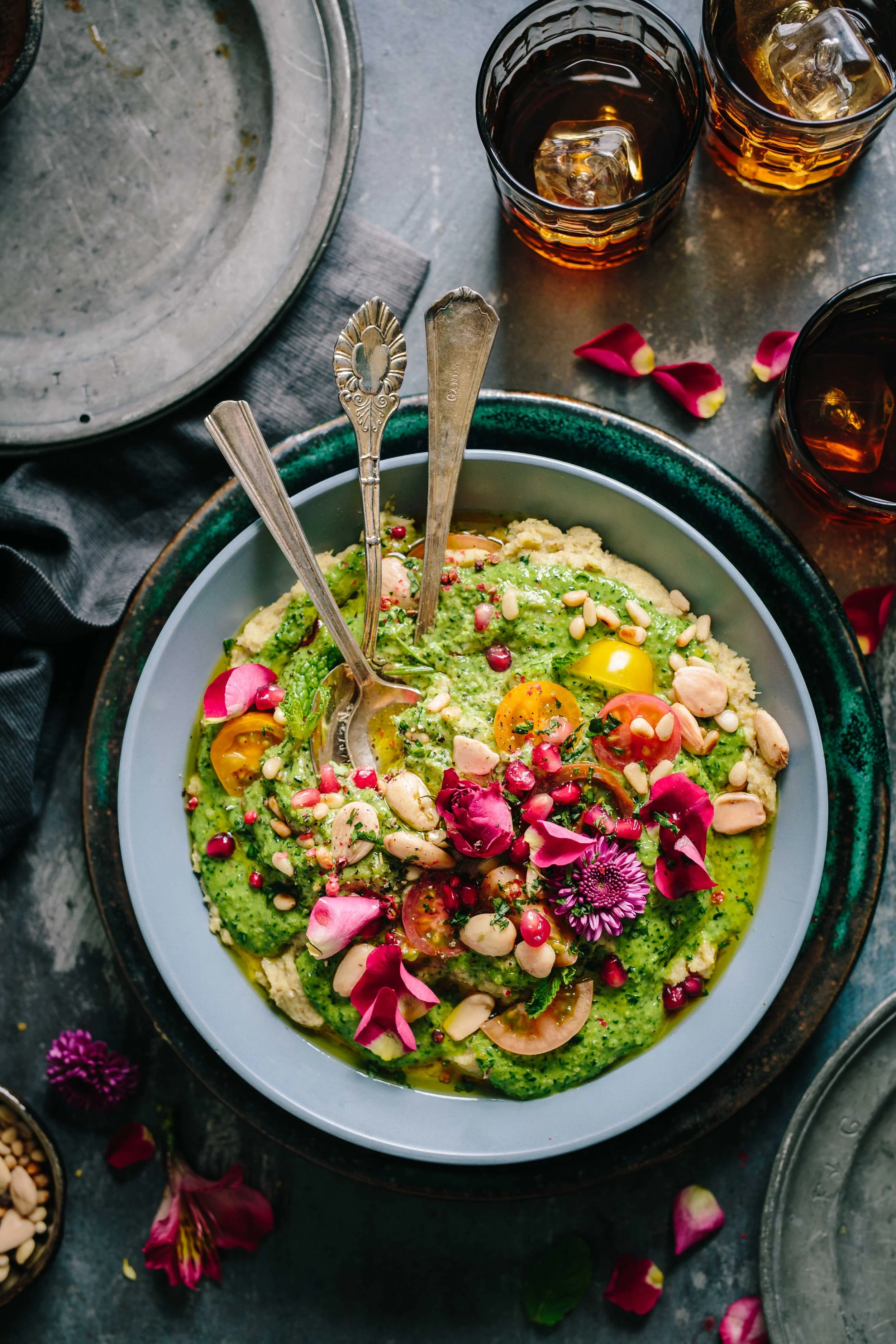
People can’t focus on anything else if their basis needs aren’t being met, which means the food at your event has a direct effect on people’s experience.
Food is part of mazlov’s basic needs. What does a the hierarchy of people’s needs have to do with your event? Everything!
People can’t focus on any of the other important details or content you’ve planned if their basis needs aren’t being met, which means the food at your event has a direct effect on people’s experience and ultimately your ROI!
What is the secret to great food for events?
When planning events, think carefully about what you want people feel. Is this event during a major meal time? Will people be walking around? Is there content while people are eating, or is the meal the main event?
Before you can start thinking about the actual food you will serve you need to think about the experience you want people to have.
Here are 3 questions I always ask before planning the food for an event:
Who are the people that will be at the event and what do they value in food?
What is the dining experience I want people to have?
What fun or surprising details can I add to the food to support theme of the event or inspire an emotion?
Real Life Examples
As a professional event planner for Google the types of events I plan can vary from a 30,000 person conference to an intimate dinner for high level executives.
Each event has to be tailored to the audience. Here are some examples of how I’ve used food to create a memorable event.
Press Event
Who are the people that will be at the event and do they value in food?
Journalists who possibly had a long commute early in the morning. They may have not had time for a healthy breakfast. I want them to have super healthy, high fiber energy food so they can get through the long day.
What is the experience I want people to have?
I want people to feel taken care of, and I want them to feel the way we cater to their basic needs is an extension of how our brand meets the needs of our customers.
It will be a busy day with journalists trying to eat between submitting their stories and interviewing people, so food and snacks should be available at all times, easy to eat while typing or talking, and high quality.
What fun or surprising details can I add to the food to support theme of the event?
A barista bar with steel cut oats and portable containers so guests can eat while they file their stories.
Bullet-proof coffee made to order offers up a high octane, sustainable and trendy beverage.
If the event is in a particular region (i.e. for a political debate), can you infuse the snacks with local specialties to give the press a sense of place and celebrate the local culture?
High End Dinner
Who are the people that will be at the event and do they value in food?
CEOs and high level executives value healthy ingredients but want a high end experience that they can’t get every day.
They care more about well-known chefs, and the presentation and service of the food in addition to the food itself.
What is the experience I want people to have?
An event that builds community and deepens relationships might warrant family-style service
A formal dinner before an awards ceremony might be best served plated on a very fixed time schedule.
Maybe part of the dinner is served seated and dessert is moved to another location (i.e. out on a terrace) where guests can network with other people since networking is an important aspect of these events.
What fun or surprising details can I add to the food to support theme of the event?
A special wine pairing in the theme of the event (i.e. for a movie premiere based in Australia I offered Australian wine tasting paired with regional cuisine).
Perhaps invite different celebrity chefs to prepare a different course of a 5 course meal. This worked well when I attended an event hosted by Nespresso for their top clients. each celebrity chef had to work a Nespresso flavor into a dish (Thomas Keller incorporated it into a lobster dish - who would guess to do that?!
Use high end ingredients and beautiful presentation to make sure the event is the luxury experience this audience is used to.
Personalization - the details that matter
How do you personalize the experience of your event? Get into the mind of your guests and what they want. Once you identify the experience you want to create you can use food and wine to create a memorable event!
When you think about an event, what are the details you usually remember? For most people it is the food and wine, or the relevant details because that is what makes people feel seen and taken care of .
So how do you personalize the experience of your event? Get into the mind of your guests and what they want. Once you identify the experience you want to create you can use food and wine to create a memorable event!
Never accept a Menu at Face Value
When you start your food planning for an event, never take a catering company or venue’s menu at face value. It’s easy to think you’re are stuck with what they’re offering but instead go to your vendor with the ideas you have in mind and lead with your vision for what the menu should be. In my experience, they are usually very happy to work with you to execute an idea that will turn your event from cookie cutter to a memorable, personalized event. I’ve had many a caterer end up adding things we ideated up together to their menu after our event because it was so innovative and successful!
Think Like Your Attendees
When planning an event, it’s easy to think about what you would want instead of getting into the minds of your demographic. My mom, an interior designer, taught me early on that she had to adjust her style and recommendations based on a particular client and I apply the same ethos to event planning.
If you associate comfort and pleasure with sweet baked goods and sugary beverages, you may be inclined to set up breaks for people that are sweet laden. Is that what your audience wants? For example is you’re hosting an event for tech execs from Facebook or Google, these executives care about local, sustainable foods and often have dietary restrictions. Instead of junk food, a a super foods bar is more likely to put them in their comfort zone and in the optimal mindset to take in the content and details you’re sharing with them at your event.
Ask questions!
Don’t know what your audience likes? Just ask. When I’m planning executive events I go to the assistants and ask what foods and wines each person likes and anything that absolutely dislike.
Offer Options
If you have audience segmentation, you may have groups who want different things; personalize the experience by providing options for everyone.
Examples Of Personalized Events
Google Capital Security Summit
Event Overview: As part of the event, we provided a high end c lunch for professionals and executives while presenting thought leadership cyber security.
Obstacle: Want a themed event but how do you do that with a dry topic like cyber security?
Personalized Experience: when thinking of cyber security, executives want to feel safe, so we created a beautiful lunch with greenery, outdoor, table settings and a healthy take on comfort foods like cauliflower mac and cheese.
A Real Life Example
Event Overview: At Google Cloud Next, we plan a cloud event industry for 30,000 attendees who attend keynote sessions where they hear from Google leadership about new products and roadmap, attend technical breakouts, trainings, and certifications, and have opportunities for demos, meetings, networking and social events.
Obstacle: we had 30,000 attendees who needed to eat lunch while trying to make it between breakout sessions, training, certification and meetings.
Personalized Experience: We provided over a dozen different lunch options for attendees in different styles, cuisines and locations. Yerba Buena Gardens had live music, with picnic blankets and comfy seating out in the lawn so attendees who wanted a break from the content could enjoy a festival-like atmosphere. We bought out the entire food court at the Metreon Theaters so attendees had access to eat at any of the restaurants ranging from Mexican to Thai to American Grill. We also provided pop-up hot dog and ice cream carts, food trucks, and grab and go lunch bags at all the hotel venues for folks in a rush on their way to a breakout session.
The First Impression Matters
When you’re planning an event, it is often times the little details that set the stage for what is coming next.
When you’re planning an event, it is often times the little details that set the stage for what is coming next.
Yes things like the food and venue impact the experience, but so do smaller details like the first impression upon arrival, the music, the service experience, and so much more!
Hallowed First Ground
Hallowed First Ground is something I learned in a class about influence through storytelling that is 100% applicable in the event planning world. It is the first impression you get of something or someone that really sticks with you no matter what comes after.
When planning an event that first moment is often what shapes the experience your attendees are going to have. And often times it starts before the person even steps food in the venue.
How was the invite? Did it clearly set the tone for the type of experience you want to create?
What happens when guests first get to the event? Do you have a way to greet your guests in a fun and welcoming way?
Did you think about signage? Staff?
What about music? Is it silent and awkward when people walk in?
The first touch points of an event tell people what to expect and can either cause them to shut off or re-engage with the experience. What is the best way to do that? Do something creative to welcome your guests to the event!
We pay so much attention it whats inside, it’s easy to miss things like is there a welcome experience and even simply a person or sign to greet guests so they aren’t lost. It doesn’t matter how amazing your keynote speaker is if none of the guests can find their way to the keynote room and thus miss the session!
Setting Expectations
When you arrive at a five star hotel you expect to be greeted with a glass of champagne. When you go to an airbnb (for instance), that same level of services isn’t expected but imagine it as an opportunity to surprise and delight each guest if there’s a bottle of champagne waiting on arrival?
A Real Life Example
I planned a day event for a corporate offsite - for this event it was important to set the stage for what to expect from the day. The first thing to decide was the venue and initial touch points for the entrance.
We took over the beautiful Cavallo Point resort in Sausalito, California, to create an elevated experience for CXO’s that was grounded in the natural surroundings.
Upon entrance there was a bright, playful lemonade bar with all the fixings to make people feel refreshed and delighted when they arrived at the registration desk.
Nearby was also a cart of Champagne with butler service to create a high level, luxury experience for those guests more accustomed to that elevated experience (personalize by creating preferences for various attendee types!).
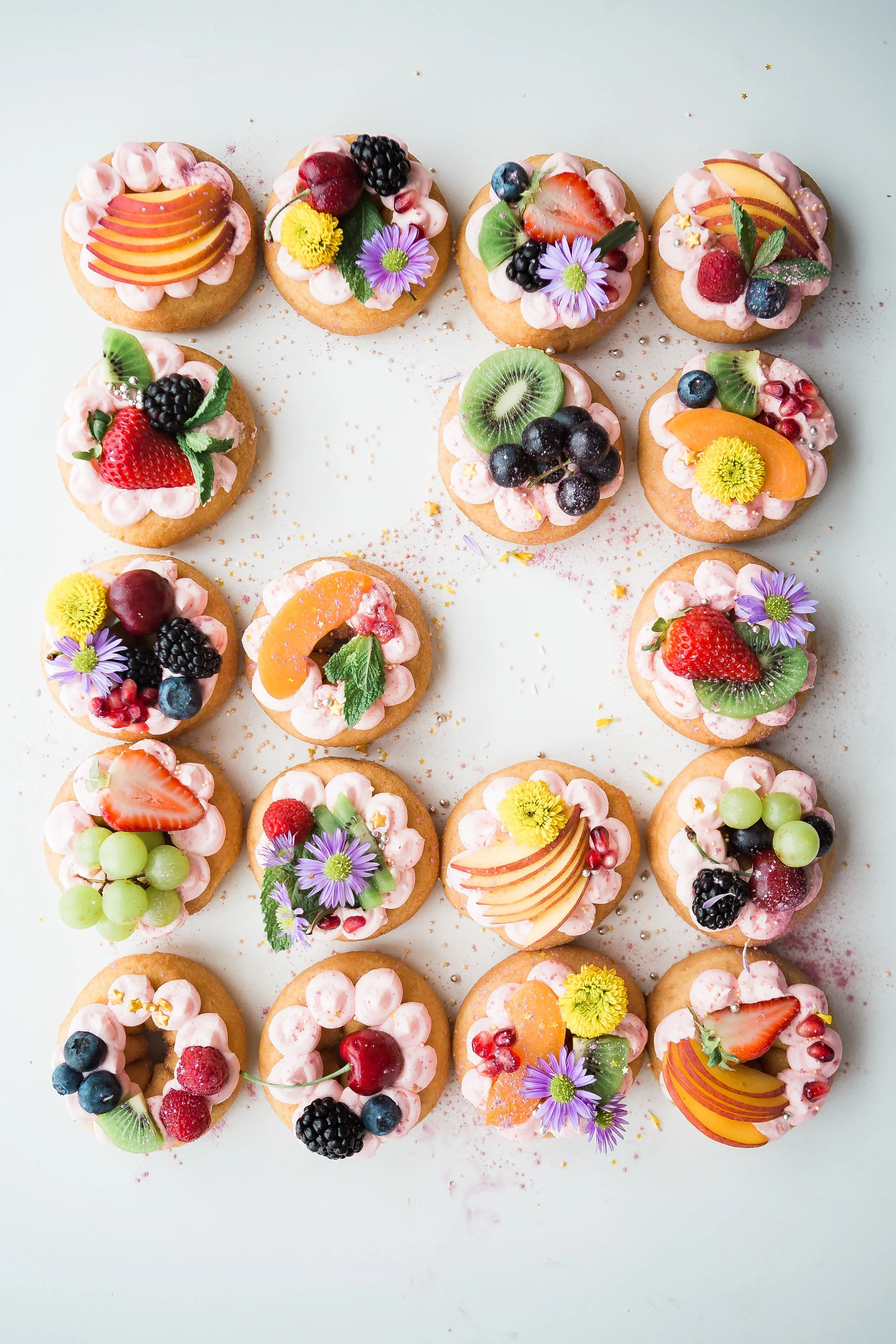
To create a fun, playful tone, a donut tree displaying freshly made donuts and cronuts gave guests a smile and a chance to taste the new hybrid pasty that was going viral at the time.
While these may seem like small details, most of these CEOs and CTOs are used to arriving at registration where they’re greeted with simply a name badge and maybe a bottle of water. By creating a thoughtful first impression for something as basic as badge pick-up, we were sending the message to attendees that they could relax, all their needs would be taken care of, and they were in for an experience like no other.