
The Effect Of Food On Your Events
People can’t focus on anything else if their basis needs aren’t being met, which means the food at your event has a direct effect on people’s experience.
Food is part of mazlov’s basic needs. What does a the hierarchy of people’s needs have to do with your event? Everything!
People can’t focus on any of the other important details or content you’ve planned if their basis needs aren’t being met, which means the food at your event has a direct effect on people’s experience and ultimately your ROI!
What is the secret to great food for events?
When planning events, think carefully about what you want people feel. Is this event during a major meal time? Will people be walking around? Is there content while people are eating, or is the meal the main event?
Before you can start thinking about the actual food you will serve you need to think about the experience you want people to have.
Here are 3 questions I always ask before planning the food for an event:
Who are the people that will be at the event and what do they value in food?
What is the dining experience I want people to have?
What fun or surprising details can I add to the food to support theme of the event or inspire an emotion?
Real Life Examples
As a professional event planner for Google the types of events I plan can vary from a 30,000 person conference to an intimate dinner for high level executives.
Each event has to be tailored to the audience. Here are some examples of how I’ve used food to create a memorable event.
Press Event
Who are the people that will be at the event and do they value in food?
Journalists who possibly had a long commute early in the morning. They may have not had time for a healthy breakfast. I want them to have super healthy, high fiber energy food so they can get through the long day.
What is the experience I want people to have?
I want people to feel taken care of, and I want them to feel the way we cater to their basic needs is an extension of how our brand meets the needs of our customers.
It will be a busy day with journalists trying to eat between submitting their stories and interviewing people, so food and snacks should be available at all times, easy to eat while typing or talking, and high quality.
What fun or surprising details can I add to the food to support theme of the event?
A barista bar with steel cut oats and portable containers so guests can eat while they file their stories.
Bullet-proof coffee made to order offers up a high octane, sustainable and trendy beverage.
If the event is in a particular region (i.e. for a political debate), can you infuse the snacks with local specialties to give the press a sense of place and celebrate the local culture?
High End Dinner
Who are the people that will be at the event and do they value in food?
CEOs and high level executives value healthy ingredients but want a high end experience that they can’t get every day.
They care more about well-known chefs, and the presentation and service of the food in addition to the food itself.
What is the experience I want people to have?
An event that builds community and deepens relationships might warrant family-style service
A formal dinner before an awards ceremony might be best served plated on a very fixed time schedule.
Maybe part of the dinner is served seated and dessert is moved to another location (i.e. out on a terrace) where guests can network with other people since networking is an important aspect of these events.
What fun or surprising details can I add to the food to support theme of the event?
A special wine pairing in the theme of the event (i.e. for a movie premiere based in Australia I offered Australian wine tasting paired with regional cuisine).
Perhaps invite different celebrity chefs to prepare a different course of a 5 course meal. This worked well when I attended an event hosted by Nespresso for their top clients. each celebrity chef had to work a Nespresso flavor into a dish (Thomas Keller incorporated it into a lobster dish - who would guess to do that?!
Use high end ingredients and beautiful presentation to make sure the event is the luxury experience this audience is used to.
Personalization - the details that matter
How do you personalize the experience of your event? Get into the mind of your guests and what they want. Once you identify the experience you want to create you can use food and wine to create a memorable event!
When you think about an event, what are the details you usually remember? For most people it is the food and wine, or the relevant details because that is what makes people feel seen and taken care of .
So how do you personalize the experience of your event? Get into the mind of your guests and what they want. Once you identify the experience you want to create you can use food and wine to create a memorable event!
Never accept a Menu at Face Value
When you start your food planning for an event, never take a catering company or venue’s menu at face value. It’s easy to think you’re are stuck with what they’re offering but instead go to your vendor with the ideas you have in mind and lead with your vision for what the menu should be. In my experience, they are usually very happy to work with you to execute an idea that will turn your event from cookie cutter to a memorable, personalized event. I’ve had many a caterer end up adding things we ideated up together to their menu after our event because it was so innovative and successful!
Think Like Your Attendees
When planning an event, it’s easy to think about what you would want instead of getting into the minds of your demographic. My mom, an interior designer, taught me early on that she had to adjust her style and recommendations based on a particular client and I apply the same ethos to event planning.
If you associate comfort and pleasure with sweet baked goods and sugary beverages, you may be inclined to set up breaks for people that are sweet laden. Is that what your audience wants? For example is you’re hosting an event for tech execs from Facebook or Google, these executives care about local, sustainable foods and often have dietary restrictions. Instead of junk food, a a super foods bar is more likely to put them in their comfort zone and in the optimal mindset to take in the content and details you’re sharing with them at your event.
Ask questions!
Don’t know what your audience likes? Just ask. When I’m planning executive events I go to the assistants and ask what foods and wines each person likes and anything that absolutely dislike.
Offer Options
If you have audience segmentation, you may have groups who want different things; personalize the experience by providing options for everyone.
Examples Of Personalized Events
Google Capital Security Summit
Event Overview: As part of the event, we provided a high end c lunch for professionals and executives while presenting thought leadership cyber security.
Obstacle: Want a themed event but how do you do that with a dry topic like cyber security?
Personalized Experience: when thinking of cyber security, executives want to feel safe, so we created a beautiful lunch with greenery, outdoor, table settings and a healthy take on comfort foods like cauliflower mac and cheese.
A Real Life Example
Event Overview: At Google Cloud Next, we plan a cloud event industry for 30,000 attendees who attend keynote sessions where they hear from Google leadership about new products and roadmap, attend technical breakouts, trainings, and certifications, and have opportunities for demos, meetings, networking and social events.
Obstacle: we had 30,000 attendees who needed to eat lunch while trying to make it between breakout sessions, training, certification and meetings.
Personalized Experience: We provided over a dozen different lunch options for attendees in different styles, cuisines and locations. Yerba Buena Gardens had live music, with picnic blankets and comfy seating out in the lawn so attendees who wanted a break from the content could enjoy a festival-like atmosphere. We bought out the entire food court at the Metreon Theaters so attendees had access to eat at any of the restaurants ranging from Mexican to Thai to American Grill. We also provided pop-up hot dog and ice cream carts, food trucks, and grab and go lunch bags at all the hotel venues for folks in a rush on their way to a breakout session.
The First Impression Matters
When you’re planning an event, it is often times the little details that set the stage for what is coming next.
When you’re planning an event, it is often times the little details that set the stage for what is coming next.
Yes things like the food and venue impact the experience, but so do smaller details like the first impression upon arrival, the music, the service experience, and so much more!
Hallowed First Ground
Hallowed First Ground is something I learned in a class about influence through storytelling that is 100% applicable in the event planning world. It is the first impression you get of something or someone that really sticks with you no matter what comes after.
When planning an event that first moment is often what shapes the experience your attendees are going to have. And often times it starts before the person even steps food in the venue.
How was the invite? Did it clearly set the tone for the type of experience you want to create?
What happens when guests first get to the event? Do you have a way to greet your guests in a fun and welcoming way?
Did you think about signage? Staff?
What about music? Is it silent and awkward when people walk in?
The first touch points of an event tell people what to expect and can either cause them to shut off or re-engage with the experience. What is the best way to do that? Do something creative to welcome your guests to the event!
We pay so much attention it whats inside, it’s easy to miss things like is there a welcome experience and even simply a person or sign to greet guests so they aren’t lost. It doesn’t matter how amazing your keynote speaker is if none of the guests can find their way to the keynote room and thus miss the session!
Setting Expectations
When you arrive at a five star hotel you expect to be greeted with a glass of champagne. When you go to an airbnb (for instance), that same level of services isn’t expected but imagine it as an opportunity to surprise and delight each guest if there’s a bottle of champagne waiting on arrival?
A Real Life Example
I planned a day event for a corporate offsite - for this event it was important to set the stage for what to expect from the day. The first thing to decide was the venue and initial touch points for the entrance.
We took over the beautiful Cavallo Point resort in Sausalito, California, to create an elevated experience for CXO’s that was grounded in the natural surroundings.
Upon entrance there was a bright, playful lemonade bar with all the fixings to make people feel refreshed and delighted when they arrived at the registration desk.
Nearby was also a cart of Champagne with butler service to create a high level, luxury experience for those guests more accustomed to that elevated experience (personalize by creating preferences for various attendee types!).
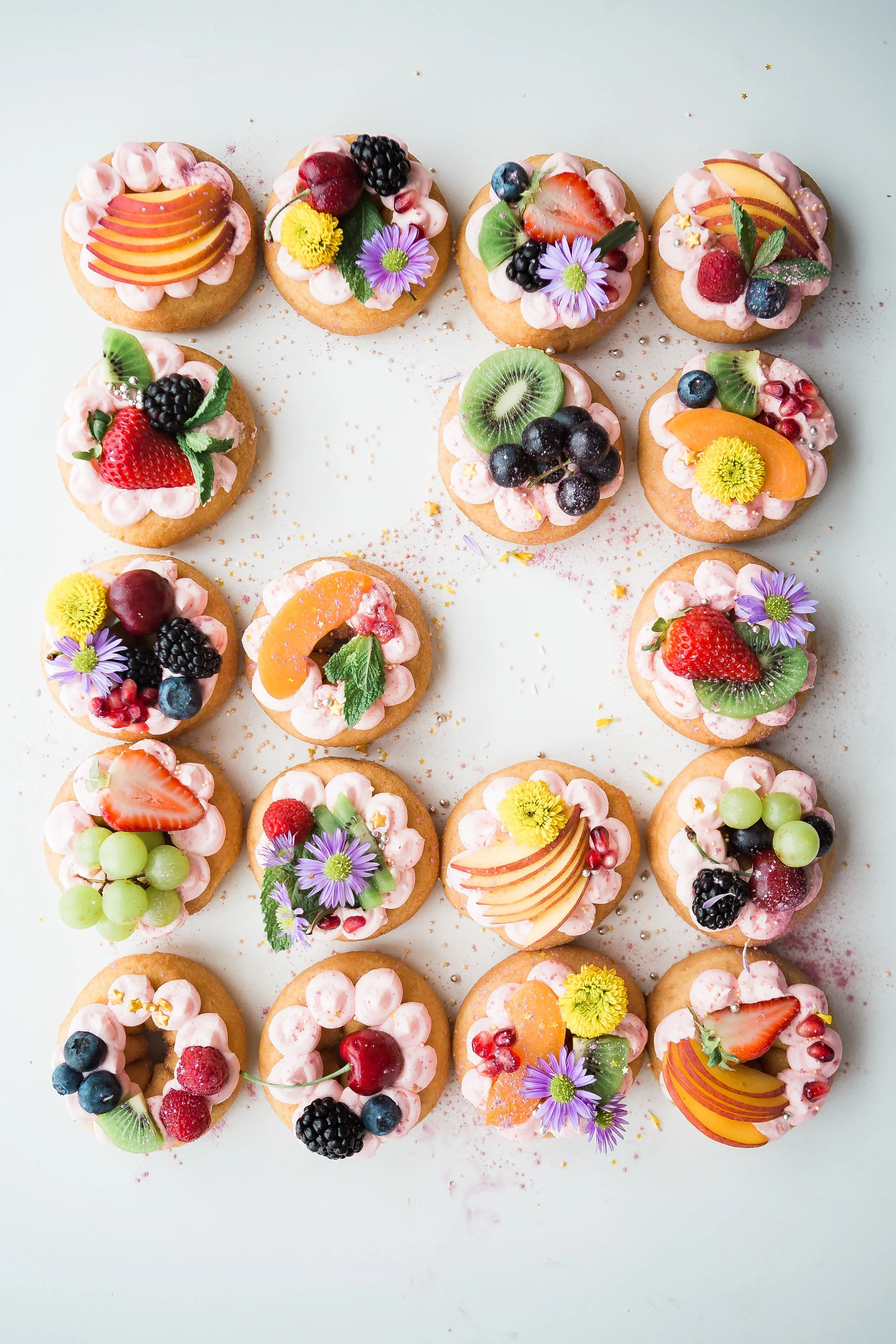
To create a fun, playful tone, a donut tree displaying freshly made donuts and cronuts gave guests a smile and a chance to taste the new hybrid pasty that was going viral at the time.
While these may seem like small details, most of these CEOs and CTOs are used to arriving at registration where they’re greeted with simply a name badge and maybe a bottle of water. By creating a thoughtful first impression for something as basic as badge pick-up, we were sending the message to attendees that they could relax, all their needs would be taken care of, and they were in for an experience like no other.

Key Factors of a Successful Proposal
As event planners, we’re expected to write proposals at a relatively high frequency. Most vary from each other, but I’ve taken what I’ve learned along the way and improved my overall proposal strategy dramatically over the years.
As event planners, we’re expected to write proposals at a relatively high frequency. Most vary from each other, but I’ve taken what I’ve learned along the way and improved my overall proposal strategy dramatically over the years. This has culminated in my pitching to a number of fortune 500 companies for partnership on the launch of my book, The Art of Event Planning.
Last week I wrote a proposal for a potential collaboration with a company I’ve gotten to know well over the years. I sent my new contact all the information I knew she would need to make a decision. We’ve all dealt with potential clients or stakeholders who don’t follow up, but this meeting quickly materialized. Our conversation was a great one, and I felt thankful for the expertise past mentors had imparted. Now, I am sharing my strategy with you, and I hope you hone it to represent your own voice and move mountains!
Establish a level of understanding first
When we collaborate or pitch to new people, we try to ensure that they understand the role we will play in helping them create a goal-oriented event. However, I do think it’s easy to overlook how little a new client might know about the event planning process. Think about it this way, what seems obvious to us, most likely wasn’t fresh out of school.
Maybe the new prospective client assumes that they will sell a certain number of seats at their ticketed conference, at an exact price point, and this bolsters their budget. However, we understand that there are comps and discounts and affiliate codes to be shared, and these affect net numbers. These additional discounts must be accounted for, since the overall budget will likely be less afterwards.
If we can educate our clients on basic strategies in talks before the proposal hits their inbox, then we have already cleared up any foreseeable confusion and we can seal the deal in a prompt manner.
Differentiation
The CEO of Advanced Nanotechnology Solutions, Inc.Hector Ruiz, once said, “Fair and open competition is the only course we know that can lead to meaningful innovation.” This much is true, and studying competing agencies will only help you glean information on what’s working tech wise. While there is an abundant amount of tools at our disposal, knowing which ones to use to sustain a client’s strategy is key. In addition, whether you’re great at reducing budgets or very interested in engagement or have unique strategies for sharing messaging— I implore you to share your super strengths within your proposal. List them first and make sure to leave some points open ended so that you can talk to your client and provide supporting evidence, and avoid overwhelming them with the printed word.
Transparency is key
Finally, sometimes, our clients ask us for things to include in our scope that we don’t have practice with. It’s fine to say no, or ask more questions, or propose a different solution that your agency can handle. The truth is, there is a fair amount of risk in overpromising to a client. We must always air on the side of caution when we go about listing our services, when they are outside of our typical scope of work. Whether it’s a 30,000 person event you’re trying to win, or a fully integrated AI concierge service you’re trying to implement— always remember that your “yes’s” should be truthful. Take your time in answering, and if you realize you can’t accommodate their proposal, it’s okay! The great thing is, there is always a way: it just takes some brainstorming to get there.
Finally, I’d love to hear your tips for scribing winning proposals. Since I am learning everyday, I will continue to share. I hope you do too!