
Gianna's Gem: Stanly Ranch, Auberge Collection, Napa Valley
Where a working ranch, wine country’s beauty and charm, and a world-class spa retreat become an unforgettable experience
Some brands create a very personal response through emotional connection and experiential immersion. For me, the hotel brand that moves me deeply is Auberge. It's where I said "I do," and every Auberge property I've walked into since has carried a little bit of that day with it from the moment of arrival to the finale.
Where a working ranch, wine country’s beauty and charm, and a world-class spa retreat become an unforgettable experience
Hi there,
Some brands create a very personal response through emotional connection and experiential immersion. For me, the hotel brand that moves me deeply is Auberge. It's where I said "I do," and every Auberge property I've walked into since has carried a little bit of that day with it from the moment of arrival to the finale.
Stanly Ranch, a darling in the Auberge northern California portfolio, exceeded my expectations and delivered an experience that I can’t wait to share with you. My stay was brief, but it was a 10 out of 10 from beginning to end. My only regrets? That my family wasn't with me, and that I couldn't stay longer. I left already planning my return (as I sometimes do at other Auberge properties), and I can honestly say Stanly Ranch is now my favorite Napa property. Here’s why.
First, a little history (because this land has a story).
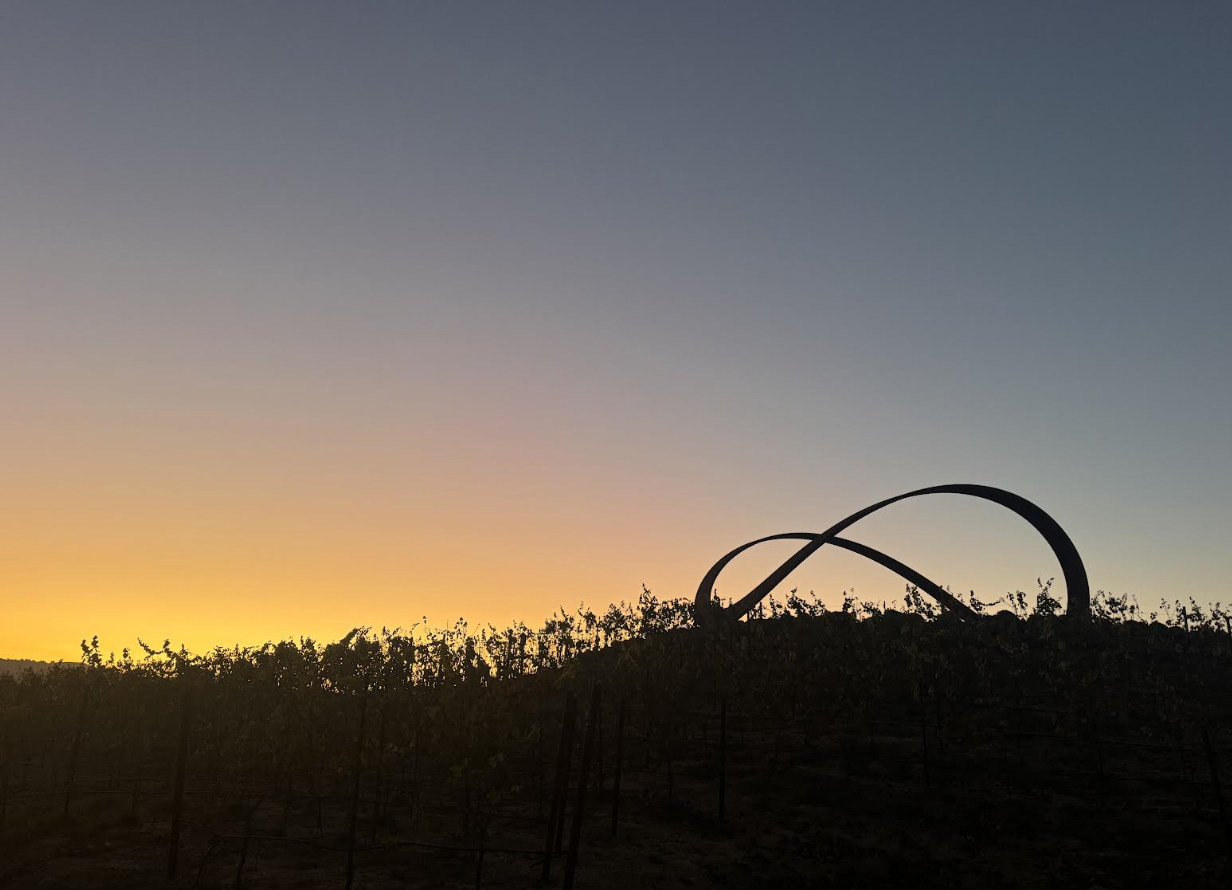
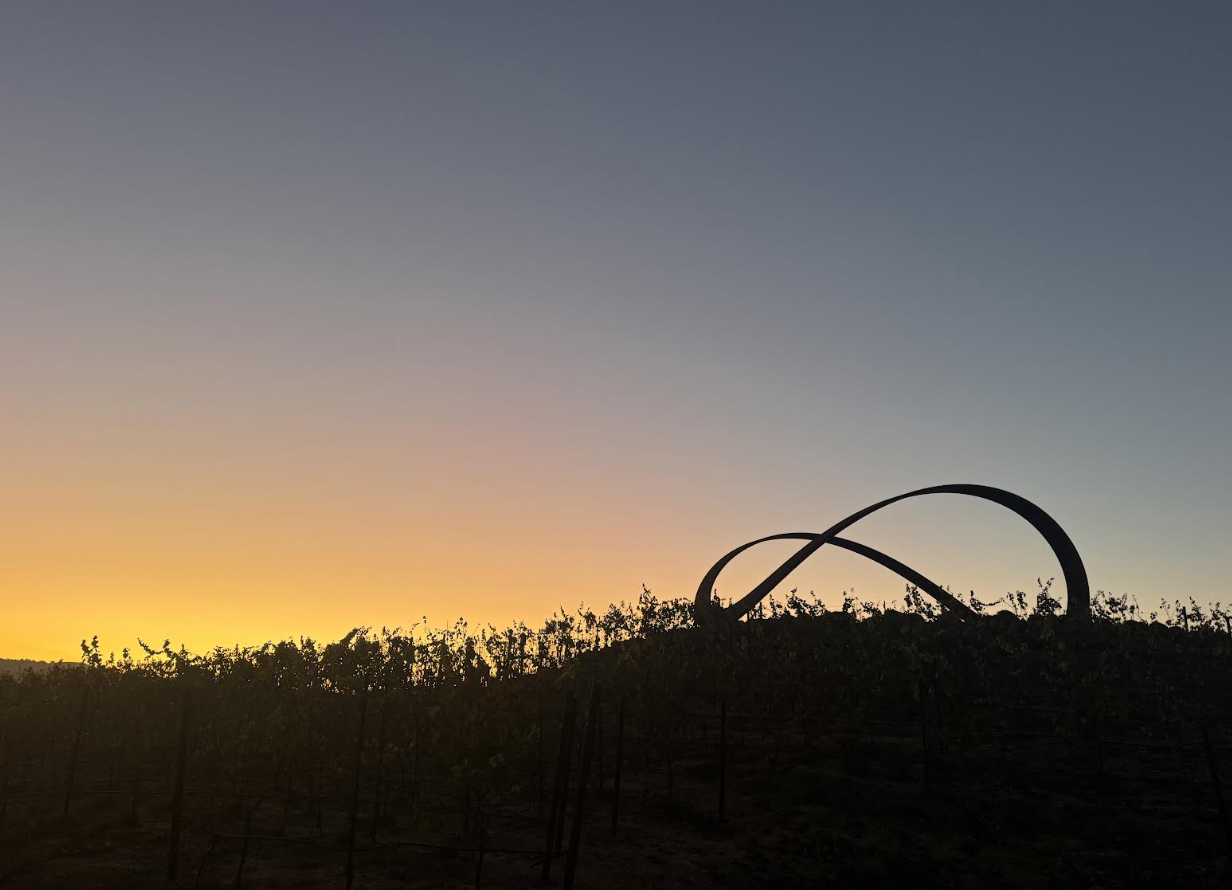
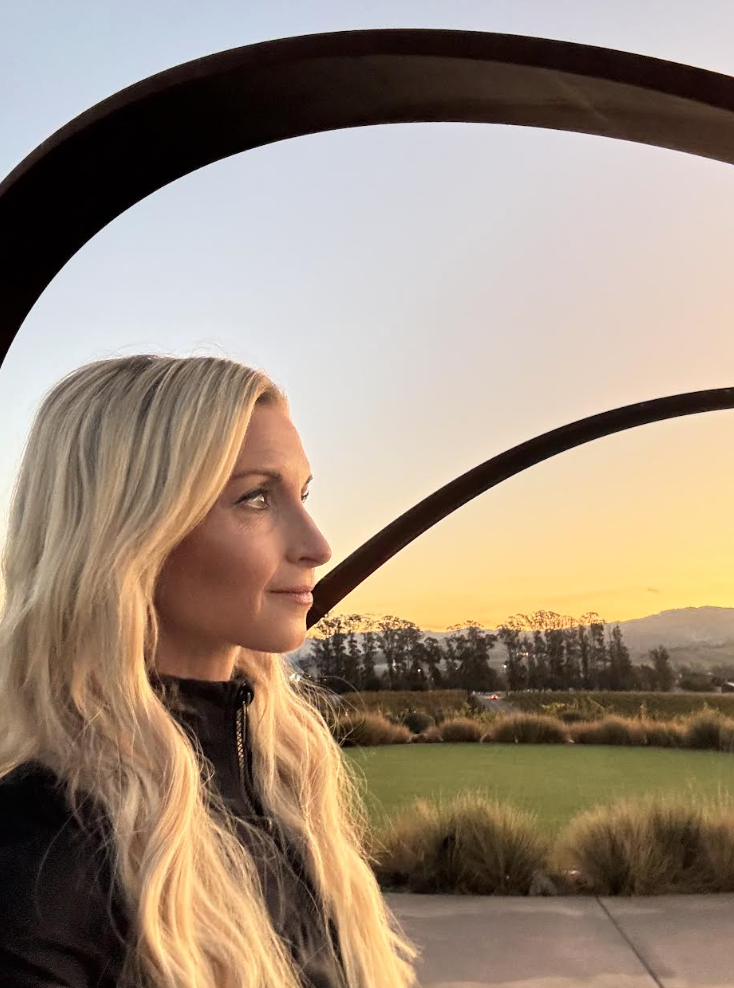
Stanly Ranch was founded in 1856 by Judge Edward Stanly and is part of Napa's winemaking lore. Today the resort sits on 712 acres of vineyards and ranch land on the southern edge of Napa Valley, right at the crossroads of Napa and Sonoma, framed by 2.5 miles of Napa River frontage and sweeping views of the Mayacamas Mountains. Crowning the hilltop is Gordon Huether's "Infinity" sculpture, which you'll spot from almost everywhere on the property. Like its name, the sculpture changes shape before your eyes from every angle, and invites you to really slow down and take in what infinity means. Grazing deer, rolling vines, hawks coasting overhead creates a scenery that doesn’t feel like a hotel. It feels like you've been invited to a rarified visit on someone's beautiful ranch.
The magic starts before you ever arrive.
This is the part that made the experience designer in me light up. Stanly thinks through the entire guest journey. Well before my stay, the team reached out to confirm every detail and preference so I'd be completely comfortable. The morning of my stay, I received a personal email from my contact with her own insider tips for experiencing the ranch. It opened with a virtual greeting and a wish that she could be there to welcome me in person. That is next-level hospitality, and exactly the kind of care I want my attendees to feel. (And lucky you, I'm sharing her tips in the P.S so read on to the end.)
The little touches that tell you where you are.
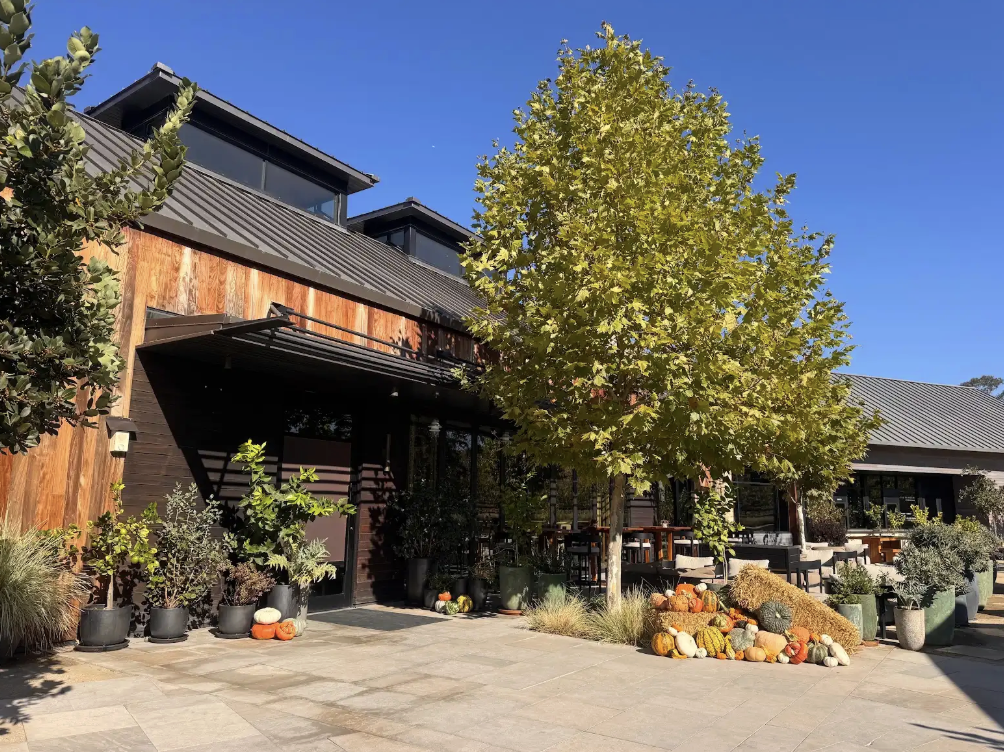
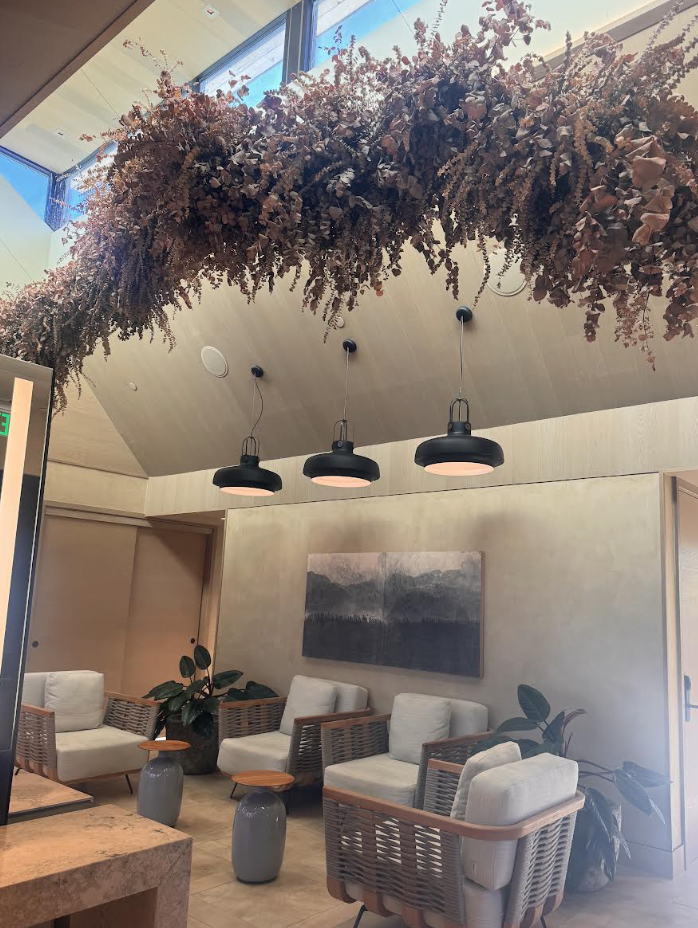
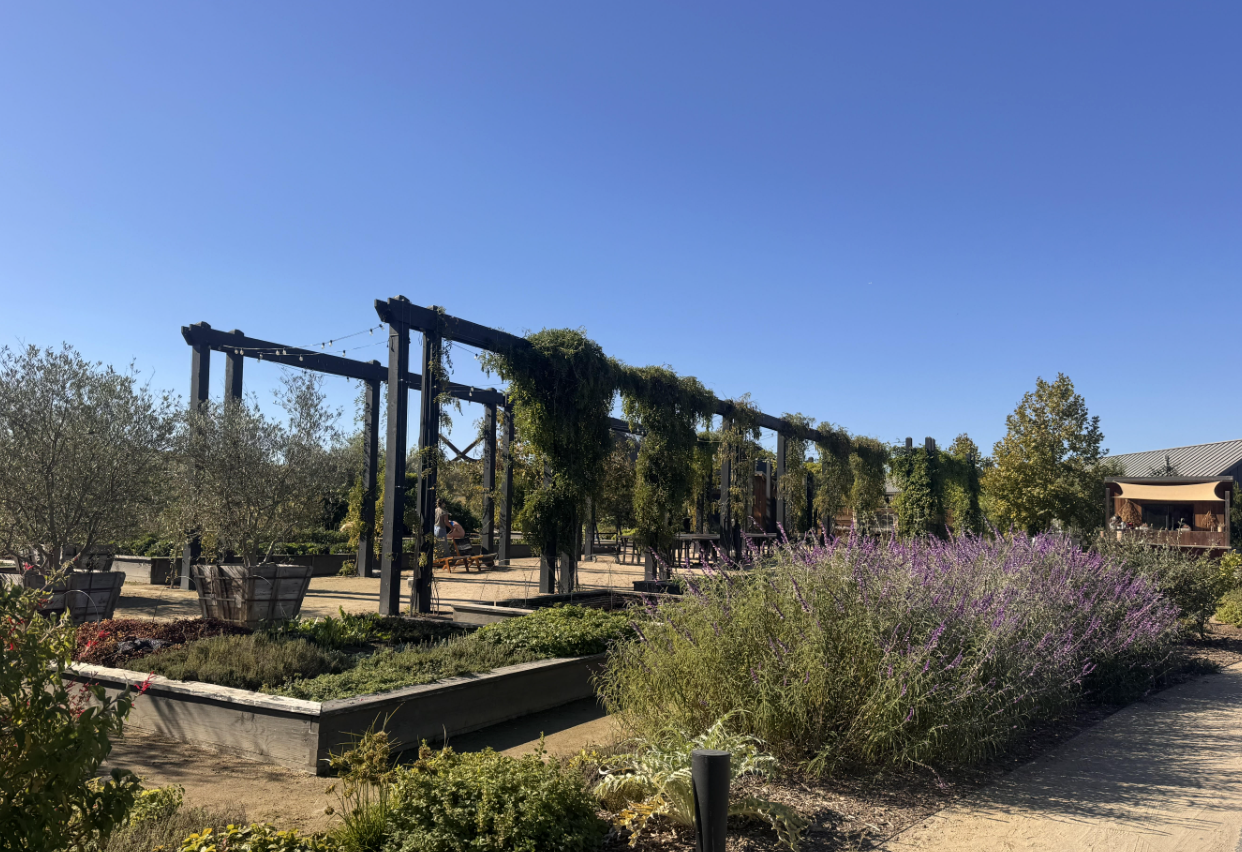
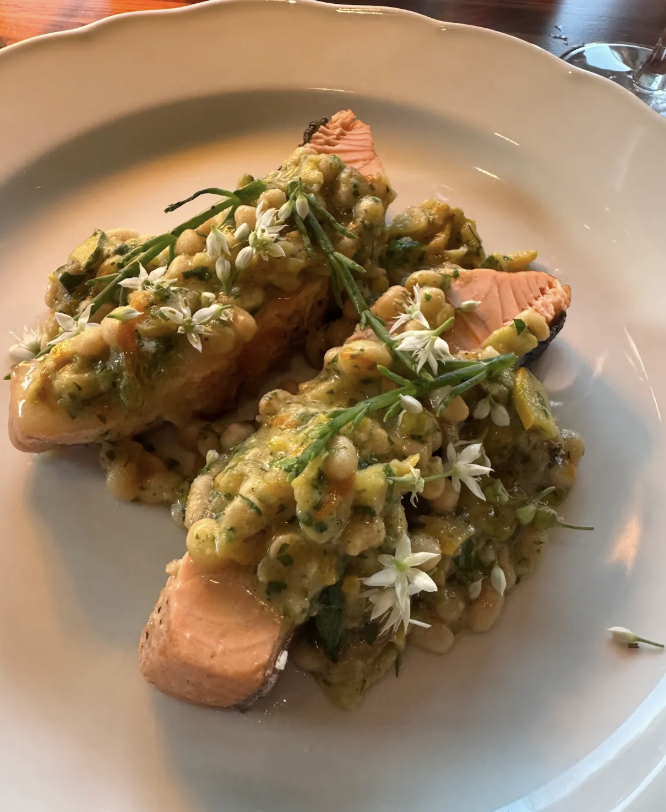
Stanly is all about sense of place. A sprig of rosemary waiting by the bed so fresh, you could see the spittle from the local bugs still on it (in a glorious way, not a gross way). My favorite, LMNT electrolytes in the mini bar (my husband always forgets these!). A handwritten welcome note and hand picked crudite from the property’s garden. Cinderella pumpkins as large as I was made this a virtual fairy tale. Chickens to be fed, and vegetables picked right on the ranch that end up on your plate. I'm obsessed with the farm to table experience, but pair that with unparalleled luxury and amenities - next level decadence.
The rooms: spacious, serene, and seriously luxurious.
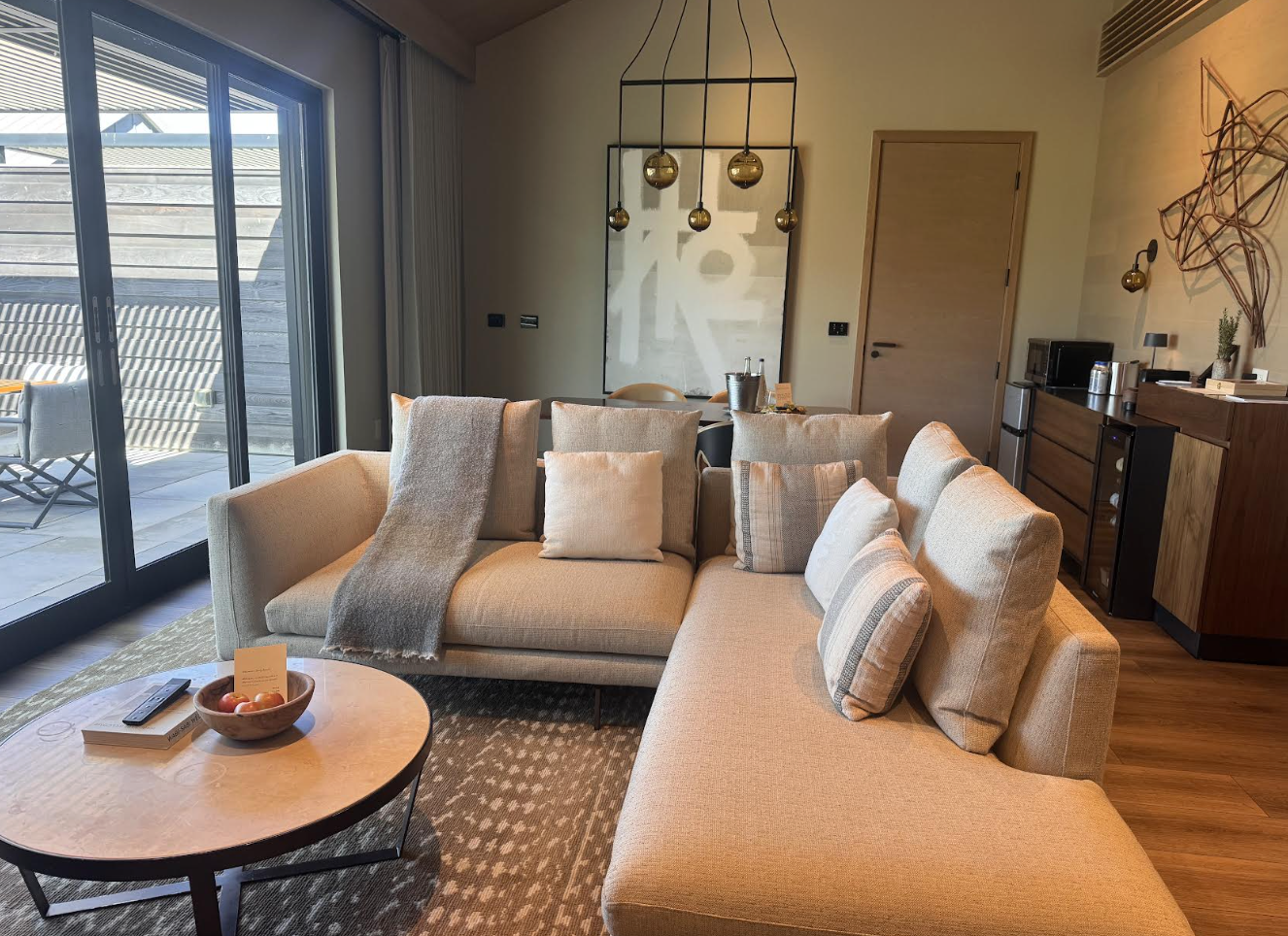
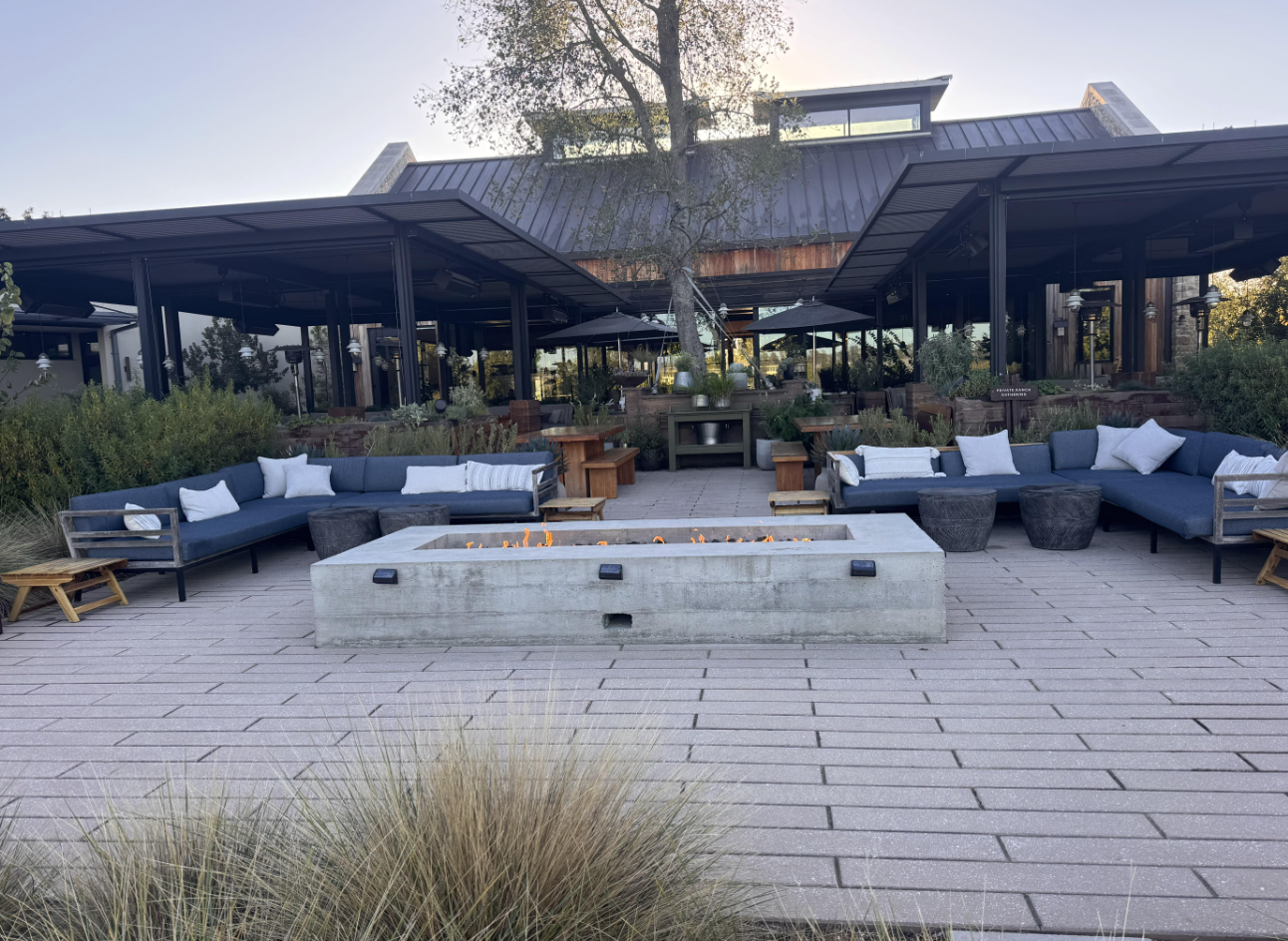
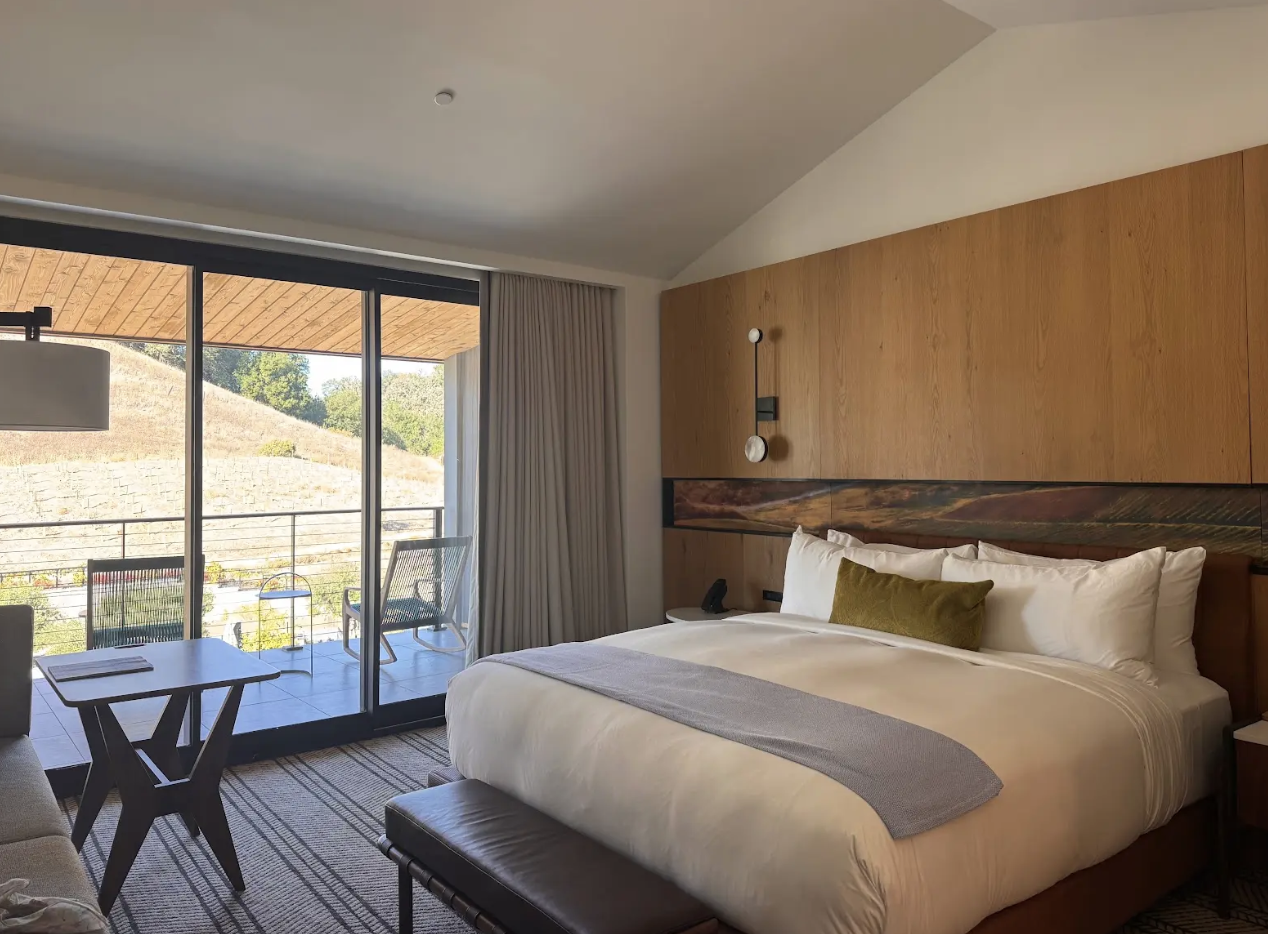
The cottage-style guestrooms blend modern farmhouse with progressive design, with grand doors that open onto generous private terraces with fire pits and lounge seating. Every time I’d look outside, I spotted something delightful like a quail trotting by. Most cottages include an outdoor shower, plus a yoga mat, meditation cushion, and Theragun, so your room feels like a private extension of the spa. Traveling with a crew? The one- to three-bedroom suites are built for gathering, the two-bedroom Villas come with gourmet kitchens and pantry stocking, and the Vineyard Homes go up to six bedrooms with their own plunge pools.
The wellness: a true destination of its own.
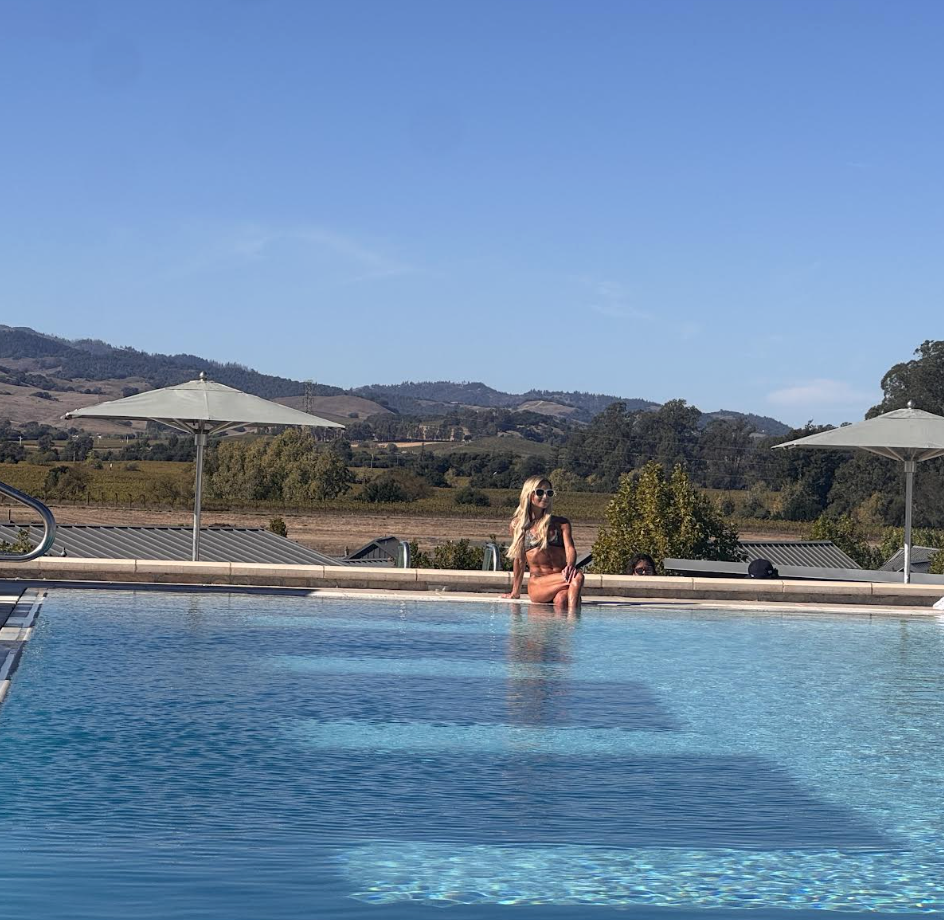
Up on the hill, Halehouse spa is flanked by a spa pool with what may be the most mesmerizing view on the property (go at sunset, trust me). Next door, the Springhouse recovery circuit is pure bliss for anyone who loves a good reset: a cedar sauna, THE largest sauna in Northern America, with wave-shaped stadium seating overlooking a mini vineyard that was so spectacular it moved me to tears as I meditated, a cold plunge, steam room, tepidarium, salt room, and yes, a hyperbaric oxygen chamber. And fitness is not overlooked - Fieldhouse offers daily yoga, Pilates, barre, and HIIT classes that are complimentary for hotel guests, plus personal training and private yoga. I took a yoga mat from the studio and practiced yoga out on the terrace overlooking the property and it was a peak moment.
The food: farm to table, for real.
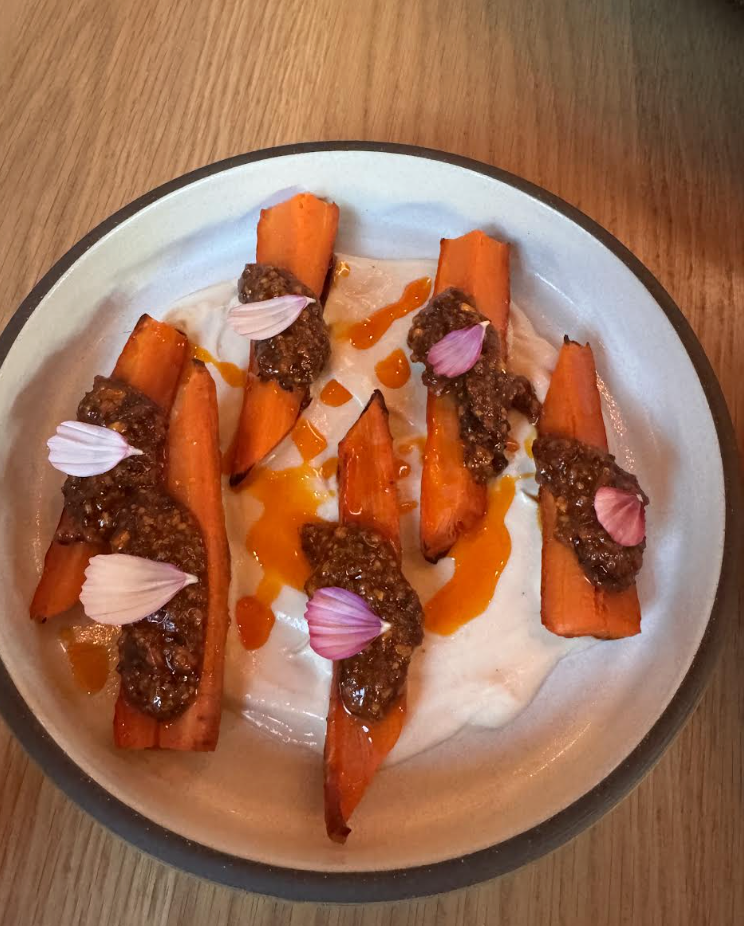
Because Stanly is a working ranch, the menus here are deeply seasonal and connected to the land. Bear is the heart of it all and will leave you craving dishes like the fire-roasted carrots for days (pro tip, do not pass these up!). Led by Executive Chef Anthony Stagnaro, it's breakfast on the terrace, a buzzy lunch, and convivial dinners built around grilling, fermenting, and Napa ingredients at their peak.
Start your morning at Gavel with Sightglass coffee, fresh-baked pastries, and picnic provisions for the vineyard. Spend the afternoon at Basin Bar, a Provence-style, guests-only spot between the Lavender pool and the kids' pool, with wood-fired pizzas and refreshing wines. And on weekends, The Window in the Village serves up sweet treats and icecream scooped to go.
Ranch life, curated.
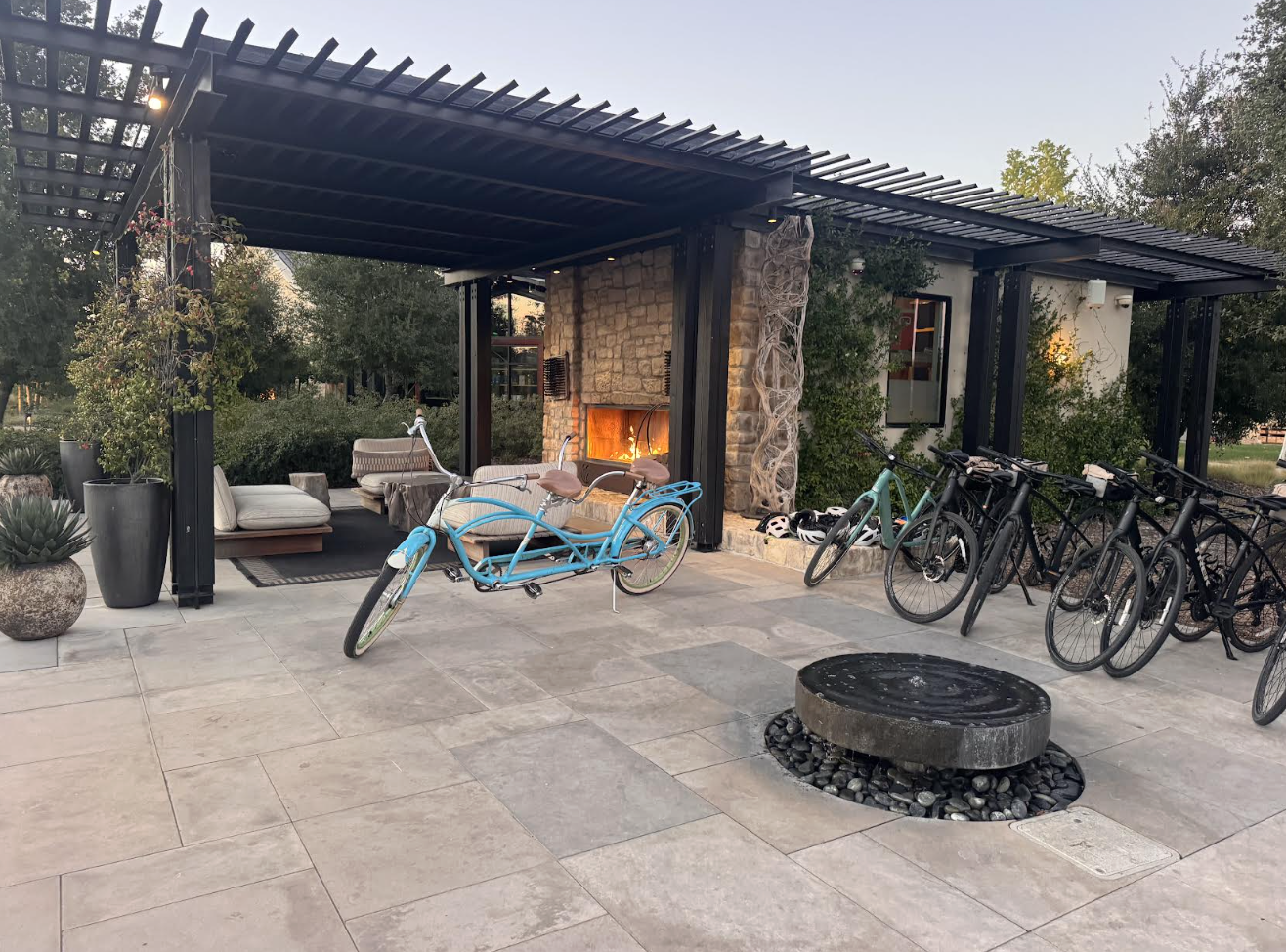
What I love about this property is the range. Days here can be as active or as lazy as you like. Hawk walks and falconry, lavender harvesting, botanical cocktail classes at The Grange (hey even have mocktail tasting for kids!), cycling the vineyard roads (they’re even thought to have kid-sized bikes so the whole family can partake - that’s really thinking through the needs of guests). The bikes in all sizes and Mercedes-Benz house cars are included with your stay, which makes it easy to explore wine country without ever thinking about logistics.
Three mountain-view pools round it all out, and the ranch is dog friendly, too so you can bring the whole family. This is where my "next time" plans kicked in. Kids get their own version of ranch life: little sommelier moments, feeding the chickens, touring the farm, bikes to explore, hawk walks, and learning to grow vegetables on the farm. Parents can slip off to wine country while the littles spend the day at Little Ranchers Camp with gardening, art, and movement. There's a dedicated kids' pool, cribs and Pack 'n Plays on request, and the Acre Family Two Room cottage is made for a family of four, with a fire pit on each terrace for s'mores.
For my event planners - here comes the best part:
I cannot wait to bring events here. Stanly Ranch has 135 cottages and suites, more than 17,000 square feet of indoor-outdoor event space, and venues for groups from 8 to 450. It's ideal for a full buyout, so your group gets the whole ranch to themselves. A few spaces I'm obsessed with:
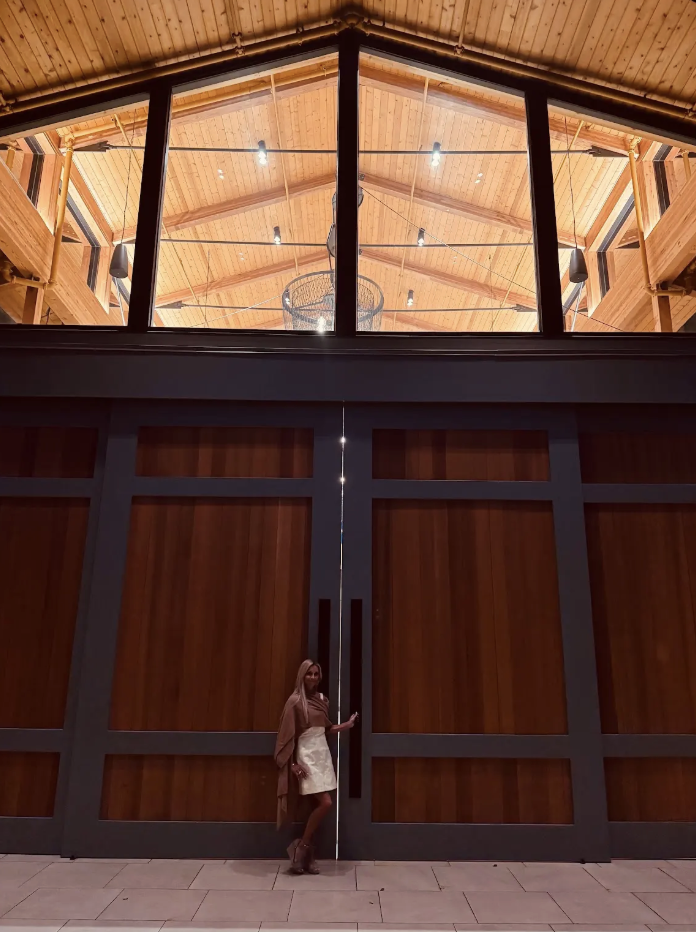
Glasshouse Barn: the showstopper. Panoramic windows over the vineyards, up to 450 guests, 4,532 sq ft, and divisible.
Glasshouse Terrace: welcome receptions overlooking the Lavender pool, with Mayacamas sunsets. Up to 300 guests.
Garden House and the adjoining Cutting Garden: French-inspired flower gardens, a big fireplace, and a manicured lawn. Up to 175 indoors and 300 outdoors.
Lavender Lawn: surrounded by hillsides of lavender and fragrant day and night. Perfect for picnics or evening cocktails for up to 300.
The Grange: dinners, mixology, and cooking classes for up to 40, right in the chef's garden.
Private Dining Room at Bear for up to 20, and The Porch, an eight-person boardroom with its own covered porch.
Layer in team experiences like falconry, plein-air watercolor, lavender harvesting, and garden-to-glass cocktail workshops, plus a team that reaches out to every guest before they arrive, and you have an attendee experience that sells itself. Getting there is easy, too: it's about 50 minutes from the Bay Area and 10 minutes from Napa County Airport, with Oakland, Sacramento, and SFO all within about an hour and a half.
More about Stanly’s meetings and incentives here.
The score: 10/10 easily.
From the natural beauty to the world class wellness, the incredible food and grounds, the luxurious, spacious rooms, and service that's truly unparalleled, there was honestly nothing to complain about. It's Auberge at its best - creating a memorable sense of place you can’t help but rave about.
Want to experience it for yourself or plan an extraordinary event at Stanly? Reach out and I’m happy to make a personal intro to the team or brainstorm with you on how to make an unforgettable experience for you.
P.S. Here are the Pro Tips I'm sharing with you as a bonus
Straight from my contact at Stanly, exactly as she sent them to me the morning of my stay:
"Here are my favorite things for you to try if possible:
Walk up to Infinity Hill under the sculpture, either early morning or at sunrise. It's beautiful and serene and one of the reasons that I love to work here!! Try to look for rocks with words. We often have groups and team members leave their intentions on rocks to start their journey. If you see a tiny white house in the distance, that was the house of Stanly Ranch's original owner, Judge Edward Stanly.
Visit The Grange (near the entrance) and speak with a farmer. Ask farmer Nick and Syd for an impromptu tour and sample some fun delights. One of my favorites is the chocolate mint (if still in season).
Visit Halehouse (especially beautiful at sunset) or arrange a time at Springhouse (cedar sauna).
Bear: Try the sourdough ice cream. I don't even eat ice cream and I LOVE this unique version.
Finally, enjoy the incredible wildlife: hummingbirds, hawks. It's so beautiful and special to be so immersed in nature."
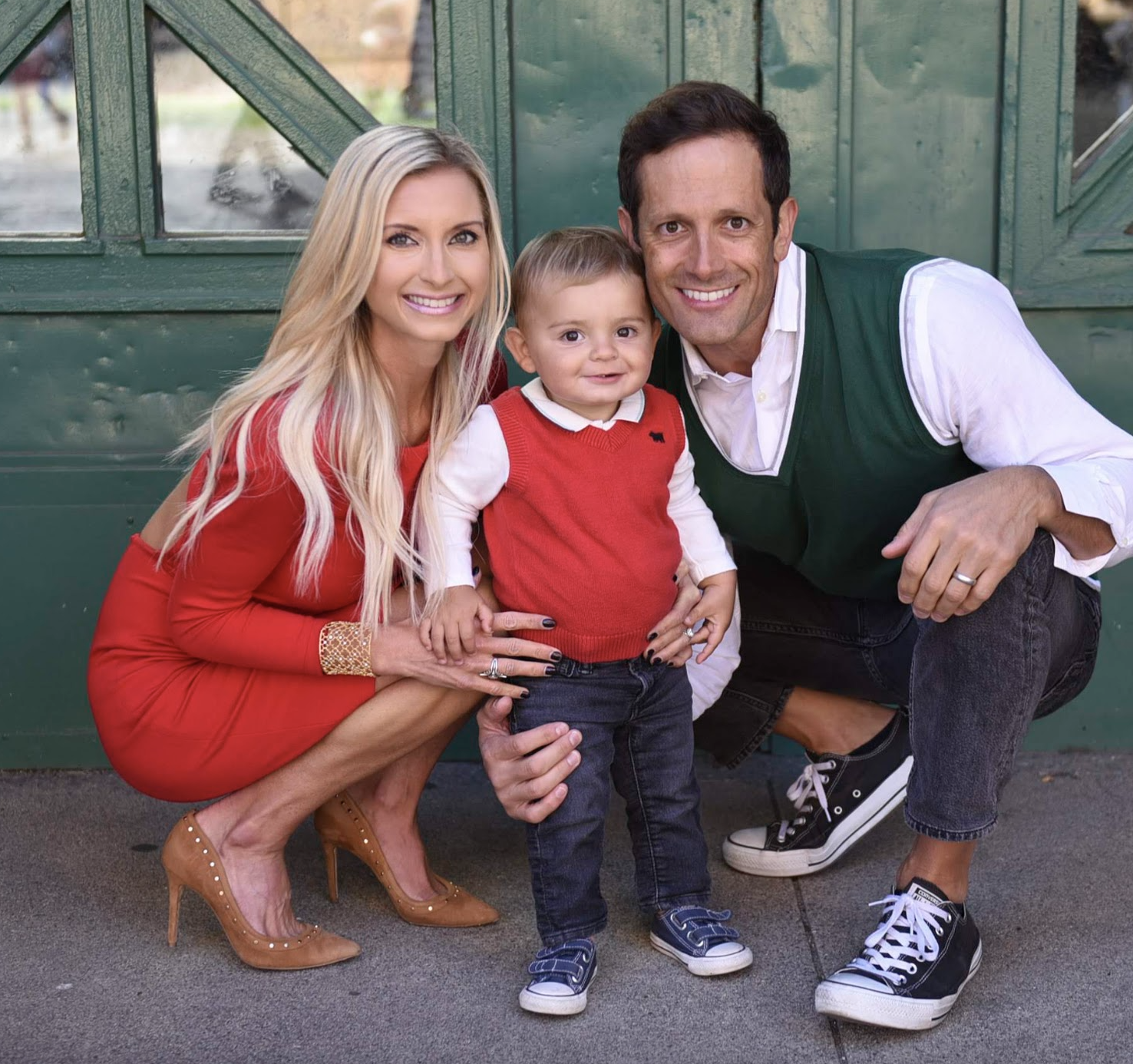
Gianna's Gem: Strike a Pose, Vogue-Worthy, Drama (and Trauma) Free
Gianna’s Gems: Strike a Pose, Vogue Worthy, Drama (and Trauma) Free
hi there,
If you’re anything like my friends and clients, you probably know the scene. It’s the second Saturday of November, the holiday card deadline is breathing down your neck, and you’re tearing through closets trying to find anything navy that still fits your eldest. Someone’s lost a shoe. Someone else is crying because the collar is “itchy.” The sky, which was clear all week, has picked this exact morning to turn grey and spit rain. By the time you get to the location, you’ve bribed, threatened, and negotiated, and your photographer is gently asking everyone to “just look happy and relaxed.”
For a lot of families, the annual photo shoot is something to survive, for kids, it feels like torture. But it doesn’t have to be.
Gianna’s Gem: Why not take a pain point and instead elevate it into a delightful experience?
In my TEDx talk, I shared a simple framework for making any occasion more memorable: Intention + Personalisation + Delight.
It works for milestone birthdays and big events, but it works just as well for the small, recurring moments and every day interactions that you wish were more memorable and less painful.
So this week, I’m sharing my strategy for what I’ve found to be one of the most dreaded rituals on the family calendar.
Intention: Plan it WAY in advance.
The single biggest stress-reducer? Schedule it way earlier than you think you need to. Booking early gives you breathing room if someone gets sick or you get rained out, and it accounts for the fact that photos can take up to a month to come back edited.
I book ours in September or October, before the weather turns and while we still have our summer glow. That way, by the time the photos arrive, I have plenty of stress-free time to design the holiday cards instead of scrambling in December when I have absolutely no time to spare.
Pro tip: Pick a colour-palette early, too. When you choose two or three coordinating colours weeks in advance, “matching outfits” stops being a last-minute panic and becomes a fun little shopping (or closet-raiding) project.
Personalisation: Make the location mean something
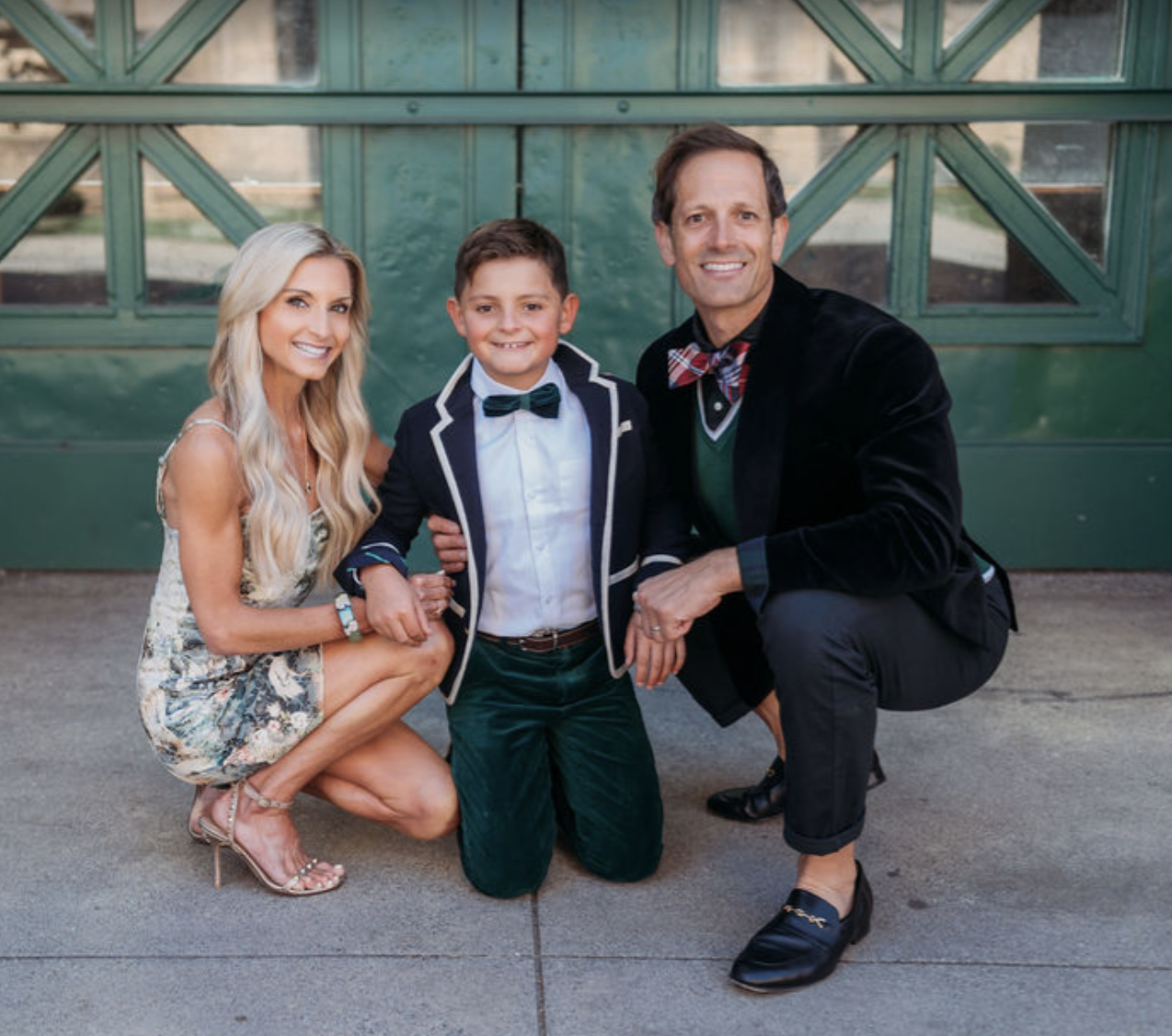
Every year, I co-create the experience by asking the family: Which San Francisco location represents our year?
During COVID, we chose the Presidio because we’d hiked there almost every weekend. It became a place that held the story of that strange, slower year, so the photos now do too. Last year we chose Golden Gate Park because we spent weekends biking there as a family. Curious about this year’s? If you email me I might just add you to our mailing list.
Why this works: Co-Creation. When everyone gets a say, the shoot stops being “Mom’s thing” and becomes our thing.
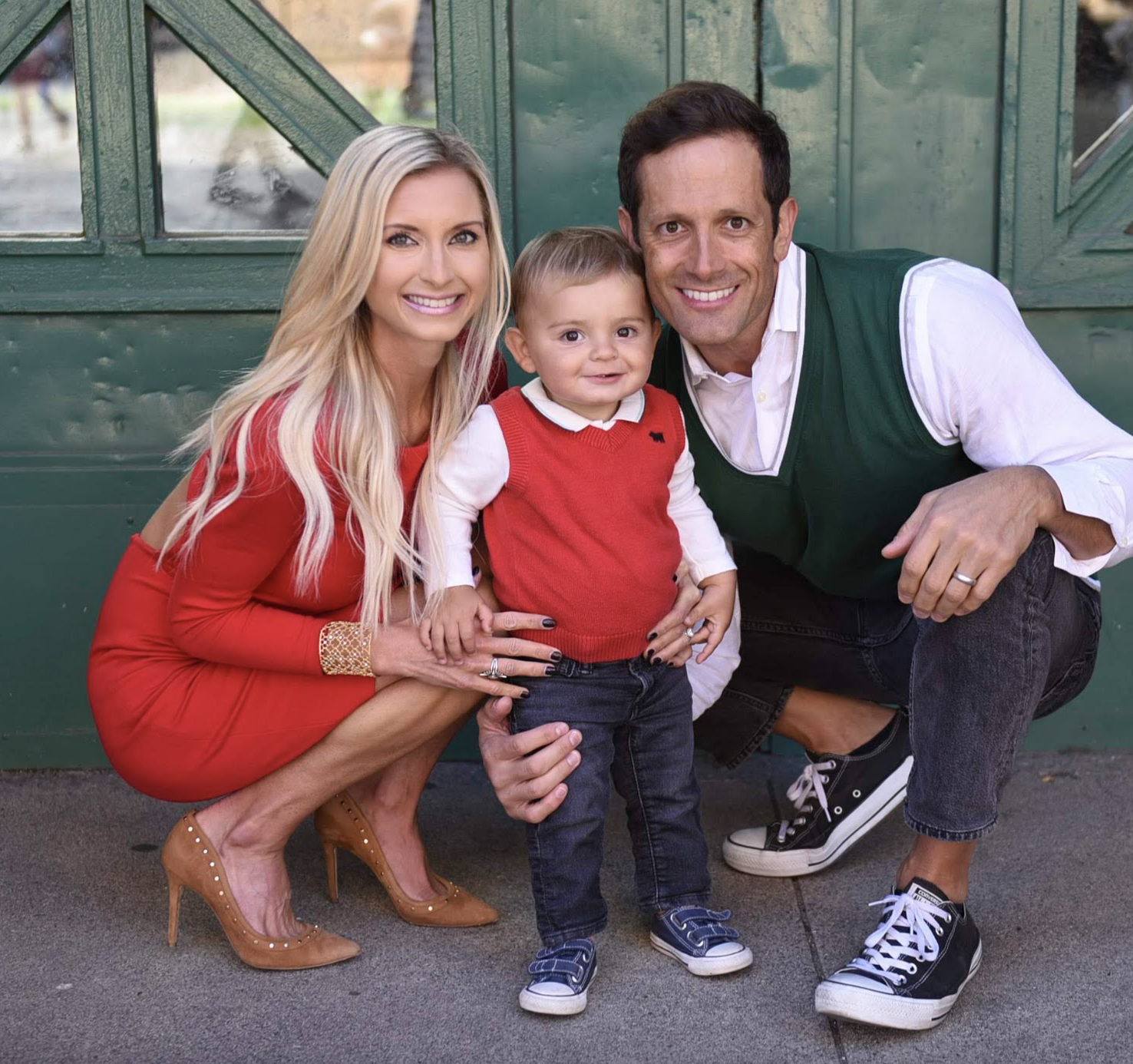
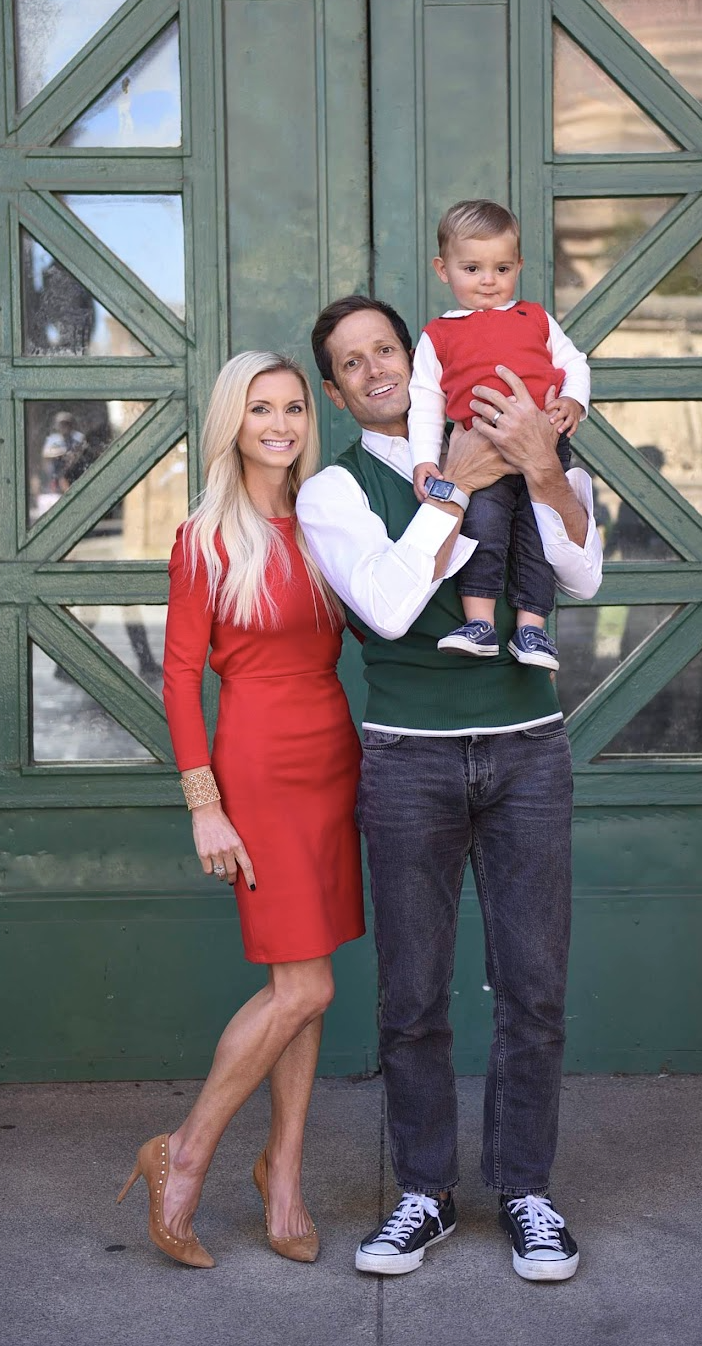
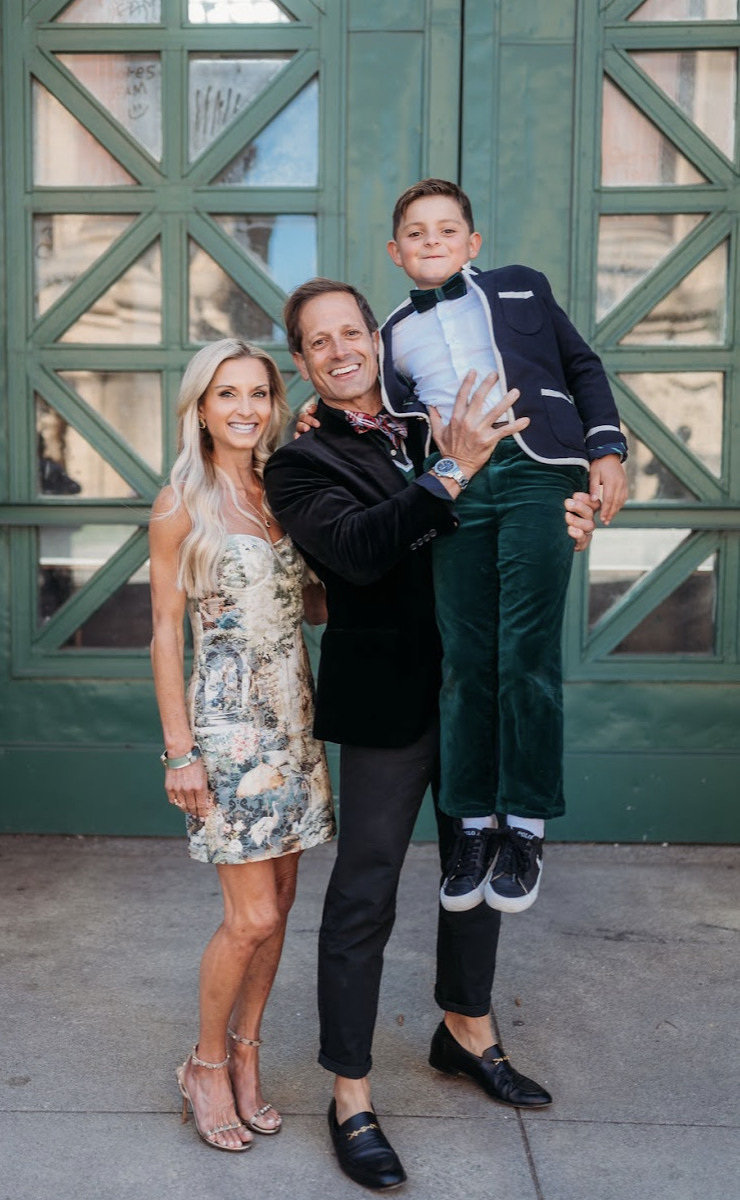
This year we returned to a location in San Francisco where we hadn’t shot since Giacomo was one. So we pulled a few shots from his first-birthday session and recreated them. It was hilarious, especially the one of Garrett hoisting him up on his shoulder, since Giacomo now weighs nearly as much as I do. Those side-by-side “then and now” photos are already family favourites.
Delight: Bring the party with you
Set the ambiance. I always pack a portable Bluetooth speaker, water, fun snacks, and a couple of mini cans of sparkling wine (one for me, one for our photographer). Music loosens everyone up, snacks prevent meltdowns, and a little toast makes it feel like an occasion.
Make it playful. We always do a few shots in sunglasses. One year I brought a rainbow-spectrum umbrella as a prop. And we always take some deliberately silly photos, which go on the back of the holiday card. The funny ones are often what people remember most.
Keep the celebration going. You’re all dressed up, so don’t waste it! Plan a fun lunch or dinner afterwards, (and bring those conversation cards!). It’s the perfect excuse to celebrate another year together for no reason other than you’re a family, you love each other, and you made it through another portrait sesh.
Do this once, and something shifts. The photo shoot becomes a celebrated tradition: the day the kids help pick the place, the day there’s music and snacks, the day that ends with a family dinner. It becomes something everyone, including you, actually looks forward to.
And the cherry on top? The photos will turn out better too.
Thank me by sending me yours - I love the one time of year when I look forward to opening my mail!
Gianna Recommends: Emily Jenks Photography
Our family photographer for years now has been Emily Jenks, and I can’t imagine working with anyone else. She’s a San Francisco–based wedding, family, and portrait photographer, and her story is a gem in itself: she’s an attorney-turned-photographer who left law after realising it wasn’t fulfilling, and found her second career after her husband signed her up for a photography class. As a mum of two boys (plus two dogs and a tortoise), she knows firsthand how precious family moments are. She’s so relaxed yet logistics are handled seamlessly and well in advance.
What I love most about her approach is that she’s skilled at posing you so photos look and feel natural, but she also encourages you to stay present in the moment so she can capture real emotion and connection. That’s exactly the kind of shoot my framework is built for.
But here’s why she’s earned my loyalty: Emily isn’t just great at her craft, she’s as professional as they come. One year, before she even told me that she and her daughter had COVID the week of our shoot which was our 10 year wedding anniversary shoot, she had already found me a replacement photographer. She came to me with the solution, not just the problem. That’s a pro tip anyone, in any profession, can learn from. And I’ve never worked with another family portrait photographer since.
Beyond family sessions, she also shoots milestone birthdays, holiday parties, weddings, elopements (from SF City Hall to Big Sur and Yosemite), and newborn, maternity, and boudoir sessions at her natural light studio in the Inner Sunset. I’ve even brought her to shoot my corporate events. Happy to connect you personally - it would delight me to share the light.
XX,
Gianna
Want to live with more intention, personalisation and delight?
Book a 15 - 60 minute consulting call here on INTRO: intro.co/GiannaGaudini
p.s. If you are interested in joining my next virtual cohort for intentional living, drop me a note and I’ll get you on the waitlist.
Gianna's Gem: The Ace up Your Sleeve That Makes Awkward Vanish
ImmersionLive by Paul Zak and Conversation Gems by Gianna to make small talk vanish
hi there,
Ever since I launched Conversation Gems, one question keeps landing in my inbox:
"I’m obsessed with the design and the questions and categories on your cards… but how do I actually use them without feeling socially awkward pulling out a deck of cards?"
Totally fair. Here are three of my favorite ways to bring them into any room, no awkwardness required.
1. Blame it on your "friend" Gianna.
I'm still piloting these cards, which gives you the perfect excuse: "My friend is testing a new deck of conversation cards and asked me to try them out. Mind if I ask you one?" It works everywhere, from birthday parties to parent gatherings to team offsites. People love being part of a test run. And if it flops? Totally my fault. 😉
2. Bring a secret cheat sheet.
Pick two or three cards before you head out and slip them into your pocket or purse. If the conversation starts to stall, excuse yourself to the restroom, take a quick "refresher" on the questions you have ready, and walk back in with a fresh question that opens the door to a deeper, more engaging conversation. Nobody has to know your secret.
3. Keep a deck ready for when the moment strikes.
At a dinner party I attended recently, I asked the host one of the questions I have memorized during a 1:1 chat. He loved it so much he wanted to share it with the whole table. That sparked requests for more, and I became the "hero" when I pulled the deck out of my purse and offered to gift a set to everyone there. The lesson: start with one great question, and let the cards be the encore.
Ready to try them?
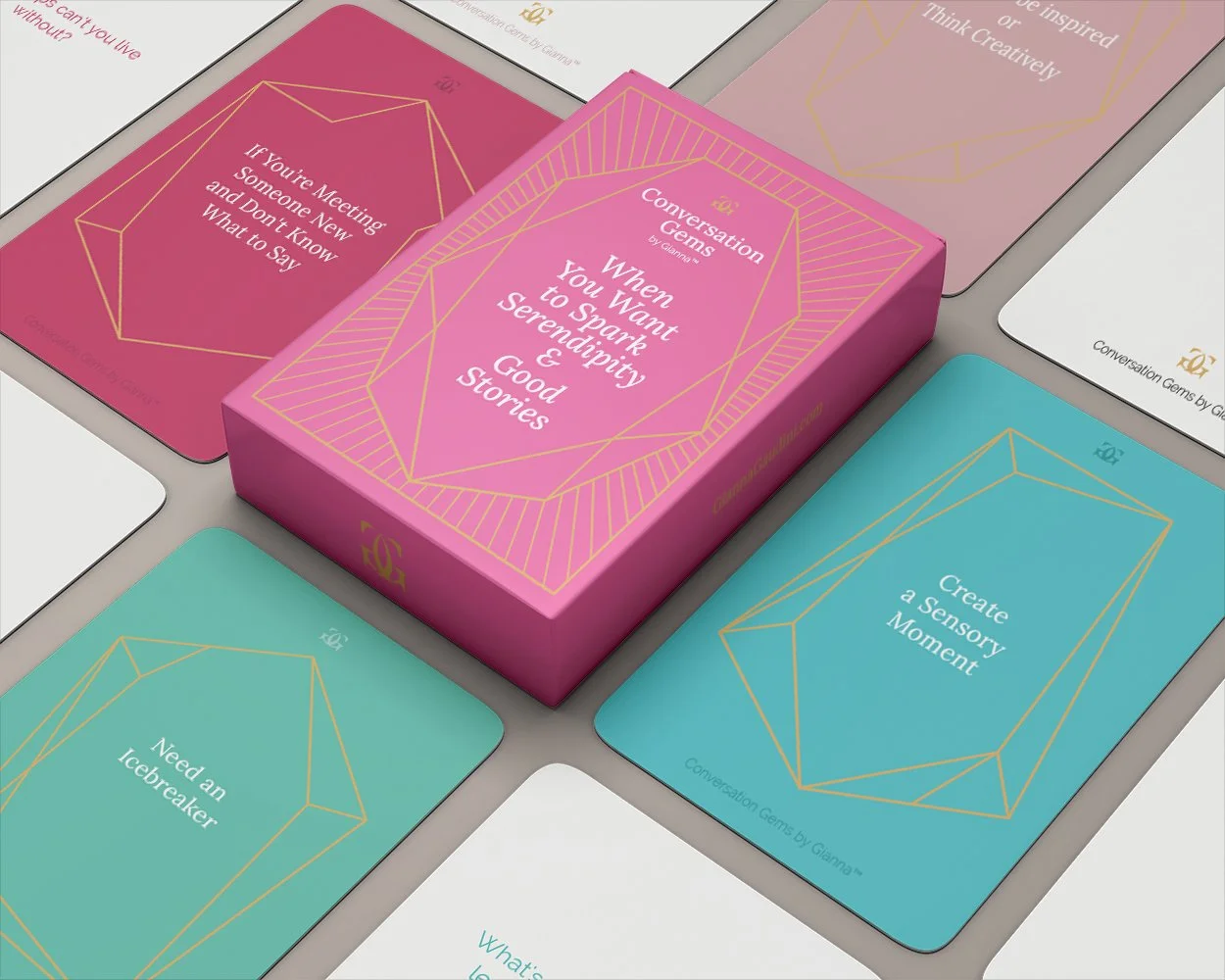
Conversation Gems come in two themed decks: Spark Serendipity & Good Stories and Deeper Connection, Surprise & Delight. They're available now for pre-order and start shipping in late October, just in time for the holiday season (hello, hostess gifts, social lubricant, offsite help and stocking stuffers).
Grab yours now, as there's always a chance supply runs out.
Tell me your stories! Message me about how you've used your cards for a chance to be featured in a future Gianna's Gem or to receive a bonus gift.
What I'm Obsessed With This Week: ImmersionLive by Paul Zak
As event pros, we've all been there: the event wraps, the surveys come back, and we're still left wondering what actually landed? That's why I'm so excited about ImmersionLive from Immersion Neuroscience.
I met with Paul Zak on Friday, and he’s one of the most brilliant and magnetic humans I’ve spoken with - what a gift! I'm thrilled to be demoing the product, because it finally gives us real proof of what resonates with attendees. Their tagline says it all: "Your guests can't tell you what worked. Their brains can."
Here's what caught my attention:
It measures what people value, not what they say. Guests wear a common fitness wristband, and ImmersionLive translates their signals into two scores: Value (how much the brain rewards each moment) and Safety (how comfortable and at ease they feel). Both are tracked second by second, across every person in the room. No surveys, no cameras, no screens.
It solves the post-event survey problem. Our memories really only hold onto the peak and the end of an experience, so traditional surveys and NPS scores give us a fuzzy, distorted picture. ImmersionLive captures the whole journey in real time, so you can tie every peak and dip directly to your run-of-show.
It tells you what to fix. Their AI surfaces the three highest-impact changes to make before your next event, and you can see which audience segments loved it and who tuned out. Every event makes the next one smarter.
The science is legit. Paul created the field of neuroeconomics, is the most-cited scientist in consumer neuroscience, and is a four-time bestselling author. His team has spent about 25 years on this research, and it was independently replicated as part of DARPA-funded work. Read more about the science here.
It's privacy-first and easy. The system doesn't store or transmit health or neural data, and participation is opt-in and anonymous. No engineers, integrations, or hardware installs. If you can hand someone a wristband, you can run it.
For anyone who has ever had to justify an event to a CFO (hi, past Gem!), this is a game-changer. Want to see it in action? Book a demo here, and tell them Gianna sent you!
Grazie mile!
Gianna
Want to design experiences with more intention, personalisation and delight?
Book a 15 - 60 minute consulting call here on INTRO: intro.co/GiannaGaudini
Gianna's Gem Sexy Property Spotlight: Appellation Healdsburg
Gianna's Gem Sexy Property Spotlight: Appellation Healdsburg
Where a Chef's Kitchen Table Meets Wine Country Hospitality and a few details that could make it legendary
Every once in a while, a new property opens and you can feel it's going to change the conversation. Appellation Healdsburg is one of those. It's the flagship of a culinary-first hospitality brand co-founded by Michelin-starred chef Charlie Palmer and Christopher Hunsberger, a 30-year Four Seasons veteran and its former president of North America. A chef who understands what makes a table unforgettable and a hotelier schooled in service at the highest level is a pedigree worth paying attention to.
The industry is paying attention too. Less than a year after opening, the property was named the top resort in California and the continental U.S. in Travel + Leisure's World's Best Awards readers' survey. After spending time on property, my rating is 9/10: a great property with a lot of potential, and a few areas of opportunity that could take it to the next levell.
The Setting: Sense of Place, Done Beautifully
The 108-room resort sits on 8.5 acres near the convergence of the Alexander, Dry Creek and Russian River valleys. It was designed with architect John Hill and EDG Design and is spread across two distinct neighborhoods.
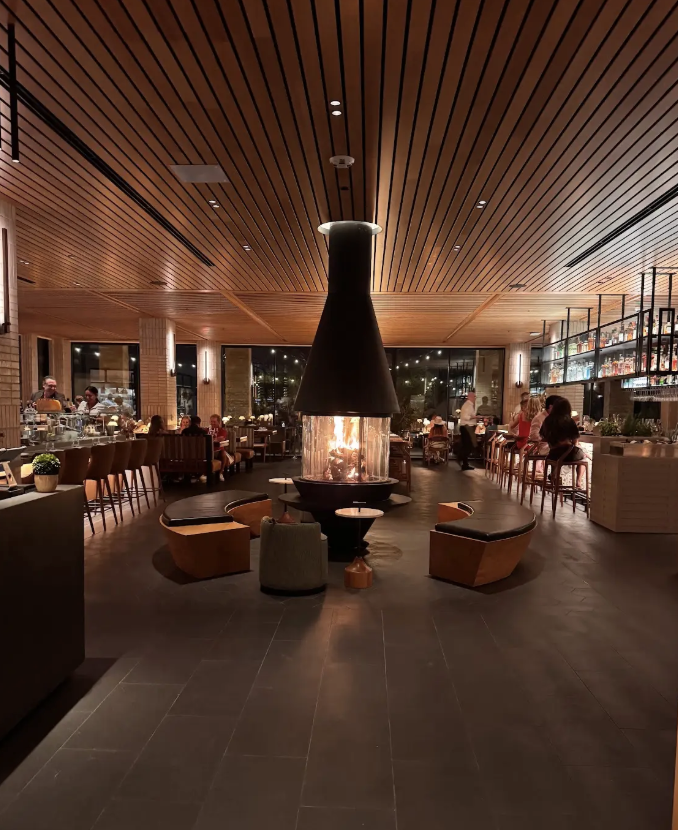
The design is gorgeous. Natural wood is everywhere, from the chairs to the stone to a dining table carved from a large slice of a tree. Fire pits are scattered across the grounds, art is around every corner, curated by Aerena Galleries (which you read about in my Auberge du Soleil review), vegetable gardens and fruit trees remind you where you are. Even check-in happens at a butcher block-inspired desk inside the restaurant, with fresh baked blackberry crumble cake and botanical beverages or sparkling wine greet you subtly rather than the typical austere check in counter. Paired with Palmer's own vision for the brand, where walking in feels like walking into someone's kitchen, it sets the tone immediately: this is a food-first hotel and it feels more like you’re being hosted in someone’s country estate than a hotel chain.
The Rooms: Where Special Occasions Belong
Because it was our anniversary, we enjoyed the first evening there in an expansive, luxurious vineyard-view suite with two balconies overlooking the property, a serene soaking tub, and that stunning tree-slice dining table with interior design elements that felt bth local and elevated. It's the kind of space that's perfect for a milestone family celebration or for hosting executives and small corporate gatherings. A thoughtful touch: in-room pour-over coffee. (Imagine it paired with a little local honey and home-grown fruit as an amenityl.) Our second room was smaller but still high quality, well-appointed, and had a lovely outdoor patio.
The Culinary Star of teh property: Folia by Charlie Palmer
The food at Folia Bar & Kitchen, Palmer's 204-seat signature restaurant, highlights seasonal produce, pastas, roasts and sourdough breads. The food was next level, but it's the service and details that stayed with me. My favorite: a drawer built into every table where you choose your own silverware in assorted sizes. As a petite person who always asks for a smaller fork, I could have hugged whoever thought of it. Don’t miss the pork dish, the bread or the basque cheesecake - my husband described them as “the best he’s ever had” and that says a lot from an Italian.
The garden-to-table story is real, too. The kitchen uses the property's own garden for a tomato salad and herbs in dishes, and I loved it. Lunch was good, though the offerings were limited. I plucked some fresh herbs and ripe tomatoes to enhance my salad which elevated it (and a trick I often use at tables as centerpieces for people to adorn and season their lunches).
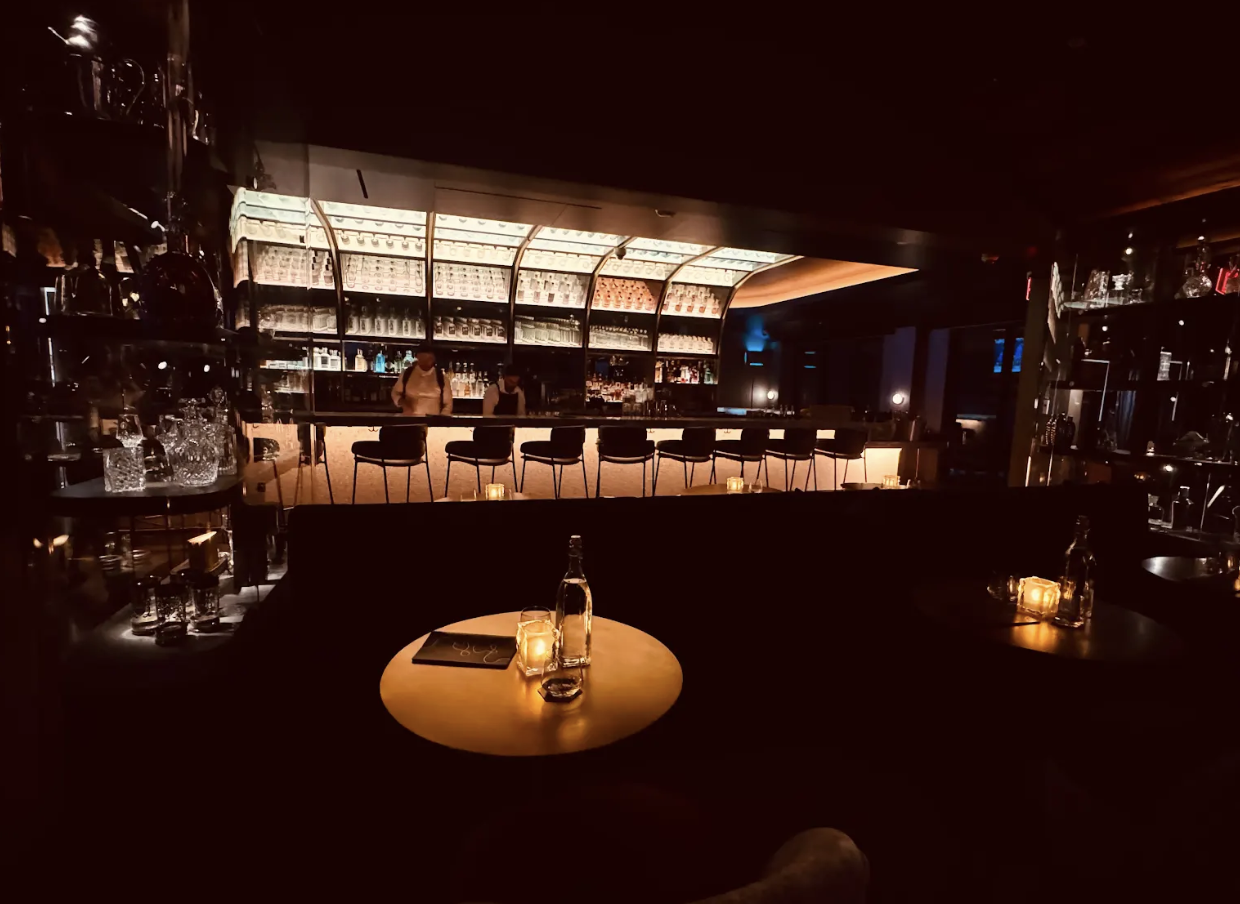
Upstairs, Andys Beeline Rooftop is a "nighttime hideaway" Palmer hopes will also become a sunset cocktail destination. The Beeline is a sexy lounge, a perfect "easter egg" for pre-dinner cocktails or an after-dinner party.
Event Space: A Healdsburg Standout
For planners, this is where Appellation shines. The property offers 11 distinctive venues and the largest event space downtown to date. In total it has 15,500 square feet of meeting and event space.
The Grange: A versatile indoor-outdoor, barn-inspired space with a signature exhibition kitchen designed for interactive culinary experiences. The high vaulted ceilings make it feel special, and there's a teaching kitchen here as well as in the main lobby, which makes hands-on workshops a natural fit for community events and private gatherings.
The Lawn: This adjoining al fresco space expands capacity to 500 guests, with sweeping vineyard views.
Intimate options: There are also private dining rooms within Folia and al fresco settings beneath centuries-old olive trees on the terraces.
Everything feels new, clean and spacious. Built-in lounge groupings around fire pits, bocce and casual gathering spots make the whole property feel like an oversized vacation home where people naturally congregate, which is exactly what you want for team bonding. And the bee theme carries through the property, a charming thread of continuity (although I think it could be taken even further with an in room amenity, gift shop offering, or even a honey tasting).
The Experience: Pools, Gym and Culture
There are two pools: the Foss Pool with day-use cabanas and poolside food and beverage, and the adults-only Serenity Pool. That's a smart setup for mixed groups, with one for families and one for adults. A small but clever detail is outlets by the pool chairs. The indoor/outdoor gym is lovely, and the Gallery by Aerena brings art and culture indoors and out.
Opportunities to Get from Great to Exceptional
I'm sharing these because this property is so close to being a 10, and because I want it to be an 11 because it has so much potential, especially for events.
1. Nail arrival and departure. For a hotel, these two moments are everything, and both left us feeling annoyed rather than cared for and on a milestone occasion. A critical request on my reservation was overlooked, which made my anniversary day less smooth than it should have been. The team did resolve it, but it took several hours, and I heard a similar complaint from another guest. Departure was rocky too. We waited 20 minutes for a bellman, and just as we were about to take our bags down ourselves, the valet ran up to help. That's a classic sign of short staffing (the valet was doubling as the bellhop). The property needs about twice the hands it has. The good news: when a hotel gets a problem fixed well, guests are more likely to refer, so this is very fixable and I would still return to the property myself, especially if it implements some of these small tweaks.
2. Bring the sense of place home. Bees are everywhere, but honey isn't. An in-room honey amenity, with jars to take home, would be a perfect fit to remember the property or give as a gift. There's no gift shop, which is a missed opportunity for a hotel built on sense of place. Charging for Folia's fabulous bread, when it could be a gift at check-out or something guests can buy on their way out, feels like a miss. Local honey, fruit, herbs and even some Charlie Palmer merch (or a home made bag of granola) would extend the memory well beyond the stay. It's instant goodwill, and you don't want guests to miss it.
3. Elevate the pool and gym and food offerings beyond Folia. The pool menu was thin (a few sandwiches, no salads) and could use better ambiance and water service (no ice, hard to self serve). For a sexy property the adult only pool was the least sexy part of the property and this could be changed with some simple textiles, playlist, pool floats and surprise and delight moments for guests. A sauna or plunge pool would round out the wellness experience. The Lobby could benefit from a proper coffee bar, snack/picnic options (maybe an elevated Charlie Palmer prepared picnic), for guests heading out to wine country. Water service at the pool and gym could be a signature moment, with herbs and citrus from the garden for a real taste of place.
Gianna's 9/10 Rating
Appellation Healdsburg has the pedigree, the design, the food and the event space to become one of Sonoma country's defining properties. With sharper arrival and departure, more hands on deck, and a few "take the place home with you" surprise and delight touches, this can easily make it to a 10.
A property with this much heart is worth watching. Go now, before everyone else does.
Want to design experiences with more intention, personalisation and delight?
Book a 15 - 60 minute consulting call here on INTRO: intro.co/GiannaGaudini
Gianna’s Gem - Small Talk is Canceled
Hi there!
As you know from my past Gianna’s Gems, I've used conversation cards everywhere - corporate events, team offsites, family dinners, date nights, birthday parties, you name it. Every time, the same thing happens: people put their phones down, lean in, engage, and the conversation goes somewhere different and might I say…delightful.
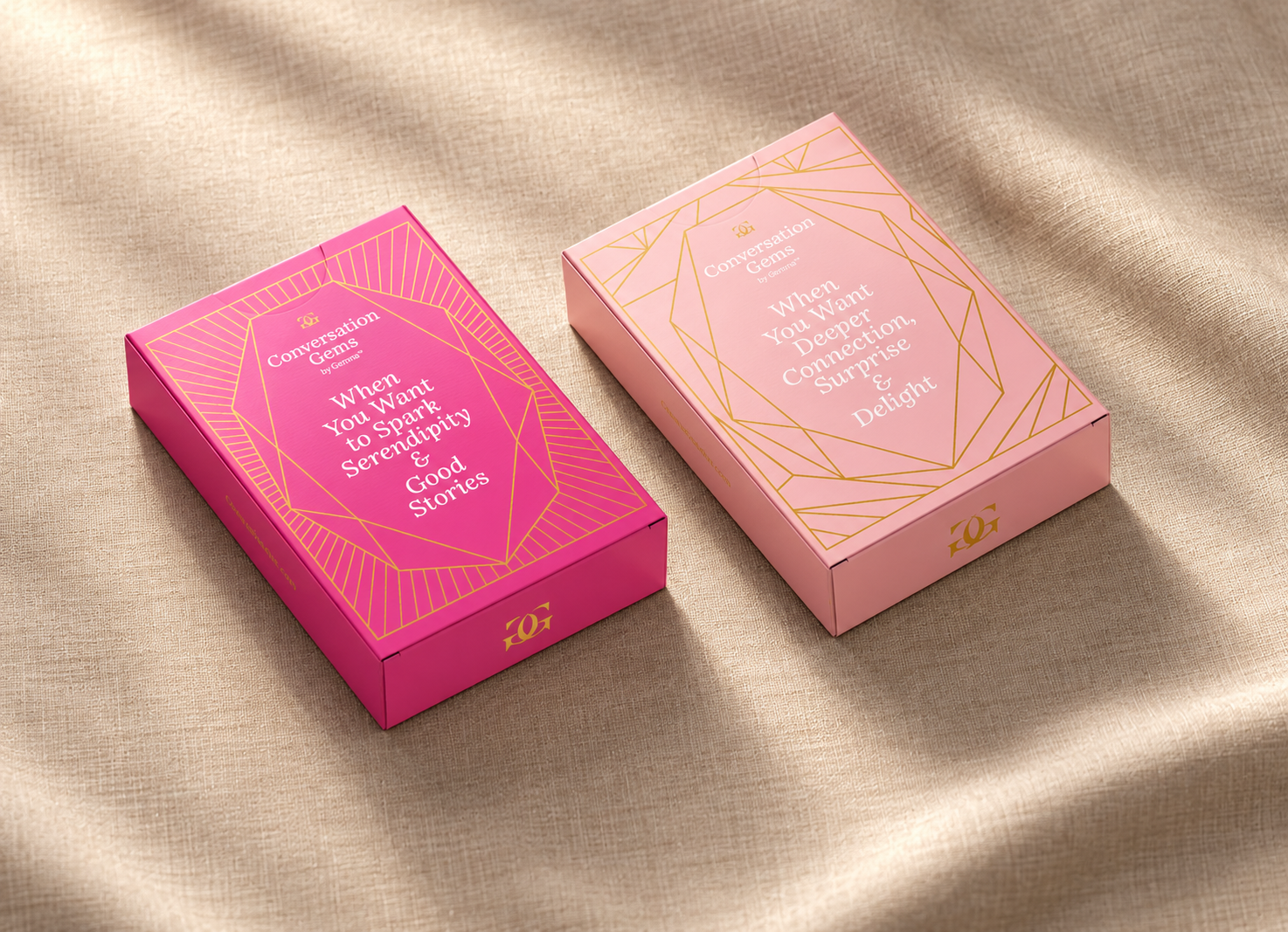
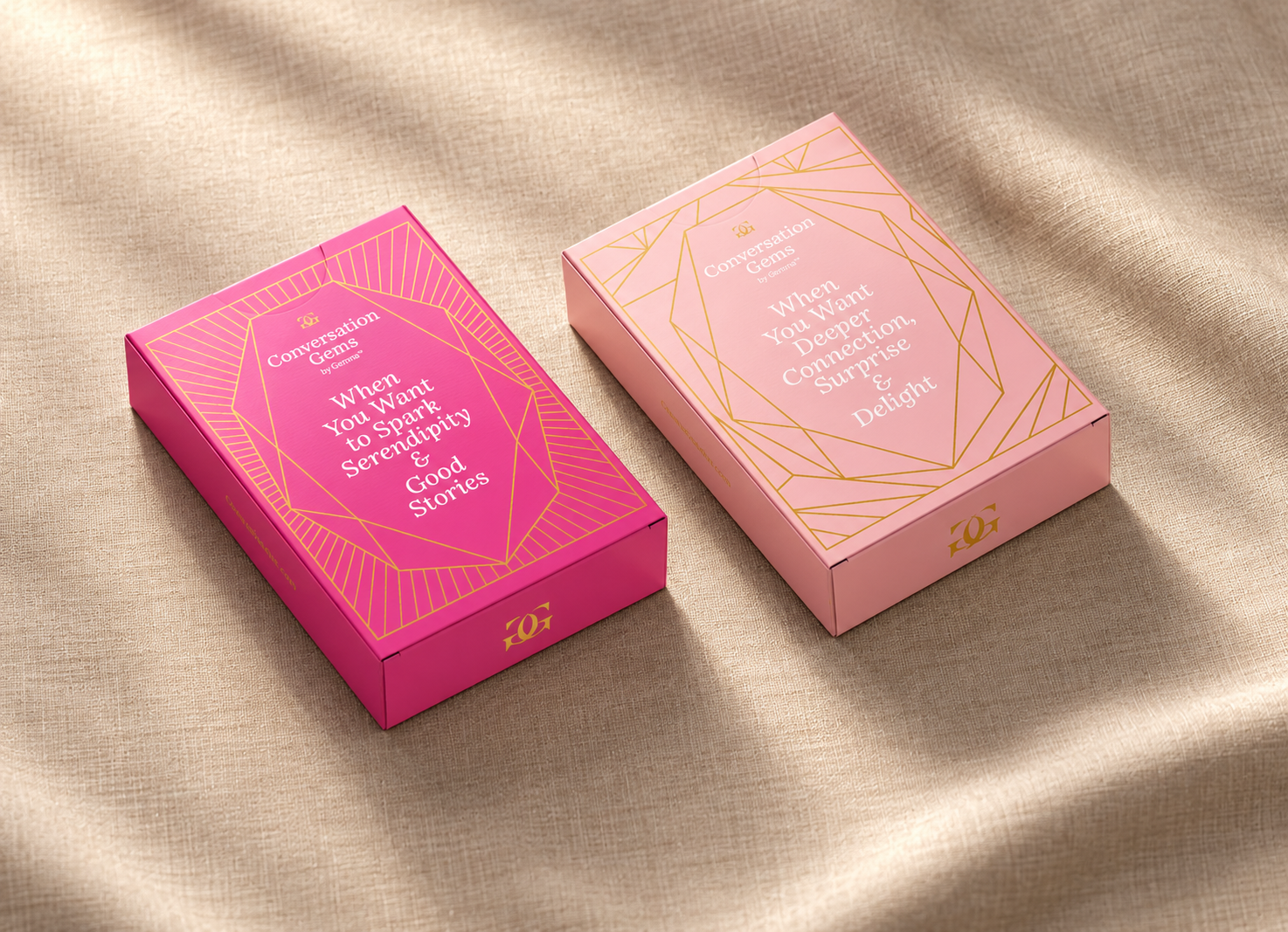
So to accompany my upcoming TED Talk in 2027, “Your Life is The Event, Make Sure it’s Worth Attending”, I decided to create my own set: Conversation Gems. These color-coded cards designed for specific situations to spark the kind of conversations you actually remember, wherever you are and whoever you're with.
Whether you're meeting someone new or catching up with someone you've known forever, these cards help you skip the small talk and get straight to the good stuff. Shuffle and pick at random, let each person choose their own card, or flip through until one catches your eye - there's no wrong way to use them. Each card is color-coded by theme on the back, so you can always find the right question for the moment.
There are two decks to choose from:
Deck 1 - Spark Serendipity & Good Stories (60 cards)
For meeting someone new, breaking the ice, telling a great story, or keeping dinner conversation going.
Deck 2 - Deeper Connection, Surprise & Delight (50 cards)
For the conversations that go a little deeper - emotional connection, presence, and small daily moments of delight.
I keep a deck in my bag for dinners and parties, and another in my carry-on for flights. I’ve found some of the best conversations happen when you least expect them, and I wanted these cards to be ready for that. Heck, sometimes I even sign my name on them and they make a memorable takeaway that’s more unique than a traditional business card.
Pre-order now and get:
Discounted pre-order pricing
A free bonus deck - for the first 100 people to order
Grab yours now or email me for bulk order requests for your fall events and gifting.
Can't wait for you to try them!
XX,
Gianna
Need to Chat? Here's how to get started:
👉 Book a 30-minute discovery call with me: Request here.
👉 Request an Event or Experience Audit (limited spots per quarter): Request here.
👉 Book a 15 - 60 minute consulting call here on INTRO: intro.co/GiannaGaudini
Gianna's Glimmer: What An Evil Latin Teacher's Memorable Approach Can Teach Us About Planning Events
Hi there,
Quick one this week (that's what a Glimmer is - a smaller sparkle of a Gem that provides a glimmer of inspiration!).
I'm deep in prep for my upcoming TED talk, "Your Life is The Event - Make Sure It's Worth Attending," and between now and the stage, I'll be sharing little tidbits and real-life examples of what it looks like to plan your life as intentionally as you'd plan an event. Today's proof point came from my kid’s mouth at my own kitchen table…on a regular Monday.
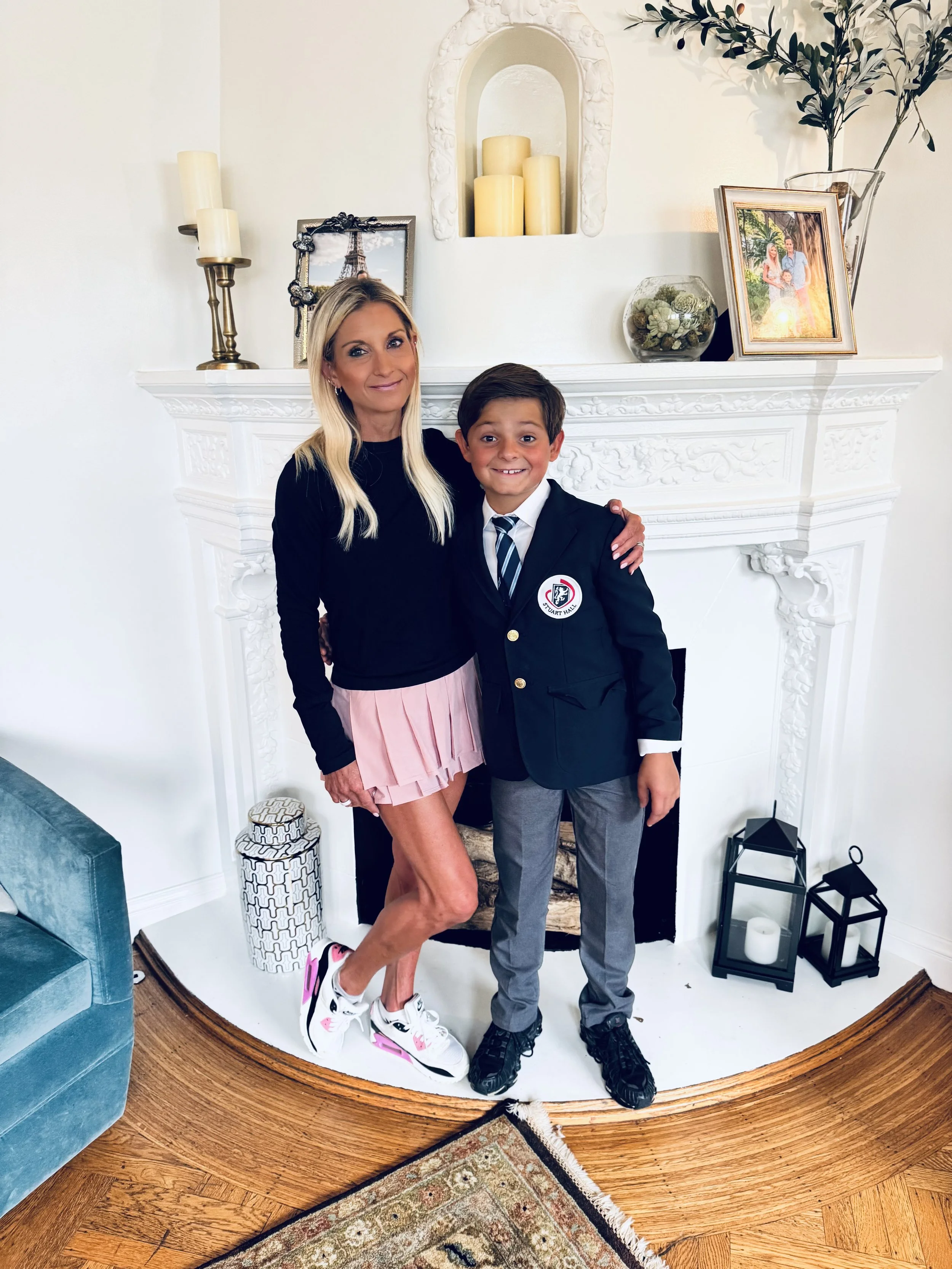
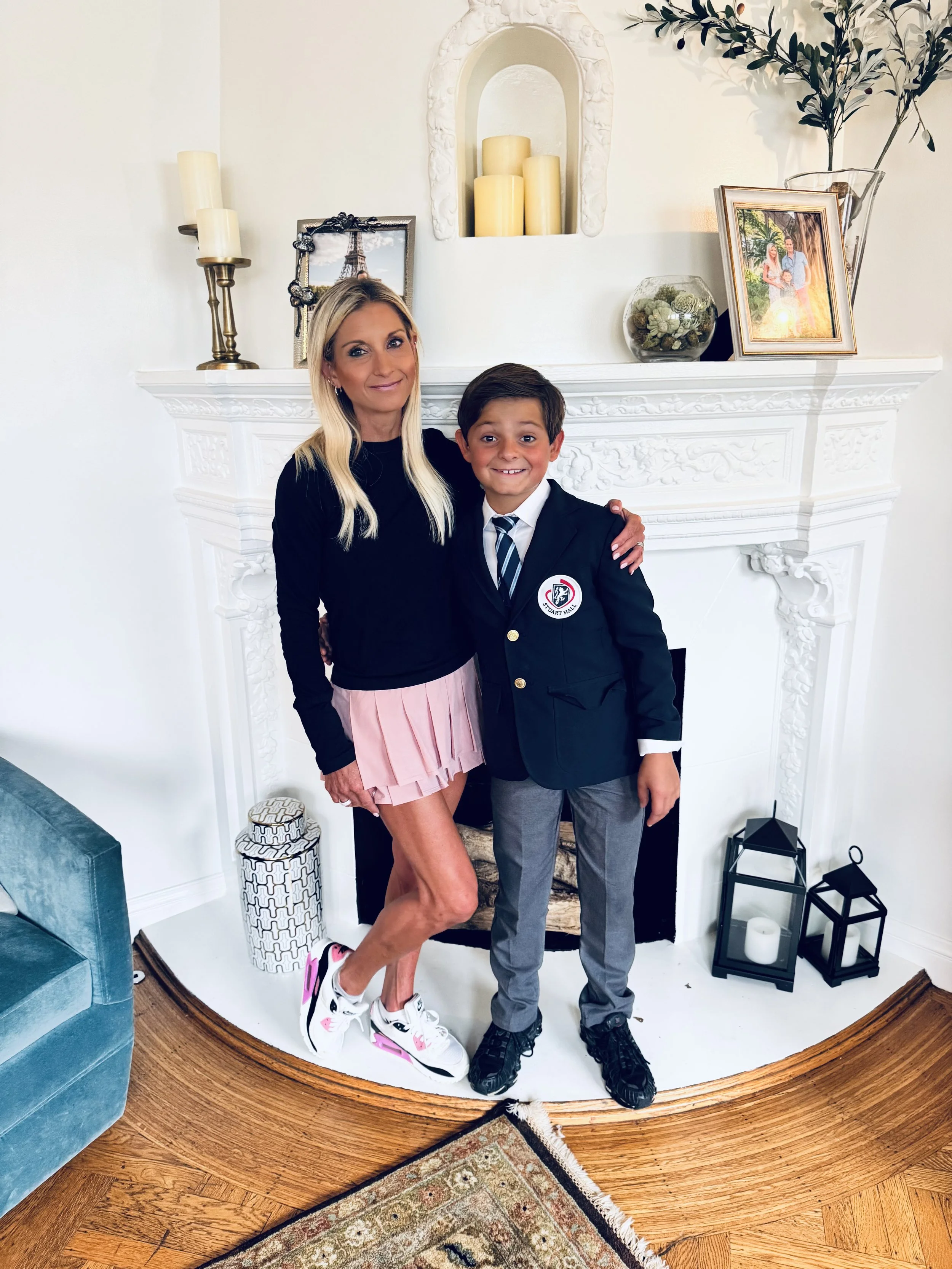
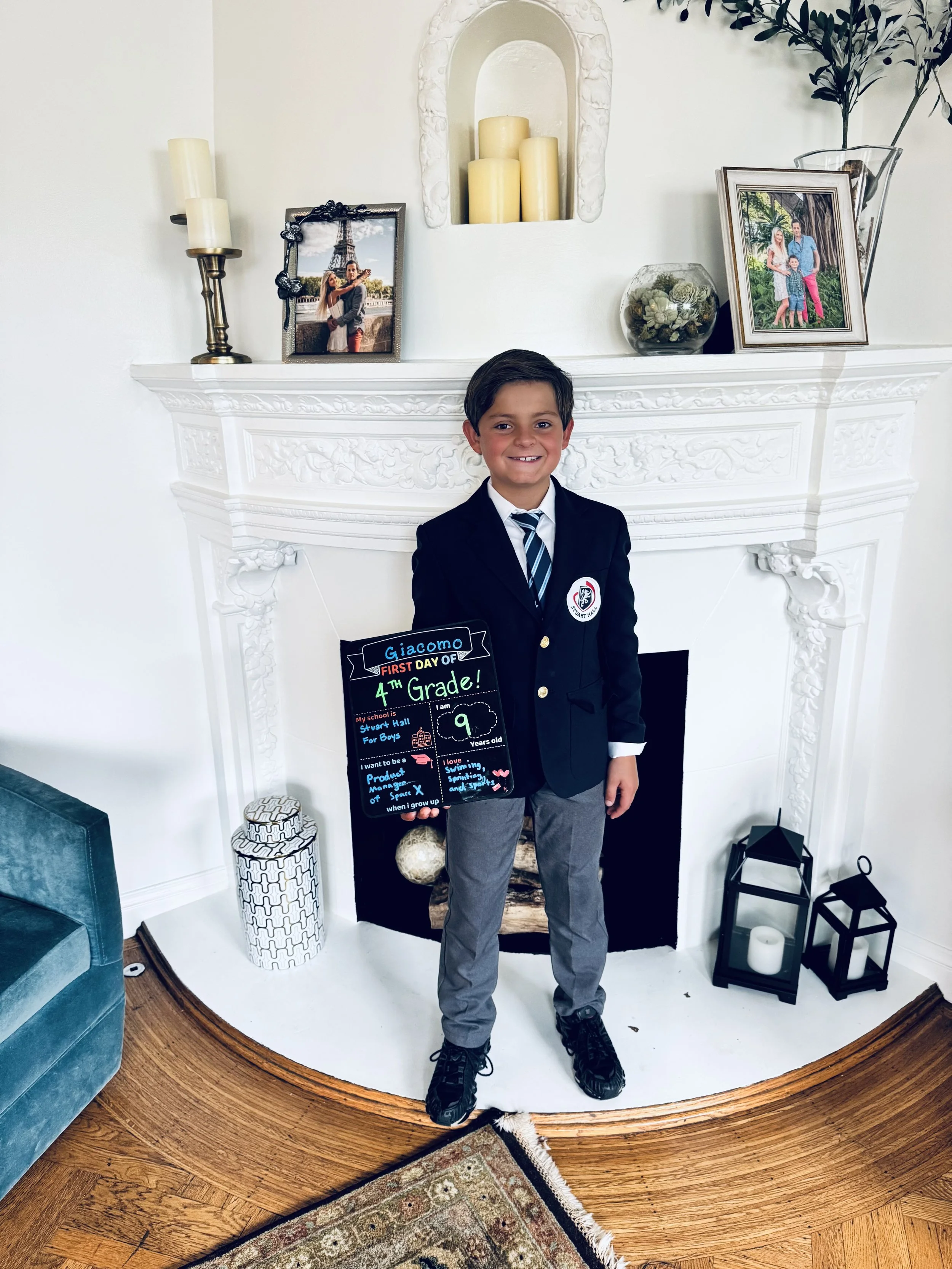
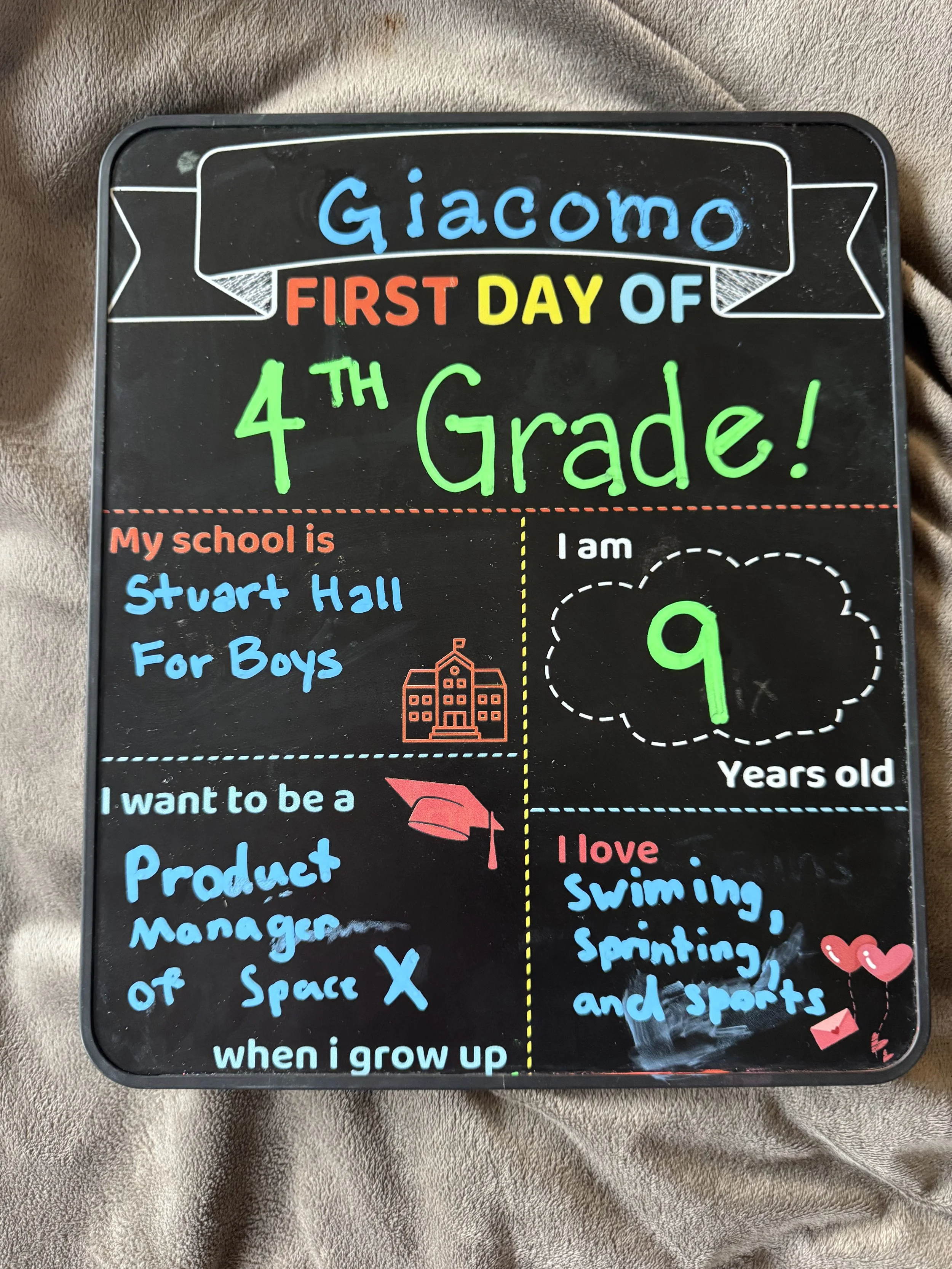
My son just started 4th grade at Stuart Hall for Boys here in San Francisco, and I asked him the question I always ask: what was your most memorable class this week? Without hesitating, he said Latin. (Latin. Huge shock, I know.)
So I did what I do - I probed with my favorite W-ord… “why”? And here was his surprising answer:
She calls herself "the evil Latin teacher." Unexpected, a little provocative, and it works — it grabs attention immediately and keeps kids (and apparently me, since I remembered her from our pre-K school tour years ago) wondering what "evil" even means. In an otherwise conservative Catholic school, she stood out as refreshingly different.
The chairs. They spin, they recline, they're actually comfortable. My son raved about furniture - which made me laugh, because it's exactly the instinct behind custom chairs I've built for events with chargers built right into them, or bringing in truckloads of soft-seating, throw pillows and even blankets to create an “oversize living room feel” rather than a sterile general session. Small physical comfort details signal "we thought about you," and people notice, relax and engage more deeply.
Study breaks built around curiosity. Her classroom is full of interesting objects, and when kids ask about them, it always leads to a story. This is basically my pro tip in miniature: story is what makes an experience stick, not the facts around it.
Everyone gets a job. Scribe, zookeeper, timekeeper, and other roles I'm sure I haven't heard about yet but will learn at back to school night. This is co-creation 101 - when people have a role in the experience, they're invested in it, and engaged not just attending it as a passive audience member.
They write everything by hand. No shortcuts, no typing. When I asked if she has some special teaching method to make Latin stick, my son said no - she just makes them handwrite it all. Which lines up exactly with what I tell people about reading analog books and journaling by hand: the friction is the point. It's what makes memory and intention actually take hold. And anyone who knows me knows I give away a logo’d moleskin journal at every event for those handwritten notes.
Gianna's Glimmer: The most memorable experiences rarely come from the subject matter itself - they come from the details, the story, the comfort, and the sense that everyone has a role to play. In other words - you remember the experience and how it made you feel.
More on this (and the TED talk) soon!
Keep shining,
Gianna
If Events Overwhelm You…Try This Solution
If you've talked to me for more than five minutes about events, you've probably asked me some version of these questions: What even is a Fractional Head of Events? Who actually needs one? What stage should a company be at before hiring one? And how is this different from just hiring a contractor, an agency, or a full-time employee?
Fair questions - and ones I get asked constantly. So let's settle it once and for all. Here's the overview, the downlow, the whole deal.
Let’s start with some #realtalk: events aren't just a brand moment. They're one of the most powerful tools in your marketing mix to build trust, drive pipeline, and deepen customer loyalty.
In fact, they're the #1 marketing channel for both ROI and building trust. But they're also high stakes, and without the right strategy, "events" quietly becomes "expensive guesswork."
The solution is a fractional event leader to curate the inputs and guide your decisions so you approach your events with relief rather than risk.
Here's what I’ve observed most companies are missing: a fractional head of events does something no AI, freelancer, or junior planner, producer or ops team member can do.
They curate the overwhelming amount of advice and information out there and actually make the calls:
Which agencies deserve a seat at the table and when to RFP new ones
What your event portfolio strategy should look like split between owned and third party hosted events
Where to spend and where to cut budget
When it's the right moment to host a user conference and what to do before that to build your event muscle as a company
They can tap into relationships and experience built over decades that open doors and get senior attendees in the room. That's not a prompt you can write. That's not a job you can post for $28/hour. That's judgment that comes from years of anecdotal experience.
Gianna’s Gem: You wouldn't hand your CFO position to an intern. Why trust your brand's biggest external moments to anyone but an expert?
What's a Fractional Executive Anyways?
By now, most business leaders know the model. Senior-level experts who plug into your business part-time to fill high-impact roles. Think Fractional CMO, CFO, COO, Head of People. You get C-suite strategy without the full-time cost or the long ramp-up.
As many as 70% of early stage companies now have a fractional team member.
Fractional leaders get brought in when:
You need experienced leadership without adding another headcount
You're scaling fast and need expertise now
You've got a high-priority initiative and need someone to own it
But somehow, events, despite being one of the largest line items in many marketing budgets, often 35% or more, have rarely had a seat at that same strategic table.
That's a mistake. And it's costing companies time, budget, and business.
Enter the Fractional Head of Events:
In 2023, I launched a service I had rarely seen offered: Fractional Head of Events. I built it because I kept observing the same problem. Companies were investing six and seven figures in events without any senior strategic leadership in the mix...and then coming to me to fix everything when they weren’t performing.
Either a junior coordinator was expected to figure it out, or an already-slammed marketing lead was moonlighting as an event expert. There was too much to do, no strategic direction, no way to measure what was working and no brand consistency.
Spoiler: that doesn't work.
A Fractional Head of Events is a senior event executive who joins your team part-time or project-based, bringing decades of lived expertise, executive-level thinking, and a real strategy lens without adding a full-time salary of a C-Suite member and benefits to your org chart.
Why Companies Are Cluing into the Fractional Head of Events
1. Events are your #1 trust and ROI builder. Since 2022, events have ranked as the top-performing marketing channel for both return on investment and building trust with customers (Freeman Trends Report, 2023). If you're investing in them, they need to deliver measurable impact, not just good vibes and instagram photos.
2. The experience gap is real. 70% of live events industry jobs have turned over in the last 3–4 years (Julius Solaris Research, 2024). That means most of the people running your events are new to their company, new to the role, new to events, or all three. A fractional leader brings steady leadership, mentorship, and structure so nothing gets dropped and your brand doesn't take the hit.
3. Strategy and execution/logistics are not the same thing. Anyone can book a ballroom and plan a menu with reasonable success. Aligning your events to pipeline goals, sales cycles, brand experience, and complex brand goals? That takes real expertise. A fractional event leader brings both the vision and the execution.
4. You've got a high-stakes event and zero margin for error. Launching a customer conference, a product launch, an executive dinner? These aren't "learn as you go" moments. A fractional event leader steps in fast, builds the plan, leads the team, and protects the outcome.
5. You're growing, but not ready for a full-time head. Not every org is ready to add a VP or Head of Events. Fractional gets you executive-level leadership, scaled to your stage and budget.
Gianna’s Gem: The value of a fractional leader isn't just strategy on paper it's decades of relationships that get the right people in the room. Anyone can send an invite. Not everyone can get a senior exec to actually show up.
Who Should Be Hiring a Fractional Head of Events?
You'll benefit from one if you're:
A marketing leader drowning in demand gen while also being asked to run events
A founder or CEO who wants to create a major moment for customers, partners, or prospects, but doesn't have the internal bandwidth to pull it off
A lean event team that needs seasoned backup, mentorship, and air cover
A VC- or PE-backed brand that needs to scale experiential quickly and smartly
A company in healthcare, fintech, or SaaS, where compliance, trust, and reputation are mission-critical
A company who is ready to grow their events function but doesn’t know how to build a proper event portfolio, or secure the right agency partners, budget and cross-functional team structure
But Does It Work?
Yes. Here's one example: an ai client brought me on with just one event on their calendar (AWS reInvent) to execute that flawlessly and build out the rest if the year’s event portfolio. During that engagement, we:
Had a 200% ROI from the first event, closing over ten major deals
Improved client retention rates from 75% to 95%
Landed a $100K deal out of one curated customer dinner
Cut waste while elevating the experience for top-tier customers
Grew new logos by 150%
Landed the most premiere lounge space to activate at Google Cloud Next
Launched out own User Conference for 1000 people within 7 months
Got acquired by Google just 9 months after I started there.
Their words, not mine: "This was not just an event. This was an EXPERIENCE that they will never remember, and serves as an extension of how we’ll treat them as a client" Their Chief Growth Officer got it.
So…what’s stopping you?
The Fractional Head of Events model is still new, but it's taking off. Events are too important to be led by someone without experience, and too expensive to get wrong..
Ready to explore? Here's how to get started:
👉 Book a 30-minute discovery call with me: Request here.
👉 Request a discounted Event Audit (limited spots per quarter): Request here.
Things I'm Loving This Week: The Essence Experience
I’m obsessed with an event I attended last week at The Battery called The Essence Experience: The Power of Perspective, a workshop led by Michael Tertes. It was unlike anything I've experienced there before.
I've been a founding member at The Battery for 11 years, and in that time I've been to more events than I can count. It takes a lot to genuinely pull me in these days. This one did, even though I admit I was a bit terrified about what to expect. I was so engaged, so captivated, so deeply moved, that I reached out to Michael directly afterward. We met for coffee at The Battery to keep the conversation going, and it was an absolute delight.
What made this event so different? It wasn’t the budget, or any “sizzle”.
Most "know yourself" work asks us to look inward - to examine our intentions, our efforts, our hopes, the stories we tell ourselves. Michael flips that. He asks: how are we experienced by others, and how do we experience others? And then he holds that question up against our inner beliefs about ourselves - and about each other.
Here's the line that's stayed with me since the workshop:
Every person you've ever met knows something about you that you don't - not because they know you better, but because they know what it's like to be with you.
Most of us spend our lives asking:
Why have I been successful?
What makes me different?
What don't I know about myself that's important to know?
We tend to search for those answers inward. But there's another force shaping every relationship, every conversation, every opportunity we've ever had: the experience other people have of us.
The Essence Experience starts from a different place entirely: what if understanding ourselves begins with how we're experienced by others?
Through a series of thoughtfully designed exercises, we practiced receiving observations with curiosity, noticed the patterns across different people's perspectives, and learned the qualities that have been shaping our lives all along. It was deeply powerful and left me with so many insights and also a newfound curiosity about everyone I encounter.
If this resonates and you'd love to bring this experience to your own organization, let me know - I'd be happy to personally make an introduction to Michael.
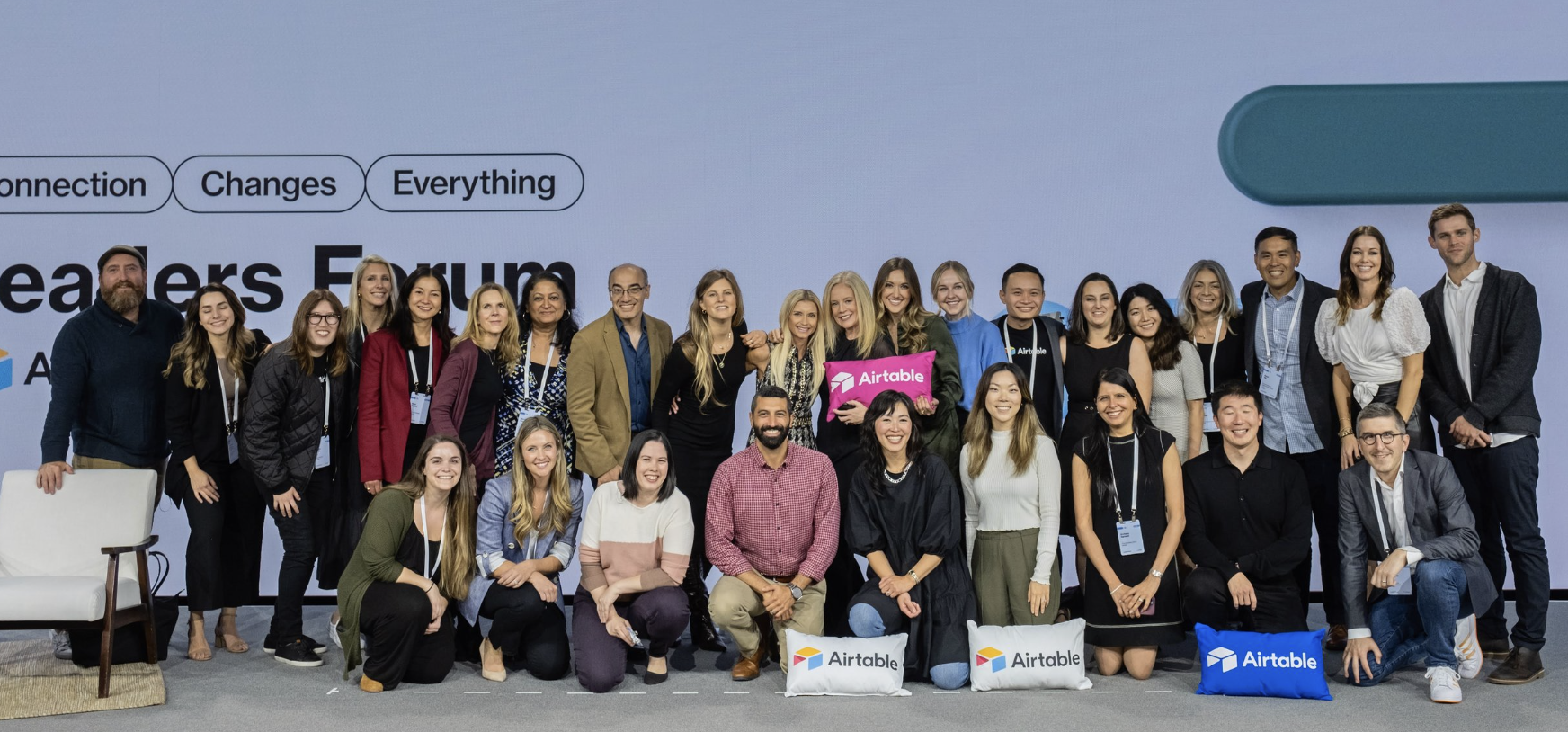
Gianna's Gem: F-It, Ship It. Lessons from Running Events at Airtable and Windsurf
Hi there,
Last week, Airtable sold to Bending Spoons in an all-cash deal valuing the company at a little over a billion dollars, with an equity value of roughly $2.25 billion once you factor in cash on hand. Airtable was valued at over $11 billion at its 2021 peak. Do the math on that, and you'll understand why the news stopped me mid-scroll.
I was Airtable's first Global Head of Events, hired at the golden moment the company was scaling fast, pivoting from product-led growth into selling to big Enterprise, and launching an entirely new category: the connected apps platform. I fully expected pivots. I expected delayed approvals on our first major externally hosted events. That's the nature of hypergrowth, and I signed up for it with my eyes open and loved and respected every minute of the grind alongside my colleagues and leaders.
What I didn't expect, and what I still think about, is how much overthinking and conservative rather than bold decision-making crept into the approval process for initiatives like events. This apprehensiveness became deeply embedded in the culture and company’s ability to operate and execute with courage and audacity. Not because anyone was lazy or careless -quite the opposite; these were the brightest colleagues I’ve ever worked with (and I’d worked at Google, Amazon and SoftBank Vision Fund)...everyone cared enormously, which is often exactly the problem. But overanalyzing too much about avoiding a wrong move can sometimes cost you the right one. I can't help but wonder whether some of that hesitation cost us opportunities, and in the case of events the “signaling” we needed to strengthen our brand as we scaled and to have a more successful exit.
Gianna's Gem: Fear can be masked inside a company as "prudence” or "vigilance." But "let's revisit next quarter” slowness has a price tag too, and nobody puts it on the leger.
Contrast that with Windsurf (now Cognition).
I came in as fractional events lead with exactly one event on the calendar: AWS re:Invent. Within four months, we had secured the best location right in front of registration at Google Cloud Next for a bespoke Windsurf Lounge and within six months, we were designing and building our own 1,000-person user conference from scratch. No decades of institutional caution. No fifteen rounds of approvals. Just a clear-eyed, level-headed approach to taking calculated bets based on data and sentiment that the moment called for boldness, and the willingness to move. Fast. I loved the bold culture!
Open Ai announced that they were going to acquire us, but…that event didn’t happen, and neither did our Conference. But that’s because before it could happen, Google acquired the majority of Windsurf in the tech story of July 2025, and Cognition swiftly acquired the remainder within 48 hours.
Is that a coincidence? I don't think so, and I don't think it should surprise you either. A team that moves at that speed on something as visible and vulnerable as a first-ever conference is a team that's operating with conviction across the board. That kind of energy and bold audacity gets noticed. It gets acquired.
Gianna's Gem: The companies that win aren't the ones with the fewest mistakes. They're the ones with the shortest distance between "we should do this" and "we did this."
Here's my philosophy, and it's not reckless, it's disciplined, but bold and action-oriented:
Do your research. Budget responsibly. Get crystal clear on the ROI or output you actually want from your event and what absolutely cannot happen. And then, f-it, ship it already.
Gianna’s Gem: With events, there is no bad data.
You either crush it, or you learn something you couldn't have learned any other way. Both outcomes beat the alternative: losing the opportunity entirely because you were too afraid to take the swing, and spending the next year regretting it.
Because here's what a great event actually does for your business:
It’s a Signal: hosting an event at scale tells customers, industry influencers, press, analysts, and investors that your company is serious, and it builds pride internally in the company's growth trajectory.
It’s a thought leadership driver: the physical environment to show what leadership means to your company and your community.
It’s a brand personality exemplifier: the place where your brand comes alive IRL, where attendees immerse themselves in the community in a relaxed environment, and where brand impact and social sharing happen organically.
It’s an morale and momentum booster: it builds momentum heading into the year ahead.
It’s a pipeline accelerator: it can dramatically expand and accelerate customer and investment pipeline through the new ideas an event generates.
It’s a relationship builder: a demonstration of what your company stands for, built through the relationships forged between leadership, customers, partners, press, analysts, and investors.
It’s an appreciator: a genuine thank-you to the employees, customers, and champions who support the company.
It’s a feedback collector: a live feedback mechanism for needs, challenges, and honest conversation you won't get from a survey.
That's a lot of value sitting on the other side of a "yes." And the cost of not doing the event is just as real, it's just harder to see on a spreadsheet. In today's environment, agility isn't a nice-to-have. It's often the whole ballgame.
Your Challenge This Week:
Find the event (or other initiative) that's been sitting in "let's revisit it" parking lot purgatory. Get honest about what's actually driving the delay: is it a real resourcing constraint, or is it fear wearing a prudent-sounding costume? If it's the latter, do the research, set your budget, get clear on your ROI, and then give yourself permission to ship it.
If you need help overcoming your fear of hosting an event, let's talk. I'm happy to coach you through it or step in as your fractional head of events to take you to the finish line.
You've got this.
XX,
Gianna.
BONUS: I will offer one 45-minute coaching call with one reader. To be entered to be selected, email me with 1-2 sentences about where you’re stuck and what you need my help with. gianna@gaudini.com
P.s. Want to work learn more frameworks for creating the gold standard in events and experiences, negotiating, or creating better content for your events? New individual modules from my masterclass are now available at: giannagaudini.com/learn-from-me
You Can’t take it With You…and other Lessons Pat Would Have Shared with Giacomo
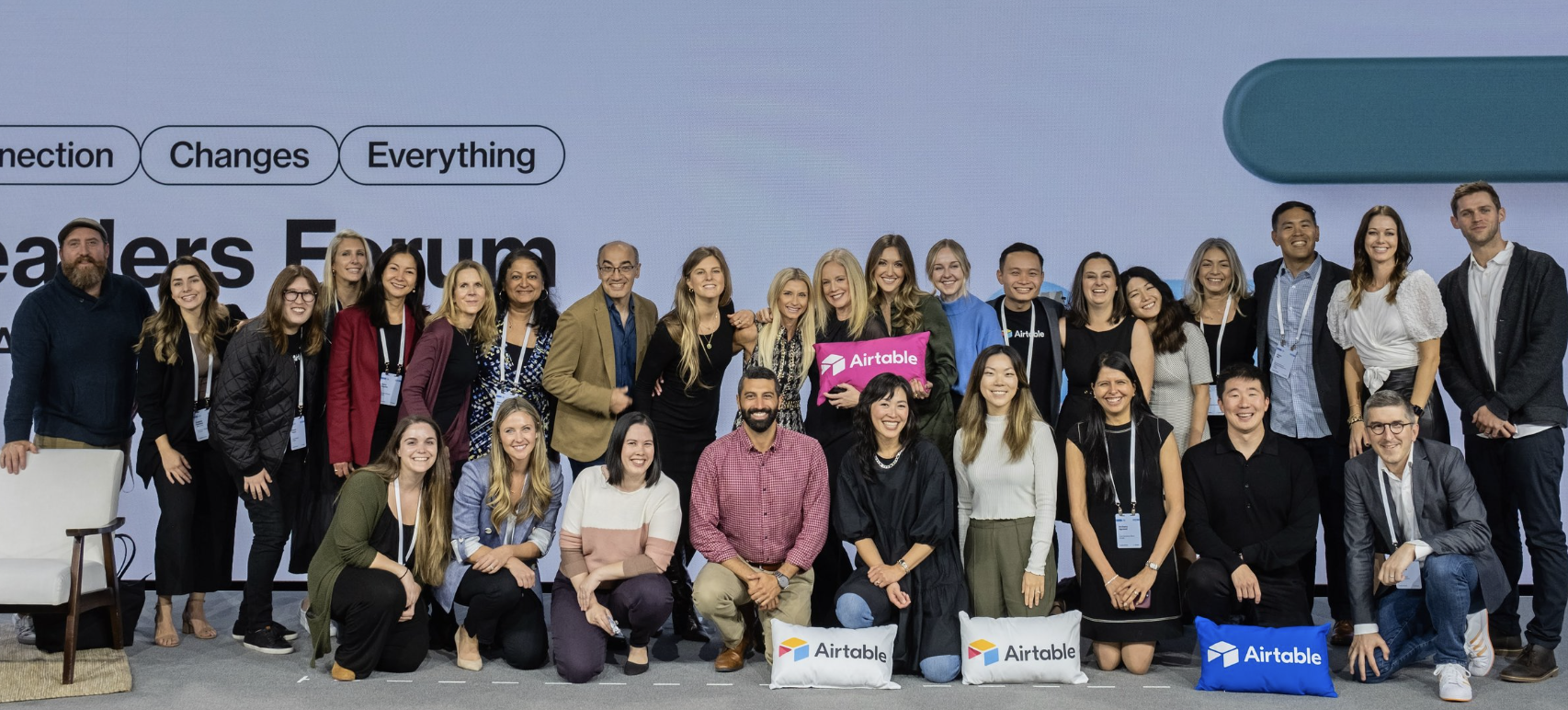
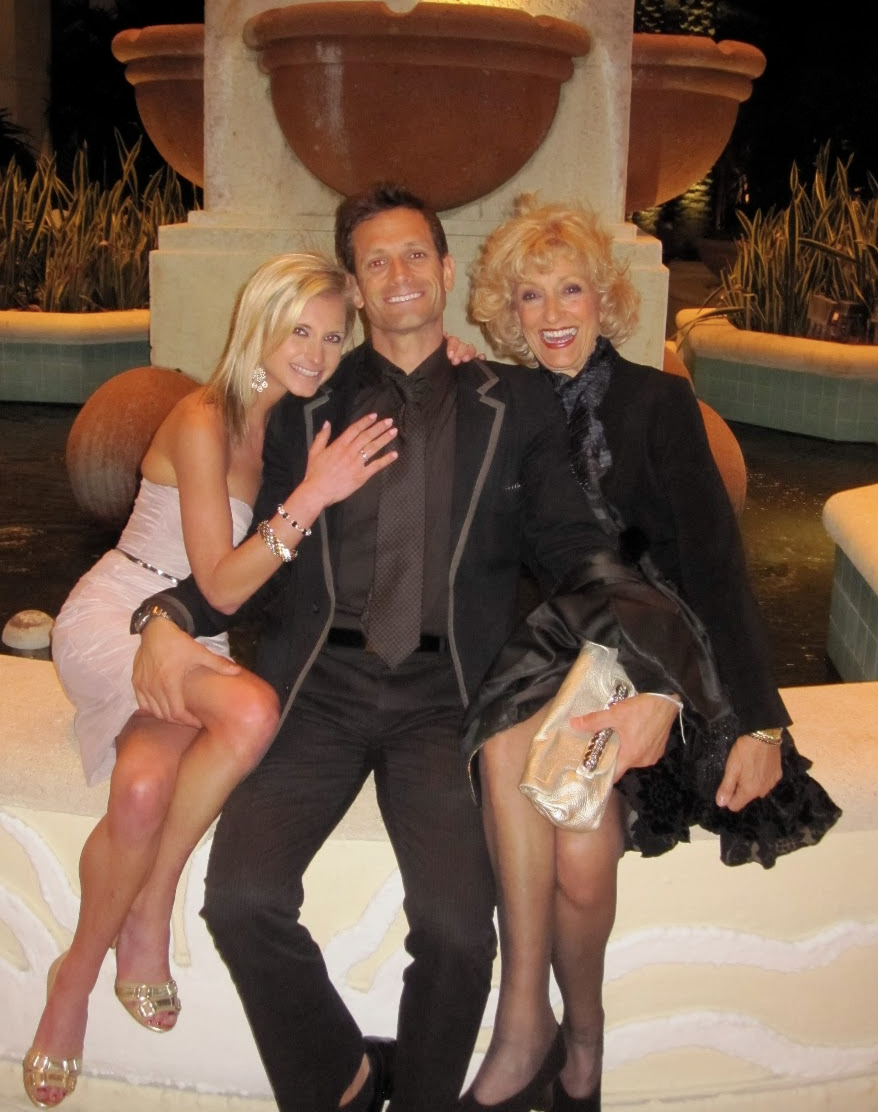
I am always highly intentional with how I personalize everything, and the why behind my intentions and actions. When my mother-in-law passed away on July 11, I wanted to eulogize her in a way that was unique to our relationship, and also in a way that I could share with my 9-year-old son as I shared the news with him. Reading it this past weekend to a room full of people wasn't easy - I was shaking like a leaf (and I never shake while speaking), but afterward, so many of them shared how touching it was, and that they wished more people could hear the lessons and live like Pat.
So in homage to my amazing, strong, beautiful, larger-than-life mother-in-law, Pat Gaudini, here are her lessons for a life well lived. Please pass them on to anyone who might benefit from a dose of her sunshine.
Lessons Pat Would Have Shared With Giacomo
My son, Giacomo, was too young for Pat to impart her life lessons on him while she still lived in California. So today, here are some lessons I want to pass down to him the way I'd envision her sharing it… and with some Patti-isms… because I think you'll recognize her in every line.
ON first impressions. Your smile is your best accessory — but whatever the occasion, you can never, ever be overdressed.
ON people. You catch more bees with honey. Simple as that. Pat never met a stranger, only a friend she hadn't yet charmed. And it doesn't cost a thing to be kind.
ON the benefit of the doubt. Make the charitable assumption. You never know what someone's carrying — so assume the best, and hand them a little grace. You might be the only sunshine in someone's whole day. Pat handed hers out like she had an endless supply. Turns out she did.
ON money. Don't be too tight with money, always carry cash, and tip generously and then some. Invest in experiences, not things. As Pat would say, "Honey, you can't take it with you."
ON who you bring home. If possible, use your mom as your wingwoman. Pat met me first, thank you very much. Not because she was nosy, but because she could sense a good partner for her son. A word of advice — maybe don't wait quite as long as your dad did, but better late than never.
ON hard work and perseverance. Look up the word grit and you'll find something like: courage and resolve; strength of character. Look up tact and you'll find: the ability to handle a difficult situation, or people, with grace. Pat had both in spades. She looked at the fur industry, decided she could do it better than the men running it, and borrowed the money to prove it. According to my sources, many of Pat's clients had this saying: "You don't ask, you don't get…" Well, she learned to be bold, and she asked and received! She ran that business for over three decades through market swings and times others would have folded. But she never did — she trusted her gut, and worked like it was nobody's business. The entrepreneur in me is inspired and motivated by her every day, and I have a feeling that hustle and grit is in Giacomo's genes too.
ON being a gentleman. Learn her favorite flower. Notice the little things, and then act on them — because thoughtfulness without action is just a nice thought. Pat was incredibly thoughtful, and passed that on to your dad. He once conspired with Pat to have a custom monogrammed Loro Piana fur coat made when we were dating. That's the bar now, Giacomo. Sorry. She set it.
ON love. Love with your whole heart. Not halfway. All the way in, every time. It's the only way Pat knew how to do it, and it's why an entire room full of people are here today, all a little heartbroken, because she loved every single one of us like we were the only person in the room.
ON your mother. Call her (that's me). Every day, if you can — even if it's just thirty seconds. Pat did, without fail. Not because there was always news, but because there's always love, and love likes to check in.
ON living la dolce vita. Spend as much time as you can in the places you love, with the people you love. Don't save it for someday. Someday is not guaranteed — but Wednesday, at lunch, with the right people, absolutely is.
ON wandering. Pick a place that calls to you, and go spend a whole month there, every single year, if you can manage it. Roots are lovely. So is knowing exactly which restaurant in Yountville has your favorite bread and chardonnay.
ON eating well. On that note — eat well: salmon, steel-cut oats, the sensible things. But never forget that wine is a food group too. Pat was healthy but had the occasional dessert. Sometimes, if it was really good, she'd whisper, "This is so good, it's a mortal sin."
ON disappointment. Don't dwell on life's little letdowns. Shrug it off, and go find the next good thing. As far as Pat was concerned, if the Eagles lost, "they were just a bunch of fugazi's"… I admit, I still don't get what that means!
ON walking into a room. Light it up like everyone in it has been waiting all day just to talk with you. Pat never entered a room quietly in her life, and every room was better and much more fun because of it.
So, Giacomo — that's the playbook. I'll do my best to fill in for her. But I hope that somewhere down the road, when you meet your wife because your smile drew her in, take a trip even though you're not sure about the cost, or call your mother just to say "I love you," you'll feel her in your heart.
She's not here to say it herself anymore. So I will, on her behalf, one last time:
"You can't take it with you, sweetheart."
So spend your life well.
In loving memory of Pat Gaudini.
https://www.danjolell.com/obituary/patricia-a-burdo-gaudini/
Giannas Gems Sexy Property Spotlight - Auberge du Soleil Napa
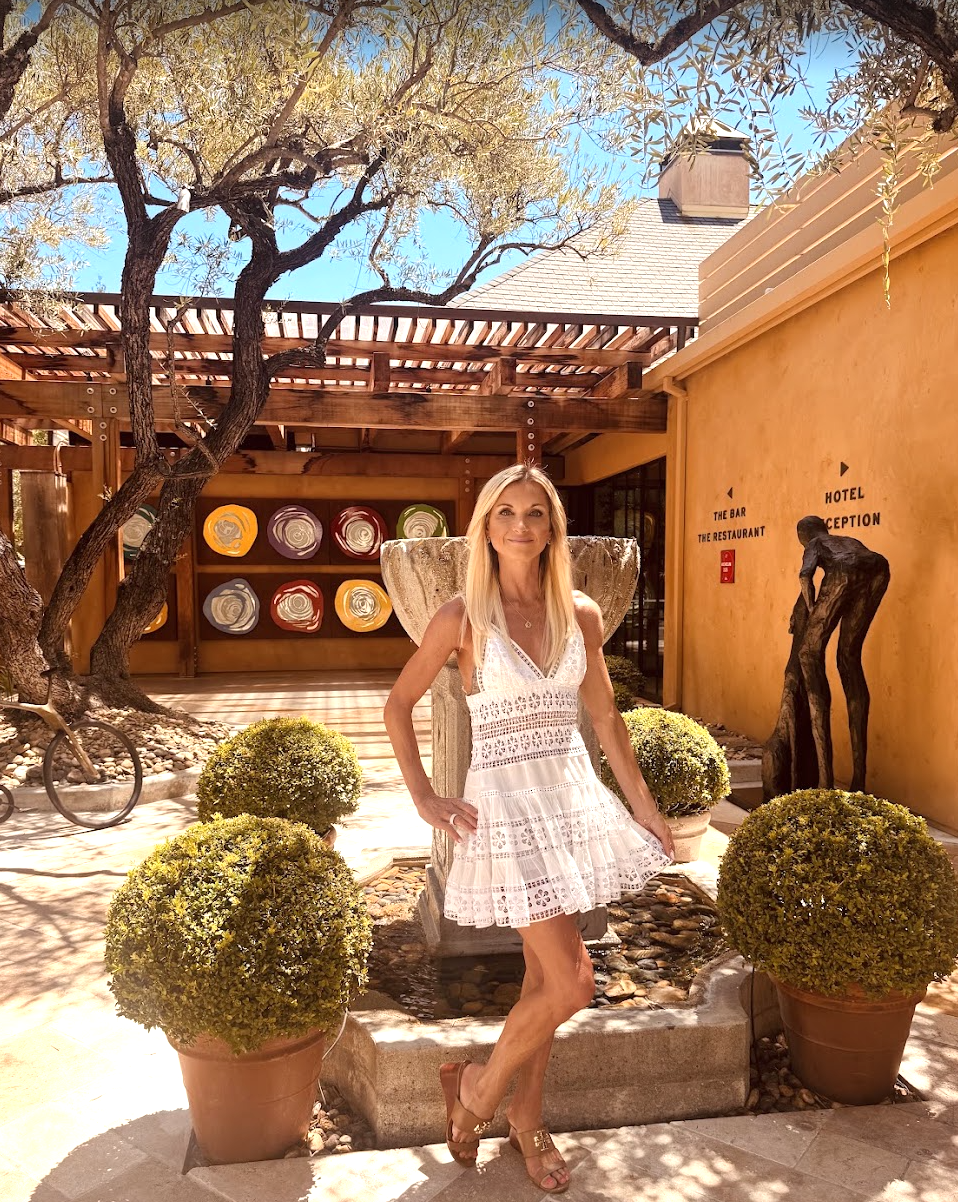
I said "I do" with my husband at Auberge du Soleil on 9/10/11…an auspiciously symmetrical date for what has turned out to be a marriage as enduring as the property itself. So when I went back this July to celebrate my birthday, I expected a nostalgic weekend where more than once, I caught myself saying out loud…how did I not experience this when I was here for the wedding?
That's the thing about Auberge du Soleil. It rewards you more the closer you look, wedding day or fifteen years later. And thoughtful details are everywhere. I smiled when I saw conversation cards near the pool (you all know how much I love them),the pink rafts to float on for even deeper relaxation, and a whole library of books in our hotel suite…it’s these little details, anticipating what guests may need or may not even know they’ll delight in, and then letting the splendor of the property and its surroundings unfold to deliver surprise, delight and awe…this is what makes Auberge du Soleil truly timeless.
The View That Started It All
Let's start with what everyone comes for: the view. It was the single biggest reason my husband and I chose this property for our wedding, and it's the same reason travelers from all over seek it out for a destination lunch or dinner while they're in Napa. The property sits atop a breathtaking canyon in Rutherford, and looking out you get a sweeping view of vineyards, hawks circling majestically overhead, and on still mornings, hot air balloons drifting in the distance. It is the kind of view that makes you stop mid-sentence, every single time and one we wanted to share with our friends. It didn’t disappoint then and I was still just as breathtaken by the stunning natural beauty on this visit.
The pool shares that same vista, and lounging beside it is a genuinely majestic experience…the closest I've come to feeling like I was floating atop a fairytale castle somewhere in Europe, if that castle happened to overlook Napa Valley instead of the Rhine. Lunch is served pool side on trays with proper linen and silver, and as you dine, you can hear the laughter and wine glasses clinking from world travelers who are enjoying duck fat fries, burgers and perfectly pan seared salmon from the restaurant on the balcony above. Heaven will have a hard time competing with this.
The Casitas: Every Room Its Own World
Every room here is its own private casita, with high beamed ceilings and a signature scent I can only describe as smoke, leather, and the herbal essence of the earth itself…the kind of detail that instantly transports you the moment you walk in and that I would buy for my own home if it was available. Each room comes well appointed with assorted beverages, books, and magazines, and a soaking tub with bath salts and candles.
The property has just 50 guest rooms and suites in total, spread across five accommodation types: Classic Rooms, Classic Suites, Deluxe Rooms, Deluxe Suites, and the Private Maisons. Every category is housed in its own maison, each named for a town in the south of France, which is exactly the design ethos here: Provence, transplanted onto a Napa hillside. The suites unfold into a separate living room behind French doors that open onto an oversized private terrace, while the two-bedroom Private Maisons take it a full step further with roughly 1,800 square feet of indoor-outdoor living and their own trellised terrace, complete with an outdoor sculptural soaking tub and rain shower framed by unobstructed valley views. It is, without question, one of the most romantic ways to spend a night in wine country.
The beds are, without exaggeration, like sleeping on a cloud. And after a day of sunbathing, there's no better way to transition into evening than lighting a candle beside the sunken tub before dinner.
Dining That Earns Its Michelin Star
The Restaurant at Auberge du Soleil is outstanding, both in the quality of the food and the caliber of the service…and the accolades back it up. Opened in 1981 by French restaurateur Claude Rouas as Napa Valley's very first fine-dining restaurant, it has now held a Michelin star for 18 consecutive years, alongside Forbes Travel Guide Five-Star and Michelin Three Key distinctions. Executive Chef Robert Curry, who has led the kitchen since 2005 after stints working under Alain Ducasse in Monaco and Philippe Jeanty in Yountville, sources ingredients from local purveyors at their peak of flavor for a menu that leans French-inspired California cuisine. On the Terrace, you can choose a two- or three-course prix fixe for lunch, or a three-, four-, or six-course tasting menu for dinner, each paired if you like from the hotel's roughly 15,000-bottle wine cellar, one of the most extensive in the valley. For something more casual, The Bar next door serves continuous dining from 11:30 a.m. to 11 p.m., a favorite mid-valley stop for locals and visitors alike. I used to stop here for lunch while writing my wine blog, Decantress Wine Diary, and it was always a welcome destination in and of itself that often delighted my guests more than the wineries themselves.
Wellness, Done the Auberge Way
The property is true to form when it comes to wellness offerings: an indoor/outdoor gym overlooking the beauty of the valley, a pagoda in the middle of the sculpture garden for meditation and yoga, tennis courts set majestically amid a sculpture garden, and a full spa to round things out. Or, you can do a hike up and down the hill the property is on, like my husband and I did the day after our wedding, and work up an appetite for those duck fat fries.
The Property's Best-Kept Secret
If I had to pick the one feature that surprised me most on this visit, it would be the sculpture garden. It's filled with so many delightful works of art, which I learned (after my visit) is curated by Aerena Galleries, founded and directed by my friend Michael Polenske’. The real magic is in its hidden corners…spaces where intimate lunches or gatherings can be arranged. Picture a wisteria-covered clearing ringed with lavender, surrounded by forrest and vineyards…set for a private lunch. It's the kind of detail that makes you understand why people fall in love with this place long after the honeymoon ends. The grounds also boast three varieties of olive trees, imported from Spain and France alongside some native to California, woven throughout the property.
A Word on Weddings and Events
The venue space sits between the restaurant/bar and the pool. The largest of the event spaces, Bellevue I and II, combines into a nearly 1,900-square-foot reception and dining room with floor-to-ceiling bronze-framed doors that open onto a private terrace with the same panoramic valley views you get everywhere else on property, and it seats up to 120 for a dinner. Smaller spaces like La Rotonde, Maison d'Arbre, and the garden setting of Le Jardin round out the offering for more intimate gatherings, and Le Salon, tucked inside The Restaurant itself, offers a private fine-dining experience for up to 20 guests surrounded by the property's champagne and Cabernet cellars.
Because of noise considerations, Auberge no longer hosts weddings unless it's a full property buyout…a policy that says everything about how much they care about the guest experience, for the couple and for everyone else staying there.
If you are lucky enough to host your wedding here, take a page from my husband's and my playbook: saber the champagne off the terrace. It's a festive, unforgettable moment your guests will never forget…ours certainly still bring it up! And definitely invest in a world class photographer and videographer because you’ll want to remember these views and moments forever.
The Bottom Line
Auberge du Soleil isn't just a place to celebrate a milestone once. It's a place that keeps giving you new reasons to fall for it, whether you're standing on that terrace as a bride or coming back over a decade later for a birthday and finding it more magical than you remembered.
Would I recommend it for a wedding, an anniversary trip, or simply a destination dinner while you're in Napa? Without a single hesitation - it’s worth every penny as the most priceless hotel in Napa.
Gianna's Gem Rating: 11/10
For more information about Auberge du Soleil and to be put in touch with their team, contact me for a direct intro.
In Memory of Pat Gaudini
We checked out of Auberge du Soleil on the morning my beautiful mother-in-law, Pat Gaudini, passed away, after a fifteen-year battle with Alzheimer's. The sunrise was pink that morning, one of her favorite colors. I could feel her surrounding us with the same love we felt on our wedding day, as though she were reassuring us that she was finally at peace.
As you know, I try to be highly intentional about creating personalized moments. When I began thinking about how to remember her, and how to write a eulogy that felt like her, here is where I landed.
Her roses. Pat loved roses, and we were in Napa, just minutes from her home in Yountville. I cut as many as were still fresh from her garden, pressed them, and built a framed memory box for her partner — her roses alongside photographs and small pieces of her life. From what was left, I made little envelopes labeled Pat's Petals to bring to the funeral, so that every family member could carry something of hers home.
Lessons for Giacomo. To tell my son the news, and to eulogize her in a way that belonged only to the two of us, I wrote down the lessons I believe she would have wanted to give him. They're stitched together from things she actually said, with a few bits of her humor woven in, because she would have insisted on the levity.
She lived in a way I can only describe as universally beautiful, sunshine embodied. If you would like me to share her lessons with you, please message me directly. It would be an honor to pass along her wisdom and her light.
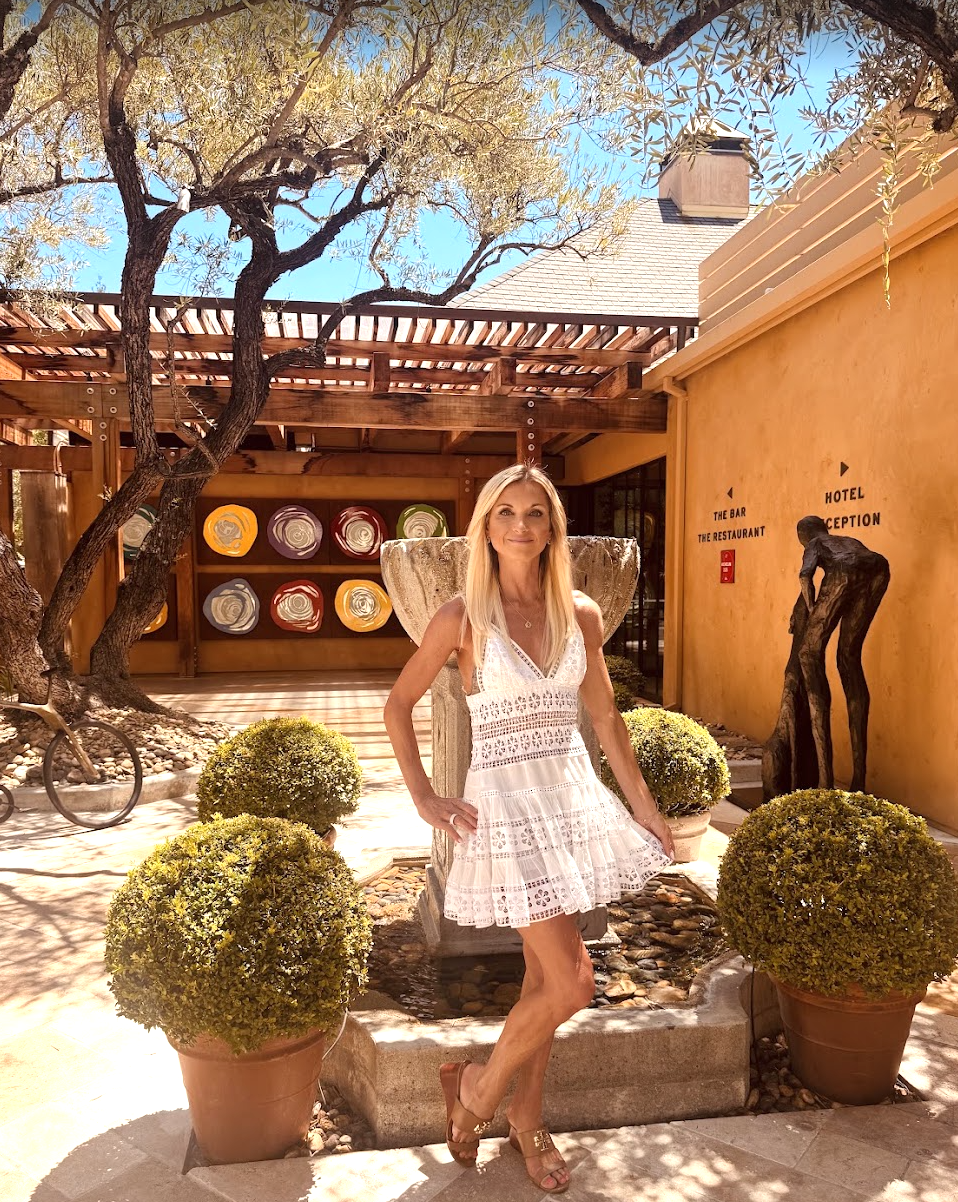
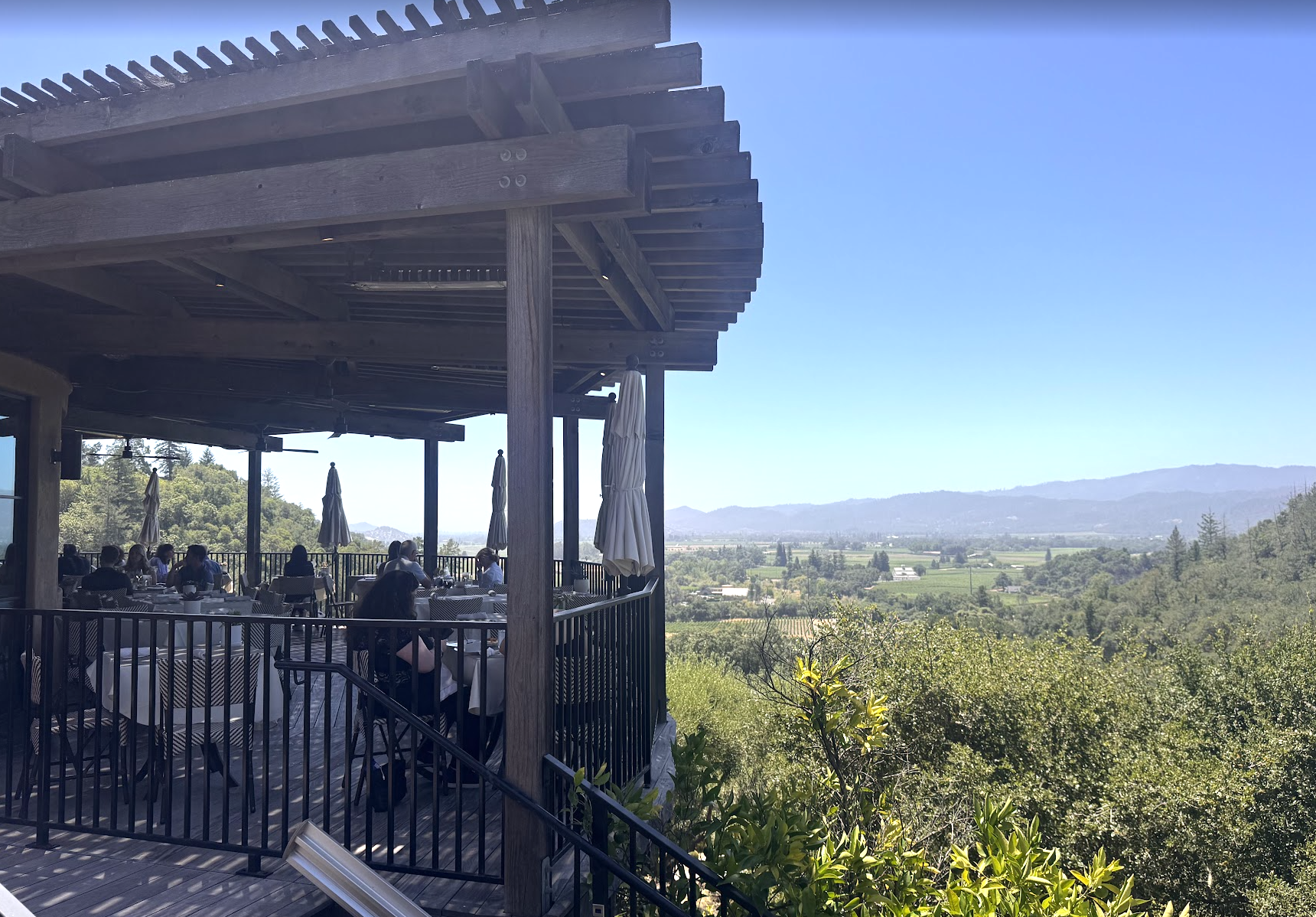
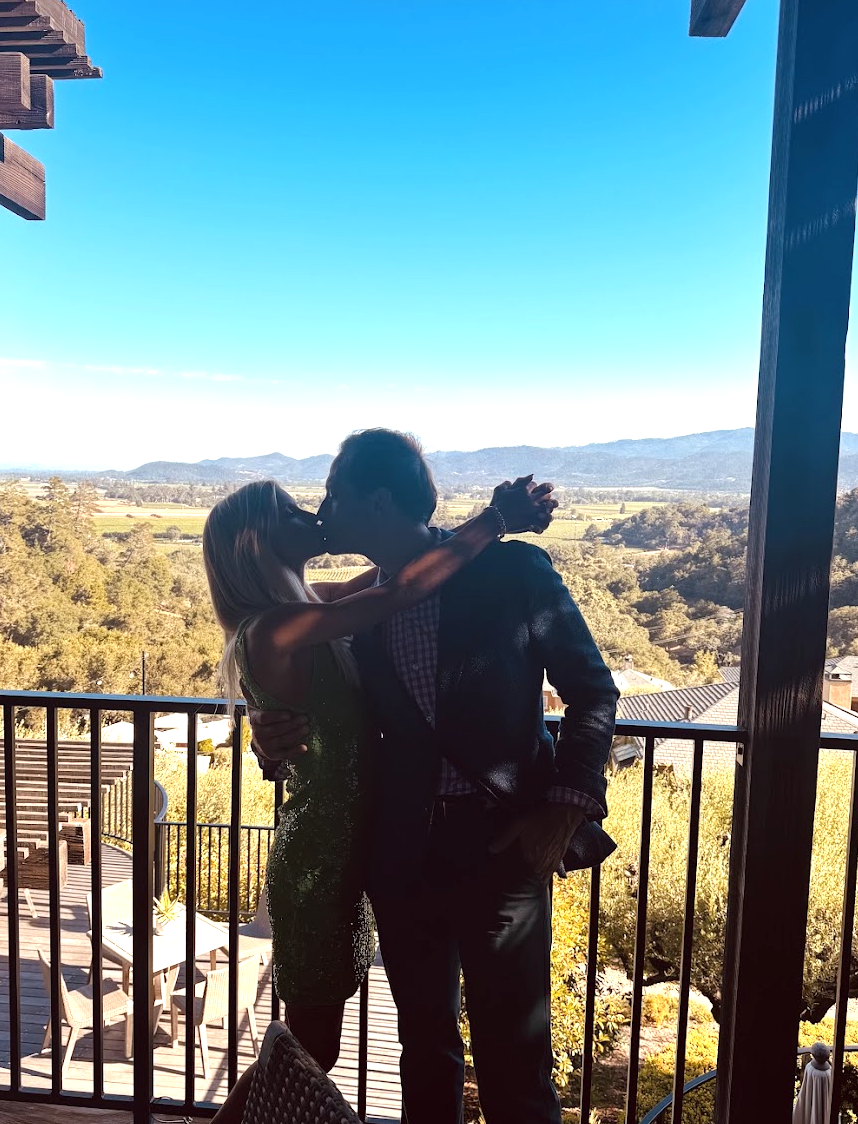
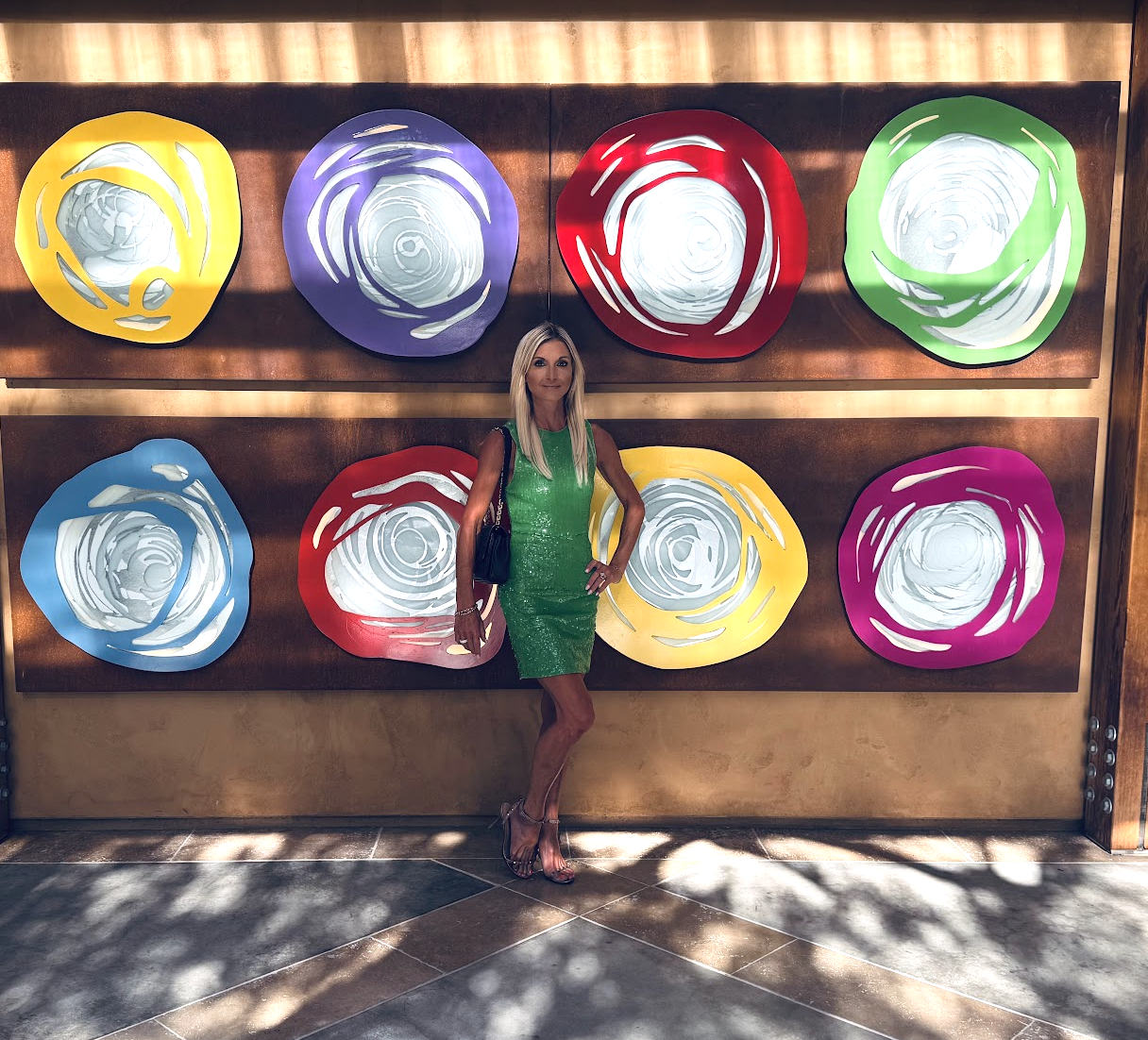
Gianna's Sexy Property Spotlight: Alila Napa Valley, St. Helena, California
There are Napa hotels, and then there is Alila Napa Valley - an escape, a retreat, an adults-only luxury that is Napa’s best kept luxury secret.
Tucked into the heart of St. Helena, arguably the most charming of Napa's small towns, where the Mayacamas Mountains fold into rows of vineyards and the historic downtown has the best shopping and art in all of Napa Valley. Cobblestone-chic storefronts with everything from home-goods to jewelry to fashion, wineries that have been pouring since the 1800s, high-end tasting rooms, bakeries people line up for and restaurants worth the trip alone… all a ten-minute stroll from the property. But you may not want to leave, and you don’t need to - they’ve thought of everything if you want to stay put and still get the full Napa experience.
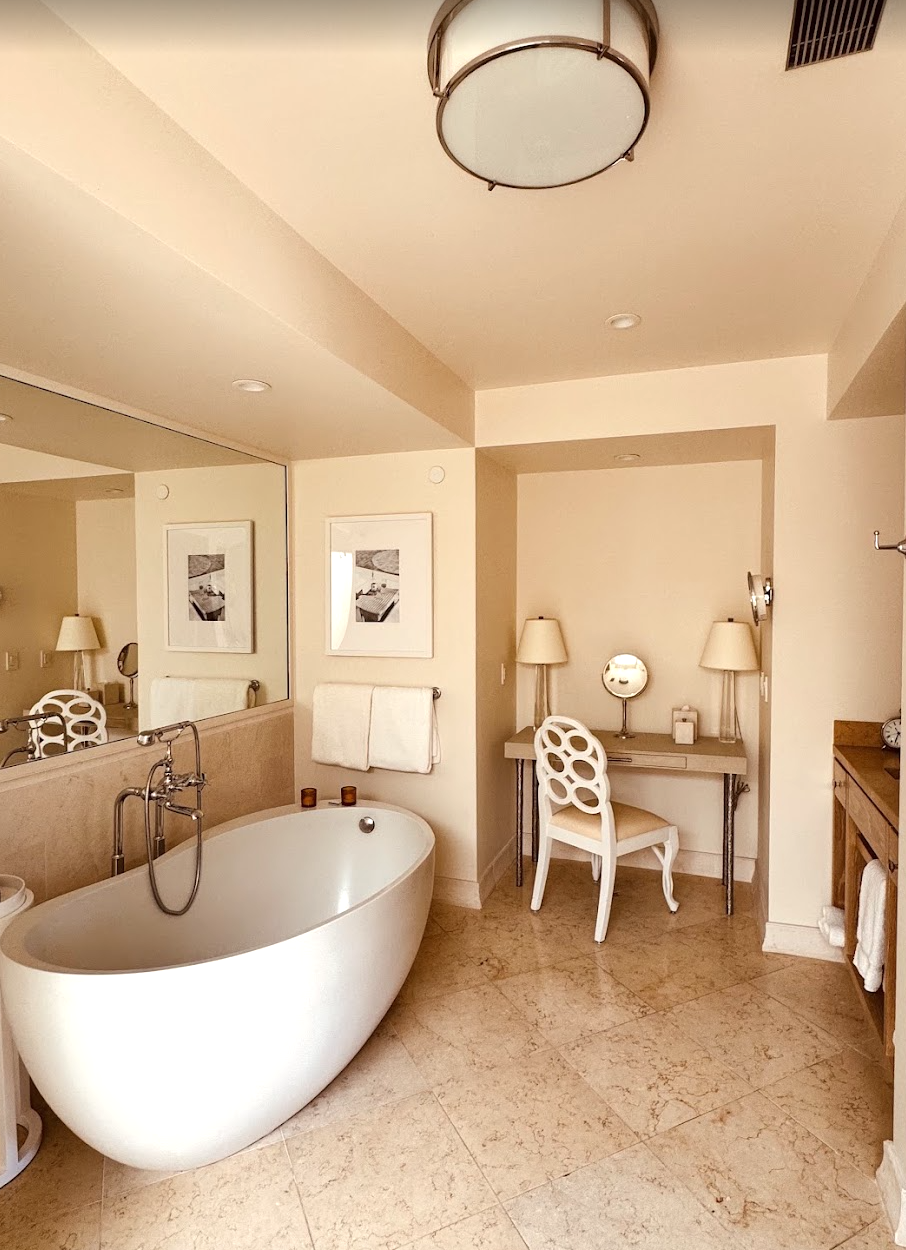
Alila is adults-only and intentionally intimate with just 64 guest rooms, so it never feels like a crowded resort. It feels like your getaway. This makes it perfect for an intimate retreat, milestone birthday celebration, wedding, or a corporate buyout for smaller group programs. You can’t lose when it comes to the guest room selection - each either looks out onto the vineyard or onto the creek and the storied Beringer Winery next door (the two properties are connected by a private bridge), and every single room delights you with either an outdoor soaking tub or a fire pit and deck. You feel your shoulders drop the moment you walk in and your body thanks you after a blissful night sleep.
For those who want to stay put, Alila brings everything you need in a Napa experience or a retreat to you on property. My favorite offerings include the partnership with Beringer to do an in-suite tasting of library wines, the afternoon tea on the veranda - perfect for women’s spa weekend, blind tasting classes or complimentary daily wine tasting, even a custom scent making wellness experience.
The Spa: A Ritual, Not a Treatment
The Spa Alila is a destination in and of itself. Spa Alila doesn't just pamper you, it invites you to truly release what is weighing you down or holding you back - true transformation…and isn’t that why we really go to a spa? They have thought through the guest experience and offer ceremonious welcome and closing moments that instantly snap you out of your worries and into the present with intention.
On arrival, you’re welcome to select specific herbs to build your own "Burden Bundle," which is then steeped while you're getting your massage or facial, and then used at the end to soak your feet and shoulders; a literal, physical symbol of release and transformation. They also have little blessings you’re invited to select and take with you as a reminder of your visit (while indulging in hunks of dark chocolate that resemble brown glaciers and gourmet teas and nuts). I had a birthday facial there and walked out glowing, not spa-glowing, different-glowing and was grateful for the practitioner who was empathetic and helpful with recommendations but also let me meditate undisturbed during my treatment.
Violetto: Dinner With a Point of View
The resort's flagship restaurant, Violetto, blends the elegance of French culinary techniques with the warmth of Italian flavors. Situated inside a beautifully restored 1907 Georgian farmhouse it’s led by executive chef Mark Shoemaker, whose storied path here wound from his grandmother's kitchen through Michelin-starred restaurants in Chicago to a Washington farm where he deepened his connection to land and seasonality, a throughline you can taste in every course. The prix fixe menu features handmade pasta and signature fine dining dishes like braised Rabbit Violetti.
What makes it memorable is the hyper-local ingredient sourcing: everything is local and seasonal and you can taste the difference. Everything from honey to herbs used is pulled straight from the region. The moment you walk in, you feel serene in a room that is elegant yet down to earth in tones of lavender and organic touches. The second you sit down, you’re approached with a welcome cocktail of sweet vermouth and lavender honey that sets the tone completely. You’re welcome to select the four or eight course tasting menu, or dine a la carte in the less formal but striking bar or outdoor historic patio overlooking the estate. Every option is a delight and unique in its own right.
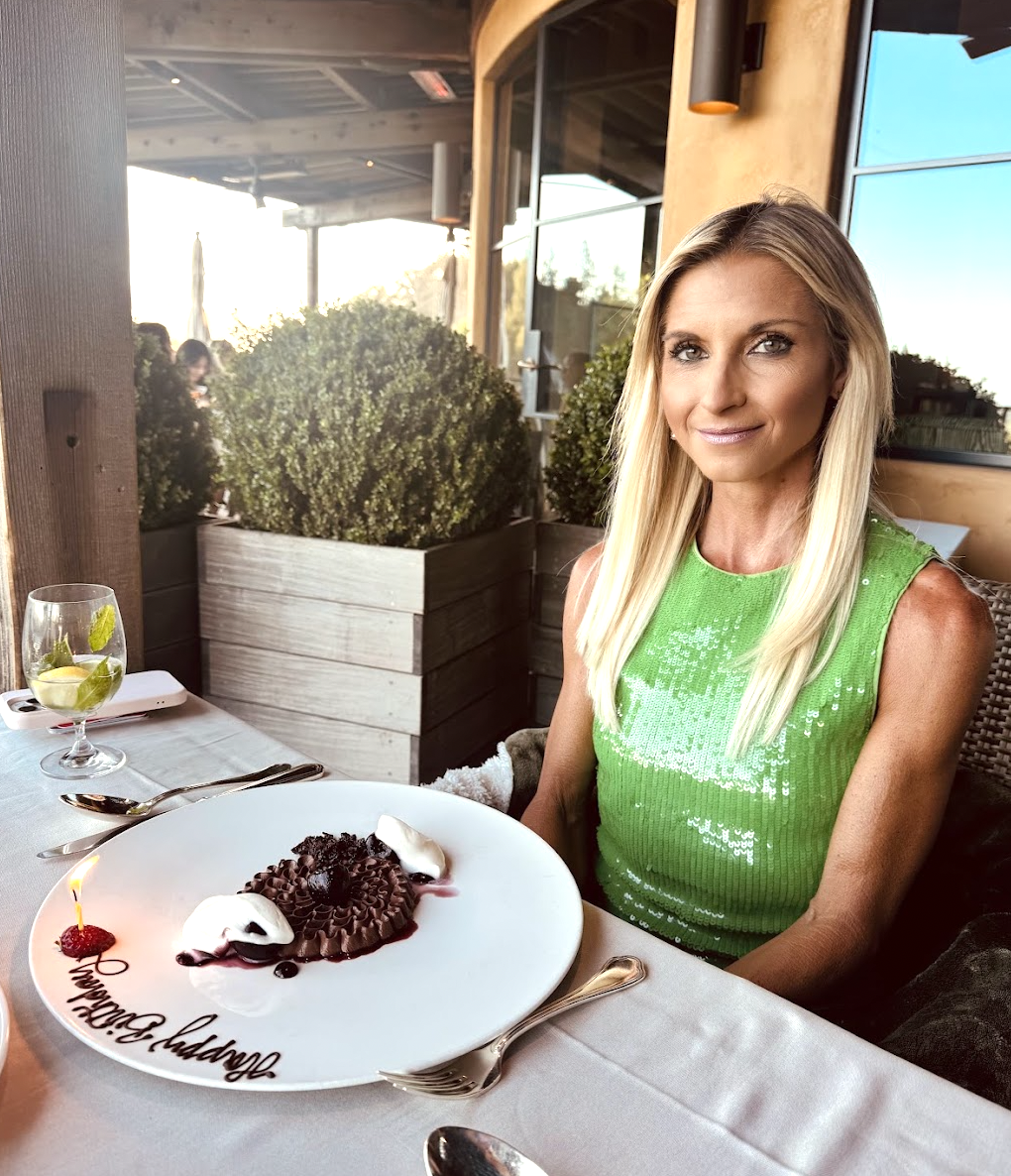
Customization: Not only does Alila offer many opportunities to customize your experience (i.e. pre-select what will show up in your mini bar or book an “explore your birth chart reading” but they go above and beyond to make sure your visit suits your needs. As it was my birthday, my husband called their restaurant in advance to request a gluten free dessert with chocolate for me (how thoughtful is that? He’s clearly been trained in the art of thoughtfulness). The chef presented a gluten free tiramisu with about 50 layers that was so delicious, I never would have imagined it was hypo-allergenic and took the time to connect with me persoally. They also accommodated my other dietary requests so that I could feel great and still enjoy the tasting menu - that is true hospitality and something I am grateful for.
The New Brunch: Salvia Terrace & Bar
If Violetto is the destination dinner, Salvia Terrace & Bar is the property's newest reason to linger over a lazy weekend morning in wine country. Chef Shoemaker now oversees the entire food and beverage program, and it shows here too: weekend brunch (Saturday and Sunday, 10:30am–2pm) leans into shareable plates, seasonal salads, and produce harvested straight from the on-site culinary garden and local farmers' markets. Think grilled vegetables and elevated avocado toast alongside craft cocktails and Napa Valley wines. You can take it indoors in the lounge, enjoy it at the bar, or out on the veranda with those iconic mountain-skyline views. It's easy, unhurried, and exactly the right register for a morning after a long dinner the night before with the hominess of a wine country B&B but the elevated cuisine of a Michelin star restaurant.
Rooms and Grounds
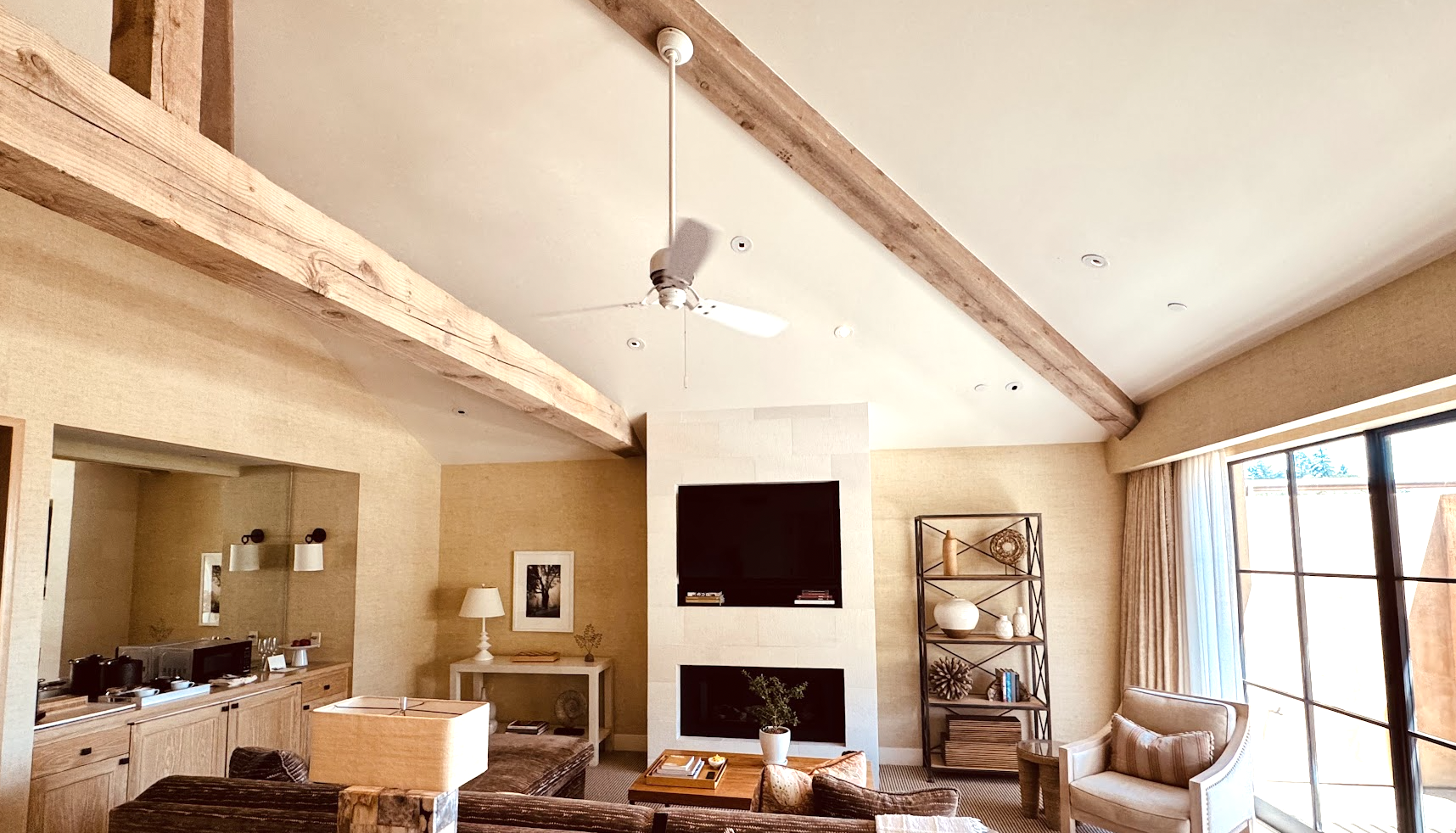
The rooms, designed by Yabu Pushelberg, are the kind of quiet-luxury you feel more than notice: oversized balconies or wraparound terraces, floor-to-ceiling glass, Italian linens, marble bathrooms, and those fire pits and soaking tubs that make you actually use your outdoor space instead of just admiring it through a window.
The pool is adults-only, too, and looks straight out over the vineyard. There is genuinely nothing like sipping a cocktail poolside and watching the grapes ripen in real time. It's one of those details that sounds small until you're enjoying it.
The Kind of Place You Bring People To
Beyond the rooms, Alila's social spaces, the outdoor bar, cornhole, scattered fire pits and pop up experience carts, give the property an easy, unfussy intimacy that makes it a genuinely great choice for hosting events of all types or meeting new friends. And the event infrastructure backs that up: at roughly 5,500 square feet, Alila has the largest event space in St. Helena, anchored by the Acacia Barn (a beautifully designed 2,200-square-foot venue built for weddings), the Acacia Lawn (2,640 square feet of open-air space with vineyard and Mayacamas mountain views as the backdrop), and the Violetto Private Dining Patio (an 820-square-foot al fresco spot right off the historic estate house, perfect for a golden-hour dinner).
For something smaller and more private, the Violetto Loft seats 10–16 for an intimate celebration or executive dinner, and the light-filled Boardroom handles more traditional corporate meetings. Altogether, the property can host up to 120 guests indoors and 200 outdoors, or you can go all in and buy out the entire 64-room resort for a true private-estate experience. Whether it's a corporate retreat, a wedding, or a milestone gathering, it's small enough to feel exclusive and just social enough to bring people together. I always recommend the Alila for a private corporate retreat, a wedding, a milestone gathering for a group that wants peace, real luxury, and something different from the usual Napa playbook.
The Real Differentiator: The Hospitality
Here's the final thing that actually sets Alila apart, more than any single amenity: the staff. Every person on property, from the online concierge team, to the valet to the servers, the room service staff and housekeeping team, to the spa therapists to the front desk… is genuinely engaged, not just going through the motions. Requests get met with a yes and a smile, not a "let me check." Cords get wrapped up with a note. Special occasions get noticed and celebrated and accommodations delivered above and beyond. It's the kind of hospitality that can't be manufactured through training alone; it comes from a team that actually loves where they work, and it's the thread that ties every other beautiful detail of this property together.
Rating: 10/10.
Overall Take: Alila Napa Valley isn't trying to be loud, it isn’t trying to be everything, but it is creating a sense of place and delivering personalized experiences that cater to all types and occasions. Quiet, sensual, deeply considered, and built for adults who actually want to slow down and experience something with history and heart, it may be the best kept secret in Napa. Between the spa’s Burden Bundle, the vineyard pool, and that soak in the tub overlooking St Helena’s prized vineyards, it's hard to imagine leaving anything but lighter than you arrived.
What I'm Obsessed with This Week: Summit Series Napa
Back in 2019, I attended Summit LA as a first-timer. I attended as pure "experience research" into what a best-in-class event brand actually looks like as I was building SoftBank Vision Fund’s first ever world class global event program. I've been to a lot of gatherings, including TED and Summit was up there as one of the very best experiences I’ve ever attended.
A few things that stuck with me:
The invite process was the product. Every attendee gets a personal phone call, not an email blast. They register you by phone, then reach out multiple times before the event to connect you with people you'll actually want to meet, and invite you into small curated dinners. That's a level of hospitality I hadn't seen anywhere else.
The content was genuinely diverse. Rap artists next to CPG execs next to tech founders. Not diversity for optics; diversity because it made the conversations better and often, my favorites were unexpected. The only complaint - it was hard to pick which sessions to attend because there were so any great ones.
The entertainment felt like Burning Man met a music festival. Interactive, immersive, major talent, creative/artistic, but woven into the experience rather than bolted on. The wellness and experiential partners pushed me outside my comfort zone from Theragun therapy sessions, a sound bath healing, things I never would've tried on my own. I genuinely took away real wellness learnings.
The serendipity was unreal. More coffee and kombucha meetups than any event I've been to (and the coffee game itself was incredible). I ended up at a private gathering in Tony Hsieh's trailer, and had sushi with a CEO I hadn't seen since my twenties and ended up joining her Board.
Today, I'm honored to now sit on the board supporting Summit's strategic partnerships. If you're curious about what it looks like to get involved, DM me and we can see about getting you or your company an invite to participate, especially at Summit Series Napa, which I’ll be attending myself in October, and hope to meet you there for a coffee (or wine) meet up.
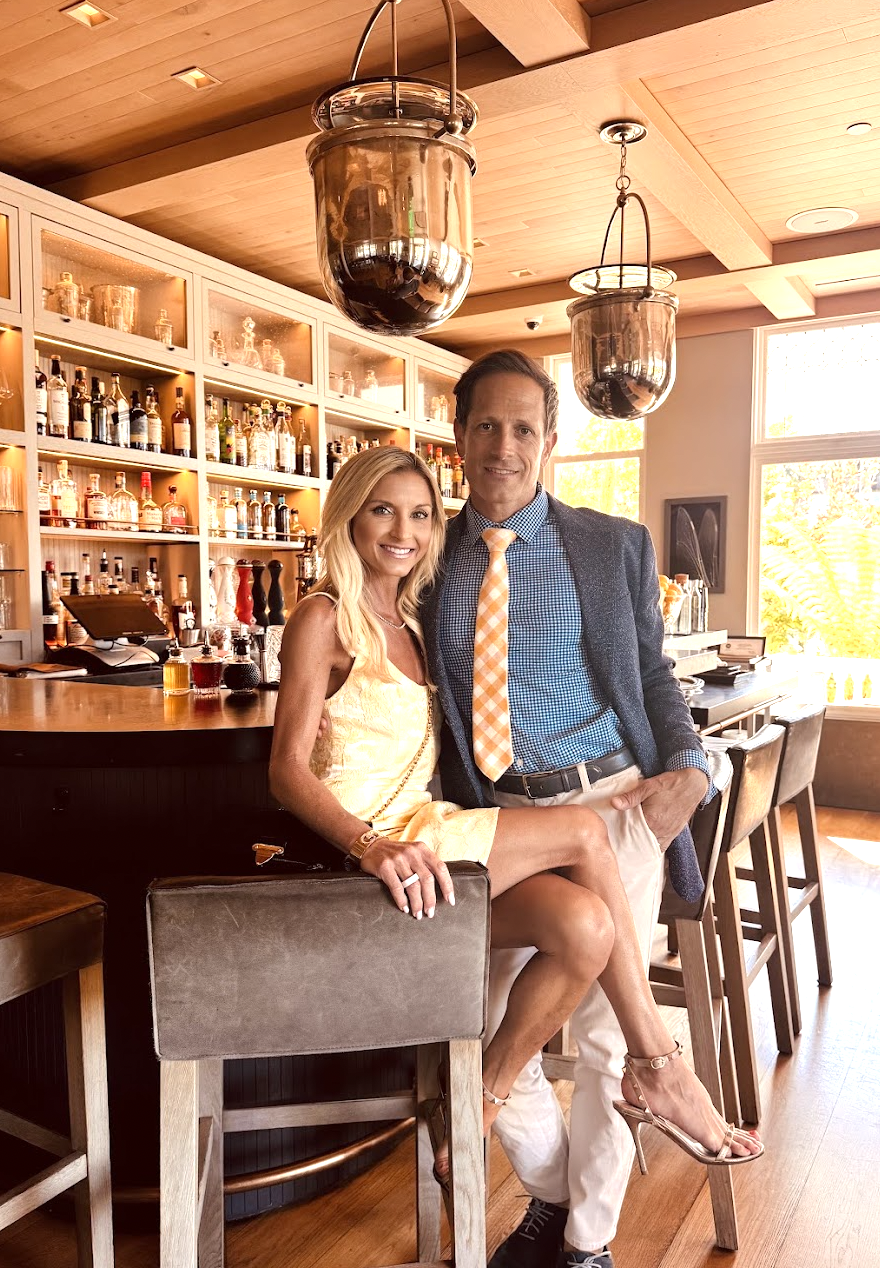
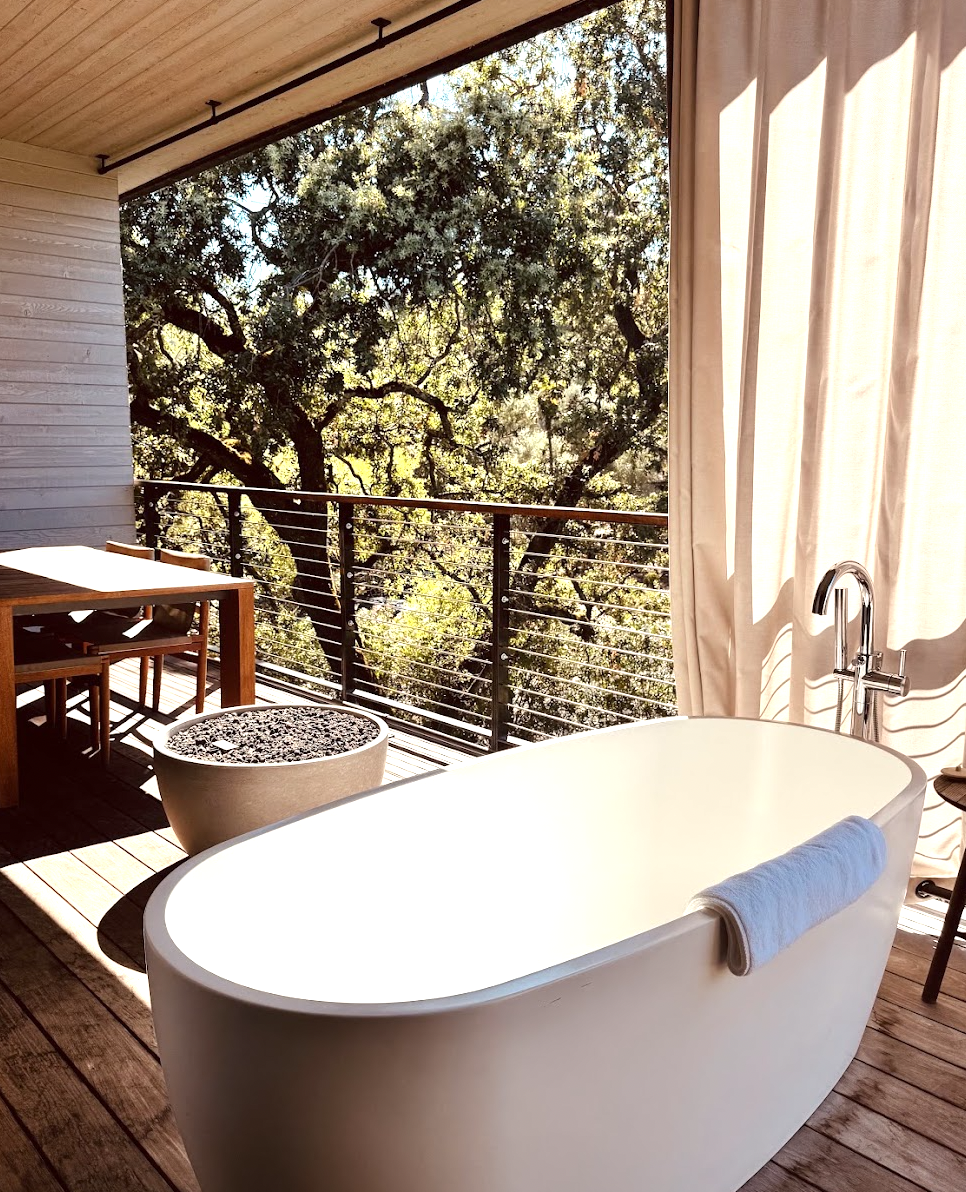
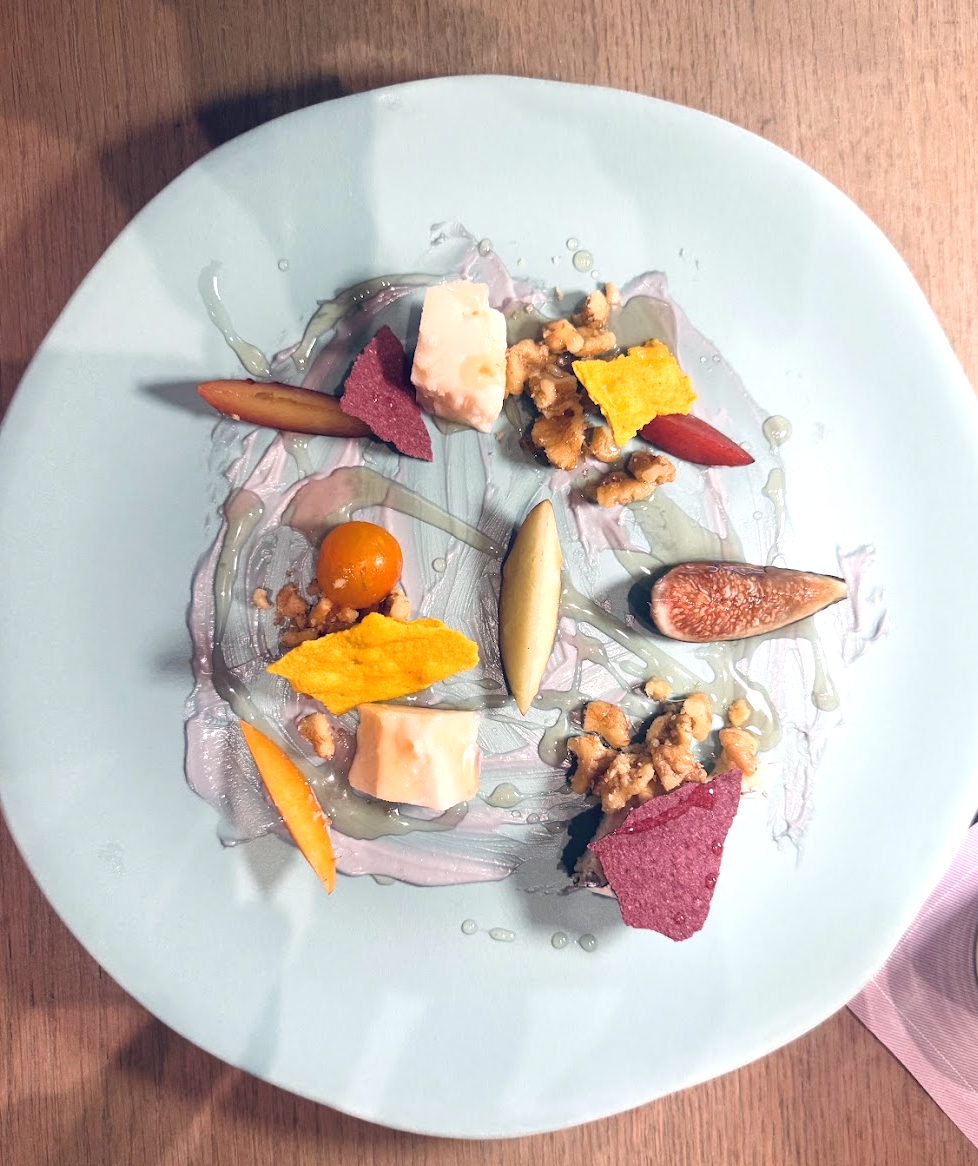
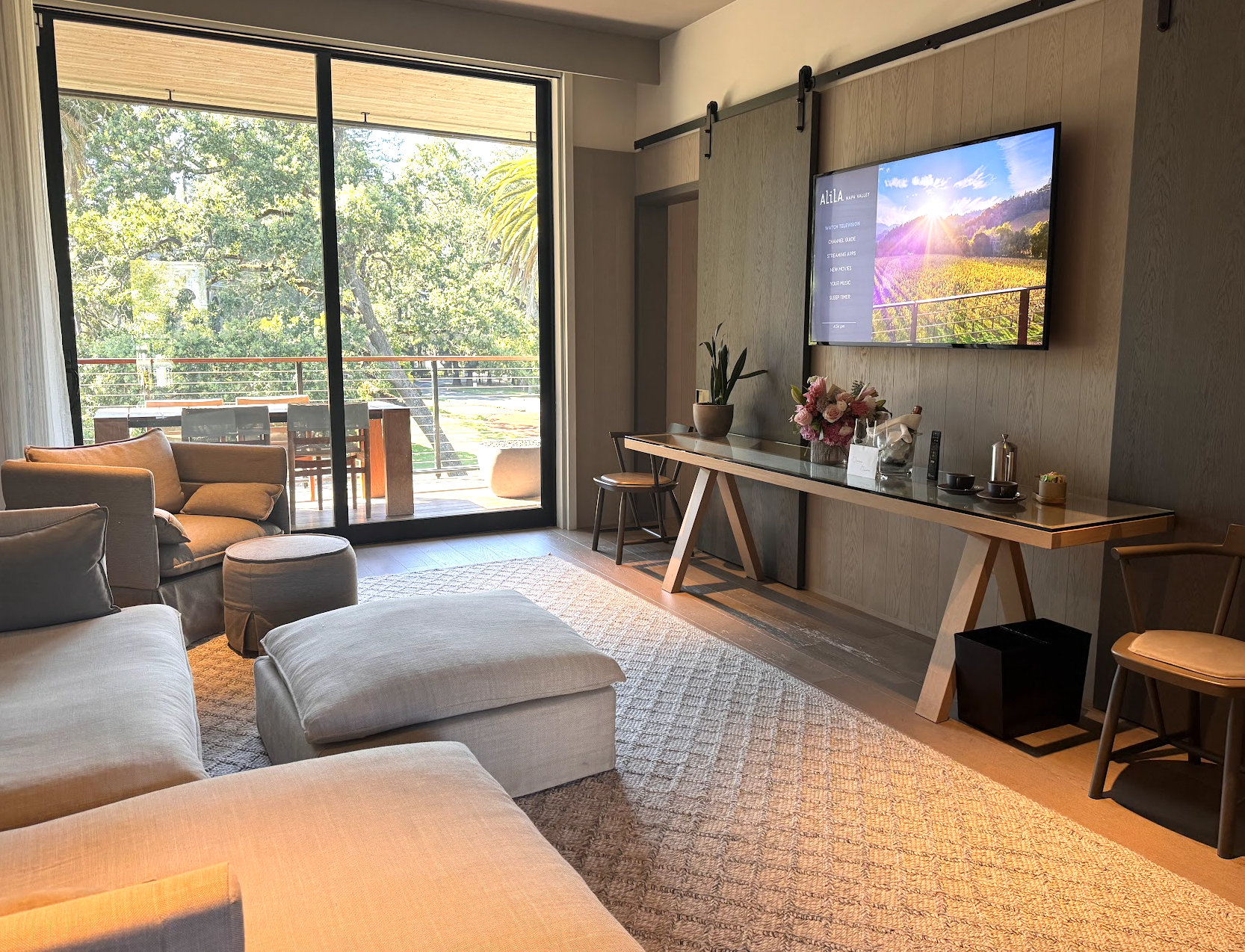
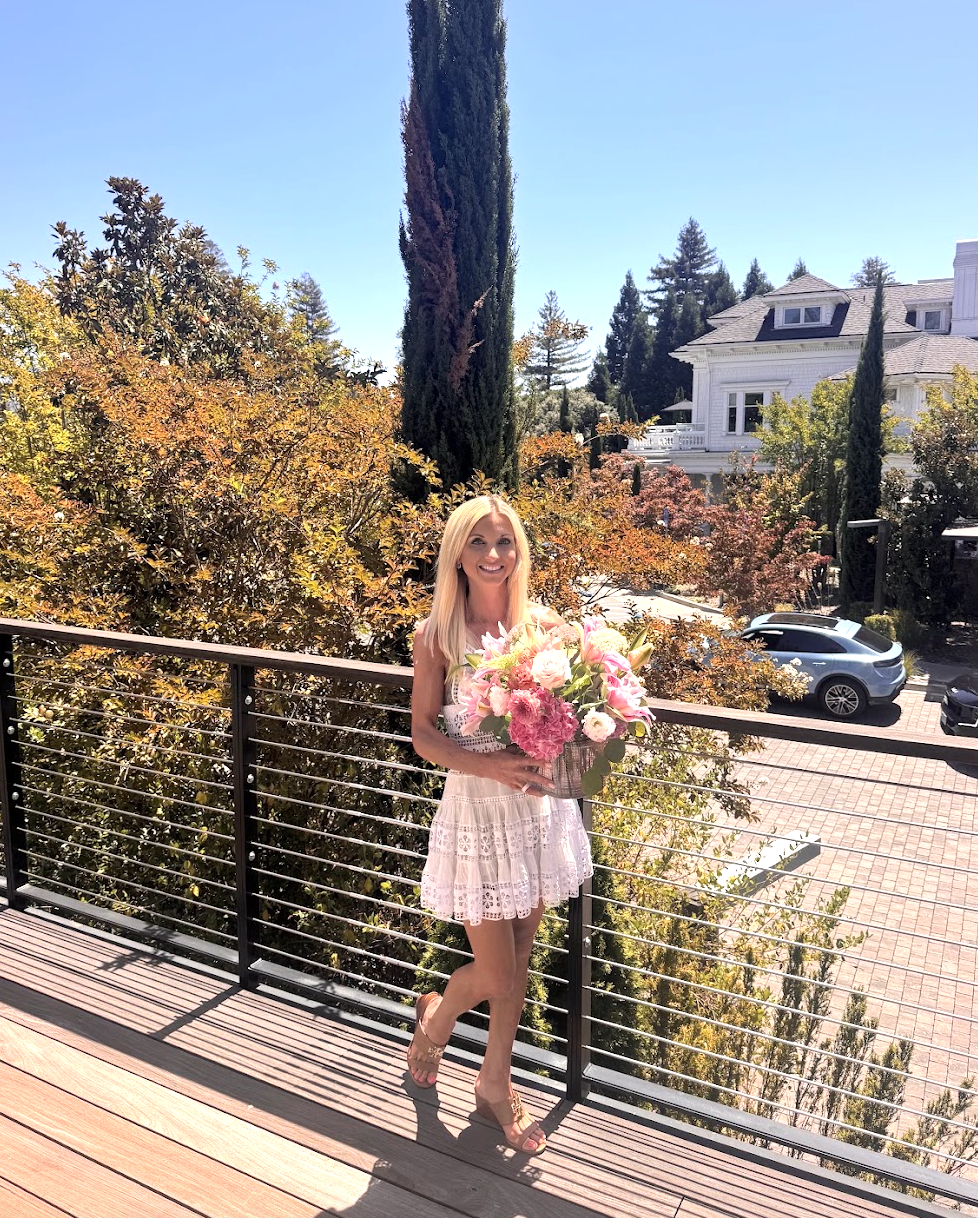
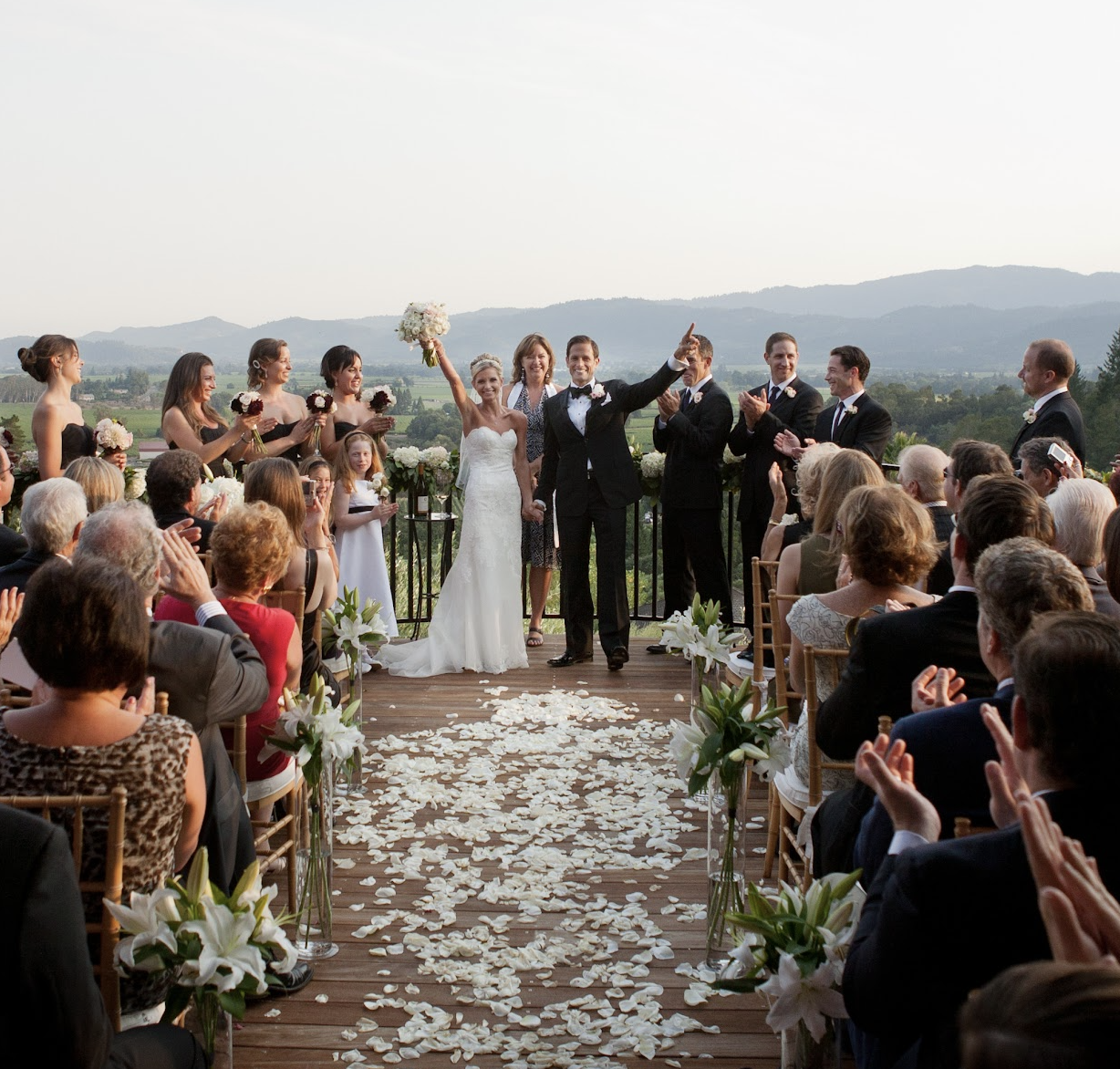
The Taylor & Travis Wedding Gems Everyone's Asking Me About
Hi there,
I love asking "magic conversation questions," and one I use often is: "If you could relive one day of your life, what would it be?" The overwhelming answer I hear, including from me, is "my wedding day."
A wedding is the one day most people actually get to design on purpose, built around their values, their people, and the memory they want to carry forever. That's what makes it so powerful. You're not just planning an event, you're engineering a memory. And as an event planner, I know the secret formula for designing weddings (and any event) that achieve exactly that.
So when Taylor Swift and Travis Kelce got married a couple weeks ago, every conversation I had seemed to start with the same question…so,what did you think?
Here's my take, Gems.
Gianna's Gem: Taylor and Travis's wedding 100% worked because they followed the same principles I use for every event I plan using goals, thoughtfulness, values and intentionality… not because of the budget behind it or the scale of the venue.
These principles are achievable on any budget. A couple spending five figures and a couple spending five hundred dollars can apply the exact same framework to get the exact same result when it comes to the memories they and their guests keep forever. At the end of the day, no one remembers the cost… they remember how the day made them feel. That's the value that matters and the true return on your experience design.
The Three Questions I Ask Every Couple
Whenever I start working with a couple on a wedding or more frequently, a milestone birthday, I ask three questions to get at the heart of what we're building:
What word do you want people to use to describe your event? (Taylor's mom called theirs magical…mission accomplished.)
What word do you want people to use to describe how it felt? (Travis's mom called it a "pinch me" moment.)
What three things do you want people to remember? The constraint of picking only three is what forces real prioritization, and it's also the number of experiences most people can actually retain about any given event.
At my own wedding, those three were great music, great food, and a venue that was a destination in itself. P.s. my wedding took place at the storied and enchanting Auberge du Soleil, which I was fortunate enough to return to this past week for my birthday and will be posting about in my next Sexy Property feature - stay tuned!
I'd guess Madison Square Garden made Taylor and Travis's list for similar reasons: it let them be fully inclusive with her guest list while landing on a venue that fuses sport and music in a way no other room in the world can.
I'd also bet inclusivity was a core value driving her decisions throughout given that value is central to her brand. That likely explains the venue size, why her wedding party was family rather than a curated friend group, and the open seating that avoided any "who's-at-my-table" drama.
Theme: your memory anchor
A theme is a container that holds the rest of the experience together. Taylor and Travis turned a practical need, privacy and capacity at MSG, into their secret garden theme. I once attended a wedding that got hit by an actual hurricane. Instead of panicking, the bride and groom walked down the aisle to "Rock Me Like a Hurricane." The moment a wedding day seems to be falling apart is often the moment you get your most unforgettable memory and I’ve re-told the story of the badassery of that couple so many more times than the “flawless cookie cutter weddings” I’ve attended.
Make it personal
When I led events at Google, we ran everything through one test: if this could belong to any other brand, we hadn't done our job. Personalizing an experience around your real values and history, not your budget, is what makes people remember it. Taylor and Travis wrote their own vows (twenty minutes long!) and had Adam Sandler officiate because of his relationship with Travis. At my own wedding, my husband and I got engaged in Napa, so we built a "wine ceremony" around it, had my dad saber a champagne bottle to move guests from ceremony to reception, and had five friends each speak to one of our five core values. The best details are the ones that couldn't be copy-pasted onto anyone else's wedding.
Think outside the box on venue
Once you're anchored in your values, the venue stops being a limitation and starts being a canvas. I once had to build a 300-person Google leadership event in a town with no suitable venue, so we transformed a volleyball court into a five-star space: new flooring, scent piped in to erase any trace of "gym," a custom copper stage, and greenery to break up the room. Nobody in attendance ever guessed what it used to be. Any venue can become the right venue with enough imagination. Shout out to Grow Marketing, the female-founded agency that partnered with me on this one. (Dm me if you’d like an intro to the team there who also produced the Mattel Barbie Dreamhouse!)
This was obviously a luxury wedding, but here's what everyday brides can actually take away from it.
Custom logo. Creating one is far more affordable than people assume, and it's one of the highest-impact things you can do to tie a whole event together. I recently planned a milestone birthday for a couple where we built a custom logo from their initials and theme colors, then carried it across invitations, pillows, signage, napkins, notecards, and even the gifts themselves. Guests loved it so much they took the pillows home as souvenirs. A logo isn't decoration, it's the thread that turns a hundred small details into one memory. Taylor and Travis did their own version of this with their custom "JusT&T Married" nuptial branding.
Gifting. Never give a favor just to have a favor; every gift should carry a reason, or it's wasted budget. Taylor and Travis gave guests embroidered cloth tissues with their logo, which signaled the emotional, intimate tone of the night and left people with something to keep. At my own wedding, I gave out custom Bouchon Bakery boxes with our wedding logo, filled with oversized macarons for the ride home, plus a note telling the story of our engagement at that same bakery... and a coupon to go experience Bouchon themselves. A great gift doesn't just say thank you, it extends the story of the day past the day itself.
Personalize the entertainment. Live music is always my first choice for anchoring a memory, and Taylor and Travis leaned all the way in with Paul McCartney, Stevie Nicks, and a custom comedic song from Adam Sandler. I've seen a bride perform a custom wedding dance as a gift to her husband, and a groom compose and perform an original piece for his bride. At one Charleston wedding, the couple brought in a 15-piece local big band, instantly the most talked-about part of the night, and a gift to out-of-town guests who got a real taste of the destination. The best entertainment doesn't just fill the room - It gives your guests a piece of who you are, or where you are.
The real trend underneath all of this
If there's one thread connecting the logo, the no-phones policy, the open seating, the games, it's this: none of it is actually about scale or budget.
Gianna’s Gem: It's about identifying the essence of an experience and finding a way to implement that essence at any size.
Taylor and Travis had Paul McCartney; another couple might have their uncle with a guitar. Both can deliver the same emotional payoff live, personal music that anchors a memory) because the couple identified why the moment mattered, not just what it looked like.
That's the real takeaway for everyday couples watching this wedding: don't copy the execution, copy the intention. A $10 million wedding and a $10,000 wedding can hit the exact same emotional notes if the couple starts from the same question Taylor and Travis clearly did: what do we want people to feel, and what's the smallest, smartest way to make them feel it?
Here are the elements to T&T’s wedding I think could become real trends:
Secret garden / immersive theme: the best themes usually come from embracing a constraint rather than fighting it. Any couple can do this on a smaller scale: a rented backyard, an odd-shaped room, even bad weather, just by asking "what story can this limitation tell?"
No phones: the weddings I remember most vividly are the ones where I wasn't holding a phone. Hire a great photographer and photo booth and tell guests photos will be shared, or go softer: hand everyone a silk pouch at the entrance as a gentle nudge to tuck their phone away.
No assigned seating: letting people sit wherever they want isn't a loss of control, it's a gift of freedom to both the couple and the guests. When people can move around, they meet more people, not fewer.
Games and raffles: the goal of any great event is to give people something to do together, not just something to watch.
Wedding logos and crests: a logo turns a wedding from an event into a brand, and brands are what people remember.
No wedding party, siblings as best men/women: when you strip the wedding party down to family, you're not losing tradition, you're choosing the version of it that matters most.
Long, personal vows: the trend I'm seeing is couples treating their vows as the centerpiece of the day, not a formality to get through. Guests remember what was said far longer than they remember the flowers.
Gianna's Gem: The celebrity wedding copycat effect
Celebrity weddings don't just reflect trends, they manufacture them. In my experience, planners aren't the ones setting these trends in motion; it's the couples getting married the following year who saw the photos, felt the emotion, and wanted a piece of that same feeling at their own wedding. It's a socially proven copycat effect: when people see someone they admire do something joyful and authentic, it gives them permission to want the same thing.
We've seen this pattern for decades:
Kate Middleton's long-sleeve lace gown (2011) sent long sleeves back into bridal fashion after decades of strapless dominance.
Meghan Markle's minimalist, single-layer veil shifted an entire era of bridal style away from maximalism toward quiet luxury.
Chrissy Teigen and John Legend's Bali destination wedding helped accelerate the destination-wedding boom among millennial couples.
Priyanka Chopra and Nick Jonas's multi-day, multi-tradition wedding normalized blending cultural ceremonies rather than picking just one.
Taylor and Travis's wedding will likely do the same thing, not because everyday couples can replicate Paul McCartney or Madison Square Garden, but because they can replicate the feeling behind the choices: inclusivity, personalization, and presence over performance.
So will this start a trend? Almost certainly and just not a trend of what the wedding looked like. A trend of what it felt like. That's always the real copycat effect: people don't remember to steal the venue, they remember to steal the emotion.
Gianna Recommends (and for all my all-time favorite vendors and partners, visit:giannagaudini.com/gianna-recommends)
Natulang: I just celebrated my birthday last week, and on birthdays, I usually take a look at my “bucket list” and take a few steps towards those goals. One of my birthday goals this year is to finally learn Italian (long overdue given how much time I spend dreaming about spending an entire summer there!). I've been trying the app Natulang, which skips the tapping-and-matching games most language apps lean on and gets you actually speaking out loud from day one, using voice recognition so you can practice hands-free while cooking, driving, or getting ready in the morning. It's a completely different feel than the gamified apps I've tried before, and exactly the kind of "small, intentional habit" I talk about all the time when it comes to hitting a goal. Ciao for now signores & signorinas… I'll report back on my progress!
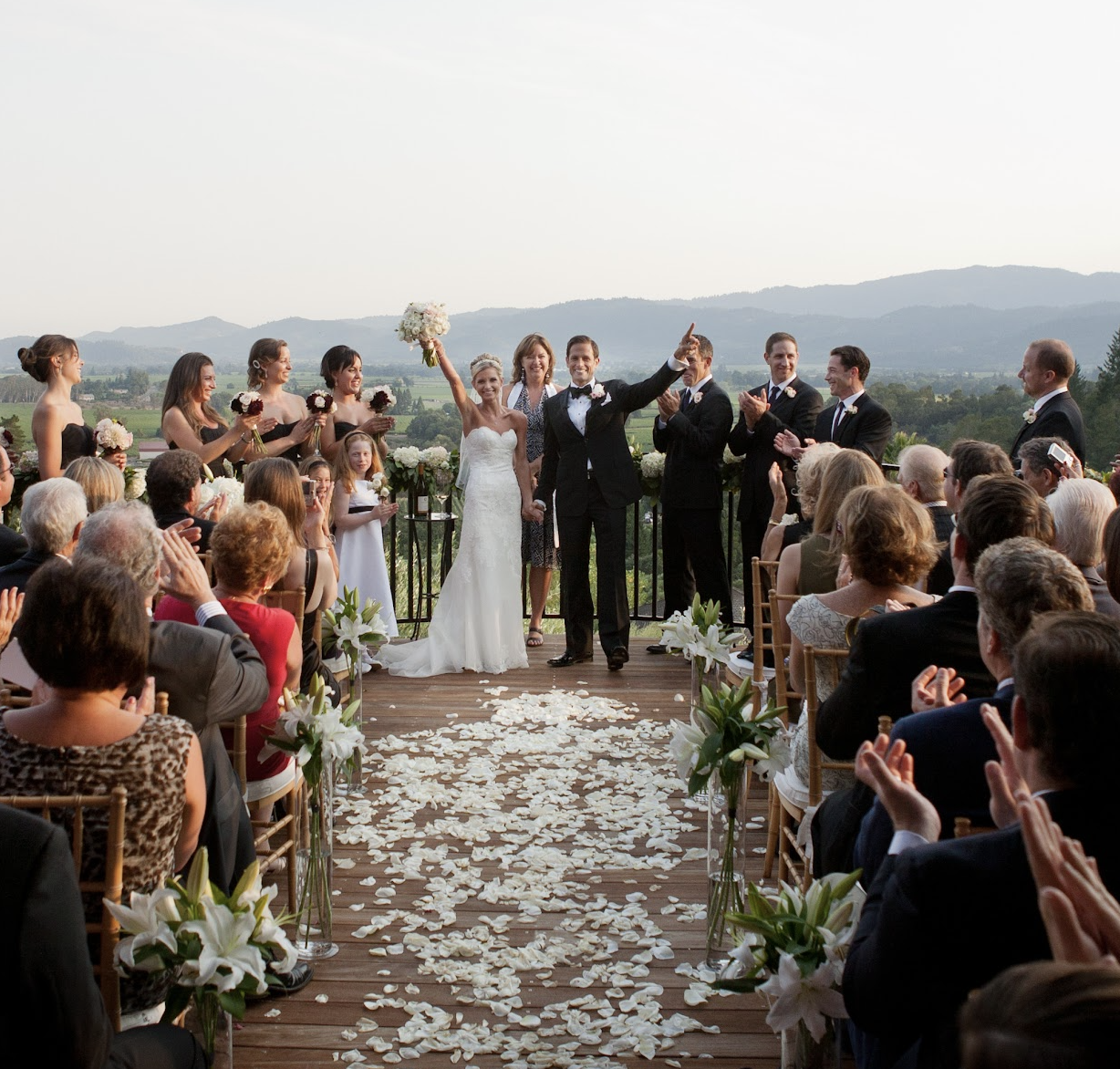
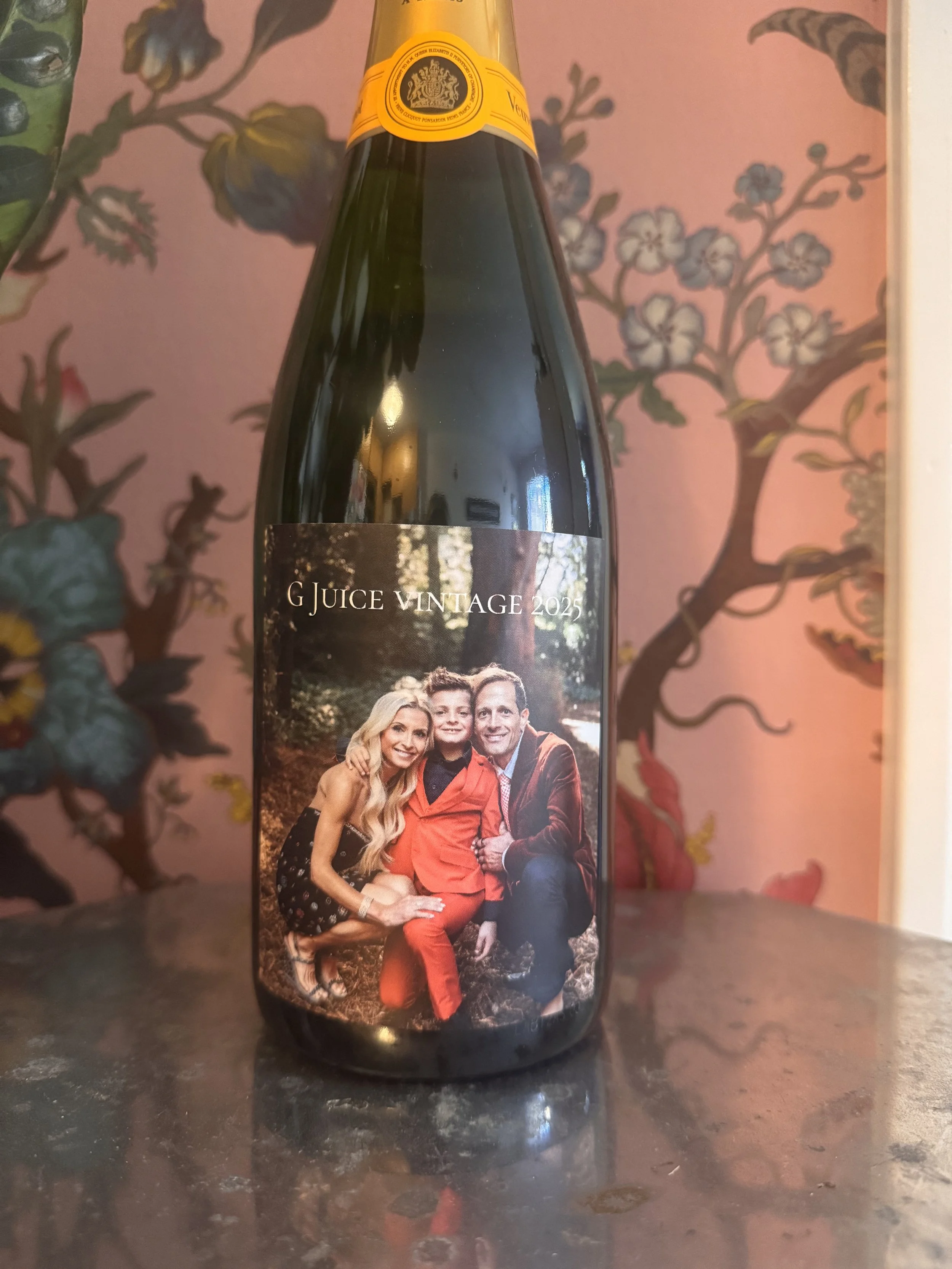
As seen in Martha Stewart Living: Gianna’s Gems: what to bring to your 4th of July party
Hi there,
Big news this week in time for America’s birthday (and my own!): I'm featured in Martha Stewart Living! They asked me to share my best tips on what to bring to a Fourth of July party, and I couldn't resist expanding on that here too, because once I started thinking about it, I had way more to say than one feature could hold.
You can read the full Martha Stewart piece here, but consider this your bonus round: more ideas, more detail, and a few of my personal go-to’s that weren’t included.
Last week, I shared some of my favorite tricks for sparking better conversation at any gathering, the magical questions, the scavenger hunts, the little prompts that turn small talk into something people actually remember (if you missed it, you can catch up here, and bring a few of those questions with you this weekend, they work beautifully at a Fourth of July table too).
This week, I'm tackling the other half of being a great guest: what you actually bring with you when you walk through the door.
As I drafted my response for Martha Stewart Living on what to bring to a Fourth of July party, it got me thinking about how much I love this topic. The "bring a bag of chips and call it a day" approach is fine, but it's a missed opportunity. The best guests I know have figured out how to bring something that's memorable, useful, and thoughtful, often all three in one. It doesn't have to be expensive or complicated. It just has to be intentional.
So whether you're headed to a backyard barbecue this week or any party you're lucky enough to be invited to this summer, here's how I think about what to bring, and how to make sure it actually lands.
The Fourth of July is one of those rare occasions where the theme does half the work for you; red, white, and blue are your palette, and nostalgia is your secret ingredient. I love leaning into that. Think old-fashioned ice pops, Cracker Jacks in their classic box, striped sugar cookies, or those retro glass-bottle sodas that make adults feel like kids again. There’s something deeply joyful about bringing something that makes people smile before they even take a bite. That’s the energy I’m going for every time.The Fourth of July is one of those rare occasions where the theme does half the work for you; red, white, and blue are your palette, and nostalgia is your secret ingredient. I love leaning into that. Think old-fashioned ice pops, Cracker Jacks in their classic box, striped sugar cookies, or those retro glass-bottle sodas that make adults feel like kids again. There’s something deeply joyful about bringing something that makes people smile before they even take a bite. That’s the energy I’m going for every time.
Food: Bring Something Beautiful (and Host-Friendly)
The golden rule? Always ask the host what you can bring, and never show up with something that demands oven space, freezer real estate, or assembly on arrival. The host is already juggling a million things and your contribution should be a relief, not a project.
My go-tos:
• A watermelon, feta & tomato salad with fresh basil and mint It’s festive, healthy, and works beautifully at room temperature or chilled. It’s the kind of dish everyone loves and is almost impossible to get wrong. Drizzle with good olive oil, fresh mint, and a pinch of flaky salt. Sometimes, I bring potted herbs with little flags sticking out of the platers and shears for people to “snip” their own herbs into the salad. Doubles as fun centerpieces and host gift!
• A flag fruit platter Arrange strawberries, blueberries, and star fruit on a gorgeous platter. The visual does the talking, and if you source or create your own beautiful serving board or ceramic platter to leave with the host, it doubles as a gift.
• Fresh-baked muffins or buttermilk biscuits in a lined basket Tuck them into a red-and-white striped tea towel (that the host keeps), tie with twine, and suddenly a humble basket of baked goods feels like something you’d find at a farmstand in the Hamptons.
Drinks: Think Everyone at the Table
Rosé is practically the official wine of July 4th, and I always bring a bottle, but I never show up without a non-alcoholic option too. The number of times a pregnant mom or a sober friend has lit up seeing a beautiful non-alc rosé in the mix… it never gets old. De Soi (yes, Katy Perry’s brand, and genuinely delicious) is my current favorite for this and comes in both individual cans and bottles.
For the kids, a festive probiotic pop or nostalgic pop in a glass bottle keeps them feeling included in the celebration.
Transport tip: Skip the plastic bag and invest in a beautiful rattan cooler bag. It’s chic on the outside, functional on the inside, and makes the whole arrival feel intentional and pulled-together.
Host Gifts: Make It Personal, Make It Last
Wine is always my favorite and always welcome, but the way you give it is what makes it memorable. Here’s how I elevate it:
• A custom wine label I design my own stickers with a family photo and the “vintage” year. It turns a bottle of wine into a keepsake (see photo attached).
• A festive tea towel wrap Wrap the bottle in a Fourth of July or flag-themed tea towel and tie with ribbon. Long after the wine is gone, that tea towel lives on in their kitchen as a little reminder of your thoughtfulness.
• A handwritten note Always. Not a card, a note. Something specific: what you love about your friendship, one thing you’re looking forward to doing together. It takes three minutes and people keep them forever.
On flowers: I only bring fresh-cut flowers if I also bring the vase. Otherwise, you’re handing the host a task right when they’re at their busiest. A better option? A potted white orchid in a navy or cobalt blue ceramic pot. It’s elegant, patriotic in its palette, and will last for years. There’s always a place for an orchid in a home.
For something truly personal, I love custom fragrance. You can create a bespoke candle or room scent for the host through Le Labo or a similar house. It takes the standard candle gift to a completely different level. A scent designed for them, for their home? That’s a gift they’ll remember.
Fun Extras: The Things That Make a Party Actually Fun
This is my surprise and delight category. I always bring custom conversation cards themed to the occasion; questions about summer memories, patriotic traditions, family lore. They break the ice, slow people down, and create real connection.
If there are kids involved, Fourth of July trivia cards are an absolute hit. Print a set of questions, bring a small prize (sparkle tattoos, a little flag kit, a bag of old-fashioned candy), and suddenly you’re the most popular person there. Competitive kids + a prize + a little friendly patriotic knowledge? Pure gold.
For the Kids
Kids make or break a party’s energy, so I always come prepared. The goal is to keep little hands busy and little faces lit up, especially during the long stretch before fireworks.
● Bubbles Classic, universally loved, and zero cleanup stress for the host. Bring a few extra wands and the big bottle. Kids (and honestly, adults) never tire of them.
● Glow sticks and glow necklaces An absolute must for after dark. Kids go wild for these on the 4th, and they double as the best pre-fireworks activity. Bring a big bag and be everyone’s favorite guest.
● Patriotic pinwheels They double as decorations and instant toys. Stick them in the yard, hand them to the kids, and watch the magic happen.
● Temporary patriotic tattoos Stars, flags, eagles — kids beg for these and they keep little ones entertained for a solid 20 minutes just applying them.
● Bomb Pops or push-up pops The Bomb Pop is basically a July 4th icon. Tuck them in your rattan cooler alongside the rosé and you’ve covered every generation at the party.
● Old-fashioned candy in a mason jar Think candy buttons, Fun Dip, Pixy Stix, and Pop Rocks. Tie with a ribbon and a little flag pick. It’s a centerpiece and a treat all in one. Can also be used as a prize for the trivia questions.
“The best guests are the ones who bring something that makes the host’s life easier and the party more memorable, and often, those two things are the same.”
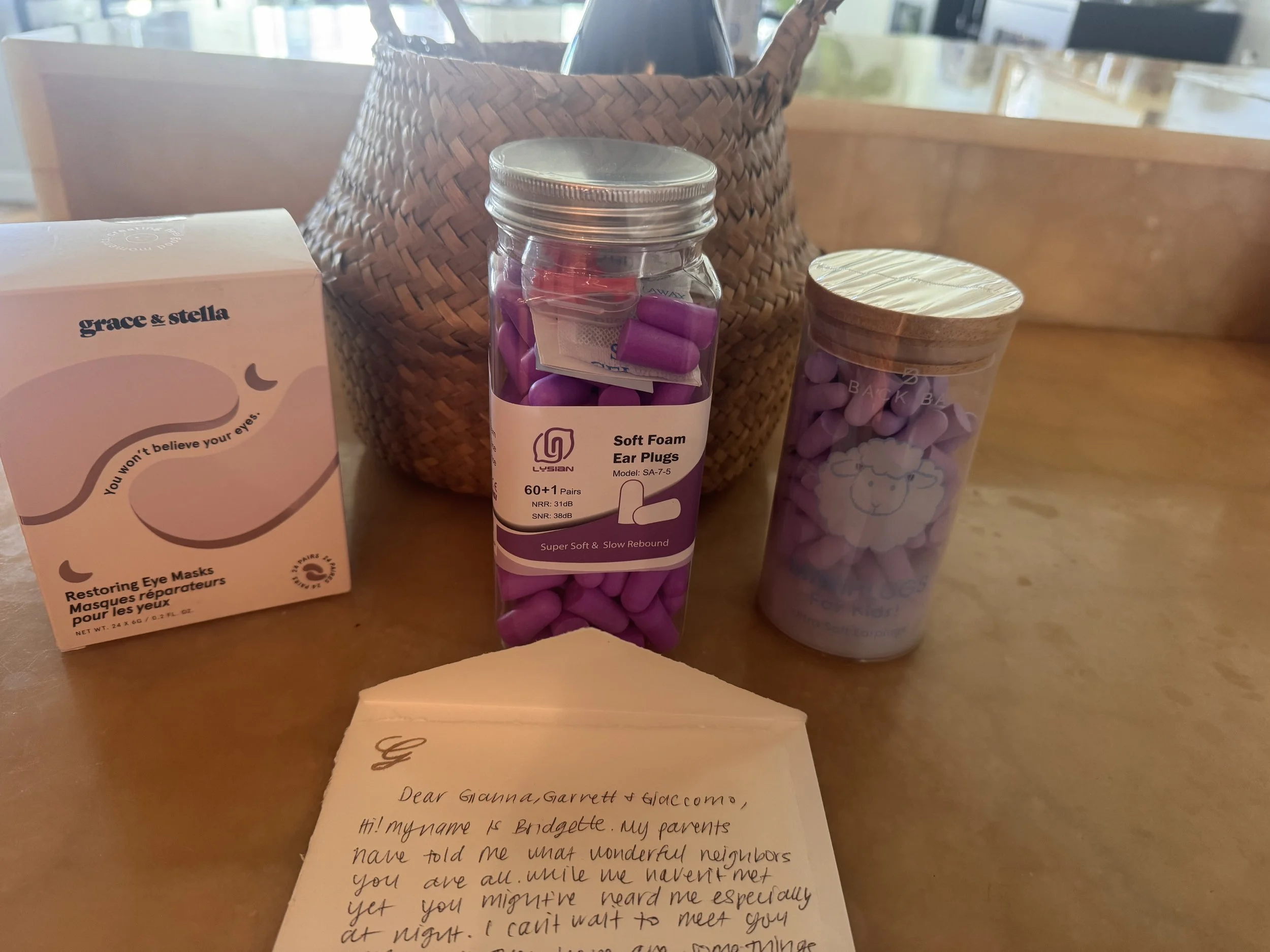
Gianna’s Glimmer - No More Bad Conversation. Magic Questions and more.
Hi there,
I just got back from a family vacation in Napa, and one of the small things I packed ended up being one of the best things I packed: a deck of conversation cards for dinner every night.
One evening, our waiter noticed the deck on the table and asked what they were. I told him they're a great way to spark conversation, learn something new about the people you're with, and stretch your imagination at the same time, rather than defaulting to the same dinner-table small talk. Then we pulled a card and asked him the question: What movie would you never want to watch twice?
He lit up thinking about and then sharing his answer. And we felt like we got to know him a little bit better…as a human.
Gianna's Gem: The right question at the right moment can turn a transactional interaction into a memorable one. It costs nothing and takes ten seconds to ask. It creates engagement and inclusivity and a little spontaneous surprise and delight.
Priya Parker, author of The Art of Gathering, has a name for questions like this. She calls them "magical questions." Her definition: a question is magical when everyone in the group is interested in answering it, and everyone is curious to hear everyone else's answer. It's a simple equation, but it's the difference between a question that lands and one that falls flat.
The questions that don't work are the ones we default to on autopilot: How are the kids? How's work? Anything new? They're not bad questions, they're just tired. They invite a status update, not a story.
Magical questions do something different. They invite a story instead of an opinion, and in doing so, they let people show up as more than their job title or their role in the room.
A few of my favorites to keep in your back pocket:
What is one thing you own that probably nobody else in this room owns?
What's the first concert you ever went to, and who took you?
What's a path you almost took but didn't?
What topic could you give a 20-minute talk on with zero preparation?
Before your next dinner party, networking coffee, or kid's school pickup line conversation, bring one or two of these with you. The moment conversation starts to lag, that's your cue. I often throw a few in my purse and even use them if I’m out entertaining a few of my sons friends - they love it and we all end up with a few laughs as well. For dinner parties, you can also slip a couple under everyone’s plate and it creates a way for people to actively engage and ask questions that are prepared in advance and spark group conversation.
Gianna's Gem: You don't need to wait for conversation to get interesting on its own. You can simply bring the spark with you.
But the magical question is not the only way to spark better conversation. Here are a few other gems I use regularly to keep conversation engaging and playful:
1. Co-create a scavenger hunt. If you're on a group trip, build a list together before you go (or on the first day together) and require photo proof along the way. In Napa, our family hunted for things like pink hair, a bride, a skateboard, a Ferrari, a grasshopper, a balloon, a hummingbird, etc. It kept everyone looking up and around instead of down at a phone, and it added just enough friendly competition to make people pay attention to the place they were actually in.
2. Pair the meal with an experience. Don't just plan a dinner. Plan a dinner after something: forest bathing, a wine tasting, a painting class, a friendly poker game. Conversation flows so much more easily when people have already shared an experience together. You're not starting from zero, you're picking up a thread that's already there.
3. Ask everyone to bring something to share that’s under $50. Fancy sun lotion or hand cream to share. A genuine compliment. A square of good dark chocolate. A bottle of wine. Even a joke or a compliment. It doesn't matter what it is, what matters is that everyone gets to give and receive. People leave feeling like they contributed to something, not just attended it.
Stack these all together, and your magical question isn't doing all the work alone at a quiet table. It's landing on a group that's already warmed up, present, and a little more generous with each other than when they arrived.
XX,
Gianna
What I'm Loving This Week: Good Humans Example
A New Baby Care Package…But for the Neighbors, not the new parents
Our favorite next door neighbors just welcomed a newborn, and of course, we sent over goodies to welcome the baby. What I didn't expect was what came back: a basket from them, for us, with wine, earplugs, and under-eye patches, along with a note written "from the baby" apologizing in advance for any crying we might hear through the walls.
I was so delighted by the thoughtfulness, I haven't stopped talking about it. It flipped the script entirely. The new parents, who have every excuse to be depleted right now, took a moment to think about our experience too.
Everyone should be this thoughtful. Consider this your nudge: if a neighbor welcomes a baby, a little something for the people who'll be living next door to the new noise might be the most memorable gift you give all year.
Gianna’s Gems is a weekly exploration of ideas that transform the ordinary into the extraordinary. If you found this valuable, please share it with a fellow magic-maker, and subscribe for more inspiration delivered directly to your inbox.
For coaching or a quick consult, book a 1:1: intro.co/GiannaGaudini
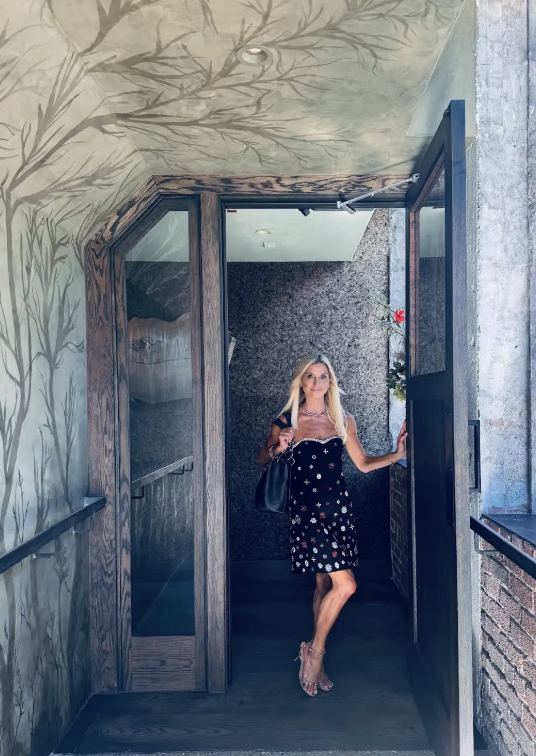
Gianna’s Gem: I Went to Dinner at Wolfsbane. I Took Notes. Here's Why…
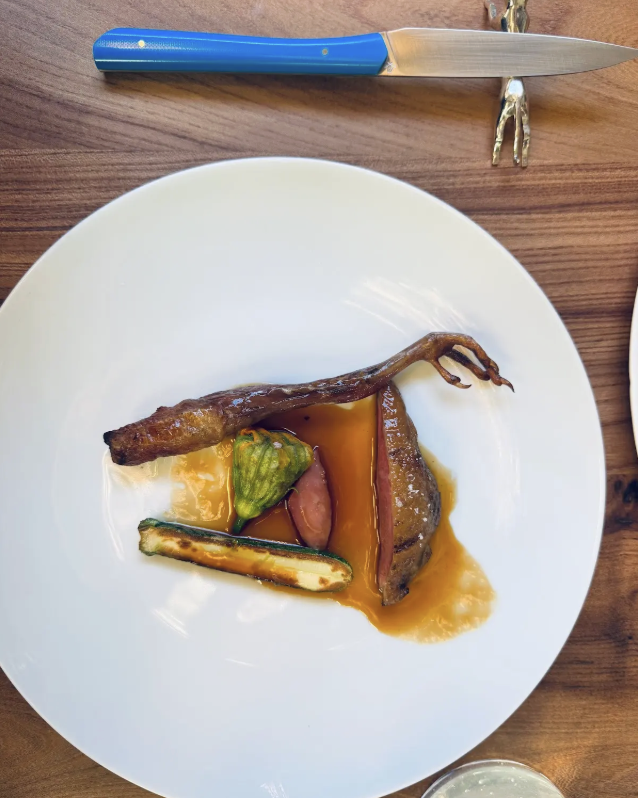
Hi there,
I’ve spent my career designing the kind of experiences that make people feel truly seen, surprised, and delighted. Corporate conferences, product launches, intimate executive dinners. I think about every touchpoint, every transition, every detail. So when I sat down recently at Wolfsbane, the stunning new tasting menu restaurant in San Francisco’s Dogpatch neighborhood, I didn’t just eat dinner. I took notes for you.
What I experienced was fresh, deeply thoughtful, and unmistakably intentional…A nine-course journey that drew parallel after parallel to how I craft experiences for events. Wolfsbane is, without question, a masterclass in creating a memorable experience that surprises and delights at every turn - is elevated yet approachable, and an experience I’d unequivocally recommend to anyone.
And…the best part is, if you want to bring the magic of this fine dining brick and mortar experience to your events, they have a catering company, Foxtail Catering, which was actually where I first met Chef Tommy and experienced the cuisine while at an AI Leader’s Dinner I blogged about (and raved about) back in March. This is a
The Dream Team Behind the Magic
Wolfsbane is the creation of three culinary forces: Tommy Halvorson, a Kentucky-born chef, catering veteran, and the owner of Foxtail Catering & Events, teamed up with Michelin-starred chef Rupert Blease and his wife and general manager Carrie Blease, the beloved couple behind Lord Stanley, which earned a Michelin star and ran for a decade in San Francisco before closing in May 2025. Together, they transformed the former Serpentine space at 2495 Third Street into one of the city’s most anticipated fine dining destinations.
Rupert and Carrie met at Raymond Blanc’s legendary Michelin two-starred Le Manoir aux Quat’Saisons in England, worked through New York kitchens including Per Se and Blue Hill, and made San Francisco their home and life’s work. Wolfsbane, named for the folkloric plant said to help werewolves hold onto their humanity, is their second act. And it is extraordinary.
The experience was part Michelin-star fine dining, part whimsical adventure; a beautifully decorated room hung with flowers, elevated service, and playful, approachable touches that make the room feel alive rather than stuffy.
Gianna’s Gem: Great hospitality, whether it’s a tasting menu or a corporate conference, is never accidental. It’s obsessively, lovingly designed. And when it works, people don’t just remember what they ate or what they heard. They remember how they felt.
What We Can Learn From Wolfsbane
Here’s how Wolfsbane’s experience maps directly to the principles I apply to every event I design:
1. Personalization: The Details That Say “We See You”
At the best events, guests never feel like one of thousands. They feel like the only one in the room. Wolfsbane achieves this with effortless grace:
• Guests choose their own chopstick holder at the start of a fish course - each “chopstick animal” playfully named by the staff to add an extra element of fun.
• Pick your steak knife color: a tiny choice that feels surprisingly personal.
• For guests with dietary restrictions, the adaptation is seamless and invisible. My gluten and dairy-free menu never made me feel like an afterthought. My dessert was a perfect truffle, exactly what I would have wanted. I didn’t feel like I was missing out. I felt considered and perfectly satisfied, not deprived.
• A thoughtfully curated mocktail menu for non-drinkers, because inclusion is an experience design decision.
• For guests who want the Wolfsbane magic without the full prix-fixe commitment, a communal table offers à la carte dining. There’s a format for everyone.
2. Presentation: Surprising, Delightful, and Deeply Creative
In events, we talk constantly about “surprise and delight.” Wolfsbane delivers it with every single course. These are the moments that made me lean over and grab my phone to take notes:
• A carved-out onion arrived filled with scallop, onion “soup,” and fried onions. It tasted like the pure, concentrated essence of onion, surprising in execution and deeply delicious.
• At the first course, sunflowers were presented, and the base of each flower was an artichoke heart filled with sunbutter and poppy seeds. Beauty and function, united.
• For dessert: a chocolate and banana creation that looked, and smelled, exactly like a cigar. They actually have a room in the back where cigar smoke is blown onto the dessert. It’s theater. It’s genius and evokes all the senses.
• A whole leg of squab, including the feet, was presented tableside. What could have been off-putting became memorable (and the drumstick was one of the best bites of the night!). Alongside it: a piece of bread soaked in the jus, a nod to the Italian “scarpetta” tradition of mopping up sauces at family meals. Story told through food.
• A single oversized ice cube, the size of a stick of butter, in my water glass. A tiny detail that somehow felt extraordinarily considered.
3. Ambiance: Every Sense Is an Opportunity
• The main dining room and the bathroom play different music. Different soundscapes for different moments, a detail so few bother with and so easy to implement.
• Whimsical flowers hang from the ceiling throughout, creating a sense of wonder and warmth that draws you into another world.
• The room is clean and elevated without being stuffy. Fine dining without the formality barrier, approachable enough that guests can relax, polished enough that they feel special. There is no other dining room like it.
4. The Full Journey: From Welcome to Send-Off
In event design, I always say: the experience doesn’t end when the last session ends. The closing moment is the one people carry home. Wolfsbane understands this better than almost any event I’ve attended:
• Guests are welcomed by name at the door, and that genuine warmth carries through the evening with thoughtful servers and the owners themselves circulating, checking in, and making real conversation.
• As you leave, you’re handed a gorgeous branded artisanal wood box filled with a freshly baked loaf of bread and preserves. The last impression is one of abundance and generosity. You don’t just leave full, you leave with a gift, and a story to share over their homemade bread for breakfast the next day.
5. Quality: The Foundation Everything Else Rests On
Here’s what I say to every client: surprise and delight can’t save a bad product. At Wolfsbane, the substance matched every ounce of the theater:
• Every single dish was a home run: well-seasoned, balanced, seasonal, and genuinely unique. Nothing felt dated or gimmicky.
• The portions were substantial enough to be filling (almost unheard of at a tasting menu) and I actually had to share bites with my husband. That’s saying something.
• Service was seamless throughout, water always refilled, the table always tended, attention always present without being intrusive.
• Every element of the table setting, the ceramics, the silverware, the glassware, was gorgeous. No detail too small to care about. Every course different and intriguing.
Gianna’s Gem Action Step: Map your next event (or dinner party, or meeting) as a guest journey: arrival through departure. At every single touchpoint, ask: “How can I make this person feel more seen, more surprised and delighted, or more memorable?” Then make one change you haven’t made before.
Wolfsbane is currently one of the hardest reservations in San Francisco, and worth every effort to secure one. It is not just a meal. It is a reminder of what’s possible when a team of deeply talented, deeply caring people decide that ordinary is never enough.
That’s the bar. For them. For us. If you live in San Francisco, or have a chance to visit, this is a can’t miss experience - you have my word.
What I’m Loving This Week
Wolfsbane: 2495 Third Street, San Francisco (Dogpatch). The nine-course tasting menu rooted in Northern California’s seasonal bounty. Book it. Reserve the communal table if the main dining room is sold out. Check out the private dining room as well for groups up to 10.
Foxtail Catering & Events Here's a pro tip that goes beyond the dinner table: Chef Tommy Halvorson's catering company, Foxtail, is a masterclass in smart business strategy. While Wolfsbane delivers the full fine dining experience to a lucky few each evening, Foxtail brings that same culinary philosophy, thoughtfully sourced, seasonal, technically advanced, to the masses, servicing weekly SF corporate clients, private events, and weddings with the same commitment to restaurant-quality food and flawless execution.
The model is genuinely clever, and one every event and hospitality business should study: the Michelin-pedigreed tasting menu builds the brand and the buzz; the catering company scales the reach and the revenue. If you want an intro, let me know and I’m happy to personally connect you to the dream team here.
Final thought: Ask yourself… where is the premium version of your service, and where is the scalable one? The two can coexist beautifully, and Foxtail + Wolfsbane is proof. If you're in the Bay Area and need a catering partner who refuses to believe event food should ever be an afterthought, the Foxtail team is your call.
Gianna’s Gems is a weekly exploration of ideas that transform the ordinary into the extraordinary. If you found this valuable, please share it with a fellow magic-maker, and subscribe for more inspiration delivered directly to your inbox.
For coaching or a quick consult, book a 1:1: intro.co/GiannaGaudini
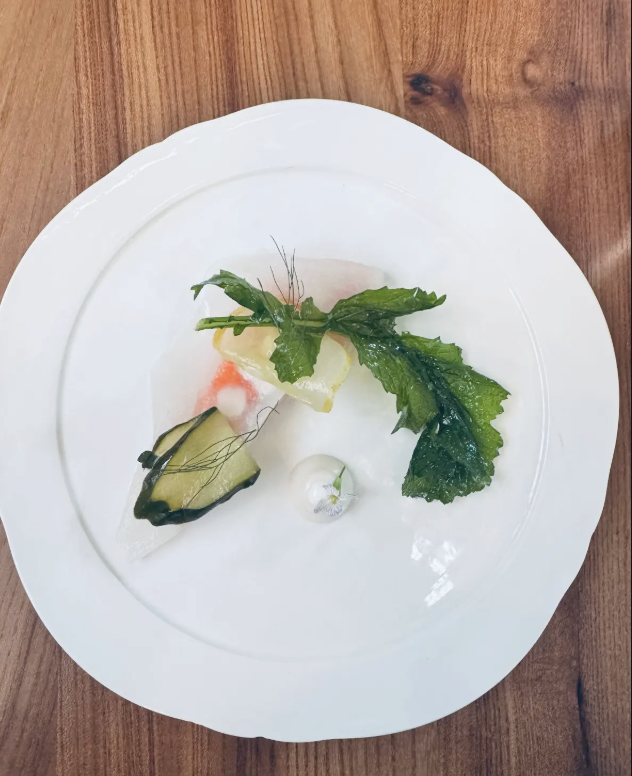
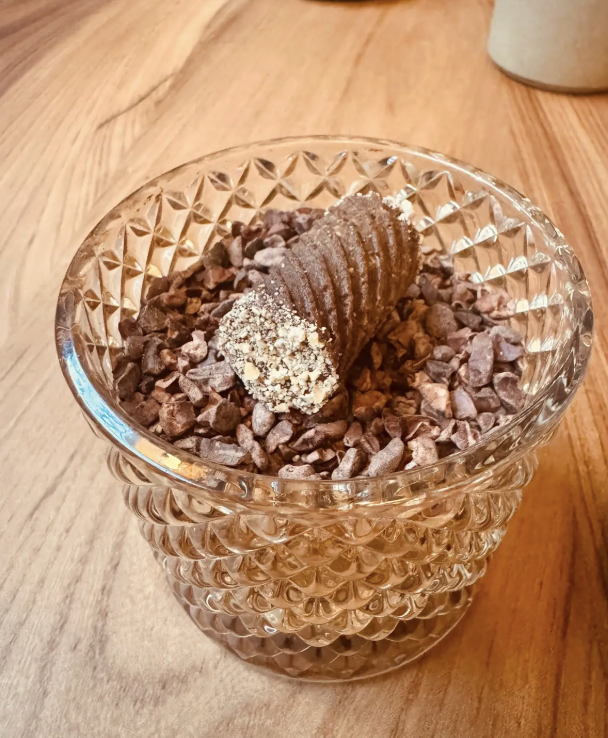
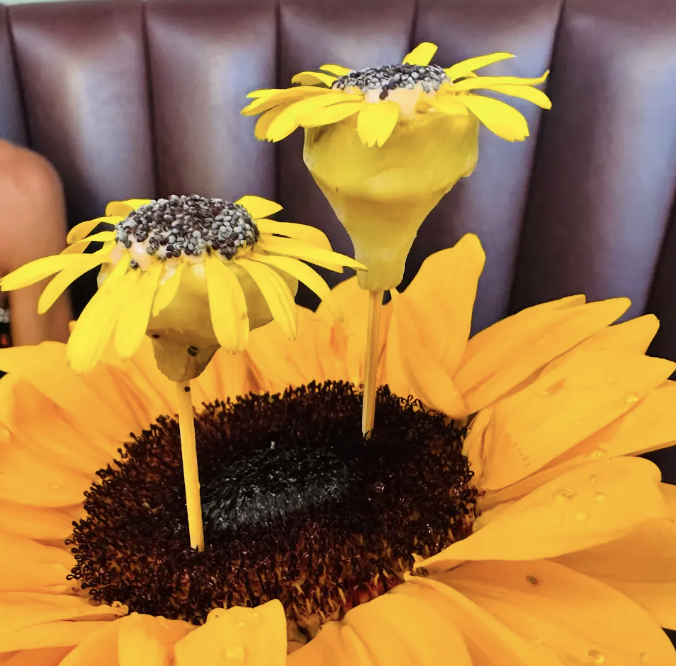
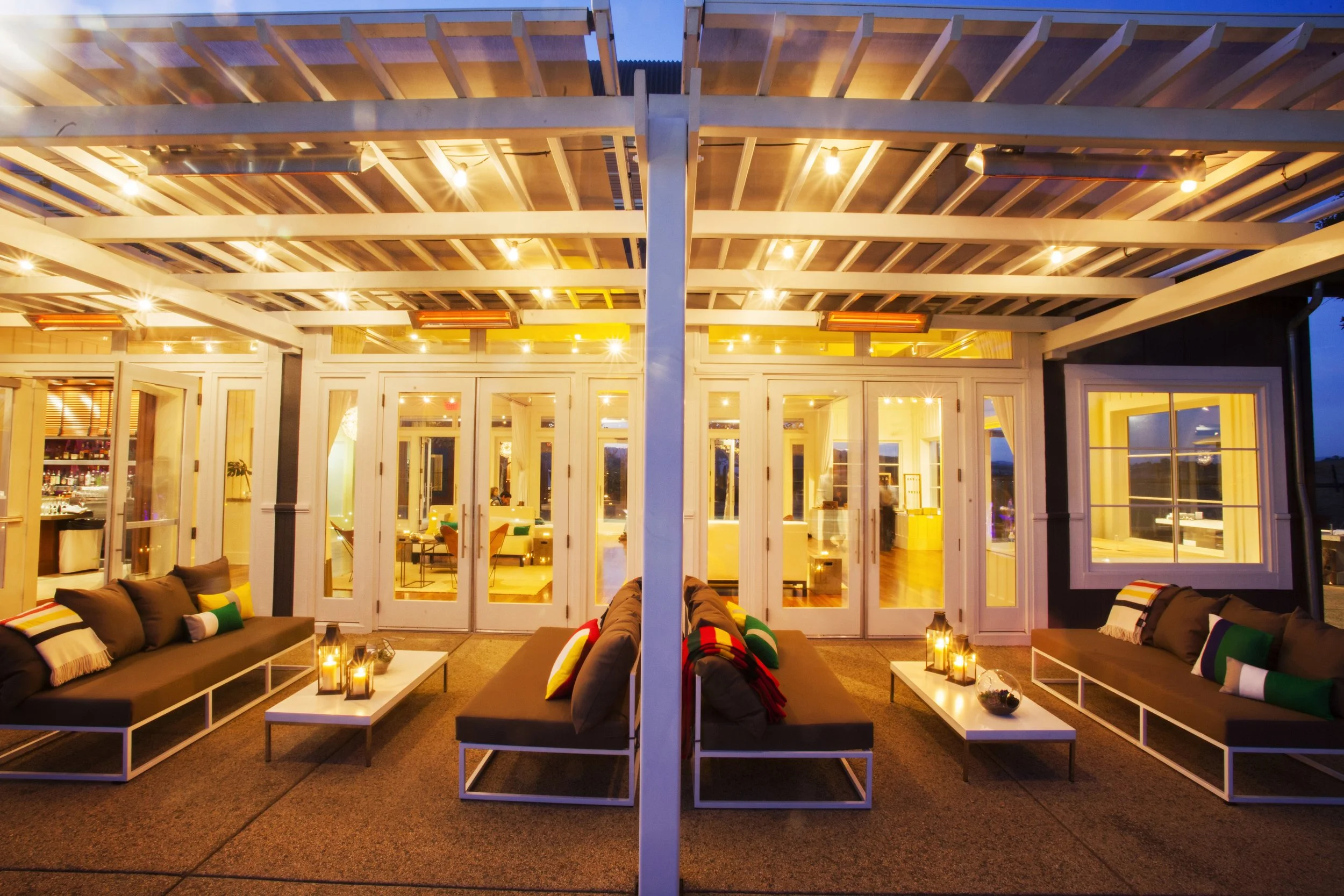
Gianna's Gem: Champagne Wishes, Bud Light Budget? I got you covered.
hi there,
I’m launching my annual summer AMA - send me your burning questions about events, strategy, leadership, wellness, and everything in between. Drop me an email and I’ll be answering one each month over the summer in an abbreviated version of Gianna’s Gems. (I’m calling these shorter form Gems “Gianna’s Glimmers”).
This Week’s AMA asked by a good friend who runs content strategy for some of the top brands in the world.
“How do you approach situations where your boss or client wants champagne on a beer budget?How do you frame it, and what do you say to keep the peace but still set reasonable boundaries and expectations?”
I love this one, and yes, I have many examples. Let me introduce you to the phrase my father, a former CTO and engineering leader, passed down to me early in my career. It has saved my sanity more times than I can count and Executives respond to it well because it’s logical, simple and reasonable.
I’ve been spending a lot of time lately with founders, product marketers, and recently attended the 2024 Engineering Leadership Conference. All of it has me coming back to this idea again and again, so this week’s Glimmer is all about trade-offs and stakeholder management for event planning.
“Cost, Schedule, Features. Pick Two.”
This concept is well-known in project management and product development (my husband’s profession). It’s called the Project Management Triad or the Triple Constraint. Here’s how I translate it for events:
Cost: The budget and resources allocated to the event.
Schedule: The timeline and date for planning and execution.
Features: All the bells and whistles, i.e. gifting, sessions, demos, you name it.
The theory is simple: you can optimize for two of these factors, but doing so will always affect the third. Instead of saying “no” (which rarely lands well), I walk clients through the trade-offs. Most stakeholders understand that cheap + fast + fully-featured isn’t realistic… they just need someone to show them why.
The Three Scenarios
Scenario 1: Prioritize Cost and Schedule
Keep the budget and the timeline. Something has to give; fewer attendees, fewer keynotes, no live stream, a simpler app. The event still happens; it’s just leaner.
Impact: Features take the hit.
Scenario 2: Prioritize Schedule and Features
Full feature set, same timeline… budget climbs. Rush fees, premium vendor rates, and more labor all add up. I use this one constantly: when clients keep adding requests, I say “yes, and here’s what it costs.” That usually does the trick.
Impact: Budget takes the hit.
Scenario 3: Prioritize Cost and Features
Full bells and whistles at your set budget… but the planning window stretches. Early-bird venue discounts, more time to negotiate with vendors, no rush premiums. Think: planning a wedding on a Wednesday instead of a prime Saturday.
Impact: Timeline takes the hit.
This framework doesn’t just help you push back — it gives your client or boss a concrete choice. They’re not being told “no.” They’re being empowered to decide what matters most.
Pretty simple, right?
Cost, Schedule, Features - Pick Two.
Happy prioritizing!
XX,
Gianna 💎
What I’m Loving This Week - Dejama Bird Boxes
I first experienced this delightful item in my mom’s bathroom! An interior designer with impeccable taste and a sharp eye (and ear) for details, she used this simple little device to create a moment of pure surprise and delight.
The Dejama Bird Box creates birdsong when someone passes by. Think: entering a bathroom, a hallway, or a quiet corner of an event space. It’s motion-activated, under $50, and requires zero effort to install.
For event planners and hosts, this is the kind of low-cost, high-impact detail that guests remember. It doesn’t shout for attention, it surprises you when you least expect it. That’s the magic of a well-placed sensory detail.
The Gem: You don’t need a big budget to create a moment. Sometimes a $50 bird box in a bathroom does more for your guests’ experience than a $500 centerpiece.A great room is a decision, not an accident.
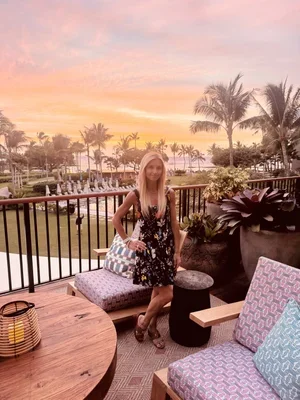
Gianna's Gem: Sexy Property Spotlight Mauna Lani, Auberge Collection, Hawaii
I've spent a lot of time in Hawaii over the years…Few properties have captured my heart the way Mauna Lani, Auberge Collection has. This isn't just a resort…it's a completely immersive Hawaiian experience wrapped in a freshly renovated, strikingly beautiful package that somehow manages to feel both genuinely luxurious and deeply welcoming and authentic…it’s a property that takes luxury and quality a step further by constantly innovating while maintaining a sense of place and history that priceless. Whether you're planning a multi-generational family vacation, a corporate retreat, or a milestone celebration, Mauna Lani delivers on every level, and even surprises you with moments of delight you didn't even know to ask for.
And I'll be honest: the moment I arrived, my event planner brain lit up like the Big Island sky at sunset. I am already dreaming about bringing a group here… and I want you to be first in line.
Why This Property is a Standout: It Thought of Everything
Let me start with the design, because it sets the tone for everything that follows. The renovation at Mauna Lani is chef's kiss. The aesthetic is clean, airy, and unfussy elegance with an abundance of high quality natural textures, warm neutrals, and open-air architecture that lets the volcanic landscape and Pacific coast views shine. It doesn't try too hard. It doesn't need to.
Walking through this property, you immediately feel the care that went into making every corner feel intentional. This is the kind of design that photographs beautifully but more importantly, lives beautifully. You can exhale the moment you arrive. It’s luxury that families can enjoy without worry.
And the rooms and spaces themselves? Thoughtfully laid out making use of every square inch, modern without being cold, with a clean, edited sensibility that signals genuine quality. Nothing feels dated, nothing feels spliced together. It's the kind of renovation that makes you think: they actually talked to guests before they designed this.
The Full Hawaii Experience…Without Ever Leaving the Property
Here's what I find most remarkable about Mauna Lani: you could genuinely spend your entire trip on property (I did!) and leave feeling like you had an authentic, complete Hawaiian experience with new discoveries and surprises to be found each day. That's extremely rare. Most resorts ask you to choose between luxury and immersion. Mauna Lani refuses to make you choose.
The crown jewel? The ancient Hawaiian fishponds that sit at the heart of the resort. These are genuine, historically significant loko iʻa (fishponds) that have been part of this land for centuries. Watching the tropical fish glide through crystal-clear water with the open ocean as your backdrop is one of those moments that quietly takes your breath away. Every morning on my daily run I observed something unique - from jumping fish to eels, it never got old and offered an adventure just minutes away from where I woke up.
The Ancient Fishponds & Lava Tubes: Living History You Can Actually Touch
This is what separates Mauna Lani from every other luxury resort in Hawaii, and honestly, from most resorts anywhere in the world. Steps from the beach, the resort is home to the Kalāhuipuaʻa Historical Park, a 27-acre sacred preserve encompassing seven ancient Hawaiian fishponds, collapsed lava tubes, and petroglyphs that date back as far as 250 A.D. This is not a display. This is the real thing, and it is breathtaking.
The seven fishponds span over 15 combined acres and reaching depths of nearly 20 feet, once the prized property of Kamehameha the Great himself. The ponds are fed by a remarkable combination of natural freshwater springs and ocean tidal action, creating a brackish environment that ancient Hawaiians engineered with astonishing ingenuity. Walking alongside them, watching mullet leap and shimmer in the emerald water beneath swaying palms, you feel the weight of centuries in the best possible way.
The lava tubes woven throughout the park add another layer of wonder entirely. These ancient underground tunnels were formed when the outer surface of a lava flow cooled and hardened while molten rock continued flowing beneath, eventually draining away and leaving hollow pipelines behind. Ancient Hawaiians discovered that these tubes made extraordinary shelters: cooler, drier, and more protected from the wind and rain than any surface structure.
And then there's the insider secret that my contact at the resort tipped me off to, and which became one of the unexpected highlights of the trip for my son and me: the "fish pedicure" pool. Tucked along the trail, there is a spring-fed pool where tiny fish have become so accustomed to visitors that they will happily nibble the dead skin from the soles of your feet. My son and I dangled our feet in and dissolved into laughter… it is the most delightful, ticklish, completely bizarre and wonderful sensation, and watching a kid experience it for the first time is pure joy. It's the kind of tip that doesn't make it into any brochure, which is exactly what makes it special.
Beyond the priceless fishponds, the water activities program and beach are exceptional. Snorkeling right off the property gives you direct access to the extraordinary marine life that makes the Big Island coast so special. Paddleboarding on calm waters with lava fields and mountains in the background is a postcard that can't be staged. A highlight for us was the sunrise canoe which featured traditional Hawaiian outriggers and guides setting sail with a small group right as the morning sun rises over the glassy water.
I’m not exaggerating when I say the canoe ride was magnificent and even spiritual. Paddling out on the open water in the golden early morning light, Hawaiian guides sounding the conch, invited us to meditate as we paddled in a kind of reverence to the land and water, with the Big Island coastline still, quiet, and glowing around us, was one of those profound, rare moments where you think: this is exactly what travel is for. The kind of experience that a kid talks about for years (my son will). The fact that Mauna Lani offers it as a "surprise and delight" experience says everything about how this property thinks about its guests while highlighting the local culture.
Built for Families, In The Right Way
I say "the right way" because families know there's a meaningful difference between a resort that tolerates kids, caters to kids and one that was actually designed with kids AND their parents in mind. Mauna Lani is firmly in the latter category, and it shows.
Every day brings structured, genuinely fun activities and experiences for kids that connect them to Hawaiian culture in memorable ways. Coconut shucking? Absolutely. Kids go home with a skill and a story. S'mores making at sunset while star gazing with a local Hawaiian guide? The kind of memory that lasts longer than any souvenir. These aren't afterthoughts; they're curated programming that makes children feel seen and included, educate about the place and culture, and are engaging for kids and parents alike…which, as any parent knows, is what makes a family trip actually feel like a vacation for everyone.
The Brand New Francis Brown Club: A Giant Living Room in the Sky
Here's something I can say I genuinely stumbled into, and it turned out to be one of the highlights of the trip: we arrived on March 28th, the exact day the brand new Francis Brown Club opened its doors. Talk about timing.
The concept is brilliant, and I'm surprised more luxury resorts haven't cracked this code. Mauna Lani took a prime space on the Lobby Level, one that previously housed private events and meetings but was chronically underutilized, and transformed it into an elevated Club experience for guests who want to opt into a next-level stay. For a per-trip fee, Club access unlocks a genuinely impressive suite of perks: a complimentary and amazing morning buffet, evening happy hour, all-day snacks (including an ice cream station, raw bar, healthy bites, and — yes — a candy bar), a complimentary tennis/golf lesson, reserved beach seating, and use of a house Mercedes. It's the kind of upgrade that actually upgrades your trip, not just your room category.
But what made it land for our family wasn't any single amenity, it was the feeling of the space. The Club overlooks the beach and resort, and it's been designed to feel like like a hotel lounge and more like an extraordinarily beautiful giant living room. We were welcomed there for check-in rather than waiting at the front desk, greeted with champagne and the most incredible freshly baked chocolate chip cookies (the whole place smelled like someone's dream kitchen) and given a personal tour before we'd even seen our room. It set the tone for the entire stay.
The game room and terrace became our family's unofficial home base. My son and I played poker out on the terrace with a glass of their exceptional wine in hand, looking out over the resort… and I thought: this is the kind of moment that doesn't happen by accident. It happens because someone designed a space intentionally to encourage guests to slow down, connect, and actually talk to each other. The Club functions as a social hub in the best possible way, sparking the kind of easy, warm conversations between guests that you'd normally only get at a great dinner party. Smart hospitality, beautifully executed, and on opening day, no less.
Two Exceptional Restaurants That Were 10/10
Mauna Lani's dining scene is genuinely excellent, not "good for a hotel" excellent, but excellent excellent to the point that we booked one of them for two nights just to be able to taste everything on the menu.
This is the resort's iconic oceanfront restaurant, and one of the most storied dining destinations in all of Hawaii. Perched on a private half-acre lawn at the ocean's edge, CanoeHouse celebrates Hawaii's connection to land and sea with Japanese-inspired fusion cuisine helmed by a truly exceptional culinary team. The sunset views are legendary, the seasonal menu is thoughtful and locally sourced, with delightfully executed dishes that are part theater, packed with flavor… and the fire pits on the lawn for sunset cocktails are the perfect touch. This is one of those restaurants you talk about long after you leave and could genuinely eat at every night. Fun Fact: Executive Chef, Rhoda Magbitang, is currently featured on this season of Top Chef!
Overlooking the resort pool, HāLani brings a coastal Mediterranean sensibility to the heart of the Big Island and it works beautifully for families who want to be able to let their kids run around on the lawn while enjoying approachable but high quality dining. It's the kind of restaurant that's perfect for a family dinner or a long, leisurely evening with friends: warm, lively, with shareable From the wood fired pizza and pitas to the charcoal grilled fish, veggies, and meats, the dishes are fresh, seasonal, and craveable with unparalleled service to boot.
And then there's the Surf Shack, a casual, toes-in-the-sand counterpart that completes the picture. Located at the Mauna Lani Beach Club right on the water, this is where you land after a morning of snorkeling or a surf lesson or for happy hour with friends: sun-kissed, hungry, and not remotely interested in changing out of your swimsuit. Fish tacos, fresh beachside bites, cold drinks, live music as the afternoon winds down…it's exactly what a beach shack should be, done with the quality and care that defines everything else on this property. Don't make the mistake of dismissing it as just a grab-and-go. It's a genuinely fun, delicious spot that the whole family will want to return to every single day.
Event Spaces That Just Work
As an event planner, I can't walk a property without mentally staging it…the Mauna Lani was made for events, and the variety and quality of spaces available is genuinely exceptional.
The outdoor venues alone could anchor an entire event program. Kilohana Beach offers a toes-in-the-sand beachfront setting right alongside CanoeHouse; there is no more dramatic backdrop in Hawaii for a dinner, reception, or ceremony. The Hoku Lawn and Papakōnane Sunset Lawn deliver sweeping oceanfront settings ideal for cocktail receptions and seated dinners under the stars, while the Milo Tree Lawn brings an intimate, almost spiritual quality perfect for ceremonies and smaller gatherings. For larger productions, the Hale Hoaloha Pavilion is a fully air-conditioned, dynamic indoor space that can handle anything from black tie galas to large-scale corporate presentations, and crucially, it serves as a beautiful weather backup so your event never gets held hostage by the elements.
Wellness Done Right: Spa, Fitness Center, and Courts
The Auberge Spa is a sanctuary - beautifully appointed, with a service menu rooted in authentic Hawaiian healing traditions and locally sourced botanicals. Signature treatments like the Lomi Lomi massage and exclusive goop Glow Facial bring real intention to every session.
And if the spa boutique tempts you (it will), Mauna Lani is home to Hawaii's only Goop store, Gwyneth Paltrow's beloved clean beauty and wellness brand, curated right on property. Whether you're stocking up on skincare, picking up a gift, or just browsing beautiful things after your treatment, it's the perfect cherry on top of an already exceptional spa experience.
The Fitness Center is high-quality ad seriously well-equipped with Peloton bikes, rowing machines, HIIT Mills, and an open-air terrace where you can train with the sea breeze naturally reviving you. And, the resort also has a separate Mauna Lani Sports Club facility right next to the tennis courts, just minutes away, meaning you never fight for equipment. Pick your adventure, or enjoy the running paths along the fish ponds and through the lava tubes (my personal favorite way to start the day).
Tennis courts (and pickleball!) round out an offering that covers every guest who wants to stay active. Whether you're a dedicated athlete or someone who likes the option to move their body, the infrastructure here has you genuinely covered.
The Bottom Line
Mauna Lani perfection is what happens when a world-class resort operator takes a spectacular piece of land, renovates it with genuine taste, honors the land/traditions, and then programs it with the intelligence and generosity of a team that genuinely loves Hawaii and wants guests to fall deeply in love with it too. The luxury here is real but never precious. The activities are plentiful but never chaotic. The vibe is elevated but never exclusive in a way that makes anyone feel unwelcome.
Would I return? Already planning it. Maybe annually.
Would I recommend it for your next family trip, corporate program, or milestone event? Without a single hesitation.
So here's my question for you: who wants to be the first to plan an event with me at Mauna Lani, Auberge Collection? Whether it's a corporate incentive trip, a milestone birthday, a wedding, or a family reunion that people will talk about for the rest of their lives… I want to make it happen here. I have the relationships, I know the property, and frankly, I cannot think of a more magnificent canvas. Reach out directly at gianna@gaudini.com and let's make something extraordinary together.
Gianna’s Gem Rating: An emphatic 11/10 (first yet!)
For more information about Mauna Lani, Auberge Collection Hawaii and to be put in touch with their team, contact me for a direct intro.
Gianna's Gem: The Human Formula in an AI-Focused World
Hi there,
There's a quiet revolution happening in events right now.
After years of chasing scale… bigger stages, flashier production, broader reach… something has shifted. The most coveted invitations now aren't to the largest rooms. They're to the smallest ones. And the experiences leaving the deepest impressions aren't the ones with the most impressive production budgets. They're the ones that make you feel most seen, and the ones that make you feel human.
I experienced this firsthand this past week when I was invited to an intimate dinner for marketing leaders at Jack's, an exclusive cultural salon and private venue in San Francisco, recently restored to its original grandeur after a storied history that includes hosting the luminaries who planned the World's Fair. The chef hailed from a Michelin-starred kitchen. The conversation ranged from AI to miscarriage to death doulas. I dreamt about the brodo served as the first course.
And I left thinking: this is what events should feel like.
So what made it work? There's actually a formula… and it's replicable. Here’s how I’d break it down if I was to give a recipe for how to create the most human and authentic dinner that will provide not only catharsis but metamorphosis for attendees who will leave more sated than from any 5 star dining experience.
The Human Formula for Unforgettable Events
1. Curation Over Scale
The guest list was small and intentional. But what elevated it further was that guests weren't just sorted… they were named. Tables carried identities: Builders, Visionaries, Connectors, etc. I was seated at the Builders table alongside six others who had built brands, published books, launched companies. The commonality wasn't just professional, it was dispositional. We already had something to talk about before we sat down.
Even more telling: the organizers had asked guests to nominate others to attend this and future events. That single move is worth noting. Asking your target audience who else belongs in the room is how communities actually grow. It signals trust, activates ownership, and ensures the room keeps getting better. More hosts should do this.
2. Priming Before You Walk In the Door
The experience began well before arrival. A custom website and a thoughtful "know before you go" email set the stage by including the evening’s agenda, parking tips, dress code energy, and yes, a heads-up that phones would be collected in green satin bags upon arrival.
That last detail is worth dwelling on. By naming it in advance, the organizers transformed what might have felt like a jarring ask into an anticipated and appreciated ritual. Guests arrived ready to be present. There was no resistance, no awkward moment, just a graceful collective exhale and the rare feeling of a room fully, genuinely present.
Priming isn't just logistics. It's consent. It's trust-building. It tells your guests: we've thought about you.
3. Exclusivity With a Soul
"Venues hold stories in their walls." That's how the host described Jack's, and it's one of the most astute observations I've heard about why historic venues are having such a moment right now.
We are collectively exhausted by the new and the sterile. Glass-and-steel conference centers optimized for AV load-in cannot compete with a room where you can feel the decades. Authenticity has become the ultimate luxury, and historic venues deliver it structurally, before a single word is spoken. It’s one of the reasons I selected the historic Alamo Drafthouse to host an exclusive Mission Impossible premiere with A list talent last year over a Metreon with reclining seats.
The same logic applied to the talent in the room. The chef wasn't just a culinary credential, he was a storyteller, a guest speaker, a presence. The venue owner spoke. He sipped wine between questions. He spoke from the heart. An author joined the conversation and similarly spoke from a place of vulnerability that invited guests to subsequently do the same. These weren't last minute add-ons. They were part of the texture of the evening, a layering akin to a complex broth (or brodo?), or elegantly woven tapestry.
4. A Format That Earns the Conversation
Here's where the design truly sang.
Rather than a panel-during-dinner setup (which splits attention and serves neither well), the evening opened with something I'd call a "witnessed conversation." The venue owner, the chef, and the author sat together at a single table facing the rest of us… drinking wine, talking freely, answering questions from an extraordinarily skilled host, while the rest of us leaned in and listened. No slides. No stage. Just three people being genuinely interesting in front of an audience that was given permission to simply receive. The host called it “eavesdropping” on a conversation, which, in this simple lexicon, hinted at exclusivity and intimacy.
The panel was a container for an authentic and vulnerable discussion. My favorite quote was “If you want to predict the future, build it.” My favorite shared term was “protopean”.
Wine was poured, bread served, brodo distributed in small pitchers beside our first course.
Then: two envelopes per table, each containing a discussion prompt tailored to that table's theme. What followed was a Jeffersonian-style dinner (my favorite format as it featured one conversation, no side chatter, no interruptions) and it produced the kind of depth that most hour-long panels never touch.
By the time we were trading perspectives on how humanity survives in an AI-saturated professional world, and how humans find purpose, we'd already metabolized the scene-setting conversation, broken bread, and established enough trust at our tables to say something real.
The phones stayed in the bags. The green pens and journals got used. The gifted tea and book felt like a warm hug goodnight, not a swag bag.
Why This Matters Right Now
We're living in a moment of profound disconnection dressed up as constant connection. We are always reachable and rarely reached. AI is accelerating output while people quietly hunger for exchanges that feel unmistakably, irreducibly human.
The events that will matter going forward, the ones people will actually show up for, remember, and evangelize, are the ones that understand this. They won't try to be bigger. They'll try to be truer.
The formula isn't complicated. Curate with intention. Prime with care. Choose spaces with soul. And design a format that earns the conversation you actually want to have.
A brodo that blows your mind doesn't hurt either.
XX,
Gianna
Gianna's Gem is a recurring column sharing observations, frameworks, and field notes from the world of events, marketing, and human connection.
Gianna Gaudini is an event strategist, advisor, and author of the Amazon bestselling book "The Art of Event Planning." She's held leadership roles at Google, AWS, SoftBank Vision Fund, and Airtable, creating unforgettable experiences that drive business results. For more insights on creating exceptional events, visit GiannaGaudini.com or connect with her on LinkedIn.
Want to work with Gianna or take her Event Planning Masterclass? Visit giannagaudini.com/learn-from-me
Gianna's Gem: No More Group Trip Drama — How to Plan a Stress-Free Spring Break
Hi there,
Last week I joined FOX 4's Good Day live to talk about planning group trips with out the stress, especially over spring break…my SMOOTH framework, what's trending, and the number one mistake people make when booking. (Spoiler: it's not reading the fine print. More on that in a sec.)
But here's what struck me while prepping for the segment: we spend weeks fantasizing about the destination and approximately 30 seconds thinking about the experience once we get there. We book the flights, lock in the hotel, and then show up and… wing it.
Sound familiar?
Whether you're planning a family trip to Hilo, a girls' trip to Key West, or a group getaway literally anywhere, the difference between a trip you'll talk about for years and one you'll spend recovering from comes down to one thing: intentionality before you go.
Gianna's Gem: A great trip, like a great event, doesn't happen by accident. It happens because someone asked "why" before they hit confirm.
Here's what I shared on air, and what I wish more people knew before they packed their bags…
***
Let me paint you a picture.
You've been planning this spring break trip (or insert 40th, 50th birthday, bachelorette, baby shower, wedding, etc) for months. The group chat is buzzing. Everyone's excited. You found a great hotel, locked in flights, and somehow managed to get eight adults to agree on the same week off. Miracle achieved.
And then the trip ends.
And you spend the next three weeks texting the same two people "Hey, just following up on that Venmo 😅" while silently stewing over the friend who paid you $100 short and never mentioned it, the one who bailed on the activity everyone else already paid for, and the dinner where someone ordered the Wagyu and Caviar and a bottle of Barolo and then suggested "let's just split it evenly."
Sound familiar?
Here's what I've learned after 23+ years planning events for Google, AWS, SoftBank, and Airtable (and after navigating more than a few chaotic group trips as a regular human with actual friends); the number one reason group trips go sideways has nothing to do with the destination, the rental, or even the weather.
It's the “let’s get on the same page” conversation nobody wanted to have before everyone left.
The good news? It doesn't have to be awkward. It doesn't have to be complicated. And it absolutely does not have to end in a Venmo chase that quietly strains a friendship for six months.
Today I'm sharing my SMOOTH trip acronym aka the six-step framework I use to plan group trips that are genuinely stress-free, financially clean, and actually fun from start to finish. These same rules work great for any other type of social event, so apply generously.
Gianna's Gem: The secret to splitting costs and planning an itinerary without awkwardness isn't finding the right app. It's having the right conversation before anyone books anything.
Why Group Trips Go Wrong (It's Not What You Think)
Most people assume group trip drama comes from personality clashes, i.e. the friend who's always late, the one who wants to do everything, the one who wants to do nothing. And yes, those tensions are real.
But in my experience, the real culprit is almost always unspoken assumptions about money and group activities.
One person assumes the trip is a "budget trip." Another secretly planned to splurge. One person wants a group activity every day. Another came specifically to decompress and do nothing. Nobody said any of this out loud before booking, so everyone arrived with different expectations and nobody had a framework for resolving them.
The fix isn't finding more patient friends. It's creating structure upfront that makes expectations visible, financial commitments clear, and the whole experience more enjoyable for everyone, including you, the person who probably did most of the planning.
Here's how to do it: The SMOOTH Framework for Stress-Free Group Travel Plans
S — Survey First, Spend Later
M — Menu Magic (Prix-Fixe Is Your Best Friend)
O — One Group Activity, Max
O — Open Tabs for the Easy Stuff
T — Tech Does the Heavy Lifting
H — Handle It Upfront, Always
S: Survey First, Spend Later
Before a single reservation is made, send a quick Google Form to your group. I know it sounds overly formal for a friends trip, but I promise you: ten minutes of setup saves ten arguments later.
Ask three things:
1. What's your budget? Give a range so nobody feels put on the spot and for specifics like hotel, dinner, activities. ("Under $300/night per person," "$300–500," "Flexible for the right experience.") People will answer honestly when they're not being asked in front of the group.
2. What are your dietary restrictions and food preferences? Vegan? Gluten-free? Shellfish allergy? Pregnant? Kosher? "I don't do spicy"? Get this info now and ask for brutal honesty! Not when you're standing outside a restaurant at 7pm with a hungry, opinionated group and someone quietly mentions they can't eat half the menu.
3. Do you prefer group meals for every meal, or flexibility during the day?
My personal recommendation, built from years of planning experiences for everyone from Google executives to groups of close friends: have guests handle and pay for breakfast and lunch individually, and plan one group dinner per evening.
This gives your early risers, late sleepers, solo adventurers, and spontaneous wanderers complete freedom during the day (most people have different needs for breakfast and lunch or don’t eat one or both, but virtually everyone eats dinner) and then everyone comes back together at night, which is honestly when the best stories surface anyway. The day belongs to the individual. The evening belongs to the group.
Once you have your survey responses, don't spend hours researching restaurants yourself. Drop your group size, dietary needs, budget, and destination into AI (ChatGPT or Claude both work beautifully for this) and ask the prompt: "What are the best group-friendly restaurants within X miles of [location], with prix-fixe or set menus, under $Y per person, that accommodate [dietary needs]?" You'll have a curated shortlist in minutes that would have taken you hours to compile on your own.
Gianna's Gem: The survey isn't just a logistics tool, it's an act of care. When people feel seen and considered before the trip starts, they show up with more generosity and far less grievance.
And here's something worth sitting with: the "picky friend" every group has (true story, I once had a guest at a corporate event share an entire Google doc with her specific dietary needs including which egg preparations were acceptable) is actually doing you a favor. They're forcing you to plan more intentionally. The picky friend isn't the problem. The last-minute conversation is.
When you ask in advance, everyone feels considered. When you find out at the table, someone feels like a burden. Same information, completely different energy.
M: Menu Magic: Prix-Fixe Is Your Best Friend
This is the single biggest cost-splitting strategy I use for group trips.
When you're booking your group dinners, always ask if the restaurant offers a group or prix-fixe menu. Many do, and if they don't advertise one, they'll often create a custom set menu if you call ahead and ask nicely. Restaurants love groups who come prepared. It makes their job easier, and you'll often get better service as a result..
A set menu at a fixed price per person eliminates the single greatest sources of group dinner tension: the bill and the time it takes to make decisions.
No more "wait, did you get an appetizer?" No more mental math at the table. No more that moment where one person suggests splitting evenly and another person who ordered a salad and a water visibly tenses up. Everyone knows the cost before they sit down, and it was already paid before they left home.
If you plan a group menu, my pro tip (which I use for corporate events as well) is to offer a communal menu with several mains and sides (i.e. a fish, vegetarian and meat option, two veggie sides and a sinful carb-heavy side) so that everyone can find at least one main and one side they can eat. Not only does this satisfy everyone’s needs, but communal menus feel much more social as they promote sharing and bonding as people pass the food from one to the other.
When you price out the set menu, build in one - two drinks per person per hour for however long you plan to dine. If it's wine, a good rule of thumb: one bottle equals one glass each for four guests. Bake that into the per-person price upfront so the bar tab never becomes a surprise.
My favorite tip: Leave dessert deliberately off the set menu. Not everyone wants it, it's easy and inexpensive to pay for individually, and it gives your group an organic reason to wander somewhere for after-dinner drinks or gelato, which is spontaneous, delightful, and pays for itself. Some of the best moments of any group trip happen in that unplanned hour after dinner when nobody has anywhere to be.
Gianna's Gem: When everyone knows the cost before they sit down, and it's already paid, dinner becomes a communal gathering for breaking bread instead of a transaction that leave a bad taste in your mouth.
As an example, Will Guidara recognized how painful it was for Eleven Madison Park’s dinner guests to receive the bill after a wonderful Michelin star dinner, so he eased the pain by leaving a bottle of very high end whiskey on the table with the bill and telling guests they could drink as much as they wanted and take their time with the bill. Similarly, you could ask guests for a “buffer/slush fund” in case there are any extra expenses, but then after the trip “refund people” for anything unspent. How nice to come home from a trip and get money back?
O: One Group Activity, Max
This one might be the most counterintuitive piece of advice I give, but it's the one that makes the biggest difference.
Stop trying to plan seven group activities. I know it feels like more planning equals more fun. It doesn't. It equals more logistics, more money conversations, more opportunities for someone to drop out of something everyone already paid for, and more resentment when the itinerary leaves no room to breathe.
Here's the truth that I share with all of my clients, both for corporate and social events: people can really only remember a MAXIMUM THREE things from any event (including a trip). So if you're planning seven group activities, you're not creating seven memories you're creating one exhausted, slightly annoyed travel group. I remember a group trip to Hawaii once where our host thought he was being a star by booking activities non-stop every day, and all of us ended up revolting and insisting on just having a beach day, so less is more with groups.
My rule is if you’re going to plan in advance, pick one signature group activity. Make it special and memorable, i.e. a sunrise hot air balloon ride, a wine tasting with lunch pairing at a very special winery with a view, a chartered boat to a private beach. Something people will still be talking about in five years and would be hard to plan on their own in smaller groups. Then leave the rest of the time unscheduled. Let people sleep in, explore solo, find their own magic in smaller groups serendipitously.
They'll come back to group dinner that night with actual stories to tell instead of just surviving the itinerary together or getting over-scheduling fatigue.
And a bonus pro tip: I do this for events with multiple breakout sessions in the afternoon: Ask people at dinner to report back on one amazing “happy experience” they had that day to share with the group. This will allow others to live vicariously and potentially try out that activity on their own the next day, and also increase happiness in recalling the day’s events and adventures together over a shared meal.
This approach cuts the number of money conversations in half, honors the introverts and the spontaneous explorers in your group, and still delivers that one collective experience that bonds everyone for years.
Gianna's Gem: One extraordinary shared moment beats five mediocre scheduled ones every single time. Choose depth over density.
O: Open Tabs for the Easy Stuff
Not everything needs to be split with mathematical precision. In fact, trying to collect and divide every single expense is exactly where the Venmo chase begins.
Some things are simply easier, and more pleasant, when everyone just pays for themselves:
Breakfast and lunch (handled individually, as discussed above)
Souvenirs and shopping
Spa treatments or personal experiences
After-dinner drinks and dessert
Any activities people opt into on their own
When people can self-select into what they spend, they feel respected, not managed. And you won't be sitting at the end of the trip trying to figure out who owes you $14 for the snack run.
The goal isn't to account for every dollar. It's to identify the expenses that benefit from upfront collective planning, and let everything else be free.
T: Tech Does the Heavy Lifting
You don't need to be your group's human calculator. Here's the toolkit that makes all of this effortless:
Google Forms for the pre-trip survey. Free, easy, and everyone already knows how to use it. Anonymous response options help people share honest budget preferences without awkwardness.
Chat GPT or Claude for restaurant and activity research. Feed in your group size, dietary needs, budget, and location and ask for recommendations. AI finds options in minutes that would take you hours to research, and it can factor in distance, budget, and cuisine preferences simultaneously.
Splitwise (not Venmo) for any shared expenses that do come up mid-trip. Venmo is great for one-off payments between two people. Splitwise is built for group dynamics: it tracks running balances over time, so nobody has to do math in real time and you can settle everything in one go at the end. That said, if you collect everything upfront the way I'm describing, you'll barely need it.
H: Handle It Upfront, Always
Here's the rule I live by, whether I'm planning a 30,000-person conference or a group of eight friends on a beach trip: collect money before the experience, never after.
Once people have had the fun and gone home, the enthusiasm evaporates. They're back at work, back in their routine, and that Venmo request is now a low-grade irritant rather than an enthusiastic contribution to something they're looking forward to.
Here's the script I use once a reservation is confirmed:
"Hey everyone! Dinner at [Restaurant] on Thursday is set. It's $[X] per person including one drink per hour. Please Venmo me by [date] to hold your spot."
That's it. No chasing. No awkwardness. People pay when they're excited and anticipating the trip, and the deadline creates gentle accountability without any confrontation.
Same principle for group activities: book it, confirm the price, send a message, collect before departure.
If someone doesn't pay by the deadline, you have the information you need to adjust the reservation before it costs anyone anything. Which is infinitely better than absorbing the cost yourself and quietly resenting it for months.
Gianna's Gem: Money collected before the trip is never awkward. Money chased after the trip is always awkward. Handle it upfront, every single time.
The Biggest Group Trip Mistake (And How to Avoid It)
I've planned and attended a lot of group trips. And the mistake I see most consistently across friend groups, family trips, corporate retreats, and everything in between is over-scheduling.
People assume that planning more equals more fun. More activities, more reservations, more structured time together. In reality, just like events planned with no “open space”, it equals more stress, more money conversations, more resentment when someone doesn't want to do the thing everyone else just paid for, and less of the spontaneous magic that makes travel memorable in the first place.
The irony is that the trips people remember most fondly are almost never the ones where every hour was accounted for. They're the ones where there was space to wander, to linger over coffee, to discover something unplanned, to actually talk to the people they came with.
Survey your group. Plan one signature activity. Fill in the group dinners. Then put the planning document away. Trust that the best moments of the trip will happen in the spaces between the plans. They almost always do.
Do this and you'll spend spring break making memories and taking happy group photos, not chasing Venmos.
You've got this.
XX, Gianna
Gianna Gaudini is an event strategist, advisor, and author of the Amazon bestselling book "The Art of Event Planning." She's held leadership roles at Google, AWS, SoftBank Vision Fund, and Airtable, creating unforgettable experiences that drive business results. For more insights on creating exceptional events and experiences, visit GiannaGaudini.com or connect with her on LinkedIn or Instagram.
Want to work with Gianna and learn more frameworks for reating the gold standard in events and experiences? Visit giannagaudini.com/learn-from-me
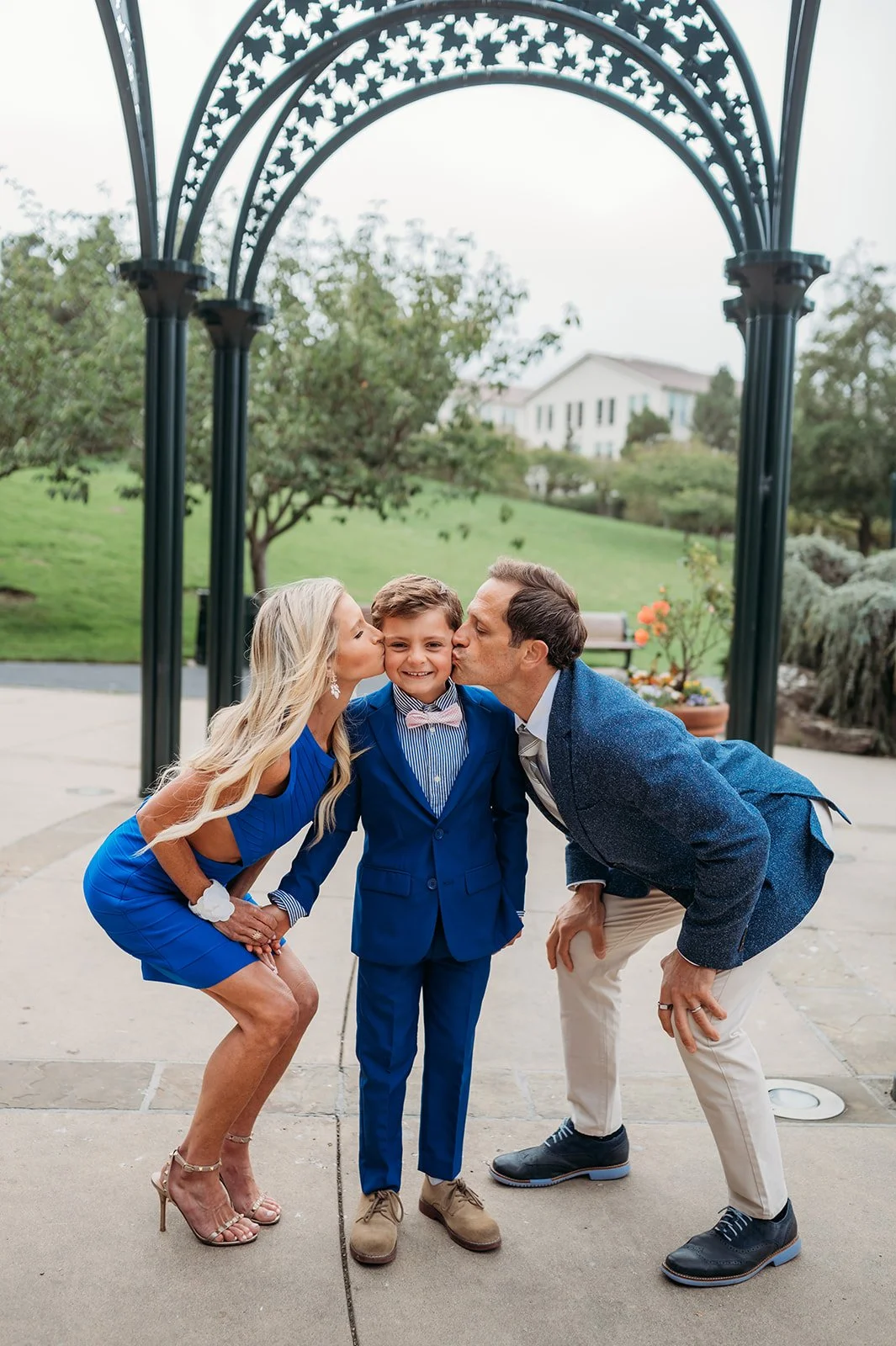
Gianna's Gem: Steal This From My Son's Summer Camp
Hi there,
This one comes straight from my son's summer camp, (huge shout out to Cole and Kate Kelly at Camp Weequahic) and I mean that literally.
Last week, a book arrived in the mail addressed to my son. It was from Camp Weequahic, who had the brilliant idea to mail this self-published gem directly to campers so the magic of camp could come home with them. The book? Three Good Things, a simple practice built around a daily gratitude ritual called 3 Happies and an Appreciation.
I'll be honest: when I first read about it, I thought, cute idea for kids. But the more I sat with it…and the more I tried it at our own dinner table replacing our basic gratitude practice…the more I realized this wasn't just a camp tradition. It's one of the simplest, most human yet extremely powerful team-building and culture-setting tools I've encountered in 23+ years of creating high-performing teams and unforgettable experiences.
So this week, I'm borrowing this gem from Camp Weequahic and bringing it to you to scale this pearl of wisdom.
Gianna's Gem: The best rituals aren't complicated. They're consistent, specific, and designed to make people feel seen, heard, grateful and appreciated.
What Is "3 Happies and an Appreciation"?
It's a daily gratitude practice you can do in five minutes…be it at the dinner table, the start of a team meeting, on a walk, or even in a quick Slack channel.
Here's how it works:
(3) Happies (Three Good Things or if you want a more corporate tone, Three Wins):
Each person shares three positive moments from their day, no matter how small. The key is specificity. Don't just say "I had a good meeting." Say "I had a great call with Maria where we finally cracked the problem we'd been stuck on for two weeks, and I left feeling energized and confident again." Note what happened, why it happened, and how it made you feel. Variety is encouraged: a productive work win, a kind interaction, a quiet personal moment…all count.
(1) Appreciation:
Each person identifies one person to appreciate and expresses it out loud. Make it specific. Not "Thanks, team." But "I want to appreciate Jake for stepping in at 4 PM when the website had an issue…he handled it calmly and saved the day." Name the person. Name the action. Name why it mattered.
That's it. Five minutes. Every day.
Why It Works: The Science Behind the Practice
This isn't just feel-good fluff, this is neuroscience.
Our brains are wired with what's called a negativity bias. We're evolutionarily designed to notice, remember, and ruminate on problems and threats far more than on positive experiences. It kept our ancestors alive. But in modern life, it means we often end the day replaying what went wrong rather than what went right.
3 Happies and an Appreciation rewires that default setting.
When we actively search for and articulate positive moments, we train our brains to scan for them throughout the day. Over time, you start noticing the good as it's happening, not just in retrospect. Research from positive psychology (Martin Seligman's work on "Three Good Things" is foundational here) shows that this practice consistently reduces anxiety and depression, boosts overall wellbeing, and improves sleep quality after just one week of consistent practice.
It’s why at the end of each day, no matter how tired I am, I journal before bed starting with the prompt “what went well today”. Often, I’m fixated on the one thing I wish I’d done better, but as I start to find all the things that went well, I often fill up a full page and realize all the little wins that far surpass any trouble spots. As a bonus, it’s greatly improved my sleep since I don’t fixate on the one thing that didn’t go wrong and get everything out on paper before my head hits the pillow.
And the appreciation piece? It activates the social bonding systems in our brains, for both the giver and the receiver. When someone feels genuinely seen and appreciated, trust deepens. Relationships strengthen. People want to show up for each other.
It’s why I make a practice of texting or emailing a person as soon as I get a feeling of appreciation for them during the day. Most people keep this to themselves, but I find that when I take one minute to share my appreciation, even with just a text message, it makes their day and also amplifies my own feelings of gratitude.
Gianna's Gem: When you end the day looking for what's good and who to thank, you start the next day already ahead.
How I Use It at Home
The first time I tried this at dinner with my family, I'll be transparent: there was resistance.
My son looked at me like I'd suggested we go around the table reciting poetry. But I held the space, modeled it first, and made mine specific and real. By the time we got to the appreciation, something shifted. He sat up straighter. He thought harder. He named his friend and told us exactly why that friend made his day better.
We've been doing it (mostly) ever since.
What I've noticed:
Dinner conversation has become richer and more substantive.
My son has started noticing and naming good things during the day ("Mom, this is going to be one of my happies tonight").
The appreciation piece has made him more thoughtful about the people in his life and more likely to actually express thanks
It takes the edge off hard days. Even when everything went sideways, finding three good things grounds you back in what's real and true.
And here’s the kicker - much less complaining! It sure makes everything feel a lot easier with the negative muted.
This practice arrived in our house in a book mailed by a summer camp director. And it's become a ritual I genuinely look forward to.
How to Apply It to Your Team (Business Leader Version)
Here's what I want every event planner, team leader, and manager reading this to hear: this practice is one of the highest-leverage culture tools you're probably not using.
Think about how most team meetings begin. A status update. A slide deck. An agenda. Valuable, yes… But cold. People arrive distracted, carrying the weight of everything that happened before they walked through the door (or logged onto Zoom). We jump straight into problems and deliverables, never acknowledging the humans in the room.
3 Happies and an Appreciation changes that in five minutes.
Here's how I'd implement it on a team:
At the start of weekly all-hands or team meetings: Go around and have each person share one wine (not three to keep it moving in larger groups) and the team collectively nominates one group appreciation for someone who went above and beyond that week (MVP) - bonus points if they get an amazon gift card, or something else as a treat for their exceptional effort.
In smaller pod, offsites or squad meetings: Do the full version: three wins and a personal appreciation. This is where the real connection happens.
In one-on-ones: Ask your direct reports to share their three wins for the week first. You'll learn more about what energizes them, what they're proud of, and what relationships matter to them than any performance review will ever reveal.
In a team Slack or group chat: Create a weekly thread. Post your three wins every Friday. Watch what happens to team culture over 60 days.
The rules are the same whether you're at the dinner table or in a conference room: be specific, name the why, and make the appreciation land.
Gianna's Gem: Gratitude isn't soft. It's one of the most strategic things you can do for team retention, psychological safety, and performance.
What This Teaches Us About Event Design
I can't write a Gem without connecting it to what we do for a living in the events world, so here it is.
The reason 3 Happies and an Appreciation works so well is the same reason the best events work: it creates intentional space for people to feel seen, connected, and valued.
Most events end with "safe travels." Most meetings end with "any other business?" And most workdays end without anyone ever naming what went right or who made a difference.
When I plan events, I think about how to close them in a way that creates integration instead of disconnection. A moment of collective reflection. A shared appreciation. A prompt that helps people leave feeling like the time mattered.
This practice does that in miniature form…every single day.
What if your events ended with a version of this? What if your closing keynote invited the room to share one positive learning or connection or “aha” moment from the conference and one appreciation for someone they met? What if your team offsite ended not with logistics but with five minutes of people saying thank you to each other?
I promise you: that's what people would remember.
I once implemented a version of this practice at a SoftBank Vision Fund Women’s Event in San Francisco. At the closing keynote, women stood up and shared one learning from the breakout they attended in the afternoon and then shared one interesting fact about someone they met. It was an amazing way to scale the content and networking so that people learned a bit more about sessions they didn’t attend and people they hadn’t met yet.
Your Action Plan
Try it tonight. Seriously, waiting is just procrastinating on a future goal (to quote James Clear).
At dinner, or before bed, or via text with someone you love or work with. Share three specific things from your day that were good, and one genuine appreciation for someone who showed up for you.
Do it for a week. Notice what changes.
Then bring it to your team. Start small: one meeting, one appreciation callout, one thread. Build the habit.
Because here's the truth: your people, at home and at work, crave being seen, heard, appreciated. They want to know their presence and effort matters. This practice creates the conditions for that acknowledgment to happen, every single day, without requiring a major initiative or a big budget.
It's just five minutes. I promise you, it will spare you countless headaches in the future by taking the time to be intentional about this.
Compounded over weeks and months it can make the difference between a family that feels like a team and a team that feels like a family.
Thank you, Cole, and thank you Camp Weequahic. In your generous gift to my son, you inadvertently reminded this event planner of one of the most important things we can design for, in events and in life: the moment when someone feels truly, genuinely, specifically appreciated.
That's the whole game.
You've got this.
XX, Gianna
Gianna Gaudini is an event strategist, advisor, and author of the Amazon bestselling book "The Art of Event Planning." She's held leadership roles at Google, AWS, SoftBank Vision Fund, and Airtable, creating unforgettable experiences that drive business results. For more insights on creating exceptional events, visit GiannaGaudini.com or connect with her on LinkedIn.
Want to work with Gianna or take her Event Planning Masterclass? Visit giannagaudini.com/learn-from-me